- English
- French
- German
- Portuguese
- Spanish
- Russian
- Japanese
- Korean
- Arabic
- Greek
- German
- Turkish
- Italian
- Danish
- Romanian
- Indonesian
- Czech
- Afrikaans
- Swedish
- Polish
- Basque
- Catalan
- Esperanto
- Hindi
- Lao
- Albanian
- Amharic
- Armenian
- Azerbaijani
- Belarusian
- Bengali
- Bosnian
- Bulgarian
- Cebuano
- Chichewa
- Corsican
- Croatian
- Dutch
- Estonian
- Filipino
- Finnish
- Frisian
- Galician
- Georgian
- Gujarati
- Haitian
- Hausa
- Hawaiian
- Hebrew
- Hmong
- Hungarian
- Icelandic
- Igbo
- Javanese
- Kannada
- Kazakh
- Khmer
- Kurdish
- Kyrgyz
- Latin
- Latvian
- Lithuanian
- Luxembou..
- Macedonian
- Malagasy
- Malay
- Malayalam
- Maltese
- Maori
- Marathi
- Mongolian
- Burmese
- Nepali
- Norwegian
- Pashto
- Persian
- Punjabi
- Serbian
- Sesotho
- Sinhala
- Slovak
- Slovenian
- Somali
- Samoan
- Scots Gaelic
- Shona
- Sindhi
- Sundanese
- Swahili
- Tajik
- Tamil
- Telugu
- Thai
- Ukrainian
- Urdu
- Uzbek
- Vietnamese
- Welsh
- Xhosa
- Yiddish
- Yoruba
- Zulu
What are the different types of alarm control panels?
Alarm control panels are the heart of a property’s security system. They take signals from the devices attached to them and coordinate the security system’s reaction to any threats. The proper panel is based on the number of areas to be monitored, the devices to be placed, and the circumstances in which the system will work. Understanding these variations makes it simpler for a customer to choose an appropriate piece of equipment, whether he examines a six-way unit, a twelve-way model, or an industrial-grade system. Choosing the right alarm control box also means checking its connections, installation requirements, and compatibility with the wider security setup.
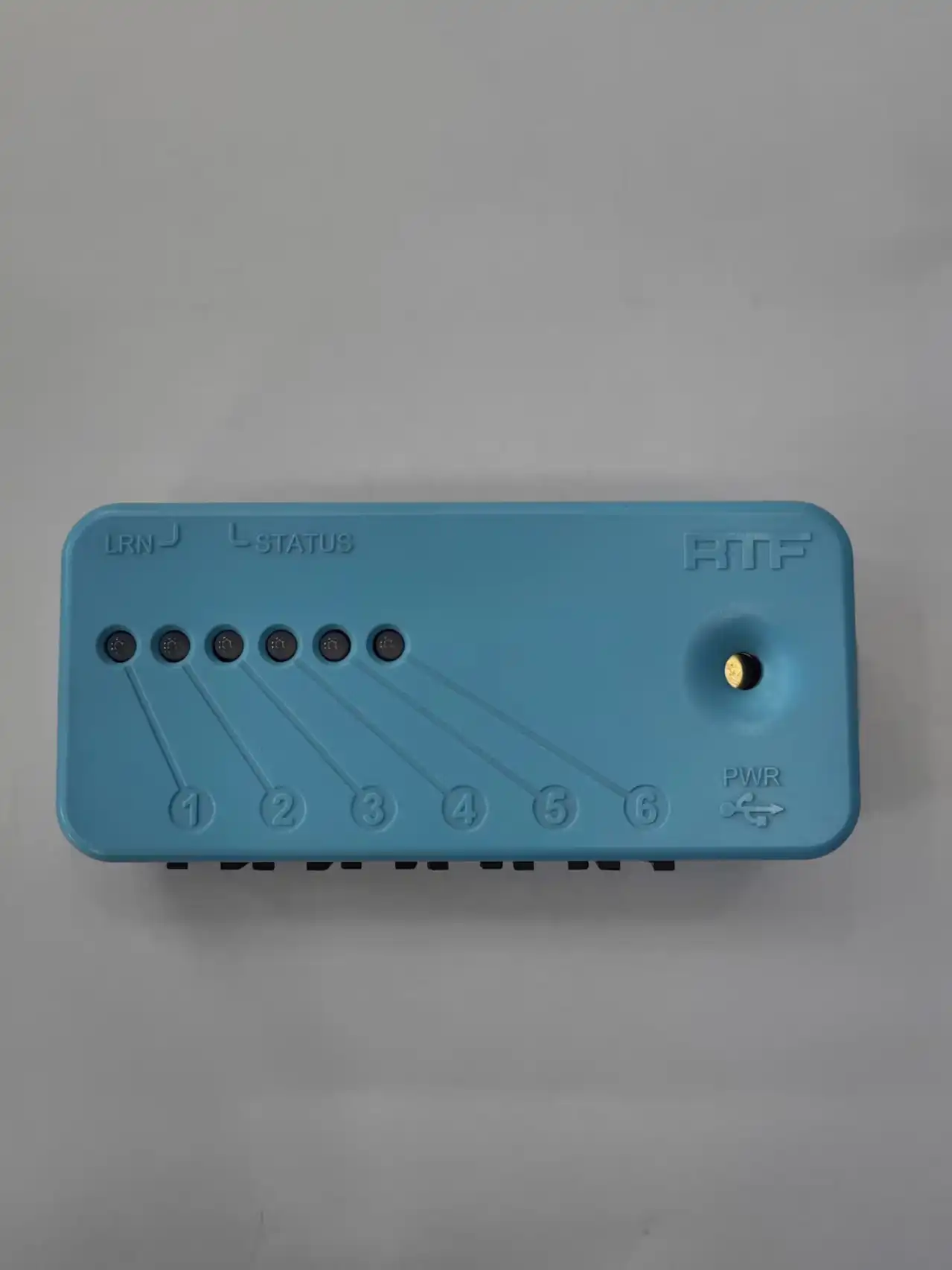
Six-Way Alarm Control Boxes for Smaller Properties
A six-way alarm control box could be a good idea if the property just has a few places to monitor. It may be used in residences, small workplaces, retail businesses, and other structures where a bigger control panel may have more capability than needed.
Depending on the product design, the word “six-way” may refer to the six accessible channels or zones of a device. Buyers should consult the manufacturer’s documentation to learn what each approach means and how it relates to the intended security devices.
Key Features and Practical Benefits
- Easy to install: The tiny size might make it easier to put in homes with limited space, provided the enclosure and wiring requirements are met.
- Capacity of smaller systems: If the installation is for a limited number of entries, rooms, or monitoring locations, six available zones may be enough.
- Practical budget management: Selecting a panel that fits the real installation may assist in preventing paying for unneeded capacity.
- Simpler system planning: Fewer zones make wire organization, identification of monitored locations, and regular inspections simpler.
A six-way panel is not inevitably the optimum solution for every tiny building.” Think about how many sensors you need to be linked, if you need distinct zones, and what kind of alarm response you want before buying.
Installers and procurement teams should additionally verify terminal layout, enclosure size, power requirements, and availability of installation manuals. These parameters may affect installation time and compatibility with current equipment.
Twelve-Way Alarm Control Boxes for Larger Installations
“A twelve-way alarm control box offers increased zone capacity for those properties with more areas to monitor. It can be well suited to bigger residences, offices, warehouses, and commercial facilities where several entrances, storage areas, and work rooms need to be individually monitored.
Additional zones may facilitate the organization of a security system according to the building’s layout. But coverage really relies on the linked devices and system setup, not just the number of zones.
Where Additional Zones Make a Difference
- Bigger buildings: More zones accessible may cover a bigger range of monitored areas without needing another panel instantly.
- Organized monitoring – The property is divided into several zones so that users may determine the source of an alarm signal, based on the reporting features of the panel.
- Future Expansion: Additional capacity may allow for more sensors or monitored regions, depending on the panel’s ability to handle the needed devices and setup.
- Flexible system design: Separate zones allow the arrangement of many rooms, entrances or work locations in an even tidier way.
Think of a warehouse with its own loading doors, office space and storage areas. If your installation needs additional independently monitored zones, then a twelve-way model may give more practical options than a six-way device.
Before deciding on a bigger panel, purchasers should check that the available zones are suitable for the layout they want and if they need any further equipment. Features like remote access, mobile monitoring, connection with building automation, and event recording should be considered features of particular models and not common characteristics of all twelve-way alarm control boxes.
The objective is to choose enough capacity for the existing installation, but to provide enough space for future modifications.

Industrial-Grade Multi-Functional Alarm Control Systems
Industrial buildings often have additional security needs than residential or small business sites. Harsh operating circumstances may require the integration of many monitoring systems at factories, utility facilities, distribution centers, and other industrial locations.
A multi-functional industrial-grade alarm control system might accommodate a greater number of inputs, outputs, communication interfaces, or system integrations. Its capabilities vary substantially per model; therefore, purchasers should look at the real specs rather than the industrial label alone.
What Industrial Buyers Should Check
Environmental suitability
Temperature, humidity, dust, vibration, exposure to corrosive chemicals, etc., may all impair equipment durability. Check the proposed installation environment against the stated operating range and enclosure protection grade. Outdoor or severe environment installations may need extra protection.
Device and communication compatibility
Industrial systems may need to interface with existing sensors, alarm devices, monitoring equipment, or building management systems. Before you buy, check the available interfaces, communication protocols, wiring requirements, and constraints for integration.
Power and operational continuity
Where ongoing monitoring is critical, purchasers should look at the backup power options available, the power failure notifications, and the communication redundancy. These characteristics must be verified for the specified model and installation.
Access control and configuration
Some industrial panels have varied user rights, event logs, or programmable alarm replies. Whether these functionalities are needed, ask for documentation on how they work and whether extra hardware or software is needed.
An industrial-grade system is best suited for installations that need capabilities beyond those of a simple zone-based panel. A comprehensive analysis of the technical documentation helps to avoid excessive expenses and minimizes the risk of picking equipment that will not support the specified security architecture.
How to Choose the Right Alarm Control Box
Selecting an alarm control box is more complicated than comparing six zones to twelve. Think about how the system will be deployed, what it needs to monitor, and whether it can meet future requirements.
Evaluate the Installation Before Comparing Prices
First, make a list of the sites that need to be watched and the equipment that is allocated to each site. Work out how many independent zones you need. Ensure your panel has enough for the sensors you want to use and the alarm outputs you plan to use.
Then, check the available installation space and the wire configuration, supply voltage, and mounting requirements. Compatibility with current devices is especially crucial for replacement projects. A new panel may not support the same connections or operating manner as the old unit.
Consider Expansion, Environment, and Maintenance
Consider whether the panel can accommodate additional zones or connect to a suitable extension module if the property is expected to grow. Don’t assume that a bigger unit can be stretched forever — check the specified restrictions.
Environmental circumstances are also important. A panel designed for a clean interior workplace may not operate in a dusty workshop or an exposed outdoor setting. Check the operational temperature range, enclosure material, protection rating, and maintenance needs.
Finally, look at the overall installation price, not just the purchase price. Wiring modifications, suitable accessories, installation labor, replacement parts, and ongoing maintenance might affect the whole budget.
Conclusion
The key distinctions between six-way, twelve-way, and industrial-grade multi-functional alarm control systems are zone capacity, integration choices, and application requirements. A six-way unit could be more suitable for a smaller installation, while a twelve-way model might give more versatility for bigger homes. However, if the environment or integration needs are more complex, industrial-grade systems are worth investigating.
Before you buy, make sure you check the zone configuration, electrical specifications, devices supported, enclosure requirements, and accessible technical documentation. If you are seeking an alarm control box for a new installation or replacement project, please contact the supplier with your application information and desired requirements. You may get a product datasheet, connection diagram, information about the materials, and get a price. This will assist you in comparing acceptable solutions and proceeding more confidently.
FAQ
1. How often should I test my alarm control box?
It's recommended to test your alarm control box at least once a month. This involves activating various sensors and ensuring that the control panel responds appropriately. Many modern systems also perform self-diagnostics, but manual testing provides an extra layer of assurance.
2. Can I install an alarm control box myself?
While some DIY alarm systems are available, professional installation is strongly recommended for most alarm control boxes, especially for more complex setups. Professional installers have the expertise to ensure proper placement, configuration, and integration of your security system components.
3. Are wireless alarm control boxes as reliable as wired systems?
Modern wireless alarm control boxes can be just as reliable as wired systems. They use advanced encryption and frequency-hopping technology to prevent interference and unauthorized access. However, wireless systems may require more frequent battery changes and can be susceptible to signal interference in some environments.
4. How long do alarm control boxes typically last?
With proper maintenance, a quality alarm control box can last 10-15 years or more. However, technological advancements may make it beneficial to upgrade sooner to take advantage of new features and improved security measures.
5. Can I access my alarm control box remotely?
Many modern alarm control boxes offer remote access through mobile apps or web interfaces. This allows you to arm/disarm the system, view camera feeds, and receive notifications from anywhere with an internet connection. However, the availability of remote access features depends on the specific model and manufacturer of your alarm control box.
Alarm Control Box Supplier: Rongbao Enterprise
When it comes to securing your property with high-quality alarm control boxes, Rongbao Enterprise stands out as a trusted supplier. With a focus on innovation and precision, Rongbao offers a range of alarm device parts that meet the highest industry standards. Their alarm control boxes are manufactured using advanced production methods, including high-pressure die casting and precision machining, ensuring durability and reliability.
Rongbao Enterprise, founded in 2003, has established itself as a leader in aluminum alloy casting and precision processing. Their commitment to quality is evident through their ISO9001:2015, ISO14001, and ISO45001 certifications. With a production capacity of 50,000 pieces and the ability to customize specifications, Rongbao can meet diverse client needs.
For those seeking top-tier alarm control boxes and related components, Rongbao Enterprise offers comprehensive solutions. Their expertise in multi-material compatibility and cross-process manufacturing technologies ensures that you receive integrated component supply solutions tailored to your specific requirements.
To learn more about Rongbao's alarm control box offerings or to request a quote, reach out to their team at steve.zhou@263.net or zhouyi@rongbaocasting.com. With Rongbao's commitment to environmental sustainability and global partnerships, you can trust that you're choosing a supplier at the forefront of manufacturing excellence.
References
1. National Fire Protection Association. (2022). NFPA 72: National Fire Alarm and Signaling Code.
2. Underwriters Laboratories. (2021). UL 681: Standard for Installation and Classification of Burglar and Holdup Alarm Systems.
3. Security Industry Association. (2023). Alarm Systems: A Guide to Design, Installation, and Use.
4. International Organization for Standardization. (2018). ISO/IEC 62642-1:2010 Alarm systems - Intrusion and hold-up systems.
5. Electronic Security Association. (2022). Residential Security System Installation Best Practices.
_1750923522843.webp)

Learn about our latest products and discounts through SMS or email