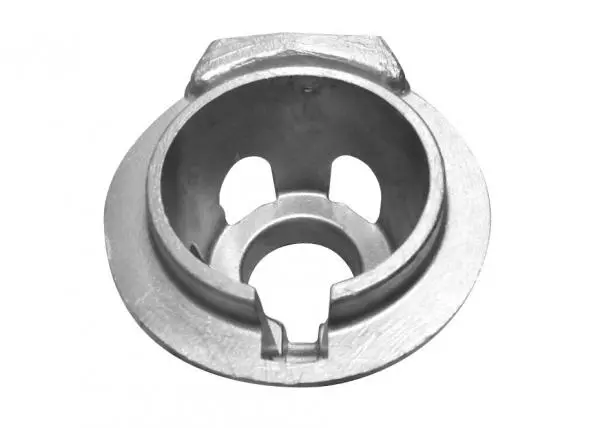
Forming Principles and Filling Process
The fundamental differences between low-pressure casting and high-pressure casting lie in their forming principles and filling processes. These distinctions significantly impact the final quality and characteristics of the flange parts produced.
Low-Pressure Casting
Low-pressure casting is a process that relies on controlled pressure to fill the mold cavity. This method is particularly well-suited for producing high-quality, complex flange parts with thin walls and intricate designs. The process begins with molten metal being introduced into a sealed crucible beneath the mold cavity. As pressure is applied to the surface of the molten metal, it rises through a feed tube and into the mold.
Key characteristics of the low-pressure casting filling process include:
- Gradual and controlled filling of the mold cavity
- Reduced turbulence during metal flow
- Minimal air entrapment
- Uniform solidification from the top of the casting downwards
These features contribute to the production of low pressure casting flange parts with excellent mechanical properties and reduced porosity. The gentle filling process is particularly beneficial for maintaining the integrity of delicate low pressure casting flange geometries.
High-Pressure Casting
On the other hand, high-pressure casting—also known as high-pressure die casting—uses even greater pressures to squeeze the molten metal into the mold. Fast manufacturing rates and the capacity to make parts with complicated forms and thin walls are hallmarks of this technique.
When using high-pressure casting filler, you should look out for:
- Melted metal is injected into the mold rapidly.
- Rapid solidification times Rapid filling velocities and pressures
- Disruption of flow possible
Although high-pressure casting is a time- and labor-saving option, it could be difficult to use for flange components that have intricate internal details or need a high level of structural strength.
Defects and Risk Distribution
Falange part quality control and optimum production outcomes need knowledge of the distribution of risks and potential defects in low-pressure and high-pressure casting processes.
Low-Pressure Casting Defects
Although there are certain difficulties, low-pressure casting often results in fewer flaws than high-pressure processes. Some of the most common issues with low-pressure cast flange components are:
- The lack of proper nourishment during solidification leads to shrinkage porosity.
- Gas porosity: caused by the release of trapped gases or the breakdown of hydrogen
- Inclusions of oxides: As a result of the melt surface oxidizing
- False starts: Missing material at the ends or in narrow areas
Areas furthest from the gate or thick parts, where feeding could be difficult, tend to have the highest risk distribution in low-pressure casting. Proper gating and riser design, however, make it possible to effectively manage these hazards due to the regulated nature of the operation.
High-Pressure Casting Defects
High-pressure casting, while efficient, is prone to a wider range of defects in flange parts due to the intense pressures and velocities involved, unlike low pressure casting flange part. Common defects include:
- Blisters: Surface defects caused by trapped gases
- Cold shuts: Incomplete fusion of metal streams during filling
- Porosity: Both gas and shrinkage porosity can occur
- Die soldering: Adhesion of the casting to the die surface
- Flow lines: Visible patterns on the surface due to turbulent flow
The risk distribution in high-pressure casting is often more widespread, with particular attention needed at thin sections, corners, and areas where turbulent flow may occur. Managing these risks requires careful die design, precise control of process parameters, and sometimes the use of vacuum assistance to reduce gas-related defects.

Surface and Tolerance Control
The fabrication of flange parts relies heavily on obtaining exact surface finishes and keeping tolerances tight. In this respect, low-pressure and high-pressure casting techniques each have their own set of benefits and drawbacks.
Surface Control in Low-Pressure Casting
Because the filling process is regulated in low-pressure casting, flange items often have better surface qualities. Surface flaws are decreased and the look is more uniform due to the reduced turbulence during mold filling. In low-pressure casting, surface control is crucial and includes:
- Smooth surfaces with minimal flow lines
- Reduced likelihood of blisters or gas porosity at the surface
- Better replication of mold surface details
- Potential for achieving as-cast surfaces suitable for certain applications
However, achieving optimal surface quality in low-pressure casting still requires careful control of melt quality, mold temperature, and cooling rates. The slower production rates of this process allow for more attention to be paid to surface quality during each casting cycle.
Surface Control in High-Pressure Casting
High-pressure casting can produce flange parts with good surface finishes, but it faces more challenges due to the high velocities and pressures involved. Surface control considerations in high-pressure casting and low pressure casting flange part include:
Potential for flow lines or knit lines due to turbulent flow
Risk of blisters or surface porosity from entrapped gases
Excellent replication of die surface details when properly controlled
Necessity for careful die design to manage flow patterns
To achieve optimal surface quality in high-pressure cast flange parts, manufacturers often employ techniques such as vacuum assistance, optimized gating systems, and careful control of die temperatures and lubricants.
Tolerance Control Comparison
Maintaining tight tolerances is crucial for flange parts, which often serve as critical components in various assemblies. Both casting methods offer distinct advantages in tolerance control:
Low-Pressure Casting:
- Generally achieves tighter tolerances due to controlled filling and solidification
- Less prone to distortion during cooling
- Capable of producing parts with more consistent dimensions across multiple castings
- May require less post-casting machining to achieve final tolerances
High-Pressure Casting:
- Especially when working with tiny components, may attain very tight tolerances
- Quickly solidifying when subjected to pressure aids in keeping dimensions stable.
- Consistently meeting tight tolerances may need more meticulous die design and process management.
- Possible small discrepancies caused by die wear over time
In both situations, a thorough strategy including the right alloy choice, an optimal mold or die design, and exact control of process parameters is necessary to achieve and maintain tight tolerances. When it comes to flange components, the particular tolerance requirements, production volume, and geometric complexity are the main factors that determine whether low-pressure or high-pressure casting is the better option.

Practical Applications and Considerations
For flange pieces, there are a number of practical factors to think about when deciding between high-pressure and low-pressure casting. When manufacturers have a firm grasp of these aspects, they are better able to make choices that support their production objectives and quality standards.
Production Volume and Cost Efficiency
Since high-pressure casting has shorter cycle durations and cheaper per-unit costs for big production runs, it is ideal for high-volume manufacturing applications. Applications requiring large numbers of flange parts, such as those in the automobile and consumer products industries, are ideal for this material. While low-pressure casting is often slower, it might be a more cost-effective option for parts that need good quality and little post-casting processing, as well as for modest to medium production numbers.
Material Considerations
Although both casting procedures are compatible with many different types of aluminum alloys, low-pressure casting usually allows for more precise control over the part's microstructure and characteristics. Flange components used in harsh environments or those needing precise mechanical properties may find this to be of the utmost importance. Although high-pressure casting has fewer alloy options than die casting, it works well with alloys designed for die casting
Part Complexity and Design Freedom
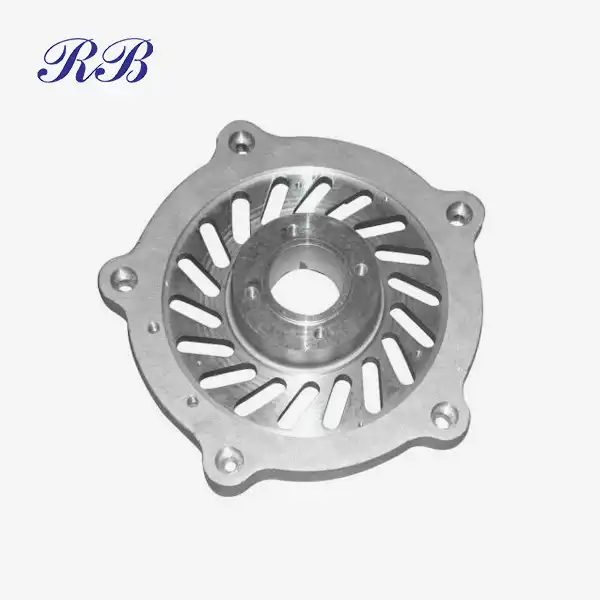
An example of a complex flange geometry is a low pressure casting flange part, which allows for more design freedom due to the process's ability to accommodate parts with different wall thicknesses or internal passages. Intricately detailed or structurally demanding components are often candidates for this approach. While high-pressure casting may make complicated forms, the difficulties of die design and the flow of metal at high pressures mean that technique might not be suitable for all geometries.
Quality and Performance Requirements
Because of its better control over material parameters and decreased failure rates, low-pressure casting typically becomes the favored process for flange parts going to critical applications like aerospace or high-performance automobile components. While high-pressure casting is capable of meeting demanding quality requirements in many contexts, it may be necessary to take further steps, such heat treatment or the use of specialist alloys, to get the same level of performance.
Environmental and Energy Considerations
The growing concern for sustainability in industrial decisions makes it all the more important to consider the environmental impact of casting procedures. Because it requires less energy per component and produces less waste, low-pressure casting is an eco-friendly option to conventional casting processes for flange pieces. While high-pressure casting does use a lot of energy, it might be optimized for mass production of components.
Low Pressure Casting Flange Parts Supplier: Rongbao Enterprise
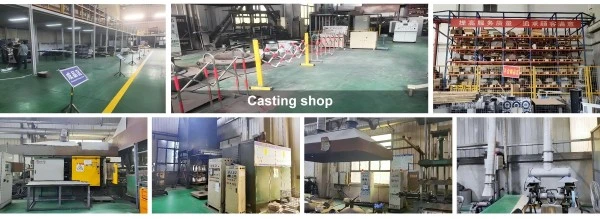
Among the many companies that provide high-quality low pressure casting flange components, Rongbao Enterprise stands out. Since its founding in 2003, Rongbao has grown into a preeminent authority in the fields of precision processing and aluminum alloy casting. Producing flange components with impeccable engineering is a certainty thanks to their expertise in low-pressure casting procedures.
A wide variety of services are provided by Rongbao Enterprise:
- utilizing high-quality ZL101 aluminum alloy, we can custom-cast flange components utilizing low-pressure casting.
- Highly accurate computer numerical control (CNC) machining for flawless surfaces and precise tolerances
- Modern surface treatments, such shot blasting, can improve component functionality
- Adaptable OEM/ODM choices to fulfill unique client needs
- Timely delivery of big orders is guaranteed by our high manufacturing capacity, which may reach up to 5,000 pieces.
Rongbao Enterprise has certifications such as ISO 9001:2015, ISO 14001, and ISO 45001. These shows that they prioritize quality management, environmental responsibility, and occupational health and safety. The dedication to quality at Rongbao has allowed the company to export 70% of its items to markets in many nations, including the US, Europe, Japan, and others.
For manufacturers seeking reliable, high-quality low pressure casting flange parts, Rongbao Enterprise offers the expertise, capacity, and quality assurance needed to meet demanding industry standards. To discuss your specific flange part requirements or to request a quote, contact Rongbao Enterprise today at steve.zhou@263.net or zhouyi@rongbaocasting.com. Experience the Rongbao difference in precision aluminum alloy casting and take your product quality to the next level.