- English
- French
- German
- Portuguese
- Spanish
- Russian
- Japanese
- Korean
- Arabic
- Greek
- German
- Turkish
- Italian
- Danish
- Romanian
- Indonesian
- Czech
- Afrikaans
- Swedish
- Polish
- Basque
- Catalan
- Esperanto
- Hindi
- Lao
- Albanian
- Amharic
- Armenian
- Azerbaijani
- Belarusian
- Bengali
- Bosnian
- Bulgarian
- Cebuano
- Chichewa
- Corsican
- Croatian
- Dutch
- Estonian
- Filipino
- Finnish
- Frisian
- Galician
- Georgian
- Gujarati
- Haitian
- Hausa
- Hawaiian
- Hebrew
- Hmong
- Hungarian
- Icelandic
- Igbo
- Javanese
- Kannada
- Kazakh
- Khmer
- Kurdish
- Kyrgyz
- Latin
- Latvian
- Lithuanian
- Luxembou..
- Macedonian
- Malagasy
- Malay
- Malayalam
- Maltese
- Maori
- Marathi
- Mongolian
- Burmese
- Nepali
- Norwegian
- Pashto
- Persian
- Punjabi
- Serbian
- Sesotho
- Sinhala
- Slovak
- Slovenian
- Somali
- Samoan
- Scots Gaelic
- Shona
- Sindhi
- Sundanese
- Swahili
- Tajik
- Tamil
- Telugu
- Thai
- Ukrainian
- Urdu
- Uzbek
- Vietnamese
- Welsh
- Xhosa
- Yiddish
- Yoruba
- Zulu
What are the advantages of sand casting motor housing part?
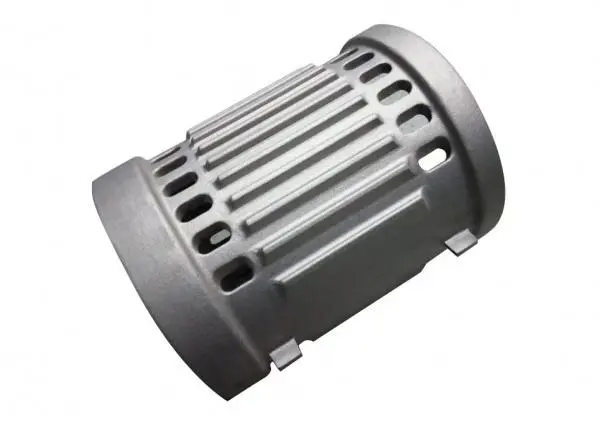
Choosing a manufacturing process for a motor housing involves more than comparing the initial unit price. Engineers and purchasing teams also need to consider material selection, casting complexity, tooling cost, dimensional requirements, machining, surface treatment, production volume, and delivery requirements. For many aluminum motor housing , sand casting remains a practical option because it can produce relatively complex shapes without the high tooling investment associated with some permanent-mold processes. A sand cast motor housing can have mounting bosses, cooling fins, ribs, apertures and interior cavities all in one casting. After casting, selected surfaces can be machined to the accuracy required for assembly. This combination of adjustable mold design, material selection and secondary machining makes sand casting appropriate for both one off components and repeat production. The advantages are especially big when the housing design is somewhat large, complex, often changed or produced in small to medium quantities. But sand casting isn’t necessarily the best answer for all motor housings. The final selection must include component shape, necessary tolerances, production quantity, alloy, surface finish and overall manufacturing expense.
Why Sand Casting Works Well for Motor Housing Production?
The theory of sand casting is really simple. A design is constructed to create a cavity in prepared molding sand, then molten metal is poured into the cavity. Once the metal has solidified, the sand mold is shattered to release the casting. Cores can be inserted when internal channels or enclosed cavities are required in the component.
This production flexibility is vital for the motor casing, which usually comprises more than just a cylindrical shell. Depending on the design of the motor, the casting may require mounting feet, ribs, bosses, ventilation features, cable holes, bearing-support areas, or other structural characteristics.
The pattern is generally made with allowances for the shrinkage of the metal and for subsequent machining. These allowances are built into the engineering process, not tacked on after the casting. Further, the foundry must decide on the alloy, casting geometry, wall thickness, mold design, gating system, and the expected dimensional changes occurring during solidification.
Low weight and corrosion resistance are often reasons why aluminum alloys are used for applications. One example of an aluminum casting alloy that may be utilized is A356 if its combination of castability and mechanical qualities is suitable for the purpose. The alloy and heat-treatment condition should be chosen in accordance with the mechanical, thermal, environmental, and machining requirements of the final motor housing.
Modern foundries can employ casting simulation to examine the flow of metal and solidification before production. Such technologies can assist engineers in visualizing where probable flaws might occur due to filling behavior, shrinkage, or temperature conditions. Simulation cannot replace process control, but it can help to eliminate excessive trial-and-error in tooling and process development.
Five Practical Advantages of a Sand Cast Motor Housing
Lower Tooling Investment for Customized Designs
One of the most fundamental advantages of sand casting is the relatively flexible tooling method. Sand casting can be cheaper than manufacturing procedures using expensive permanent dies when the production quantity is limited or the design is still in development.
This is especially beneficial for custom motor cases. Sometimes a customer will want housing for a special-purpose motor, rather than a high-volume regular product. If the design is altered during the development process, then it is more feasible to change the pattern than to replace an expensive permanent mold.
Even the tooling cost should be addressed within the framework of a complete project and not in isolation. Low initial tooling cost does not necessarily guarantee the lowest overall unit cost. The ultimate price is a function of machining, finishing, inspection, manpower, scrap rate, and manufacturing volume.
Flexible Geometry for Complex Housing Designs
Motor housing often have both structural and functional elements. Sand molds and cores can be used to make shapes that would be difficult or expensive to make from a solid block of metal.
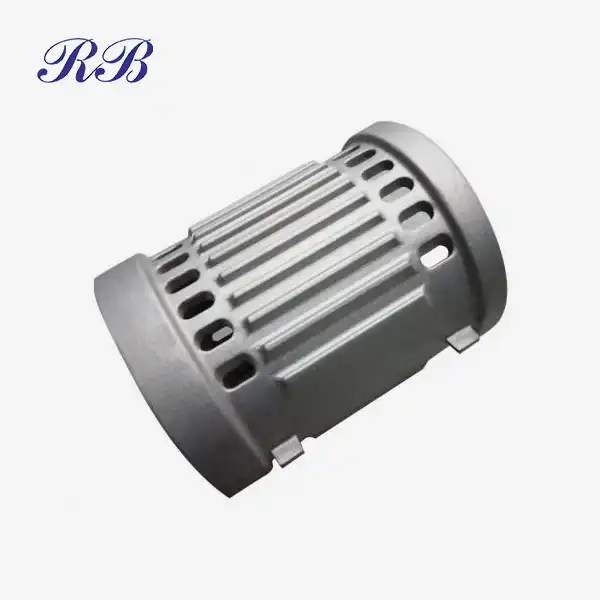
For example, ribs may be added to improve the structural stiffness, and exterior fins may be added to increase the surface area for heat dissipation. Cores can also create interior holes to eliminate needless material and weight.
This versatility allows engineers to address the casting process at the early design stage. The housing does not need to be a machined block, but rather the component can be constructed around the strengths of casting. Proper draft angles, even wall sections, proper fillets, and adequate core layouts can increase manufacturability and eliminate casting faults.
So the design-for-manufacturing assessment should be done before starting the manufacture of the patterns. An experienced engineering foundry can spot characteristics that may add to casting difficulty, machining, or production expense.
Wide Material Selection
The other plus is that you can cast a variety of alloys in sand. The right material depends on the operating environment and performance needs of the motor.
Aluminum alloys are useful when weight, corrosion resistance, and thermal qualities are needed. Other applications may require various material qualities dependent on mechanical loads, temperature, environmental exposure, or customer specifications.
Selection of material for a motor housing should not be based only on tensile strength. Other properties that engineers may need to consider are density, thermal conductivity, machinability, corrosion behavior, casting qualities, and compatibility with the planned surface treatment.
If A356 is specified, the supplier should be able to provide the necessary material documentation and state whether heat treatment is part of the production process. If the customer has a certain material standard or chemical composition need, these should be set before the production.
Good Potential for Thermal Management
Another aspect of designing motor housings is heat management. Motors create heat when running, and the housing can be a part of the overall thermal management system.
Sand casting can be used to include exterior fins, ribs, and other surface characteristics into the housing shape. These features can enhance the available surface area and help to transfer heat to the surroundings.
The real thermal performance depends on a lot more than just the casting process itself. The ultimate result depends on motor power, operating speed, ambient temperature, airflow, material, wall thickness, fin shape, and the general design of the motor.
For this reason a supplier should not simply promise that a sand-cast housing will immediately increase motor efficiency. Instead, the housing geometry should be assessed as part of the overall thermal design.
Suitable for Low and Medium Production Volumes
The volume of production has a significant influence on the economics of any casting process. Sand casting can be attractive if the quantity to be produced does not justify substantial investments in permanent tooling.
This makes it good for prototypes, spare parts, bespoke motors, engineering projects, and low- to medium-scale production.” It may also be evaluated whether the house design is projected to evolve over time.
For bigger production runs, various casting processes may be more competitive based on cycle time, tooling amortization, dimensional constraints, and yearly demand. A responsible provider should therefore consider manufacturing options, not just immediately offer sand casting for every job.
How Casting Quality Affects Motor Housing Performance?
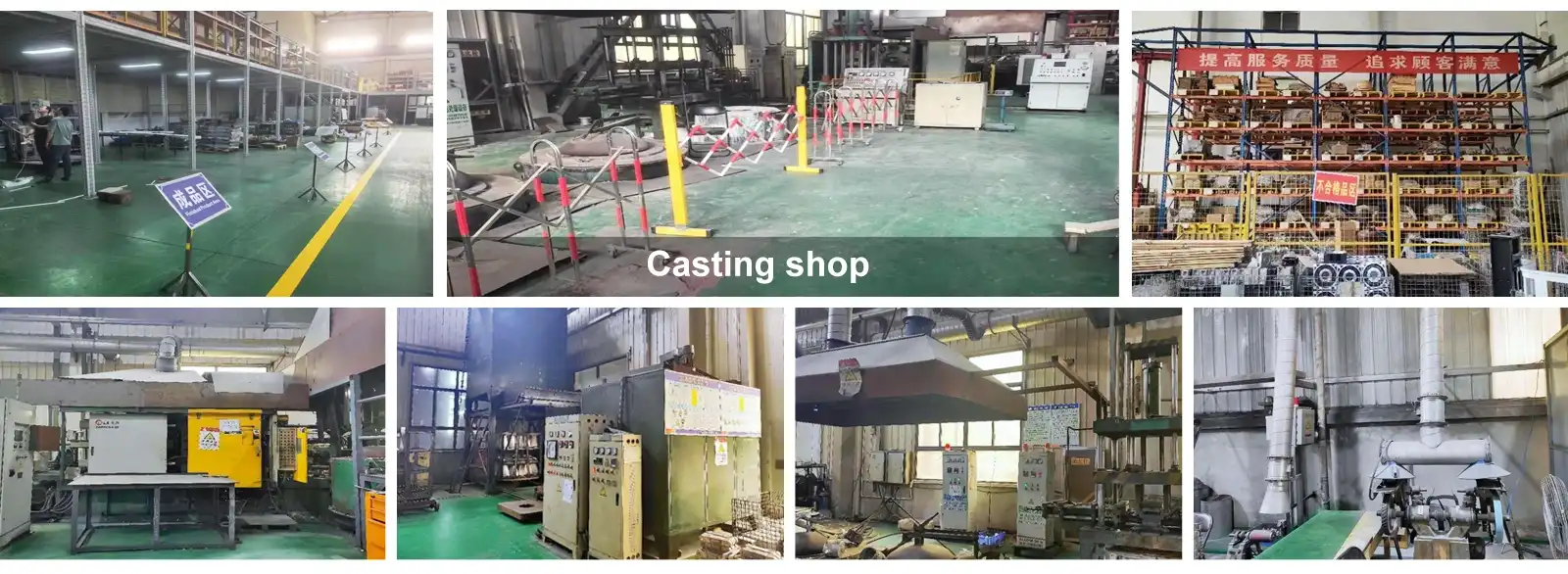
The benefits of sand casting are greatly dependent on process control. A good pattern alone does not assure a reliable casting. The foundry must control the preparation of the molds, the pouring conditions, the solidification, the setting of the cores, the cleaning, the inspection, and the subsequent machining.
Dimensional Control and Machining
In general, sand castings are not as dimensionally accurate as precisely machined parts on every feature. That is why important interfaces are routinely machined after casting.
For a motor housing, tighter tolerances on bearing seats, mounting faces, placements relative to the shaft, threaded holes, and other assembly surfaces may be required than can be safely achieved in the as-cast condition. The casting drawing must distinguish between surfaces to be left as cast and surfaces to be machined.
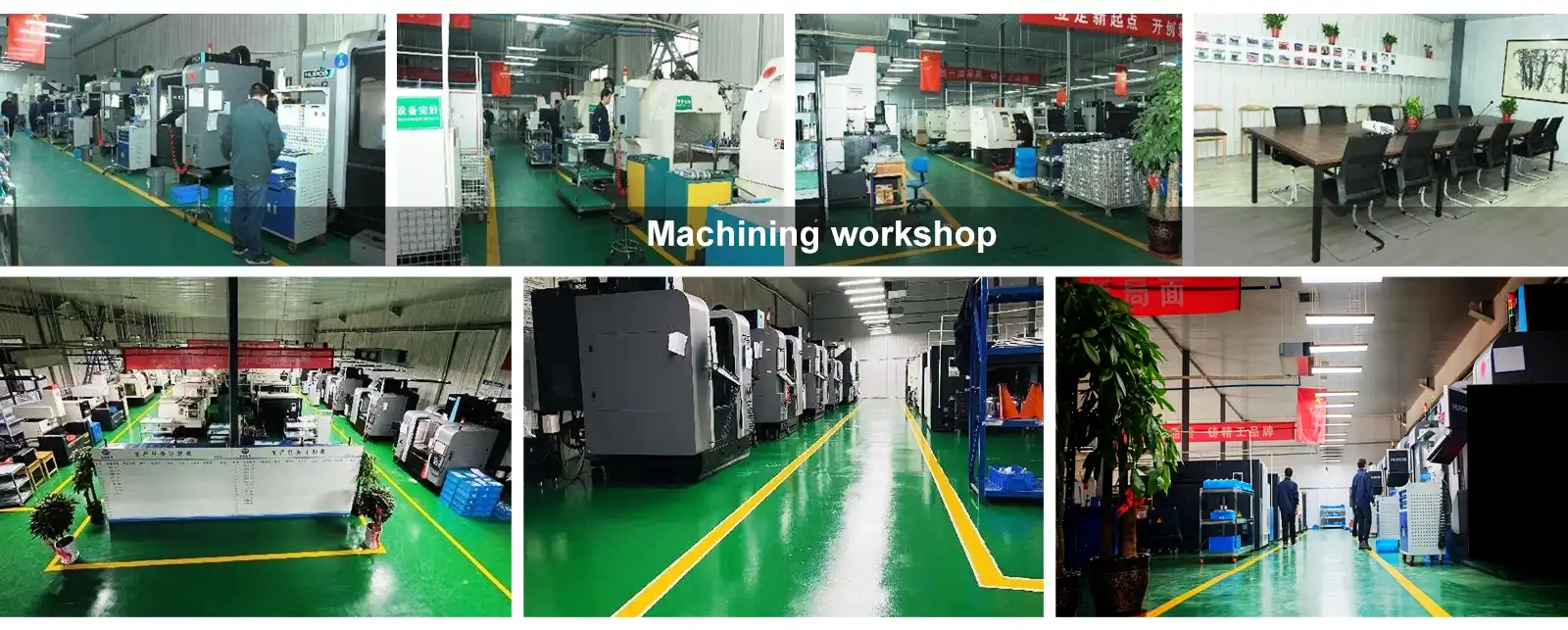
This method eliminates the need for machining over the whole component. Material is cast in near-net shape, and CNC machining is limited to key locations.
The actual attainable tolerance relies on casting size and shape, alloy, pattern approach, molding process, and measurement needs. Engineers should establish tolerances based on the function of each feature, rather than applying a single tolerance number to all sand castings.
Internal Defect Control
Casting faults can negatively affect the performance and reliability of a motor housing, especially if they occur in structurally significant locations. Potential problems include porosity, inclusions, shrinkage flaws, incomplete filling, or dimensional aberrations.
The inspection method appropriate for the part design and customer requirements is determined. In some applications, visual and dimensional inspection may be adequate, while more demanding components may require extra non-destructive testing.
Internal casting quality is critically important: X-ray or other radiographic inspection can be considered. Depending on the material, geometry, and the type of defect to be investigated, other inspection procedures may also be suitable.
Traceability of material, production batches, inspection reports, and machining records when appropriate should also be part of a usable quality system. This information provides purchasing and engineering teams with a better basis to judge supplier consistency.
Surface Finishing After Casting
The desired final appearance of an industrial motor housing is usually not a newly cast surface. The casting may be fettled, shot blasted, machined, painted, powder coated, anodized, or otherwise surface treated according to the application.
The right finish is determined by the operational environment and customer request. For example, a housing that is exposed to moisture or corrosive conditions may require an appropriate protective covering, whereas an indoor use may not require such rigorous standards.
Hence, surface treatment should be discussed in conjunction with material selection and operating conditions. The supplier should indicate whether the quoted price is for casting only or for machining and finishing as well.
Where Sand Cast Motor Housings Are Commonly Used?
The versatility of sand castings means it can be employed in a range of industrial motor applications. The specific design and materials needed will be determined by the equipment.
Industrial machinery housings contain heavy-duty mounting locations and tough outside surfaces. Pumps and compressors may need appropriate interfaces for bearings, shafts, etc. HVAC and ventilation equipment needs to be weighted, corrosion resistant, and have good heat dissipation.
Another good app is Customized Motors. If the number of parts is not sufficient to justify the cost of specialty tooling, sand casting can be a viable manufacturing alternative.
The process can also be utilized for spare parts. An older machine may need a special motor housing that is not generally available. If the suppliers have the original casting drawing or a physical part to refer to, they can walk through the geometry and establish the proper manufacturing technique.
The cast specification should always be decided by the application. A housing for use in a clean indoor environment should not be specified the same way as a housing for outdoor use in a dusty industrial environment or in an area subject to extreme temperature variation.
What Buyers Should Confirm Before Ordering a Motor Housing?
It’s only part of the process of choosing the right supplier when asking the company if they can create an aluminum casting. The purchaser will furnish adequate technical data to let the foundry evaluate feasibility and to prepare an accurate quotation for the project.
The first requirement is normally a drawing or a three-dimensional model. The supplier must know the overall sizes, wall thicknesses, mounting points, internal cavities, key interfaces, and where machining will be performed.
Material requirements should also be clearly stated. If the project requires A356 or another aluminum alloy, the customer should indicate the required material standard and, if applicable, heat-treatment condition.
The quantity of production is also important. The supplier quoting on a prototype order will do tooling and process planning differently from a supplier preparing for thousands of pieces per year. The foundry may then be able to provide an improved means of manufacture that considers the anticipated annual demand.
The casting requirements should not be confused with the machining requirements. If CNC machining is required on any bearing seats, mounting surfaces, holes, or other locations, it should be included on the drawing.
Also define inspection standards before production. Depending on the application, the customer may require dimensions reports, material certificates, casting inspection records, or nondestructive tests.
Finally, packaging & shipping requirements should be covered before the PO is finalized. Cast aluminum parts are especially subject to transportation damage if the housing contains thin fins or machined surfaces and if the parts are not securely covered.
Sand Casting Motor Housing Supplier: Rongbao Enterprise
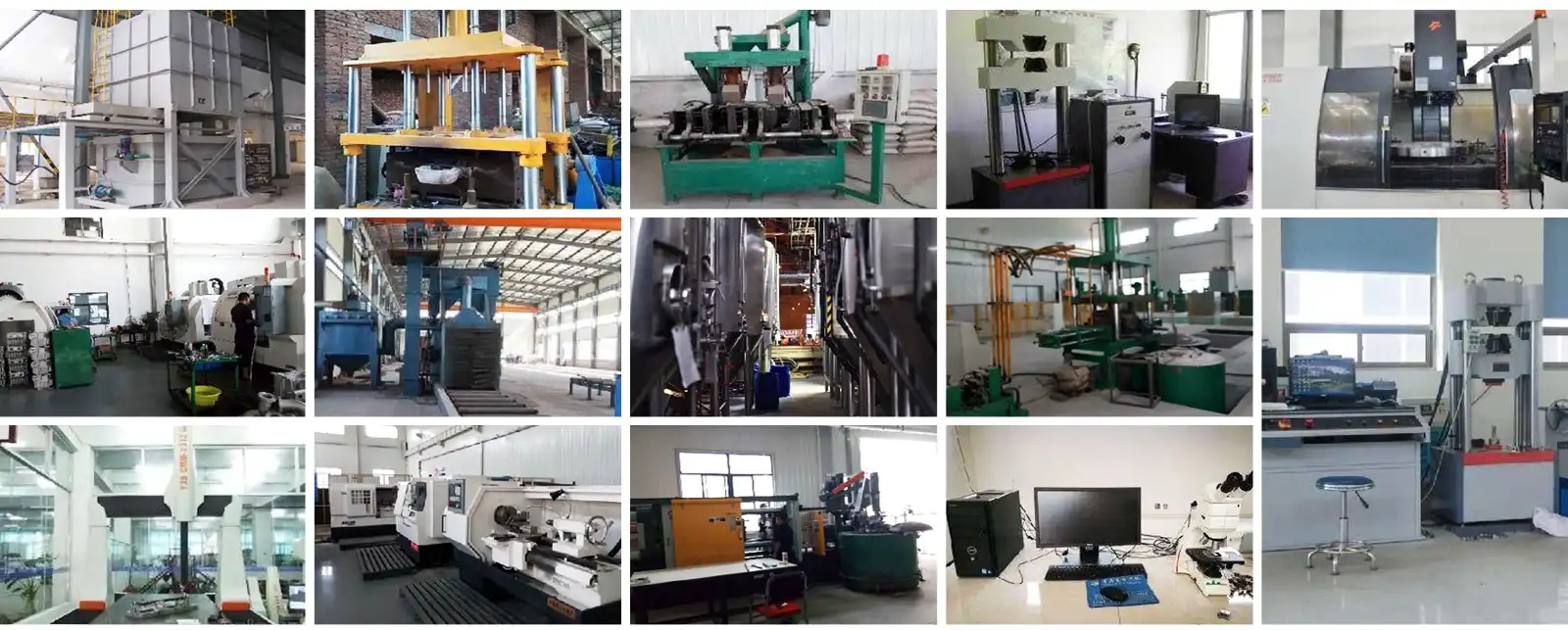
Rongbao Enterprise provides sand casting and related production services for custom industrial parts, such as motor housings. Its manufacturing capabilities include casting, machining, finishing, and inspection methods to allow customers to acquire many manufacturing stages from one supplier.
The company manufactures aluminum sand castings featuring A356 applications when the alloy fits the customer’s design and operating needs. Motor housings are sized to drawings and/or project standards. Reported 3.95 kg housing or other customer-designed designs. Engineering evaluation for final casting weight, wall thickness, machining allowance, and material grade.
CNC machining can be employed for critical features where finer dimensional control than the as-cast condition is required. This is especially true for mounting surfaces, bearing locations, threaded holes, and other connections for which the accuracy of dimensions is important for assembly.
Apart from this, Rongbao also offers surface treatment options like shot blasting as per client demand. We can assist with the packaging for international orders to guarantee castings are protected during travel and handling.
This OEM/ODM is particularly valuable for customers who are designing custom motor housings. Instead of choosing an off-the-shelf component and developing the motor around it, customers can send in their designs or technical specifications for manufacturing appraisal. This allows the provider time to explore casting feasibility, material choices, machining needs, and manufacturing concerns before quoting.
When comparing suppliers, it is useful for customers to consider the entire manufacturing chain, not just the cost of the casting. The actual cost of the project will be based on pattern and tooling requirements, casting yield, machining, finishing, inspection, packaging, and shipping.
Conclusion
Sand casting remains a practical manufacturing method for many motor housing applications because it combines design flexibility, relatively accessible tooling, material options, and compatibility with secondary machining. It is particularly useful for customized designs, prototypes, replacement components, and low-to-medium production volumes where permanent tooling may not be economically attractive.
However, the quality of a sand-cast motor housing depends on engineering and process control. Pattern design, alloy selection, wall thickness, gating, solidification, dimensional inspection, machining, and surface treatment all influence the final component. Buyers should therefore evaluate the supplier's complete manufacturing capability instead of focusing only on the initial casting price.
For customers requiring customized aluminum housings, Rongbao Enterprise can support projects from casting evaluation through machining and finishing. Providing a detailed drawing, material specification, production quantity, tolerance requirements, inspection criteria, and surface-treatment requirements at the quotation stage can help both sides establish a more accurate manufacturing plan and cost.
For inquiries about sand casting motor housing part solutions for your high-voltage distribution equipment, contact Rongbao Enterprise directly. The technical team provides comprehensive support from initial concept through production implementation. Reach out via email at steve.zhou@263.net or zhouyi@rongbaocasting.com to discuss your specific motor housing requirements and discover how Rongbao's expertise can enhance your product reliability.
References
- Johnson, M.R., & Smith, K.L. (2022). "Longevity Analysis of Sand Cast Aluminum Motor Housings in Industrial Applications." Journal of Manufacturing Science and Engineering, 144(3), 031008.
- Wang, H., Chen, Y., & Liu, Z. (2023). "Thermal Management Optimization in Electric Motor Housing Design." International Journal of Heat and Mass Transfer, 201, 123654.
- ASM International. (2021). "Properties and Selection of Aluminum Alloys for Sand Casting Applications." ASM Handbook, Volume 2B.
- Thompson, R.G., & Anderson, P.K. (2022). "Comparative Analysis of Casting Methods for Electric Motor Enclosures." Foundry Management & Technology, 150(4), 28-35.
- IEC 60529:2013. "Degrees of Protection Provided by Enclosures (IP Code)." International Electrotechnical Commission, Geneva, Switzerland.
Learn about our latest products and discounts through SMS or email