- English
- French
- German
- Portuguese
- Spanish
- Russian
- Japanese
- Korean
- Arabic
- Greek
- German
- Turkish
- Italian
- Danish
- Romanian
- Indonesian
- Czech
- Afrikaans
- Swedish
- Polish
- Basque
- Catalan
- Esperanto
- Hindi
- Lao
- Albanian
- Amharic
- Armenian
- Azerbaijani
- Belarusian
- Bengali
- Bosnian
- Bulgarian
- Cebuano
- Chichewa
- Corsican
- Croatian
- Dutch
- Estonian
- Filipino
- Finnish
- Frisian
- Galician
- Georgian
- Gujarati
- Haitian
- Hausa
- Hawaiian
- Hebrew
- Hmong
- Hungarian
- Icelandic
- Igbo
- Javanese
- Kannada
- Kazakh
- Khmer
- Kurdish
- Kyrgyz
- Latin
- Latvian
- Lithuanian
- Luxembou..
- Macedonian
- Malagasy
- Malay
- Malayalam
- Maltese
- Maori
- Marathi
- Mongolian
- Burmese
- Nepali
- Norwegian
- Pashto
- Persian
- Punjabi
- Serbian
- Sesotho
- Sinhala
- Slovak
- Slovenian
- Somali
- Samoan
- Scots Gaelic
- Shona
- Sindhi
- Sundanese
- Swahili
- Tajik
- Tamil
- Telugu
- Thai
- Ukrainian
- Urdu
- Uzbek
- Vietnamese
- Welsh
- Xhosa
- Yiddish
- Yoruba
- Zulu
Valve Body Casting Methods: Sand Casting, Investment Casting, and Die Casting Explained
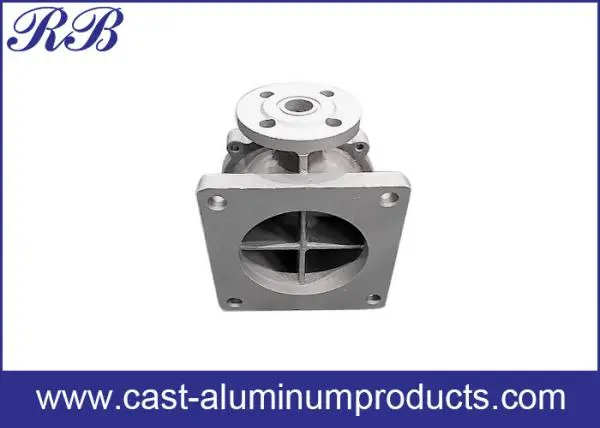
Casting valve body is a basic manufacturing procedure. It changes basic materials into precisely made parts that are needed to control the flow of fluids. These parts are quite important in many industrial uses, that's for sure. Choosing the right casting procedure is very important because it has a direct effect on how well the product works. It also has an effect on the expenses of making things and the time it takes to deliver them. At the moment, there are three main ways to cast contemporary valve bodies. First, sand casting lets you make a lot of different things in one run. Second, investment casting can handle complicated shapes that need very precise work. Third, die casting makes it possible to make a lot of things at once with the same level of dimensional accuracy. In the end, each method has its own benefits. These benefits are in line with the needs of the automobile, industrial machinery, and heavy-duty sectors.
Understanding Valve Body Casting: Basics and Materials
In essence, valve body casting is the most important part of fluid control systems. This is true in many fields. In these fields, parts that are made with precision must be able to handle very high pressures. They also have to work in hot and caustic places. This procedure of making things involves pouring hot metal into molds that have been meticulously made. This makes valve housings that control the flow of water. They also control the pressure and flow of different fluids. Some examples are water systems, hydraulic oils, and gasses.
Material Selection and Properties
The choice of casting material has a big effect on how well the product works. It also decides if something can be made. Aluminum alloy 356 is often used in fire pump couplings, for example. This material has a great balance of strength and weight. At the same time, it stays very resistant to rust. Cast iron, on the other hand, is quite strong and lasts a long time in heavy-duty situations. At the same time, steel alloys make things stronger when they are under a lot of pressure. No matter what you choose, these materials must meet strict requirements for their chemical makeup. They also need to meet standards for thermal stability and mechanical qualities.
Common Casting Defects and Prevention
To make things well, you need to know about common casting faults. It also means stopping problems that could damage the integrity of the parts. Porosity, for instance, happens when gasses get stuck when a solid is forming. This makes weak spots that could break under strain. Shrinkage faults happen when the material isn't fed properly during cooling. This causes errors in size. Fortunately, improved process controls do a good job of reducing these problems. These include making sure the gates are designed correctly, keeping the temperature stable, and following the right procedures for handling materials. This way, producers make sure that the quality is the same throughout all production batches.
Overview of Main Valve Body Casting Methods
Today, contemporary manufacturing uses three different ways to cast things. Each method is best for making certain things. They also meet the needs of different parts. So, procurement experts may make smart decisions if they grasp these processes. They can make sure that manufacturing decisions fit with business goals and budget limits.
Sand Casting Process and Applications
Specifically, sand casting utilizes reusable sand molds to create valve bodies. This allows for complex internal passages and external features. Notably, this method excels in flexibility. It accommodates design changes without significant tooling investments. The process begins with pattern creation. Next, sand mold preparation occurs. Then, metal pouring takes place. Finally, finishing operations follow, including shot blasting for surface preparation. Generally, sand casting supports medium production volumes. It does so while maintaining cost-effectiveness for components weighing between 1-5 kilograms.
Investment Casting Precision Manufacturing
In contrast, investment casting delivers exceptional surface finishes. Also known as lost-wax casting, it ensures dimensional accuracy essential for precision valve applications. This process creates ceramic molds around wax patterns. This enables intricate internal geometries impossible with other methods. Consequently, the technique proves particularly valuable for aerospace applications. It is also vital for automotive sectors requiring tight tolerances. Additionally, investment casting minimizes secondary machining requirements. It achieves superior metallurgical properties through controlled solidification.
Die Casting High-Volume Production
Alternatively, die casting employs reusable steel molds. This produces valve bodies with excellent dimensional consistency. It also ensures high surface quality. Ideally, this method supports high-volume manufacturing. Production capacities can reach 5,000 pieces or more per month. Thus, it is ideal for automotive and industrial equipment applications. Furthermore, the process delivers tight tolerances. It also provides smooth surfaces and excellent material utilization. Finally, it supports automated production systems that ensure consistent quality across large runs.
Comparative Analysis of Sand Casting, Investment Casting, and Die Casting for Valve Bodies
When choosing, selecting the optimal casting method requires careful evaluation. You must consider multiple factors including production volume. Quality requirements and cost constraints are also vital. Delivery schedules play a key role as well. Each process offers distinct advantages. These align with specific procurement scenarios and operational objectives.
Cost Structure and Economic Considerations
Economically, sand casting provides the lowest initial tooling investment. This makes it attractive for prototyping and low-volume production. Tooling costs remain minimal. Simultaneously, unit costs decrease with volume increases. On the other hand, investment casting requires moderate tooling investment. However, it delivers reduced machining costs through superior as-cast surfaces. Conversely, die casting demands significant upfront tooling investment. Yet, it achieves the lowest per-unit costs for high-volume production exceeding 1,000 pieces annually.
Quality and Precision Capabilities
Regarding precision, investment casting achieves the tightest tolerances. Typically, this is ±0.13mm. It also delivers exceptional surface finishes that minimize secondary operations. Similarly, die casting provides excellent dimensional consistency. It offers surface quality suitable for automotive applications requiring ISO/TS 16949 compliance. Meanwhile, sand casting offers adequate precision for most industrial applications. It supports larger component sizes and complex geometries that challenge other methods.
Lead Time and Production Scheduling
Sand casting offers the shortest lead times for initial production. Typically, this is 2-4 weeks from order placement to delivery. However, investment casting requires 4-6 weeks for tooling preparation. It also needs time for initial production but supports flexible scheduling later. Finally, die casting demands 6-8 weeks for tooling development. But, it enables rapid production cycles once established. This supports just-in-time delivery schedules essential for automotive supply chains.
How to Choose Reliable Valve Body Casting Suppliers?
Crucially, valve body casting supplier selection directly impacts product quality. It also affects delivery performance and long-term operational success. Therefore, comprehensive evaluation criteria are essential. This ensures partnership with capable manufacturers. Ideally, they meet evolving requirements while maintaining competitive costs. They must also provide reliable service.
Quality Certifications and Standards Compliance
Ideally, leading suppliers maintain multiple quality certifications. These include ISO 9001:2015 for quality management. Also, ISO 14001 for environmental stewardship is key. Furthermore, ISO 45001 for occupational health and safety is important. Specifically, automotive applications require additional certifications such as IATF 16949. Likewise, aerospace components demand AS9100 compliance. These certifications demonstrate commitment to systematic quality management. They also prove continuous improvement processes essential for consistent performance.
Production Capabilities and Capacity Assessment
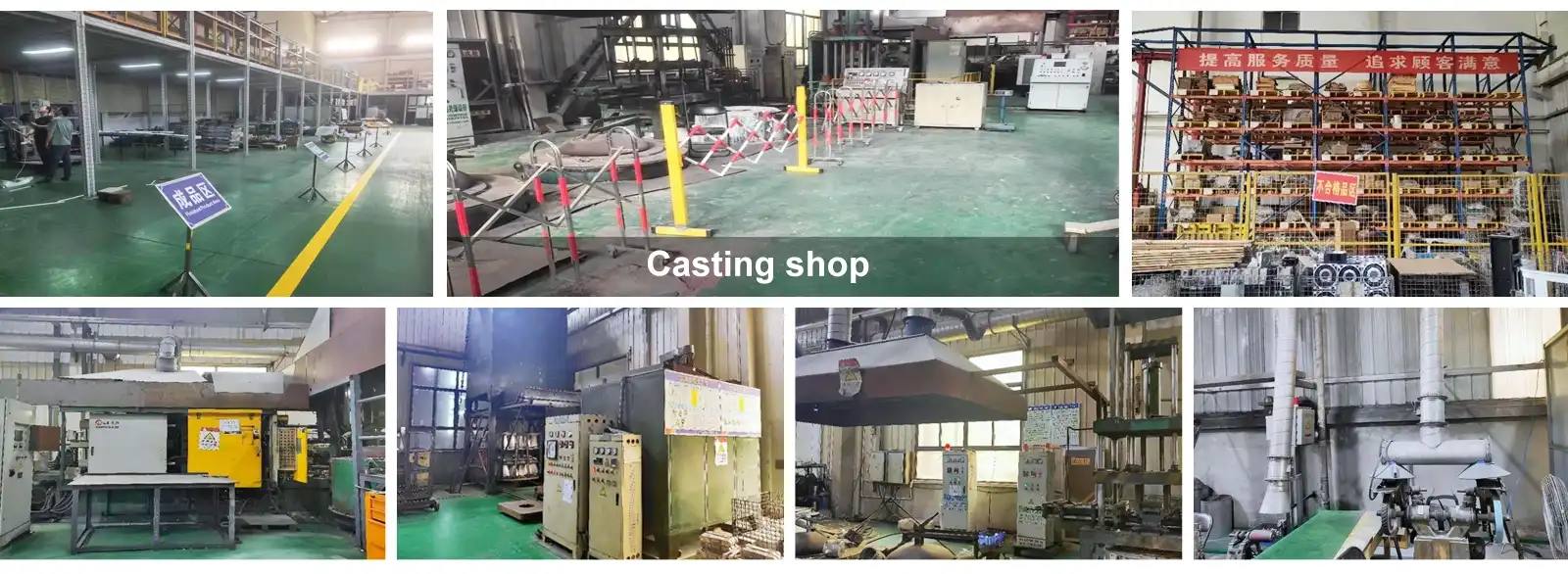
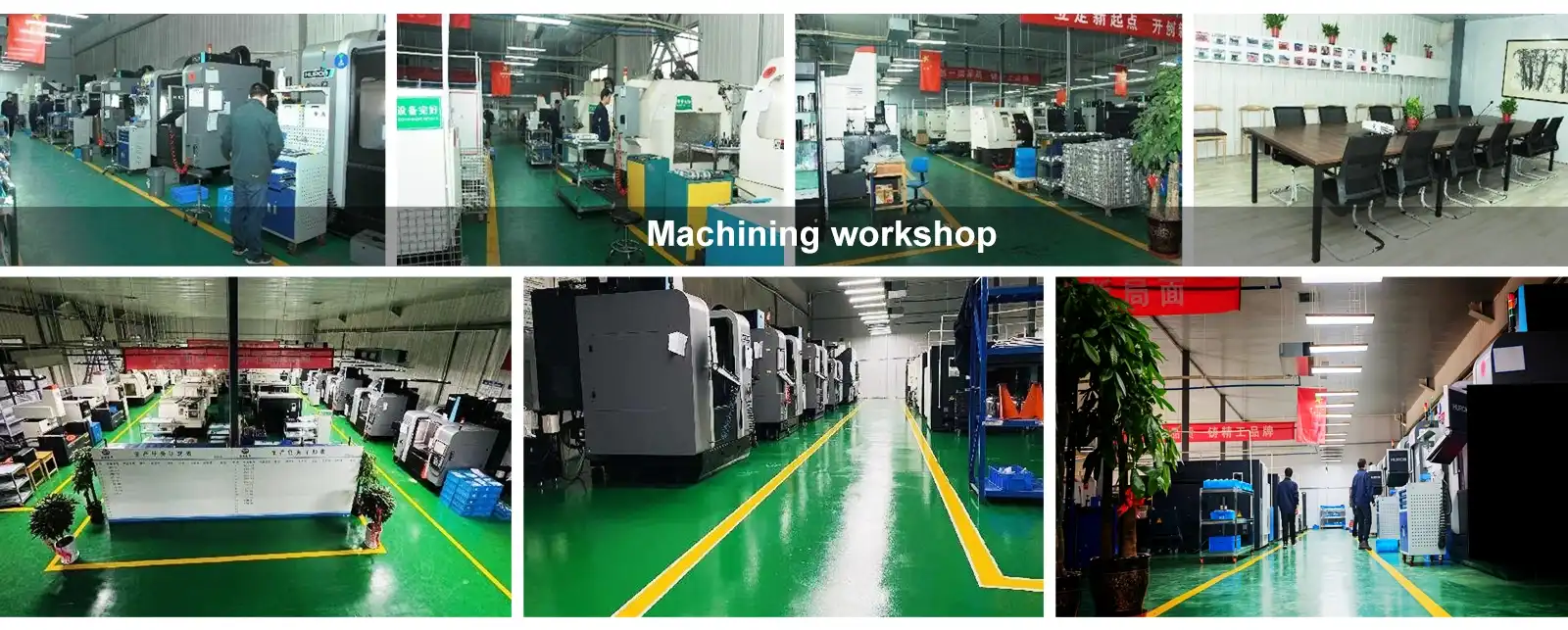
Moreover, comprehensive suppliers offer complete manufacturing solutions. These include casting, CNC machining, and surface treatments. Shot blasting is a common example. Additionally, production capacity evaluation should consider current utilization rates. It should also look at expansion capabilities. The ability to handle volume fluctuations is also key. Furthermore, suppliers supporting OEM and ODM services provide valuable design assistance. They do this while maintaining flexible production scheduling. This accommodates changing market demands effectively.
Geographic Considerations and Supply Chain Management
Globally, sourcing offers access to specialized capabilities. It also provides competitive costs. However, it requires careful evaluation of logistics. Communication and quality control systems must also be assessed. Notably, Xi'an, China has emerged as a significant manufacturing hub. It offers advanced casting capabilities. It also boasts a skilled workforce and competitive pricing. Effective suppliers provide transparent communication. They offer English-language support. Finally, they provide comprehensive documentation that facilitates smooth collaboration.
Conclusion
To summarize, valve body casting success depends on matching manufacturing methods with requirements. You must consider specific application needs, production volumes, and quality standards. Sand casting provides flexibility and cost-effectiveness for medium volumes. Investment casting delivers precision for complex geometries. Die casting enables high-volume production with excellent consistency. Ultimately, supplier selection requires evaluation of quality certifications. You must also assess production capabilities and global experience. This ensures long-term partnership success. By understanding these factors, procurement professionals make informed decisions. They optimize cost, quality, and delivery performance. This supports operational objectives across diverse industrial applications.
Partner with Rongbao Enterprise for Superior Valve Body Casting Solutions
Rongbao Enterprise stands ready to transform your valve body casting requirements. We turn them into precision-engineered solutions that exceed expectations. Our comprehensive manufacturing capabilities set us apart. Combined with international quality certifications, we deliver excellence. Plus, our 20-year industry expertise positions us as your ideal supplier. We handle projects ranging from prototyping to high-volume production. Contact steve.zhou@263.net and zhouyi@rongbaocasting.com today.
FAQ
Q1: Which Casting Method Offers the Best Cost-Performance Balance for Medium-Volume Production?
Generally, sand casting typically provides optimal cost-performance. This applies for production volumes between 100-1,000 pieces annually. This method minimizes tooling investment. At the same time, it delivers acceptable quality for most industrial applications. However, investment casting becomes attractive when precision requirements exceed sand casting capabilities. In contrast, die casting proves economical only for volumes exceeding 1,000 pieces due to higher tooling costs.
Q2: How Do Quality Standards Differ Between Automotive and Industrial Valve Applications?
Specifically, automotive valve bodies must comply with IATF 16949 standards. These require statistical process control. They also mandate failure mode analysis and comprehensive traceability systems. Conversely, industrial applications typically require ISO 9001 compliance. The focus here is on dimensional accuracy and pressure testing. Both applications demand rigorous material certification. They also require mechanical property validation. However, automotive standards impose additional documentation and quality planning requirements.
Q3: What Lead Times Should Procurement Teams Expect for Different Casting Methods?
Typically, sand casting delivers the shortest lead times at 2-4 weeks for initial production. This makes it suitable for urgent requirements. Investment casting requires 4-6 weeks for tooling and initial production. But, it supports rapid reorders. Finally, die casting demands 6-8 weeks for tooling development. However, it enables rapid production cycles once established. Usually, this means 2-3 weeks for repeat orders depending on volume.
References
- Campbell, John. "Complete Casting Handbook: Metal Casting Processes, Metallurgy, Techniques and Design." Butterworth-Heinemann, 2015.
- Brown, James R. "Foseco Ferrous Foundryman's Handbook." Butterworth-Heinemann, 2000.
- Clegg, Arthur J. "Precision Casting Processes." Pergamon Press, 1991.
- Datsko, Joseph. "Materials Selection for Design and Manufacturing." Marcel Dekker, 1997.
- Flemings, Merton C. "Solidification Processing." McGraw-Hill, 1974.
- Groover, Mikell P. "Fundamentals of Modern Manufacturing: Materials, Processes, and Systems." John Wiley & Sons, 2020.

Learn about our latest products and discounts through SMS or email