- English
- French
- German
- Portuguese
- Spanish
- Russian
- Japanese
- Korean
- Arabic
- Greek
- German
- Turkish
- Italian
- Danish
- Romanian
- Indonesian
- Czech
- Afrikaans
- Swedish
- Polish
- Basque
- Catalan
- Esperanto
- Hindi
- Lao
- Albanian
- Amharic
- Armenian
- Azerbaijani
- Belarusian
- Bengali
- Bosnian
- Bulgarian
- Cebuano
- Chichewa
- Corsican
- Croatian
- Dutch
- Estonian
- Filipino
- Finnish
- Frisian
- Galician
- Georgian
- Gujarati
- Haitian
- Hausa
- Hawaiian
- Hebrew
- Hmong
- Hungarian
- Icelandic
- Igbo
- Javanese
- Kannada
- Kazakh
- Khmer
- Kurdish
- Kyrgyz
- Latin
- Latvian
- Lithuanian
- Luxembou..
- Macedonian
- Malagasy
- Malay
- Malayalam
- Maltese
- Maori
- Marathi
- Mongolian
- Burmese
- Nepali
- Norwegian
- Pashto
- Persian
- Punjabi
- Serbian
- Sesotho
- Sinhala
- Slovak
- Slovenian
- Somali
- Samoan
- Scots Gaelic
- Shona
- Sindhi
- Sundanese
- Swahili
- Tajik
- Tamil
- Telugu
- Thai
- Ukrainian
- Urdu
- Uzbek
- Vietnamese
- Welsh
- Xhosa
- Yiddish
- Yoruba
- Zulu
Cast Elbow Pipe Installation Guidelines for Industrial Pipeline Projects
Installing cast elbow pipes correctly within industrial pipeline systems requires a comprehensive understanding of technical specifications. You also need proper handling procedures. Furthermore, adherence to industry standards is non-negotiable. Cast elbow pipe components serve as critical flow-directing elements. They are vital in complex piping networks across automotive sectors. Additionally, they are essential in construction machinery, energy, and general industrial applications. The success of any pipeline project depends heavily on selecting appropriate elbow configurations. It also relies on implementing precise installation techniques. Finally, maintaining long-term operational integrity through systematic quality control measures is essential.
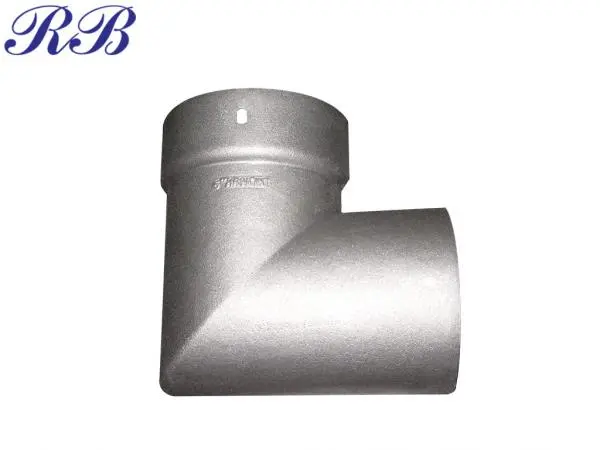
Understanding Cast Elbow Pipes in Industrial Pipelines
Cast elbow fittings represent fundamental components in modern industrial piping systems. They enable efficient flow redirection. Simultaneously, they maintain pressure integrity across diverse operational environments. These precision-engineered components facilitate smooth fluid or gas transitions. They guide media through predetermined angles. Consequently, this minimizes turbulence. It also reduces pressure losses that could otherwise compromise system performance.
Common Elbow Types and Angular Configurations
Industrial applications predominantly utilize 90-degree and 45-degree cast elbow configurations. Each type serves specific operational requirements. The 90-degree elbow provides sharp directional changes in tight spaces. Therefore, it is particularly valuable in equipment-dense environments. Automotive manufacturing facilities often rely on this design. Meanwhile, 45-degree elbows offer gentler flow transitions. As a result, they reduce pressure drops. They also lower energy consumption in long-distance pipeline installations. This is common in oil and gas operations.
Cast elbow pipes designed for water drop channel applications offer unique benefits. For instance, those manufactured with ZL101A aluminum alloy material demonstrate exceptional corrosion resistance. They also feature lightweight properties. These components typically weigh approximately 0.56kg. Despite their light weight, they maintain robust structural integrity. This is achieved through advanced sand casting manufacturing processes.
Material Selection and Performance Characteristics
Material selection directly impacts elbow performance. It also affects longevity and compatibility with specific industrial environments. ZL101A aluminum alloy offers superior corrosion resistance compared to traditional carbon steel alternatives. Thus, it is ideal for moisture-rich environments. It is also perfect for chemical processing applications. The material's excellent machinability allows for precise CNC machining operations. This ensures tight dimensional tolerances. Such precision is crucial for leak-proof installations.
Surface treatments provide further protection. Processes such as shot blasting enhance material properties significantly. They improve surface finish quality. Additionally, they remove casting impurities effectively. This process creates uniform surface textures. These textures facilitate better welding adhesion. They also improve paint application when required for specific environmental protection needs.
Dimensional Standards and Pressure Ratings
Industrial cast elbow pipes must comply with internationally recognized standards. These include ASME B16.9 and ISO 3419. These standards establish dimensional requirements. They also dictate pressure ratings for safe operation. However, custom specifications are also available. These enable manufacturers to address unique project requirements. At the same time, they maintain compliance with relevant safety protocols. Production capacities reaching 5000 pieces annually are significant. This ensures adequate supply availability for large-scale industrial projects. These projects often require consistent delivery schedules.
Pre-Installation Planning and Considerations
Successful cast elbow pipe integration demands thorough pre-installation planning. This phase must address project specifications. It must also consider environmental challenges and procurement logistics. Ultimately, this phase establishes the foundation for seamless installation execution. It also ensures long-term operational reliability.
Project Specification Evaluation
Comprehensive specification evaluation begins with a detailed analysis. You must analyze system pressure requirements and flow rates. Furthermore, you must consider environmental conditions. These factors will influence elbow selection. Water drop channel applications require specific attention. Engineers must focus on drainage characteristics. They must also check corrosion resistance properties. Additionally, engineers must evaluate thermal expansion coefficients. This is particularly important when connecting different materials within the same pipeline system.
The evaluation process includes reviewing existing pipeline infrastructure. This step ensures compatibility with new cast elbow pipe installations. Dimensional verification is also a key step. It prevents costly field modifications. It also avoids installation delays. Such delays could otherwise impact project timelines and budgets negatively.
Material Comparison and Selection Criteria
Cast elbow pipes offer distinct advantages compared to other options. They often outperform forged, welded, and seamless alternatives in specific applications. The sand casting manufacturing process enables complex geometries. Simultaneously, it maintains cost-effectiveness for medium to large production volumes. ZL101A material provides excellent strength-to-weight ratios. This reduces structural loading requirements. Consequently, it simplifies installation procedures.
Procurement teams should consider the total cost of ownership when evaluating material options. This includes the initial purchase price and installation complexity. It also includes expected maintenance requirements. Cast aluminum elbows typically offer lower lifecycle costs in corrosive environments. This is due to superior resistance to chemical attack. Also, they require reduced maintenance frequency.
Procurement Strategy and Supplier Qualification
Strategic procurement planning encompasses several factors. It includes lead time management and minimum order quantities. It also involves supplier capability assessment. Qualified suppliers maintain important certifications. These include ISO9001:2015 for quality management. They also hold ISO14001 for environmental management. Additionally, ISO45001 covers occupational health and safety standards. These certifications ensure consistent product quality. They also guarantee reliable delivery performance.
Packaging considerations are also vital. Wooden box transportation methods protect product integrity. This is crucial during shipping. Proper packaging reduces damage-related costs significantly. Furthermore, OEM and ODM customization capabilities are beneficial. They enable suppliers to address specific project requirements. They do this while maintaining standardized manufacturing processes.
Step-by-Step Installation Guidelines
Proper installation procedures ensure optimal performance. They also extend the longevity of cast elbow pipe systems. These guidelines address handling and positioning. They also cover joining and testing procedures. These steps are essential for professional-grade installations.
Pre-Installation Inspection and Preparation
Thorough inspection begins immediately upon delivery. The team must examine each cast elbow for dimensional accuracy. They check for surface defects and material compliance. Visual inspection identifies potential casting defects. These might include porosity or inclusions. Surface irregularities could also compromise performance. Therefore, dimensional verification is mandatory. Technicians use calibrated measuring equipment for this task. This confirms compliance with project specifications.
Preparation procedures include cleaning internal surfaces. This removes casting sand and oil residues. It also removes protective coatings that could contaminate system fluids. Furthermore, storage protocols are critical. They maintain product integrity. You must protect components from moisture exposure. You must also prevent mechanical damage until installation occurs.
Handling and Positioning Techniques
Proper handling techniques prevent damage to cast surfaces. They also maintain dimensional accuracy. This accuracy is critical for leak-free installations. Lifting procedures should distribute loads evenly. Do not concentrate forces on flanged or threaded connections. For 0.56kg cast elbow pipe units, manual handling is typically sufficient. However, workers must use appropriate personal protective equipment.
Positioning accuracy becomes critical during alignment operations. This is particularly true when connecting to existing pipeline infrastructure. Temporary support structures help here. They maintain component positioning during joining operations. This prevents stress concentration. Otherwise, stress could cause cracking or dimensional distortion.
Joining Methods and Quality Control
Welding procedures for cast aluminum components require specific techniques. Technicians must use filler materials compatible with ZL101A alloy chemistry. Preheating is often necessary. Inter-pass temperatures must be monitored. Post-weld cooling rates must follow established welding procedure specifications. Adhering to these rules maintains material properties. It also prevents cracking.
Quality control during installation includes visual inspection. Inspectors check completed joints carefully. They also verify the dimensional alignment of the assembly. Preliminary pressure testing is the final step before full commissioning. Documentation of installation procedures is vital. Recording quality control results provides traceability. This is useful for future maintenance and warranty considerations.

Ensuring Long-Term Performance and Maintenance
Post-installation performance optimization requires systematic maintenance protocols. It also demands performance monitoring. These actions maximize operational efficiency. They also improve component longevity.
Performance Monitoring and Efficiency Optimization
Proper installation directly impacts system flow dynamics. It also influences energy consumption patterns. Well-aligned cast elbow pipe installations minimize turbulence. They also reduce pressure losses. This reduces pumping energy requirements. Consequently, it lowers operational costs. Regular performance monitoring identifies gradual efficiency degradation. This degradation may indicate developing maintenance needs.
Flow measurement provides valuable data. Pressure monitoring at strategic locations also helps. These tools provide quantitative performance data for trending analysis. Engineers establish baseline measurements during initial commissioning. These serve as reference points. They allow for evaluating long-term performance trends. They also help in scheduling preventive maintenance activities.
Inspection Protocols and Maintenance Scheduling
Routine inspection protocols focus on early detection. Inspectors look for wear patterns or corrosion initiation. They also check for structural stress indicators. Any of these could compromise system integrity. Visual inspections examine external surfaces. They check for corrosion or coating degradation. Mechanical damage is also a key concern. Internal inspections use appropriate non-destructive testing methods. These evaluate wall thickness. They also detect subsurface defects.
Maintenance scheduling should align with facility shutdown periods. It should also match production schedules. This strategy minimizes operational disruptions. Preventive maintenance activities include surface cleaning. Coating renewal is another important task. Finally, gasket replacement is necessary before degradation affects system performance.
Upgrade and Replacement Planning
Certain indicators signal the need for component evaluation. These include increased pressure losses or visible leakage. Recurring maintenance requirements are also a warning sign. These issues may indicate a need for replacement. Replacement planning considers technological improvements. It also looks at capacity modifications. Regulatory changes may also affect system requirements.
Strategic replacement timing minimizes unplanned downtime. It also maximizes component utilization throughout its operational lifecycle. Coordination with other maintenance activities reduces overall system disruption. Furthermore, it optimizes maintenance resource allocation.
Company Introduction and Product & Service Information
Rongbao Enterprise stands as a leading manufacturer. We specialize in precision cast elbow pipe products. We also provide comprehensive piping solutions for global industrial markets. Our expertise encompasses advanced sand casting technologies. We also offer precision CNC machining capabilities. Additionally, our comprehensive quality assurance programs meet the most demanding industrial applications.
Manufacturing Capabilities and Technical Expertise
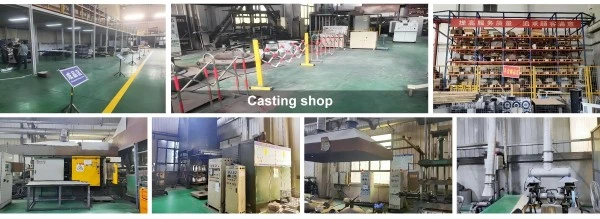
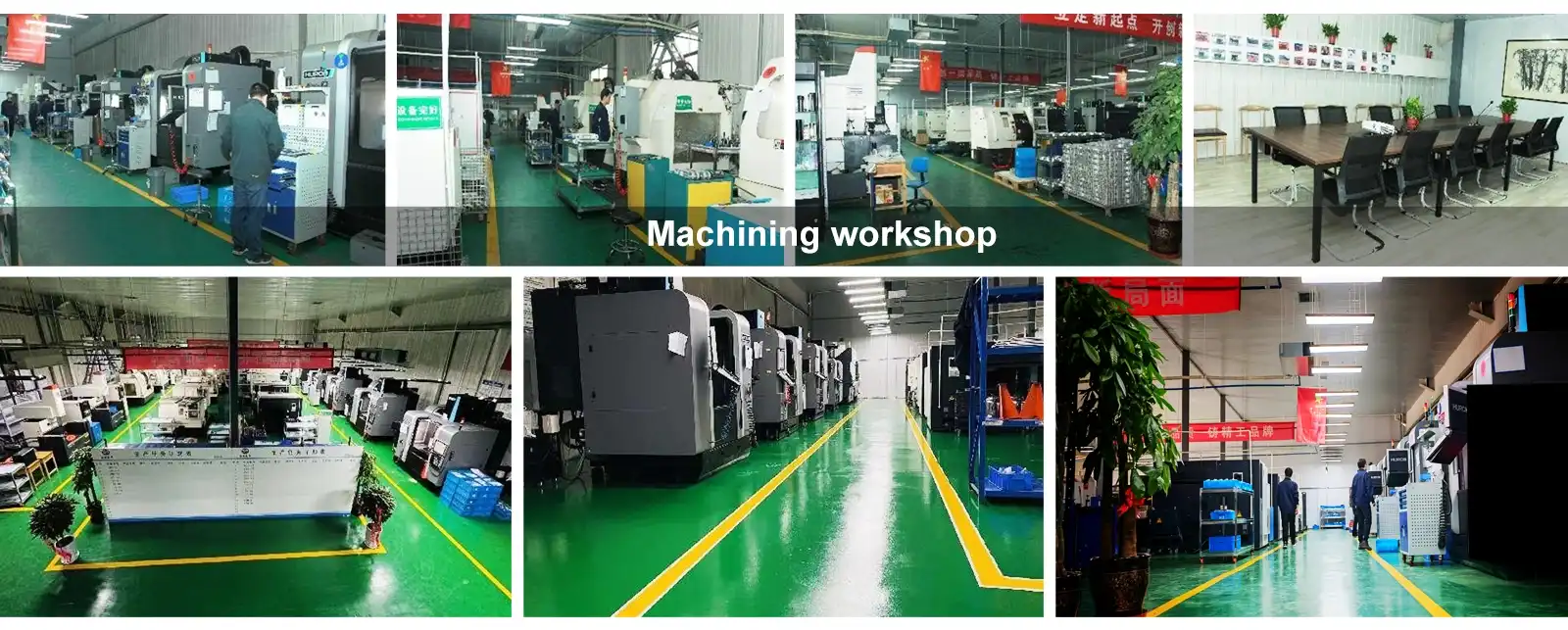
Our manufacturing operations integrate full-process capabilities. We utilize high-pressure die casting and low-pressure die casting. We also employ gravity casting and precision machining technologies. This comprehensive approach enables multi-material compatibility. It also allows for customized production solutions. These are tailored to specific project requirements. Value-added services include mold development. We also offer surface treatment operations. This provides complete "design-to-finished-product" manufacturing solutions.
Production facilities feature state-of-the-art automated equipment. This covers casting, machining, and testing processes. As a result, we achieve exceptional production efficiency. We also achieve superior dimensional precision. Standardized large-scale workshops support our output. We have batch production capacities up to 5000 pieces annually. This enables reliable delivery schedules for large-volume orders. We also guarantee predictable lead times.
Quality Assurance and International Compliance
Our quality management system maintains triple certification. We hold ISO9001:2015, ISO14001, and ISO45001. This ensures standardized operations. It also ensures compliance with global regulatory requirements. Full-chain quality control procedures are in place. We conduct comprehensive inspections from raw material receipt. This continues through to finished product delivery. Thus, we guarantee products meet international quality standards.
Quality control protocols include incoming material verification. In-process monitoring is also standard. Finally, we conduct final product testing using calibrated measurement equipment. Documentation systems provide complete traceability. This applies to all manufacturing operations. It supports customer quality requirements. It also fulfills regulatory compliance obligations.
Global Market Presence and Partnership Approach
International market operations export 70% of our production. We serve mainstream markets including Europe, America, and Japan. This demonstrates consistent quality recognition. It also establishes stable global partner relationships. We have twenty years of industry experience. This includes multiple production capacity upgrades. Facility expansions also reflect our stable development. This shows our strong operational resilience.
Our partnership philosophy emphasizes core values. We focus on "sincerity, precision, innovation, and efficiency." We focus on mutually beneficial relationships. We use open and sustainable cooperation approaches. We provide integrated component solutions for equipment manufacturers. We address comprehensive procurement needs. This goes beyond single-component supply relationships.
Conclusion
Successful cast elbow pipe installation requires a comprehensive understanding of material properties. It also requires proper planning procedures. Adherence to established installation protocols is vital. The combination of appropriate material selection creates success. Precise manufacturing processes are also key. Finally, systematic quality control ensures reliable performance throughout the operational lifecycle. Partnering with qualified suppliers is the foundation. Suppliers who maintain international certifications provide security. Those with proven track records ensure successful pipeline projects across diverse industrial applications.
Partner with Rongbao Enterprise for Superior Cast Elbow Pipe Solutions
Rongbao Enterprise delivers premium cast elbow pipe solutions. These are engineered specifically for demanding industrial pipeline applications. Our comprehensive manufacturing capabilities set us apart. Our international quality certifications give you peace of mind. Furthermore, our proven track record serving global markets positions us as your trusted supplier. With 20 years of industry experience, we are ready. Our production capacity reaches 5000 pieces annually. We provide reliable delivery schedules. We also ensure consistent quality for your critical projects. Contact our technical specialists at steve.zhou@263.net and zhouyi@rongbaocasting.com. We are ready to discuss your specific requirements. Discover how our customized solutions can optimize your pipeline performance.
FAQs
How do I select cast elbow pipes for high-pressure applications?
High-pressure applications require careful evaluation. You must consider material properties and wall thickness. Connection design is also critical. ZL101A aluminum alloy cast elbow pipes provide excellent pressure resistance. However, they must be properly designed. They must also be manufactured according to applicable pressure vessel codes. Consult with engineering specialists. They can verify pressure ratings. They will also check safety factors appropriate for your specific operating conditions.
What advantages do cast elbows offer compared to forged or welded alternatives?
Cast elbow pipes enable complex geometries. They also allow for internal flow optimization. This may be difficult or expensive with forging or welding processes. Sand casting manufacturing provides cost-effective production. This is especially true for medium to large quantities. It also maintains dimensional consistency. Furthermore, material properties of properly heat-treated castings are superior. They often match or exceed those of forged components in many applications.
What are typical lead times and minimum order quantities for custom cast elbows?
Standard lead times range from 4 to 8 weeks. This depends on specifications and quantity requirements. Minimum order quantities vary based on complexity. Customization requirements also play a role. Typically, orders start at 100 pieces for standard configurations. However, custom specifications may require higher minimum quantities. This helps justify tooling development costs. Contact our sales team for specific project quotations. We can also provide detailed delivery schedules.
References
- American Society of Mechanical Engineers. "Pipeline Transportation Systems for Liquids and Slurries." ASME B31.4 Standard for Liquid Transportation Systems, 2019 Edition.
- International Organization for Standardization. "Steel Pipe Fittings - Socket-welding and Threaded." ISO 3419:2019 Technical Specifications and Testing Requirements.
- Materials Engineering Institute. "Aluminum Alloy Applications in Industrial Pipeline Systems." Journal of Materials Science and Engineering, Volume 47, Issue 3, 2023.
- Pipeline Engineering Association. "Installation Best Practices for Cast Metal Fittings in High-Pressure Systems." Professional Engineering Guidelines, Second Edition, 2022.
- Industrial Maintenance Research Council. "Lifecycle Cost Analysis of Pipeline Components in Corrosive Environments." Maintenance Engineering Quarterly, Spring 2023 Issue.
- National Pipeline Safety Board. "Quality Assurance Requirements for Industrial Pipeline Component Manufacturing." Safety Bulletin 2023-1, Pipeline Component Standards.
Learn about our latest products and discounts through SMS or email