- English
- French
- German
- Portuguese
- Spanish
- Russian
- Japanese
- Korean
- Arabic
- Greek
- German
- Turkish
- Italian
- Danish
- Romanian
- Indonesian
- Czech
- Afrikaans
- Swedish
- Polish
- Basque
- Catalan
- Esperanto
- Hindi
- Lao
- Albanian
- Amharic
- Armenian
- Azerbaijani
- Belarusian
- Bengali
- Bosnian
- Bulgarian
- Cebuano
- Chichewa
- Corsican
- Croatian
- Dutch
- Estonian
- Filipino
- Finnish
- Frisian
- Galician
- Georgian
- Gujarati
- Haitian
- Hausa
- Hawaiian
- Hebrew
- Hmong
- Hungarian
- Icelandic
- Igbo
- Javanese
- Kannada
- Kazakh
- Khmer
- Kurdish
- Kyrgyz
- Latin
- Latvian
- Lithuanian
- Luxembou..
- Macedonian
- Malagasy
- Malay
- Malayalam
- Maltese
- Maori
- Marathi
- Mongolian
- Burmese
- Nepali
- Norwegian
- Pashto
- Persian
- Punjabi
- Serbian
- Sesotho
- Sinhala
- Slovak
- Slovenian
- Somali
- Samoan
- Scots Gaelic
- Shona
- Sindhi
- Sundanese
- Swahili
- Tajik
- Tamil
- Telugu
- Thai
- Ukrainian
- Urdu
- Uzbek
- Vietnamese
- Welsh
- Xhosa
- Yiddish
- Yoruba
- Zulu
Understanding Gravity Casting Parts: Materials, Processes, and Specs
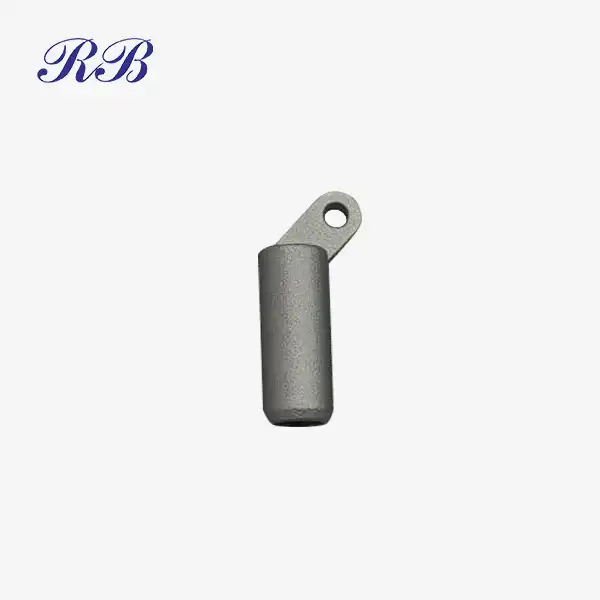
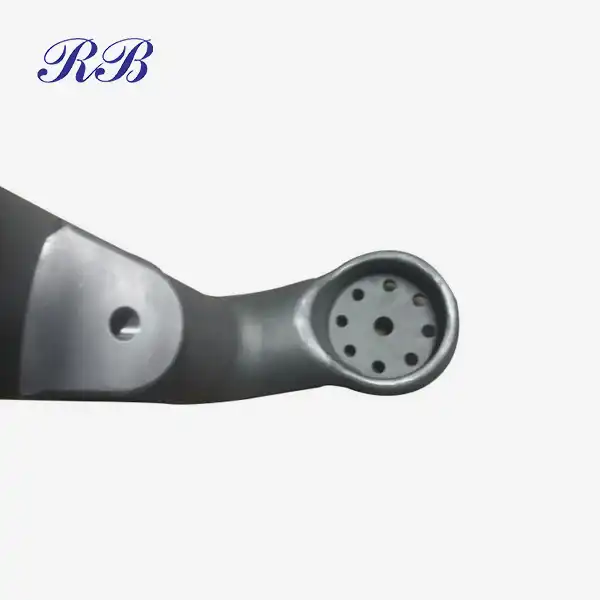
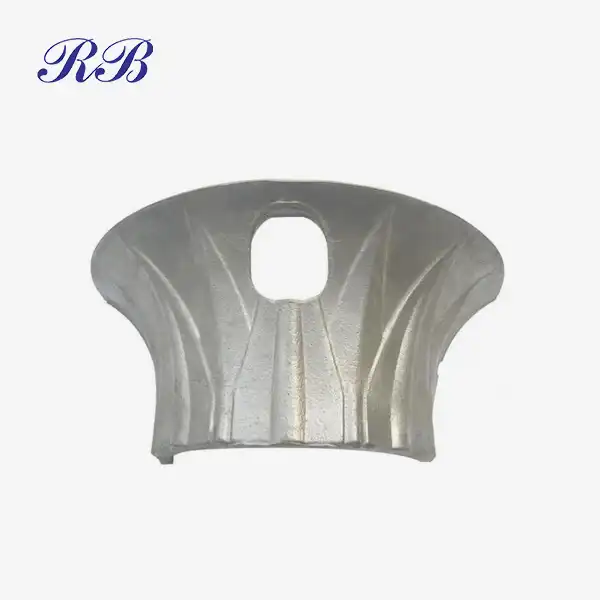
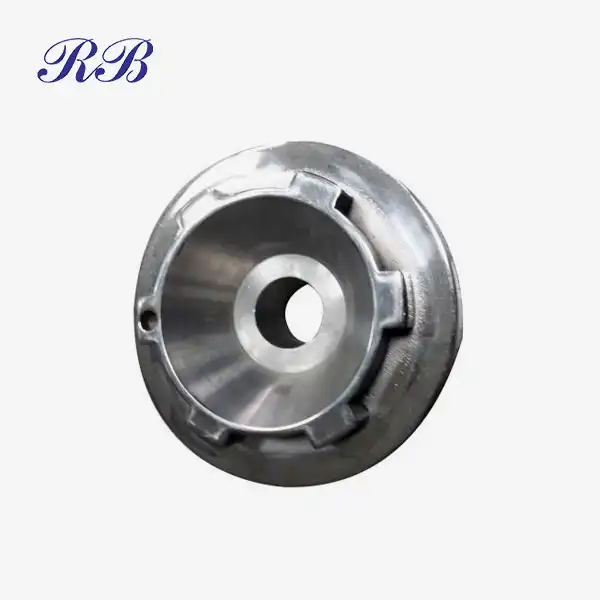
If you work in power transmission equipment manufacturing or industrial procurement, understanding gravity casting parts is genuinely useful. These components are produced by pouring molten metal into a permanent mold, letting gravity alone drive the fill — no external pressure involved. The result is a dense, dimensionally accurate part with reliable mechanical properties. From high-voltage conductor fittings to flanges and structural connectors, gravity casting parts serve critical roles where material integrity and dimensional precision are non-negotiable.
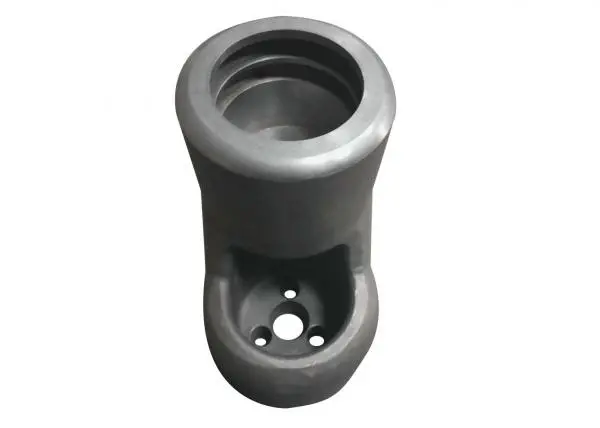
Understanding Gravity Casting Parts and Core Differences
What Makes Gravity Casting Different From Other Casting Methods
Gravity casting, often referred to as permanent mould casting, utilizes reusable metal dies and pure gravitational force to complete mold filling, distinguishing it fundamentally from pressure-driven casting processes. Unlike high-pressure die casting that relies on forced injection, this pressure-free filling mode effectively reduces internal porosity and delivers a finer, more uniform microstructure. Compared with disposable sand molds, permanent metal dies deliver smoother surface finishes and tighter dimensional consistency, typically controlling tolerances within 0.3 mm. This unique processing advantage makes gravity casting parts highly suitable for precision industrial component production that requires stable mechanical performance and accurate dimensions.
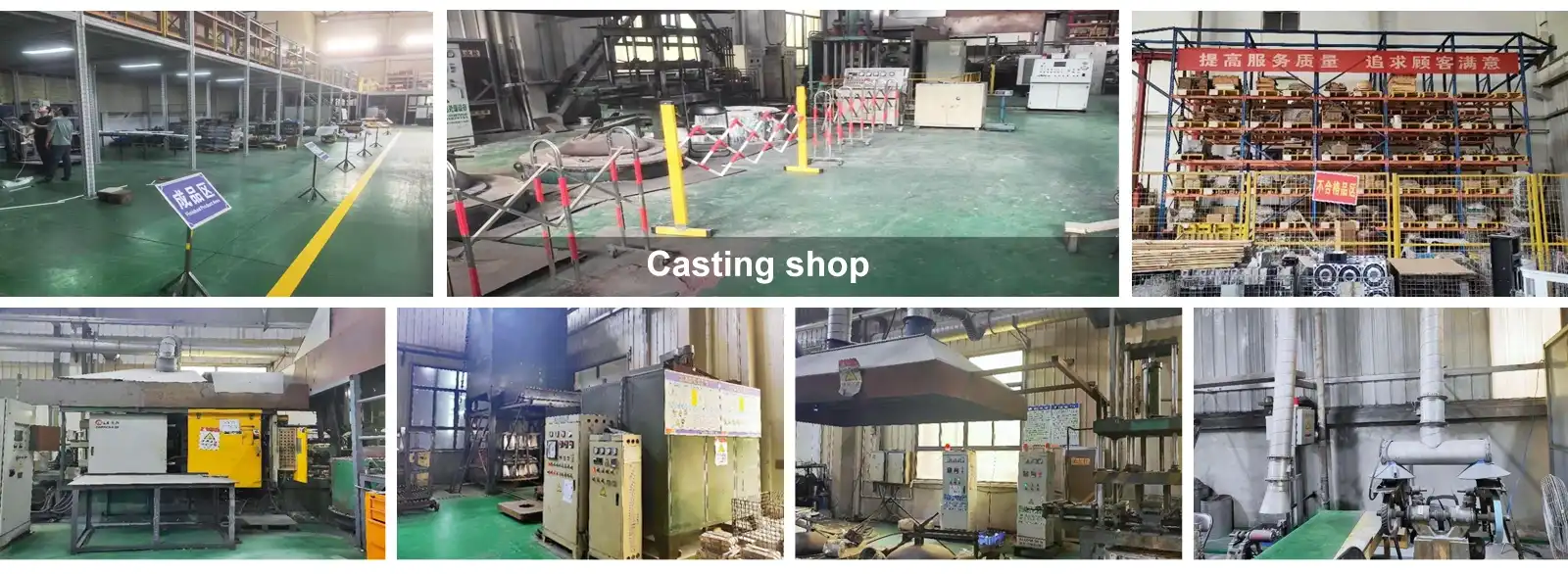
Core Materials for Gravity Casting Parts and Functional Properties
Common Alloy Materials and Application Advantages
Material selection determines the mechanical performance, conductivity, corrosion resistance and service scenarios of finished gravity casting parts. Industrial gravity casting processes mainly adopt four high-performance alloy materials, each with targeted application advantages to match different industrial component requirements:
-
A356 Aluminum Alloy: Features outstanding molten fluidity and excellent post-solidification structural strength. After professional T6 heat treatment, it achieves stable tensile strength and toughness. With balanced electrical conductivity and corrosion resistance, it is the preferred material for high-voltage transmission conductor fittings and structural connectors, perfectly adapting to long-term outdoor and high-load working environments.
-
Copper Alloy: Reserved for scenarios requiring ultra-high electrical conductivity beyond aluminum alloy performance limits. Although higher material density increases component weight, its superior conductive stability makes it irreplaceable for special power transmission and precision electrical connection components.
-
Zinc Alloy: Boasts excellent fluidity and fine detail reproduction capability, ideal for manufacturing small-scale, intricate structural components with strict surface finish requirements.
-
Magnesium Alloy: Possesses the lowest density among mainstream structural casting metals, effectively reducing equipment overall weight. It is widely used in lightweight aerospace parts and portable industrial equipment enclosures that pursue both strength and portability.
Gravity Casting Manufacturing Processes and Technical Specifications
Standard Step-by-Step Process Flow
Stable process control is the core guarantee for high-quality gravity casting parts. Different alloys have distinct melting and solidification characteristics, requiring mature production experience to match material properties with part structure and service conditions. The standardized industrial production flow is strictly implemented as follows:
First, preheat the reusable permanent metal mold to a constant temperature of 200–300°C to eliminate thermal shock, stabilize subsequent molten metal filling and solidification, and avoid surface cracks and internal defects. Next, melt A356 aluminum alloy and control the pouring temperature stably at 720–750°C. The molten metal slowly fills the mold cavity entirely by gravity without turbulent flow, effectively preventing gas entrapment and porosity defects common in pressure casting.
Precise cooling rate control is conducted after mold filling. Directional solidification technology eliminates shrinkage cavities and loose structures, refines internal grain organization, and significantly improves the tensile strength and structural compactness of components. After complete solidification, qualified blanks are demolded and sent to professional inspection procedures for initial quality screening.
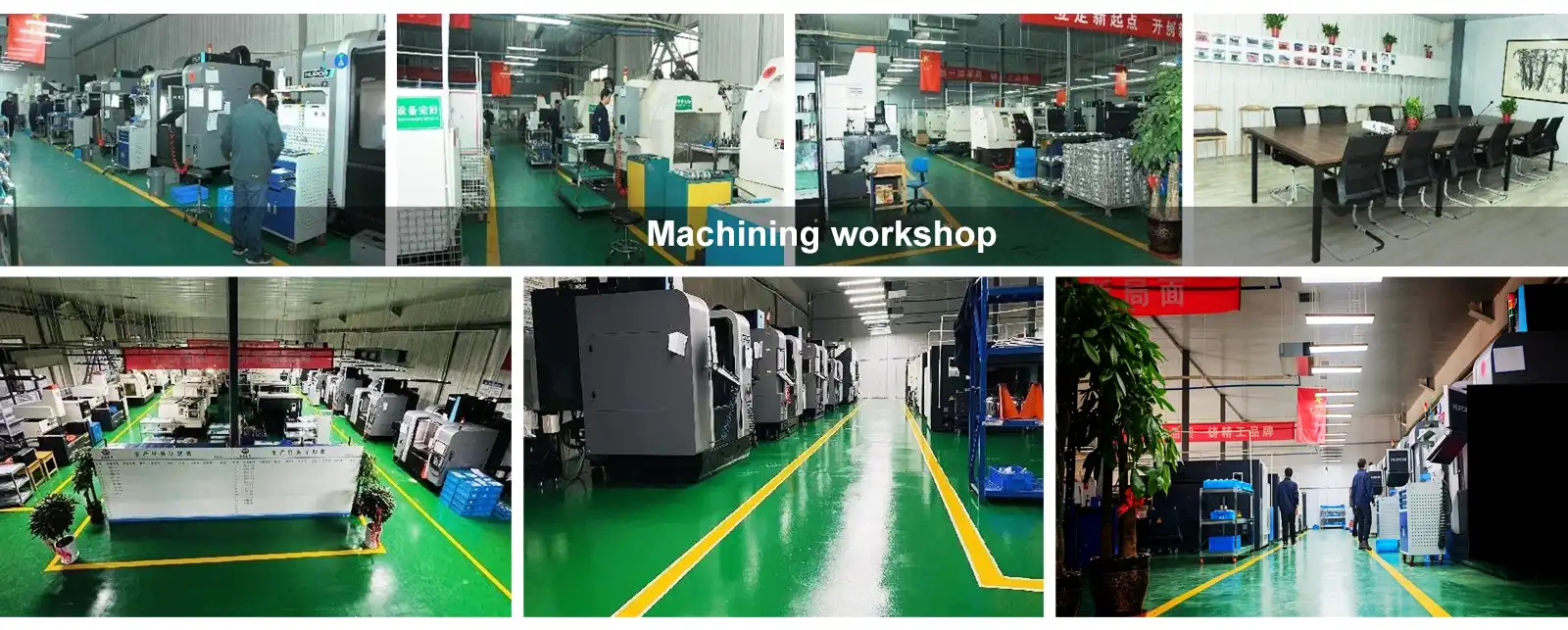
Post-Casting Operations and Quality Compliance Standards
To meet the high-precision assembly requirements of power transmission equipment, all gravity casting parts undergo standardized post-processing. CNC precision machining calibrates key dimensional tolerances to fully match the assembly standards of high-voltage equipment production lines. Shot blasting removes surface oxide layers and casting burrs, creating a smooth and clean surface that enhances coating adhesion and long-term rust resistance.
Our factory holds ISO 9001:2015, ISO 14001, and ISO 45001 triple system certifications, covering full-process quality management, environmental protection production and occupational safety management. From raw material incoming inspection to finished product delivery, every batch of gravity casting parts supports complete quality traceability. Finished products adopt professional wooden box packaging to avoid collision and damage during cross-border transportation, ensuring intact delivery for overseas orders.
Process Comparison and Selection Basis
Gravity Casting vs. Other Mainstream Casting Processes
Each casting process has its own applicable scenarios, and targeted selection based on production volume, part structure and performance requirements can optimize cost and quality balance. For medium-batch power transmission component production, gravity casting parts show unique comprehensive advantages.
Compared with forging parts, gravity casting realizes complex integrated structural molding at lower medium-batch production costs without multiple splicing processes. After standard T6 heat treatment, its structural strength fully meets the load-bearing requirements of power transmission equipment, achieving cost-performance optimization. Different from high-pressure die casting’s fast turbulent filling that easily causes gas porosity, gravity casting’s slow and stable filling produces denser internal structures, making it more suitable for high-voltage and long-term load-bearing components with strict safety standards.
Industrial Procurement Evaluation Criteria for Gravity Casting Parts
Core Supplier Qualification Assessment Indicators
The stability of supplier capacity directly determines the quality consistency and delivery efficiency of customized gravity casting parts. Professional procurement teams need to focus on the following core capabilities when screening manufacturers:
-
Alloy purity control capability: Metal impurity content directly affects the electrical conductivity and structural stability of power components. Qualified suppliers must provide spectrometric analysis reports for each melting batch to ensure alloy composition compliance.
-
Large-scale component processing capacity: Power transmission equipment includes dozens of kilograms of heavy-duty structural parts. Excellent manufacturers have complete furnace equipment and mature mold design experience to stably produce large-size gravity casting parts.
-
Complete certification compliance: ISO 9001:2015 quality management certification is the basic threshold. Suppliers serving international markets must simultaneously hold ISO 14001 environmental certification and ISO 45001 safety certification to meet global industrial compliance standards.
-
Integrated processing capability: One-stop services including casting molding, CNC machining and surface treatment avoid tolerance accumulation caused by multi-supplier handover, shorten production lead time, and ensure consistent part accuracy.
Professional Design Optimization Tips
Reasonable structural design can effectively improve the yield and service performance of gravity casting parts. Setting a 1–3° draft angle on vertical surfaces ensures smooth demolding without tearing the mold or causing component deformation. For parts with complex internal hollow structures, the hybrid process of adding sand cores inside permanent molds can realize special-shaped structure molding while maintaining high dimensional accuracy, breaking through the structural limitations of single gravity casting process.
Factory Production Strength and Customization Capabilities
Our Core Production Specifications and Services
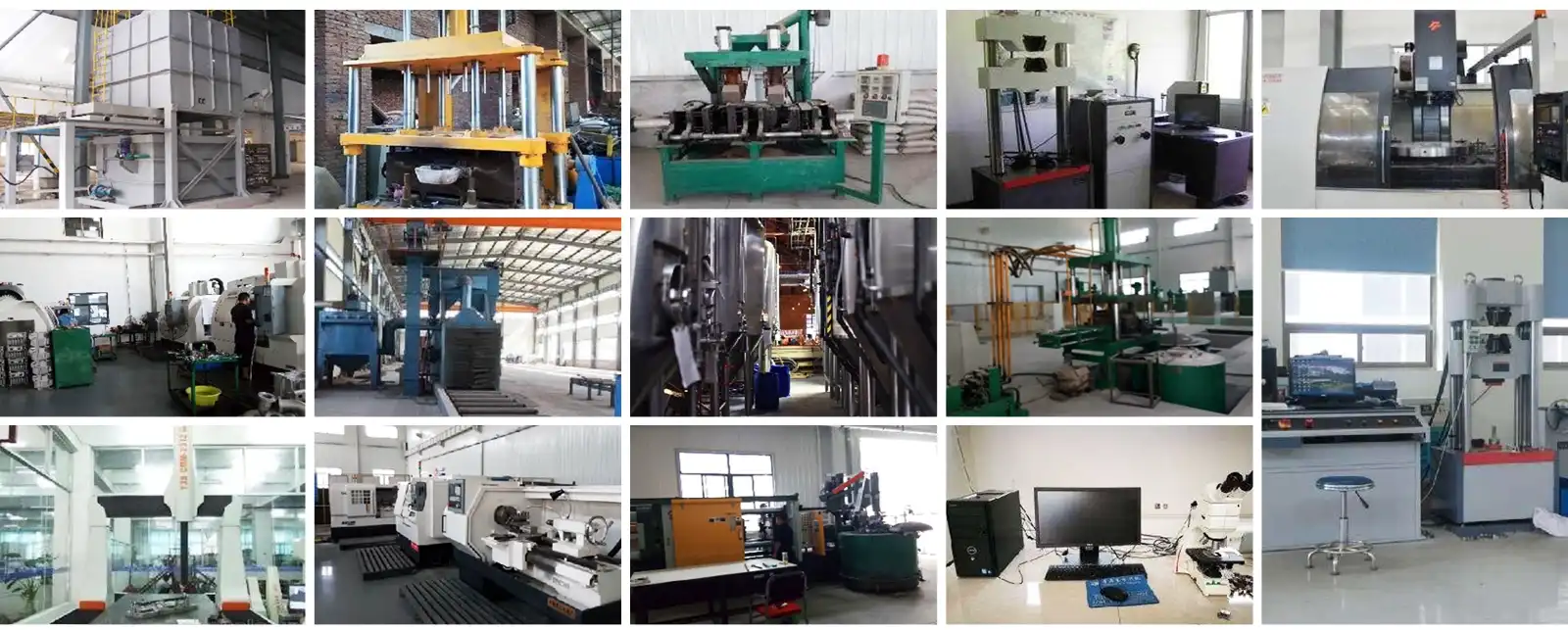
Rongbao Enterprise’s Xi’an gravity casting production line has a single-batch production capacity of 5,000 pieces, fully supporting customized production of gravity casting parts according to customer engineering drawings and technical specifications. We provide full-cycle OEM/ODM services including independent mold development, casting molding, precision processing and surface finishing.
Equipped with standardized wooden box packaging and mature cross-border logistics solutions, our products adapt to sea and air transportation, effectively avoiding product damage during long-distance transit and ensuring stable and reliable global supply services.
Conclusion
Gravity casting parts have become the core preferred components in power transmission and industrial equipment manufacturing by virtue of dense internal structure, accurate dimensions, stable performance and excellent medium-batch cost performance. Reasonable material selection, standardized process control and professional post-processing determine the final quality of castings. For industrial procurement and equipment manufacturing enterprises, selecting qualified suppliers with complete certifications, integrated processing capabilities and rich customization experience can effectively guarantee product safety, stability and market compliance.
FAQ
What alloy is best for gravity-cast electrical conductor fittings?
A356 aluminum alloy is the industry-standard material for electrical conductor gravity casting parts. Its unique silicon element composition optimizes casting formability, while ultra-low iron impurity content ensures stable electrical conductivity. After T6 heat treatment, its tensile strength reaches 262 MPa, providing reliable structural support for mechanical load-bearing power connection components.
How does gravity casting compare to die casting for power transmission parts?
High-pressure die casting adopts rapid high-pressure injection, which easily entraps gas and forms internal porosity, making it unable to meet the high safety standards of high-voltage load-bearing equipment. In contrast, gravity casting relies on natural slow filling to produce uniform, dense components. For medium-batch production of 1–10 kg industrial parts, gravity casting parts maintain the best performance-to-cost ratio, with higher structural stability and safety than die-cast parts.
What are typical lead times for custom gravity cast aluminum parts?
For customized products requiring new mold development, the overall lead time from mold opening, sample confirmation to batch production is 6–8 weeks. For mature products with existing molds, repeat order delivery can be completed within a short cycle, realizing efficient supplementary supply.
Can gravity casting handle large components?
Yes. Professional gravity casting production lines support customized production of large-scale industrial components weighing dozens of kilograms. With mature mold design, temperature control and solidification process technology, it can ensure the overall structural compactness and dimensional consistency of large-size gravity casting parts, meeting the production needs of heavy-duty power transmission equipment.
Partner With Rongbao Enterprise for Reliable Gravity Casting Parts
If you are looking for high-precision, stable-performance and cost-effective customized gravity casting parts for power transmission and industrial equipment, Rongbao Enterprise is your trustworthy long-term OEM/ODM partner. We rely on standardized gravity casting processes, complete post-processing equipment and triple international certifications to provide one-stop customized solutions, stable batch supply and fast after-sales technical support.
Feel free to contact us for customized drawings evaluation and free quotation! Email:steve.zhou@263.net & zhouyi@rongbaocasting.com
References
ASM International. (2019). Aluminum and Aluminum Alloys. ASM International Handbook Committee.
Campbell, J. (2015). Complete Casting Handbook: Metal Casting Processes, Metallurgy, Techniques and Design (2nd ed.). Butterworth-Heinemann.
ISO. (2015). ISO 9001:2015 Quality Management Systems — Requirements. International Organization for Standardization.
ISO. (2015). ISO 14001:2015 Environmental Management Systems — Requirements. International Organization for Standardization.
ISO. (2018). ISO 45001:2018 Occupational Health and Safety Management Systems. International Organization for Standardization.
MAGMA Foundry Technologies. (2022). MAGMASOFT Casting Process Simulation. MAGMA GmbH.
Learn about our latest products and discounts through SMS or email