- English
- French
- German
- Portuguese
- Spanish
- Russian
- Japanese
- Korean
- Arabic
- Greek
- German
- Turkish
- Italian
- Danish
- Romanian
- Indonesian
- Czech
- Afrikaans
- Swedish
- Polish
- Basque
- Catalan
- Esperanto
- Hindi
- Lao
- Albanian
- Amharic
- Armenian
- Azerbaijani
- Belarusian
- Bengali
- Bosnian
- Bulgarian
- Cebuano
- Chichewa
- Corsican
- Croatian
- Dutch
- Estonian
- Filipino
- Finnish
- Frisian
- Galician
- Georgian
- Gujarati
- Haitian
- Hausa
- Hawaiian
- Hebrew
- Hmong
- Hungarian
- Icelandic
- Igbo
- Javanese
- Kannada
- Kazakh
- Khmer
- Kurdish
- Kyrgyz
- Latin
- Latvian
- Lithuanian
- Luxembou..
- Macedonian
- Malagasy
- Malay
- Malayalam
- Maltese
- Maori
- Marathi
- Mongolian
- Burmese
- Nepali
- Norwegian
- Pashto
- Persian
- Punjabi
- Serbian
- Sesotho
- Sinhala
- Slovak
- Slovenian
- Somali
- Samoan
- Scots Gaelic
- Shona
- Sindhi
- Sundanese
- Swahili
- Tajik
- Tamil
- Telugu
- Thai
- Ukrainian
- Urdu
- Uzbek
- Vietnamese
- Welsh
- Xhosa
- Yiddish
- Yoruba
- Zulu
Prototype Aluminum Casting VS Stainless
When engineers and procurement managers evaluate materials for precision structural components, the choice between prototype aluminum casting and stainless steel casting determines core project indicators, including production lead time, unit manufacturing cost, machining efficiency and assembly accuracy. For design verification and small-batch prototyping projects, aluminum alloy prototyping delivers lightweight, high-precision structural parts via controlled low-pressure casting and standardized mold processing. In contrast, stainless steel casting provides superior tensile strength and chemical corrosion resistance for extreme working conditions. A clear comparison of the two processes’ strengths and limitations helps teams avoid budget waste and schedule delays caused by inappropriate material selection in the early tooling stage.
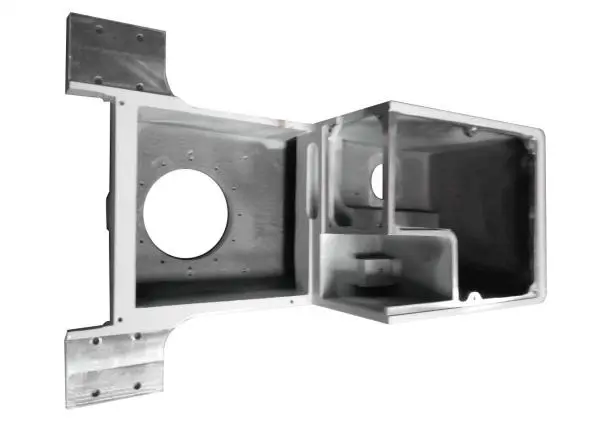
Understanding Two Mainstream Prototyping Casting Processes
Low-pressure aluminum casting adopts a stable pressure control system (0.3–1.5 bar gas pressure) to push molten alloy upward into sealed mold cavities through a riser tube. This bottom-up filling method effectively reduces liquid turbulence and trapped gas, producing dense parts with extremely low porosity. The industry-preferred A356 aluminum alloy achieves a yield strength of 230 MPa after T6 heat treatment, reaching the structural strength of many steel materials while only retaining one-third of steel’s weight — an ideal characteristic for lightweight robot structural prototypes.
Stainless steel casting mainly relies on investment casting and sand casting processes. The alloy needs to be melted at an ultra-high temperature above 1400 °C, with a finished density of nearly 7.9 g/cm³, far higher than the 2.7 g/cm³ of aluminum alloy. Conventional stainless steel castings have a tensile strength of over 500 MPa, showing outstanding load-bearing potential. Although both processes support prototype development, their melting conditions, molding mechanisms and post-processing standards are completely different, leading to huge differences in final application performance.
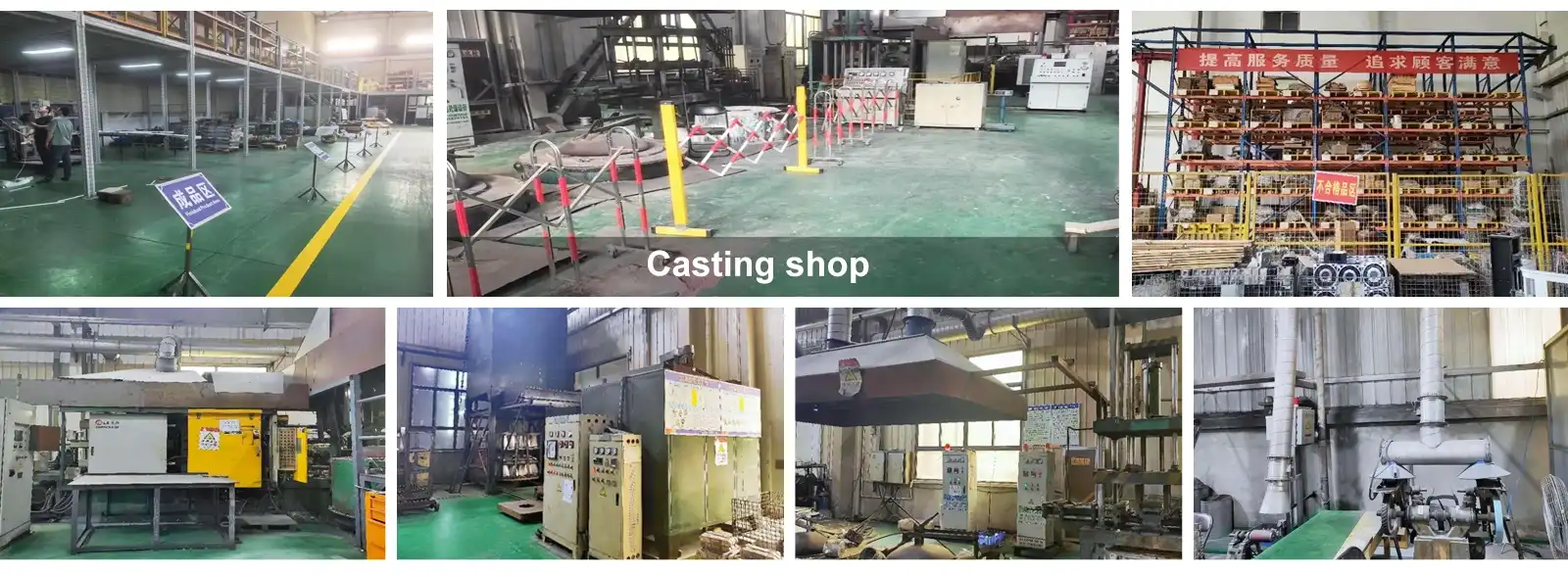
Core Differences in Production Efficiency & Lead Time
Aluminum alloy has a low melting point of approximately 660 °C, which shortens furnace heating cycles, accelerates mold cooling and reduces overall molding deformation time. With mature tooling and standardized processes, manufacturers can complete the full workflow from 3D design drawing confirmation to first article delivery within 4–6 weeks, including custom mold development and precision finishing. This efficient iteration capability is core to the value of prototype aluminum casting for robot product development.
Stainless steel prototyping has obvious limitations in production cycle. Ultra-high melting temperature requirements, slow natural solidification speed and mandatory strict heat treatment processes collectively extend the lead time to 6–10 weeks. For robot enterprises adopting iterative design verification models, the 2–4 week time gap directly slows down prototype testing, customer approval and product commercialization progress, reducing overall R&D efficiency.
Physical & Mechanical Performance Comparison
The differences in physical and mechanical properties between the two materials directly determine their applicable scenarios for structural prototyping. The core parameter comparison is as follows:
Density: A356 aluminum alloy is about 2.7 g/cm³, while stainless steel reaches 7.9 g/cm³. For parts with identical geometric dimensions, aluminum materials reduce overall weight by approximately 66%, effectively lowering robot equipment load and operating energy consumption.
Post-treatment Yield Strength: A356-T6 aluminum alloy achieves a stable yield strength of ≥230 MPa. Common stainless steel grades such as CF8M have a yield strength ranging from 210 MPa to 480 MPa, with performance fluctuating with alloy ratios.
Thermal Conductivity: Aluminum alloy has a thermal conductivity of about 150 W/m·K, nearly ten times that of stainless steel (15 W/m·K). This excellent heat dissipation performance effectively solves the heat accumulation problem of enclosed robot housings and electronic structural parts.
Corrosion Resistance: Stainless steel forms a dense passive chromium oxide layer spontaneously, resisting acid and chloride erosion without secondary treatment. Aluminum alloy relies on anodizing, spraying and other surface treatments to achieve equivalent corrosion protection effects.
Low-Volume Prototype Cost Comparison
In small-batch prototype verification scenarios, prototype aluminum casting has significant comprehensive cost advantages. The raw material price of aluminum alloy is 30–50% lower than that of equivalent stainless steel. Meanwhile, aluminum has excellent machinability, supporting efficient CNC processing with minimal tool wear, which further reduces single-part processing costs.
Taking the common 16.7 kg robot base shell prototype as an example, the machining and finishing cost of aluminum parts is 40–60% lower than that of stainless steel parts of the same specification. This cost advantage is more prominent in low-volume orders: the fixed mold development cost is amortized over fewer products, and the lower unit processing cost of aluminum greatly reduces the overall prototyping budget pressure for enterprises.
Applicable Industry Scenarios & Material Selection Rules
Optimal Application Fields for Prototype Aluminum Casting
Three core advantages of aluminum prototyping — lightweight performance, efficient heat dissipation and flexible design adaptability — make it the preferred solution for most structural prototype verification projects. Beyond industrial robot shells, arm structures and connecting frames, this process is widely used in automotive lightweight components, consumer electronic enclosures, aerospace brackets and industrial heat dissipation shell parts.
Driven by the development of new energy vehicles, A356-T6 aluminum alloy prototyping is increasingly applied in EV battery shells and motor casings. In scenarios where structural strength, lightweight design and thermal management performance are required simultaneously, prototype aluminum casting can perfectly balance performance and cost, supporting rapid product iteration and small-batch trial production.
Scenarios Where Stainless Steel Casting Is Irreplaceable
Stainless steel casting is the preferred choice for extreme working conditions that aluminum materials cannot adapt to. Its inherent corrosion resistance, high-temperature resistance and ultra-high load-bearing capacity make it suitable for chemical processing equipment parts exposed to strong acid environments, medical implant components requiring high-frequency autoclave sterilization, food processing parts with long-term high-pressure flushing, and heavy machinery joints bearing impact loads exceeding 400 MPa.
It is important to note that stainless steel’s performance advantages come with higher comprehensive costs. Procurement teams need to reserve 20–35% longer production cycles and 30–50% higher overall budgets for stainless steel prototype projects, and strictly verify suppliers’ professional process capabilities for specific stainless steel grades to avoid quality risks.
B2B Procurement & Supplier Quotation Guidelines
Core Inspection Standards for Casting Suppliers
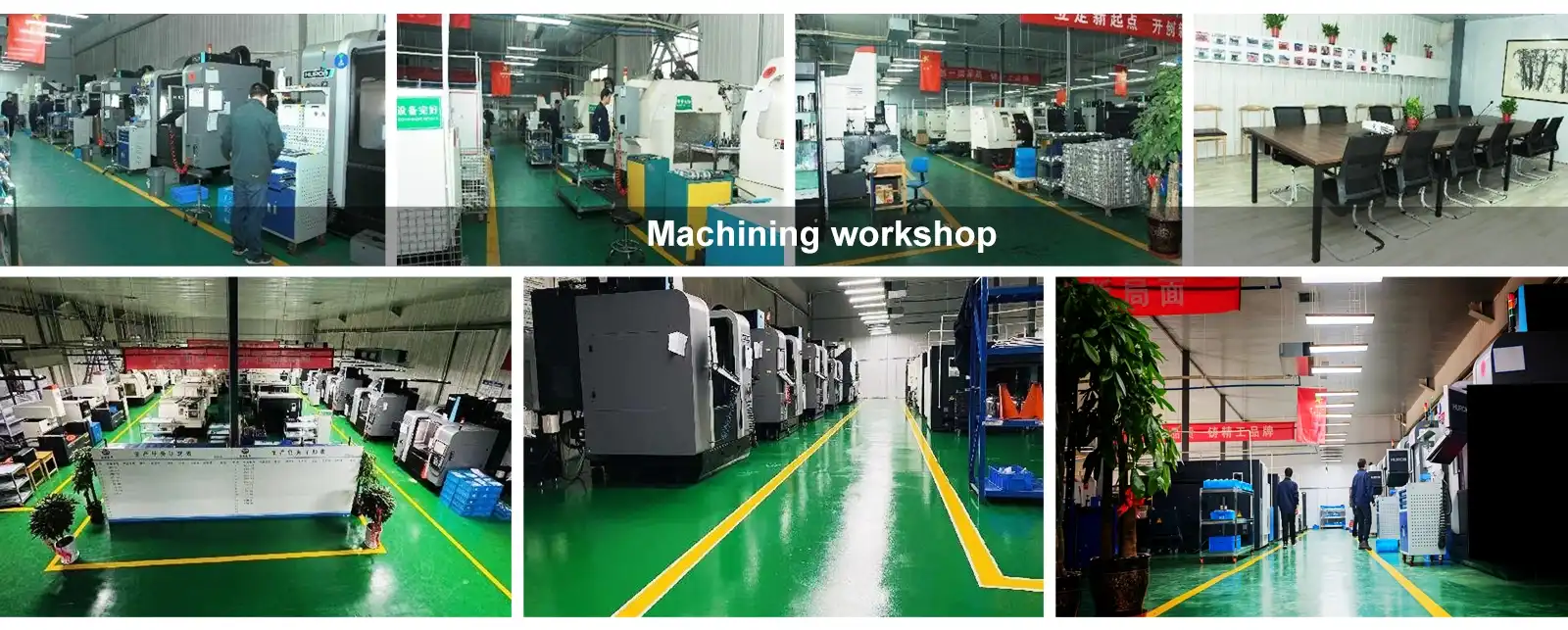
Professional material selection and supplier evaluation are key to ensuring prototype quality. In addition to price comparison, teams should focus on suppliers’ complete quality management systems, diversified casting process capabilities and mature service experience in corresponding alloy materials and complex structures. Certified manufacturers with ISO 9001:2015 standardized quality systems can provide stable and compliant prototype products and standardized full-process inspection services.
Key Information to Prepare for Accurate Quotation
To obtain accurate and reliable prototype quotation schemes, complete technical documents and demand instructions need to be provided in one stop, including: full 3D CAD files with marked GD&T tolerance standards and key precision areas; clear material specifications and heat treatment requirements (such as A356-T6); differentiated surface treatment standards for functional processing surfaces and cosmetic appearance surfaces; prototype trial production quantity and expected mass production scale; and targeted packaging and transportation plans for large structural parts such as 16.7 kg robot shells to adapt to international long-distance logistics.
Conclusion
There are clear performance and cost boundaries between prototype aluminum casting and stainless steel casting. A356-T6 aluminum alloy prototyping stands out for its excellent strength-to-weight ratio, ten-fold thermal conductivity advantage, fast iteration speed and low comprehensive cost, making it the most cost-effective choice for most robot structural shells, mechanical brackets and consumer equipment structural prototypes. Stainless steel casting is only limitedly applicable to special scenarios requiring extreme corrosion resistance, high temperature resistance and ultra-high load-bearing performance. For most B2B equipment manufacturers, choosing qualified suppliers with standardized process capabilities can give full play to the advantages of aluminum prototyping, accelerating product R&D iteration and reducing project comprehensive costs.
FAQ
How long does a prototype aluminum casting typically take to produce?
Under standardized processes, the full-cycle delivery of aluminum alloy prototype parts including mold development, casting molding, CNC finishing and surface treatment is stably completed within 4–6 weeks, realizing efficient design verification and rapid iteration.
What yield strength can I expect from A356 aluminum after T6 heat treatment?
After standard T6 heat treatment, A356 aluminum alloy has a stable yield strength of ≥230 MPa and a tensile strength of 280–310 MPa, fully meeting the structural load-bearing requirements of most robot arms, equipment shells and industrial structural parts.
Can a casting supplier handle both small prototype runs and full production volumes?
Professional precision casting manufacturers support seamless conversion from small-batch prototype verification (100–500 pieces) to large-scale mass production. The same mold and process standards are adopted in the whole cycle, eliminating repeated tooling and re-qualification costs and ensuring consistent product quality.
How does wall thickness variation affect robot assembly?
Uniform wall thickness control is the core of prototype casting quality. Excessive wall thickness deviation will lead to assembly tolerance mismatch, structural deformation and inconsistent stress bearing, affecting the assembly accuracy and long-term operating stability of robot equipment.
Partner With Rongbao Enterprise for Reliable Casting Prototypes
Rongbao Enterprise is an ISO-certified professional casting manufacturer, providing customized prototype aluminum casting and stainless steel casting services for industrial robots, new energy equipment and aerospace industries. We support one-stop solutions including DFM design optimization, mold development, precision casting, CNC finishing and surface treatment, flexible small-batch prototyping and scalable mass production, and strict IP confidentiality protection. Contact our team to get a personalized prototype quotation and technical solution.
Contact our team to discuss your specific requirements. Reach Steve Zhou at steve.zhou@263.net or Zhou Yi at zhouyi@rongbaocasting.com to begin your prototype aluminum casting project today.
References
[1] ASM International. Aluminum Alloy Castings: Properties, Processes and Applications. ASM International, 2004. Referenced for A356-T6 mechanical properties (yield strength ≥230 MPa).
[2] Campbell, John. Complete Casting Handbook: Metal Casting Processes, Metallurgy, Techniques and Design. Butterworth-Heinemann, 2015. Referenced for lead time comparisons between aluminum and stainless steel casting processes.
[3] Davis, J.R. Stainless Steels. ASM International, 1994. Referenced for stainless steel yield strength ranges (CF8M and related grades).
[4] Kaufman, J. Gilbert, and Elwin L. Rooy. Aluminum Alloy Castings: Properties, Processes, and Applications. ASM International, 2004. Referenced for cost comparison data between aluminum and stainless steel prototype casting.
[5] Ducker Worldwide. Aluminum Content in North American Light Vehicles. Ducker Worldwide, 2020. Referenced for EV and automotive aluminum casting demand trends.
[6] International Organization for Standardization. ISO 9001:2015 Quality Management Systems — Requirements. ISO, 2015. Referenced in the procurement section regarding quality certification standards for casting suppliers.
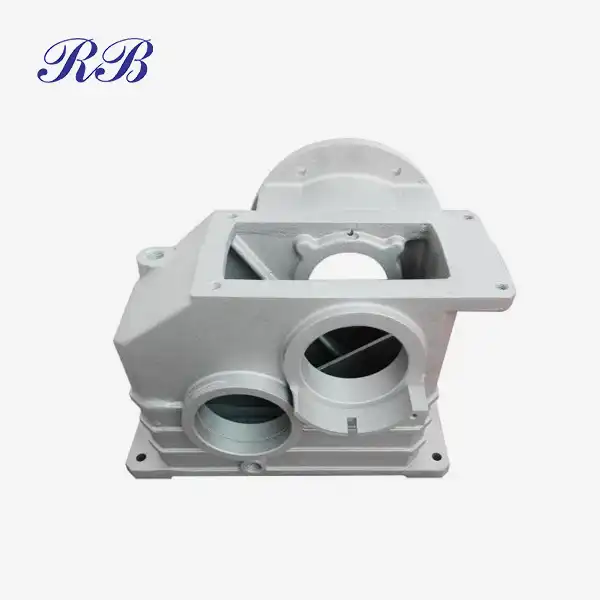
Learn about our latest products and discounts through SMS or email