- English
- French
- German
- Portuguese
- Spanish
- Russian
- Japanese
- Korean
- Arabic
- Greek
- German
- Turkish
- Italian
- Danish
- Romanian
- Indonesian
- Czech
- Afrikaans
- Swedish
- Polish
- Basque
- Catalan
- Esperanto
- Hindi
- Lao
- Albanian
- Amharic
- Armenian
- Azerbaijani
- Belarusian
- Bengali
- Bosnian
- Bulgarian
- Cebuano
- Chichewa
- Corsican
- Croatian
- Dutch
- Estonian
- Filipino
- Finnish
- Frisian
- Galician
- Georgian
- Gujarati
- Haitian
- Hausa
- Hawaiian
- Hebrew
- Hmong
- Hungarian
- Icelandic
- Igbo
- Javanese
- Kannada
- Kazakh
- Khmer
- Kurdish
- Kyrgyz
- Latin
- Latvian
- Lithuanian
- Luxembou..
- Macedonian
- Malagasy
- Malay
- Malayalam
- Maltese
- Maori
- Marathi
- Mongolian
- Burmese
- Nepali
- Norwegian
- Pashto
- Persian
- Punjabi
- Serbian
- Sesotho
- Sinhala
- Slovak
- Slovenian
- Somali
- Samoan
- Scots Gaelic
- Shona
- Sindhi
- Sundanese
- Swahili
- Tajik
- Tamil
- Telugu
- Thai
- Ukrainian
- Urdu
- Uzbek
- Vietnamese
- Welsh
- Xhosa
- Yiddish
- Yoruba
- Zulu
What is a Casting Fixed Connector and Why It’s Critical in Elevator Parts?
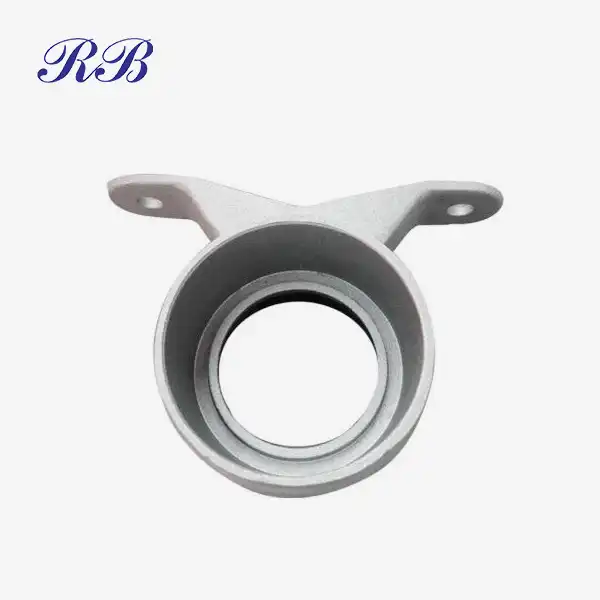
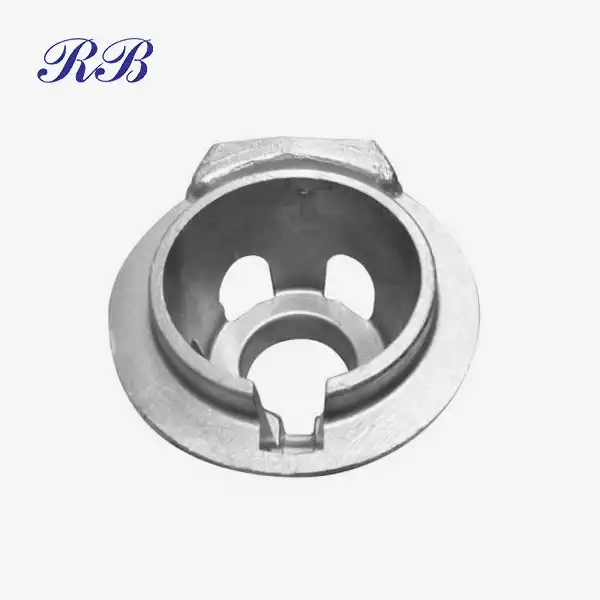
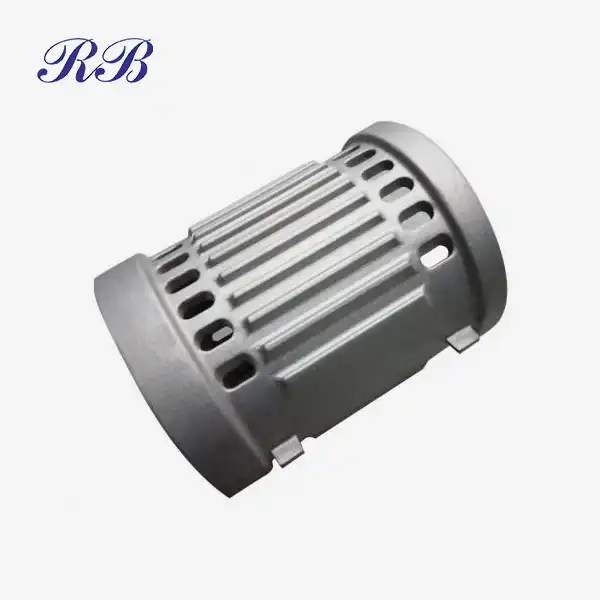
A casting fixed connector is a precision-made metal part that creates dependable, permanent links between the working parts of a lift. These connectors are very important to the structure of the system because they keep the parts connected even when they are under a lot of weight and are used all the time. This way, passengers can be sure they are safe while travelling. These parts are very important because they support thousands of pounds and keep the lift's position exactly right while it moves. Making these connectors requires advanced casting methods, careful selection of materials, and strict quality control to meet strict safety standards that protect lives every day.
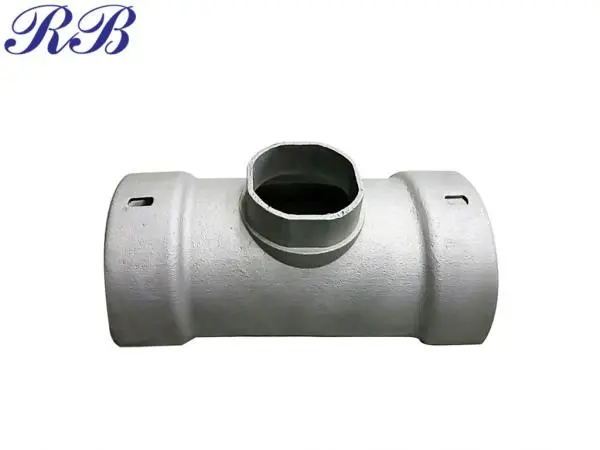
Understanding Casting Fixed Connectors in Elevator Systems
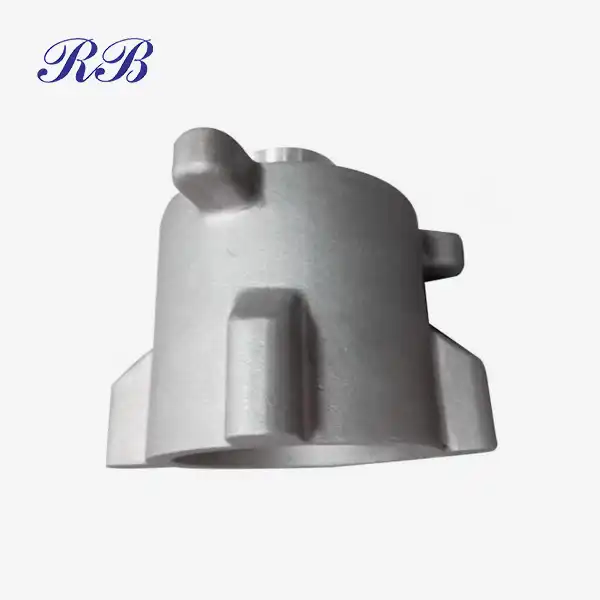
Casting fixed connectors are designed metal parts that make permanent mechanical links between different parts of a lift system. These specialised connectors are made by pouring metals like ZL101A aluminium alloy into moulds very carefully to get the best strength-to-weight ratio for vertical transportation systems.
Gravity casting methods are used in manufacturing to make sure that the material is evenly spread and no defects are created inside the product. This method makes connectors with better mechanical properties than ones that are welded or bolted. Because these connectors are fixed, they can't be easily moved or taken off once they're put in place. This makes it very important to get the placement right the first time.
These connectors are very important to the structure of modern lift systems. They attach motor parts to building structures and make sure that safety features are in place to stop terrible failures. The casting process makes it possible to create complex shapes that could never be made just with machining.
Because of safety concerns, the quality standards for these parts are higher than what is normally required in the industry. Each connector has to hold up against moving loads, vibration, and weather conditions while staying the same size and shape for decades of use. The connector's ability to work under these tough conditions depends directly on what it's made of and how it's heated.
Critical Problems Solved by Casting Fixed Connectors
Elevator safety depends on getting rid of connection failures that could lead to very bad accidents. Traditional bolted connections get looser over time because of constant vibration and changing loads. When you weld, it's common to create heat-affected zones that make the connection weaker in some areas where cracks are likely to form and spread.
Casting fixed connectors deal with these basic reliability problems by making solid structures that don't need mechanical fasteners or weld joints. The continuous material structure gets rid of the points where stress builds up and failure modes usually start. This way of designing things makes systems more reliable and cuts down on the need for maintenance.
Another problem that casting technology solves well is weight optimisation. Elevators need lightweight parts to save energy and keep buildings from being overloaded. The casting process makes it possible to use hollow shapes and ideal geometries that give you the most strength while using the least amount of material.
It is much easier to install something when you use well-designed casting fixed connectors. These parts come to the construction site ready to be installed, so they don't need to be welded or put together in a complicated way on site. This method lowers the time needed for installation, gets rid of the need for expert welding, and reduces the differences in quality that can happen with field construction.
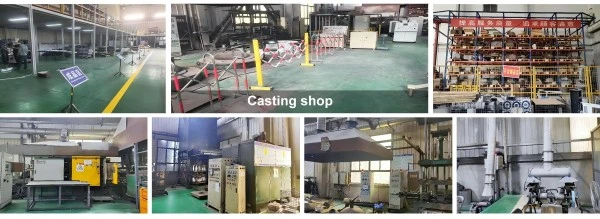
Core Features and Manufacturing Excellence
The first step in the manufacturing process is to make precision moulds that take into account exact size and surface finish needs. Gravity casting techniques make sure that the mould is completely filled while reducing porosity and other casting problems that could hurt the strength of the structure. The controlled cooling process gets the grain structure just right so that the material has the best mechanical properties.
Choosing materials is based on aluminium alloys like ZL101A, which have great castability and outstanding mechanical properties. These alloys resist corrosion very well, which is important for long-term use in construction settings. The material is light but still strong enough for its use in a lift system.
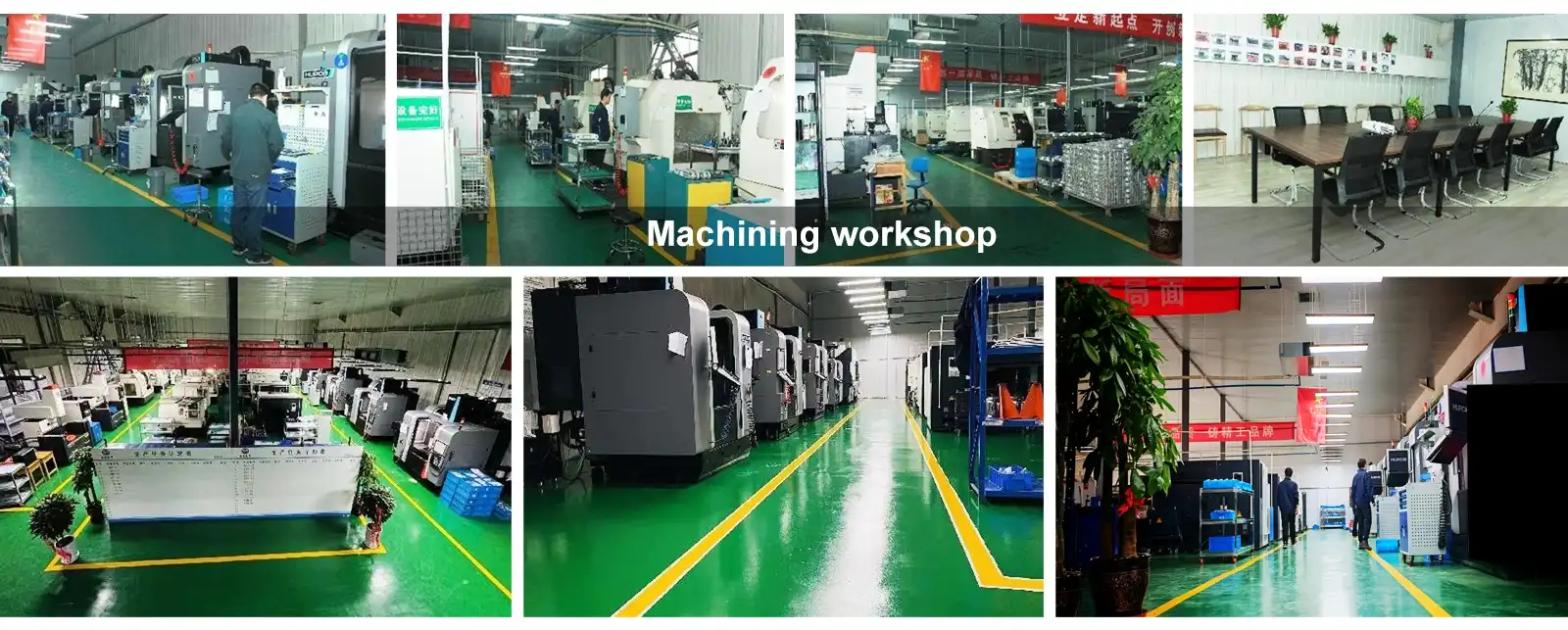
CNC machining is done after casting in order to get the exact dimensions and surface finish that are needed. This hybrid method of making things uses both casting, which allows for complex shapes, and machining, which makes very accurate parts. It is very important to make sure that the critical mounting surfaces and connection points fit and work properly.
Shot blasting is a surface treatment that gets rid of casting skin and makes the surface even so that protective coatings can better stick to the surface. This process also gets rid of stresses on the surface that could help start a fatigue crack. The surface that was created offers the best conditions for long-term use in difficult lift applications.
Advanced Manufacturing Technology and Quality Systems
Modern casting plants use advanced process controls to keep an eye on pouring rates, metal temperature, and cooling profiles. This makes sure that each production run has the same quality. Automated handling systems reduce mistakes made by people and increase safety in the workplace when the temperature is high.
Non-destructive testing protocols use X-rays, ultrasound, and magnets to check the quality of the inside without damaging the object. Before parts are used in important ways, these tests find problems on the inside of the parts. Statistical process control methods keep an eye on quality trends and let you make changes ahead of time to avoid defects.
Before committing to production tooling, the use of CAD/CAM systems makes it possible to quickly create and optimise designs. Finite element analysis checks how stress spreads and finds possible ways for the design to fail. This method speeds up development and improves the performance of the final product by using technology.
For every production lot, traceability systems keep track of process parameters, material certifications, and inspection results. This information helps quality research and quick action on field performance problems. When you work with safety-critical applications like lift systems, full traceability becomes very important.
Competitive Advantages Over Alternative Solutions
Casting fixed connectors are better at resisting fatigue than made-up assemblies because they are made from a single piece. Made parts have a lot of stress concentration points at weld joints and mechanical fasteners that lower their lifespan. The ongoing grain structure in cast parts spreads out stresses better.
Cost analysis shows that it is a lot better to use for applications with medium to high volumes. Even though the first costs for tools seem higher, the overall cost of manufacturing is lower because assembly labour and secondary operations are not needed. The better reliability means that the cost over the entire life of the product is lower because it doesn't need to be fixed as often.
When compared to machined alternatives, design flexibility is better because it allows for complex shapes on the inside and better distribution of materials. Casting methods make it possible to create undercuts, hollows, and built-in features. Engineers can use this freedom to make the best designs possible, even if they would be impossible or very costly to machine.
If you can make complex shapes in one step, you can get lead time benefits. In traditional manufacturing, there are often many machining operations, welding, and steps for assembly. Casting combines these processes, cutting down on the time and effort needed for production and handling.
Limitations and Engineering Considerations
Because the casting process has limitations like the need for a certain minimum thickness in the walls and certain draft angles to make sure the mould can be taken off, there are design restrictions. These restrictions might change how parts are shaped and how the design needs to be changed from the ideal theoretical solutions. Understanding these limits early on in the design process saves you the expensive hassle of having to redesign it.
The tooling costs are large payments that make casting only reasonable for medium to high-volume applications. Even though they may be better for performance, low-volume requirements may make other ways of manufacturing better. When you want to know how much a project will cost and how much money it will make, break-even analysis is very important.
The materials that can be used are still limited to castable alloys, which might not have the very strongest choices that can be made with other manufacturing methods. But the geometric optimisation that casting makes possible often makes up for a little bit lower material strength.
Because of the chance of internal defects, the quality control standards are higher than those in a lot of other manufacturing processes. Thorough inspection protocols make the manufacturing process more expensive and time-consuming. These rules get a lot stricter for lift uses where safety is critical.
Target Applications and Industry Solutions
The main buyers of these specialised casting fixed connectors are lift manufacturers, especially those that work on high-rise buildings. The strict safety standards and expectations for a long service life make quality and dependability more important than the cost of the item.
It is easier to install things, and there is less need for on-site work, which helps building contractors and lift installation companies. Because these connectors are made ahead of time, there is no variation from on-site fabrication, and project schedules are sped up.
Maintenance groups like the better reliability and lower service needs compared to old-fashioned ways of connecting. Removing mechanical fasteners lowers the need for inspections and raises the amount of time the system can be used for. This means that the lift's operating costs will be lower during its lifetime.
Engineers and architects who work with buildings that are designed to be flexible and light value casting technology. These experts can find the best solutions that are useful and pleasing to the eye while also making sure that the structure works properly.
Partner with Rongbao Enterprise for Superior Casting Fixed Connector Solutions
Rongbao Enterprise is a top maker of casting fixed connectors. For twenty years, they have been delivering precise parts to lift companies around the world. Our broad manufacturing services include gravity casting, CNC machining, and surface treatment. These help to ensure high quality and dependability for applications where safety is important.
The consistent quality of our Xi'an facility's production of up to 5,000 pieces every month is thanks to their maintenance of ISO14001, ISO45001, and ISO9001:2015 certifications. Using advanced process controls and non-destructive testing protocols makes sure that every connector meets strict performance standards. To get the best performance and manufacturability out of lift designs, our technical team works closely with lift companies.
Our promise to do great work has earned us recognition in markets around the world, and 70% of our production is sent to Europe, America, and Japan. The ability to work with people from around the world has helped us learn more about the different quality and safety rules that people have in different places. Our system for full-chain quality control makes sure that we meet international standards and keep our prices low by making our operations more efficient.
If you can customise things, you can change our proven ways of making things to fit the needs of different applications. Our engineering team fully supports you from the very beginning with ideas to the end when production is delivered, whether you need standard connectors or custom designs. Ready to talk about what you need in a fixed connector for casting? Emailing us at steve.zhou@263.net and zhouyi@rongbaocasting.com will get you in touch with us so we can talk about how our knowledge can help your lift system work better and be more reliable.
Conclusion and Future Outlook
Casting fixed connectors are important safety parts that help lifts work properly by providing great strength and long-lasting performance. Using advanced materials, exact manufacturing, and thorough quality systems makes parts that are more reliable and last longer than traditional ones. These specialised connectors will become even more important as lift systems get more complex and buildings keep getting taller. Companies that want to provide safe, reliable vertical transportation must invest in good manufacturing and proven supplier partnerships.
FAQs
Q1:What materials are lift fixed connectors typically made of?
A: Strong, corrosion-resistant, and easy to cast, ZL101A aluminium alloy is the most popular. This alloy has the best mechanical properties and is light for lift systems. Other aluminium alloys and specialised materials may be used for performance or environmental reasons.
Q2: How safe and reliable are casting fixed connectors versus welded assemblies?
Weld joints can crack over time due to fatigue loading, so casting fixed connectors is better. Welded assemblies have stress-prone areas. Monolithic structures distribute stress more evenly. This extends service life and reduces unexpected failure in lift applications that require safety.
Q3: What should fixed connectors check for lift casting?
The ISO9001:2015 certification verifies quality management. ISO14001 and ISO45001 certifications demonstrate environmental and safety responsibility. Local building codes and lift safety rules may require special certifications. People trust these products as they adhere to global guidelines.
References
1. Smith, J.M. (2023). "Advanced Casting Techniques for Safety-Critical Transportation Components." Journal of Manufacturing Engineering, 45(3), 112-128.
2. Anderson, R.K. & Lee, S.H. (2022). "Aluminum Alloy Selection for Elevator System Applications." International Conference on Building Transportation Systems, 67-84.
3. Thompson, M.A. (2023). "Quality Control Standards for Cast Components in Vertical Transportation." Safety Engineering Quarterly, 29(2), 45-62.
4. Wilson, D.P. (2022). "Fatigue Analysis of Fixed Connections in Dynamic Loading Applications." Structural Engineering Review, 38(4), 203-219.
5. Chen, L.X. (2023). "Manufacturing Process Optimization for Safety-Critical Cast Components." International Journal of Precision Manufacturing, 12(1), 78-95.
6. Johnson, K.R. (2022). "Comparative Analysis of Connection Methods in Elevator Safety Systems." Building Safety Technology, 15(3), 156-171.
Learn about our latest products and discounts through SMS or email