- English
- French
- German
- Portuguese
- Spanish
- Russian
- Japanese
- Korean
- Arabic
- Greek
- German
- Turkish
- Italian
- Danish
- Romanian
- Indonesian
- Czech
- Afrikaans
- Swedish
- Polish
- Basque
- Catalan
- Esperanto
- Hindi
- Lao
- Albanian
- Amharic
- Armenian
- Azerbaijani
- Belarusian
- Bengali
- Bosnian
- Bulgarian
- Cebuano
- Chichewa
- Corsican
- Croatian
- Dutch
- Estonian
- Filipino
- Finnish
- Frisian
- Galician
- Georgian
- Gujarati
- Haitian
- Hausa
- Hawaiian
- Hebrew
- Hmong
- Hungarian
- Icelandic
- Igbo
- Javanese
- Kannada
- Kazakh
- Khmer
- Kurdish
- Kyrgyz
- Latin
- Latvian
- Lithuanian
- Luxembou..
- Macedonian
- Malagasy
- Malay
- Malayalam
- Maltese
- Maori
- Marathi
- Mongolian
- Burmese
- Nepali
- Norwegian
- Pashto
- Persian
- Punjabi
- Serbian
- Sesotho
- Sinhala
- Slovak
- Slovenian
- Somali
- Samoan
- Scots Gaelic
- Shona
- Sindhi
- Sundanese
- Swahili
- Tajik
- Tamil
- Telugu
- Thai
- Ukrainian
- Urdu
- Uzbek
- Vietnamese
- Welsh
- Xhosa
- Yiddish
- Yoruba
- Zulu
Stainless Steel Flanges for Industrial Use
Industrial piping systems require flange connections that match the pressure, temperature, fluid, and operating environment of the system. stainless steel flanges are widely considered when corrosion resistance, dimensional stability, and long-term service requirements make carbon steel less suitable. But there is more to consider for the appropriate flange than just stainless steel. The choice of flange for a certain installation depends on the material grade, flange type, pressure class, construction, sealing surface, standard to which it must conform and inspection requirements. “Industrial customers want to select a flange that fits into the entire pipe system, not just assess the part in isolation. The suitable specification will take into account the pipe size, operating pressure and temperature, process media, connection configuration, gasket, bolts and the relevant design code. This is particularly crucial for applications like as chemical processing, food and beverage, water treatment, power production, fire prevention and oil and gas.
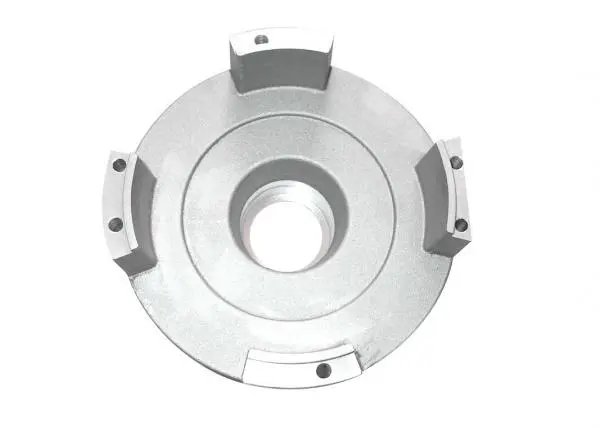
Where Stainless Steel Flanges Are Used in Industrial Piping?
Corrosion resistance may be a consideration in the long-term condition of a flanged connection in a fire protection piping installation. Wet sprinkler systems are always water-filled and experience pressure and mechanical loading throughout testing and operation. The flange itself should be properly suited to the pipe, gasket, bolt, and system pressure requirements. If the environment or project specification asks for better corrosion resistance than standard carbon steel, stainless steel could be used.
Fire protection initiatives do not have to pick a flange just because it is stainless steel. Also evaluate the applicable fire protection standard, pipe specification, pressure requirements, joining method, and approval criteria. This is especially critical when the piping system is part of a regulated building or industrial fire prevention infrastructure.
The material selection environment is more difficult in chemical process plants. Acids, alkaline solutions, chlorides, solvents, and other process chemicals can cause corrosion to assume many different forms. Stainless steels get much of their corrosion resistance from a chromium-rich passive surface coating, but not all stainless steel grades behave the same in every chemical environment. Grade 304 may be suitable for many general-purpose applications, whereas 316 and 316L are commonly selected when increased resistance to chloride-related corrosion is required. More harsh circumstances may require duplex or other specialty grades of stainless steel.
Therefore, the proper decision is a function of the actual process medium and not the generic term “corrosive service.” Material performance can be influenced by factors such as concentration, temperature, exposure time, pollutants, and flow conditions. The buyers should supply the manufacturer with the relative process information before finalizing the flange material.
An additional set of criteria is needed for food and beverage facilities. Piping components should have cleanable, smooth surfaces and materials compatible with the desired process. Crevices, rough machining, damaged surfaces, and unsatisfactory finishes may add to the difficulty of cleaning. In conjunction with each other, the flange design, surface finish, weld quality, cleaning technique, and applicable food contact regulations should be assessed for sanitary applications.
It’s also vital not to think of “FDA compliant” as a general attribute of every stainless steel flange. FDA’s food-contact substance regulations are based on the material, the intended application, and the conditions of use. Thus, the provider must supply the correct material and conformity paperwork for the application, not a generic regulatory statement.
In the pharmaceutical industry, the emphasis is usually on contamination control, traceability, cleanability, and surface condition. Stainless steel is often specified for hygienic process conditions; however, the grade and finish must be in accordance with the process design. Electropolishing, regulated roughness, hygienic flange designs, and documented material traceability are all relevant to a pharmaceutical project.
Flanged connections are also found throughout pumping, filtration, chemical dosing, and process pipes in water and wastewater treatment systems. Water chemistry might vary widely from installation to installation. The selection of materials can be influenced by chlorine, dissolved oxygen, salts, chemicals for pH adjustment, and other treatment conditions. Stainless steel can offer useful corrosion resistance in many of these situations, but the precise grade still needs to be selected based on the exact water chemistry and operating conditions.
Flange connections also have additional requirements in oil and gas applications due to pressure, temperature, corrosive fluids, outdoor exposure, and project-specific inspection requirements. Offshore facilities might be exposed to salt spray and chlorides. Process and production systems can be subjected to high temperatures and chemically reactive fluids. In some applications, the need for a higher strength and enhanced resistance to localized corrosion can be crucial reasons to think about duplex stainless steel. Final material selection shall be made in accordance with the applicable project specification and design criteria.
Flanged connections are a common feature of power production systems, whether in steam, cooling water, auxiliary, or emissions control systems. Pressure-temperature evaluation is often needed because the allowed pressure of a flange material may fluctuate during high temperature service. Cooling systems may have distinct corrosion considerations than steam lines. Flue-gas treatment systems may expose components to chemically hostile conditions. So, one grade of stainless steel cannot be expected to be sufficient for all parts of a power plant, including applications involving stainless steel flanges.
How to Select the Right Stainless Steel Flanges?
Start With the Stainless Steel Grade
Firstly, one of the technical considerations to be made is the material grade. Type 304 stainless steel is commonly utilized for general corrosion-resistant applications because of its corrosion resistance, availability, and cost. It can be used in various industrial systems, as long as the process environment is somewhat moderate.
Type 316 stainless steel has molybdenum added and is more corrosion resistant than type 304 in certain conditions. Thus, 316 is typically selected for such applications as coastal installations, chemical processing, water systems, and other places of concern for localized corrosion.
Welded assemblies can be good solutions in 304L and 316L, because their lower carbon content reduces the likelihood of chromium carbide precipitation caused by welding heat. The choice between standard and low carbon grades should be based on the manufacturing route, welding requirements, service conditions, and the relevant material specification.
Duplex stainless steels are another possibility where strength and corrosion resistance are both important. Duplex grades are characterized by a combined austenitic-ferritic microstructure and can produce far greater yield strength than ordinary austenitic stainless steels. This is an advantage for applications where weight, wall thickness, pressure, and chloride resistance must all be considered at the same time.
Hence, the selection of material should be based on the service environment rather than the most corrosion-resistant grade available. Over-specifying adds to the material cost but does not enhance the practical advantage, and under-specifying raises the risk of maintenance and replacement.
Match the Flange Type to the Connection
Material is important, but so is the flange configuration. Welding neck flanges is typically utilized for applications where a strong, continuous weld transition between the pipe and the flange is necessary. “They’re useful in piping systems that have higher pressures or temperatures.
Slip-on flanges are welded on to overhang the pipe. They can give installation advantages for some applications, but the design of the project will have to assess whether their pressure and fatigue characteristics are enough.
Blind flanges are used to seal the termination of a pipe, nozzle, or other flanged connection. The blind flange should be able to resist the pressure on its closed face, and so the thickness and pressure rating of the blind flange should be suitable for the service condition.
Where welding is neither desired or practical within the boundaries of the piping design and service, threaded flanges may be used as a replacement. Lap joint arrangements also have advantages in situations where frequent dismantling or certain piping configurations make that type of connection helpful.
So, selecting the proper flange is more than just an issue of pipe diameter. The engineer has to consider pressure, temperature, pipe material, welding requirements, maintenance procedures, gasket arrangement, and the expected service conditions.
Check Pressure Class and Temperature Together
Another important factor in choosing is the pressure class. ASME B16.5 is a standard for pipe flanges and flanged fittings, NPS 1/2 to NPS 24. It covers pressure-temperature ratings, materials, dimensions, tolerances, marking, and testing. Its flange classes are 150, 300, 400, 600, 900, 1500, and 2500 in the size ranges mentioned.
There is a misperception that a Class 300 or Class 600 rating is the maximum allowable pressure for all services. Actual allowed pressure will vary on material, heat, etc. Engineers shall not pick a class based on pressure alone but shall use appropriate pressure-temperature rating tables and design standards.
Operating pressure shall be examined in conjunction with maximum and minimum temperatures, transient conditions, thermal cycling, and any project-specific safety margin. For critical systems the rating of the flange should also be considered paired to the rating of the connected pipe, valve, gasket, bolts, and other components.
Consider the Sealing Surface and Gasket.
The whole sealing system determines the integrity of a flange connection. Flange facings shall be compatible with the gasket used and the service circumstances. Surface finish, flatness, gasket material, bolt condition, and tightening techniques can affect sealing performance.
For example, a flange with a soft gasket may require a different surface condition than a connection with a metallic gasket. A special selection of gasket materials may be required for high-temperature or chemically severe services. The buyer should not specify the flange without checking the gasket and fastening requirements.
Flange faces shall be protected during shipment and installation. The sealing surface may include scratches, dents, corrosion, or impurities that can cause installation problems, regardless of the flange measurements.
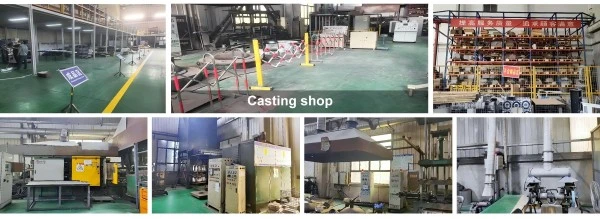
Casting and CNC Machining for Stainless Steel Flanges
The manner of manufacture can directly affect dimensional accuracy, internal quality, surface condition, and production costs. Casting is a viable choice if the flange geometry, manufacturing rate, and material requirements allow a cast solution to be practical. For example, gravity casting uses the force of gravity to fill the mold and can be suitable for manufacturing some stainless steel pieces.
In all applications, “casting” should not be considered to mean “forging.” Consideration shall be given to all internal soundness, wall thickness, geometry, heat treatment, inspection requirements, and mechanical property requirements. Critical pressure applications should use suitable material and product standards to identify the required production and inspection path.
It is commonly used to get critical components to final dimensions following casting or other primary production procedures. Controlled machining of the bolt holes, flange outside diameter, bore dimensions, thickness, and sealing faces is required so that the completed flange will appropriately mate up with the applicable piping component.
Particular attention must be used in the treatment of the sealing face, for dimensional perfection alone does not guaranty a reliable connection. Surface smoothness and flatness of stainless steel flanges shall be suitable for the gasket and intended service. Repeatability can also be achieved using CNC machining when the machining process is well controlled and verified.
In industrial buying, buyers should question the manufacturer’s transition from casting to machining. Material certifications, dimensional inspection records, chemical composition results, mechanical test results when applicable, heat-treatment records, and other inspection documentation as stipulated by the purchase order or applicable standard are useful paperwork.
Quality Inspection Before Shipment
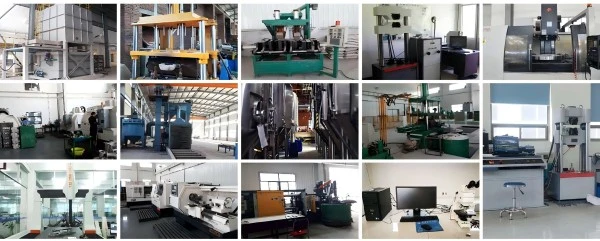
Inspection is a vital aspect of flange procurement and must not be viewed as an optional final step. Material verification is the process of verifying that the delivered alloy is the alloy ordered. Dimensional inspection confirms critical factors like bore diameter, flange thickness, outside diameter, bolt hole spacing, and overall shape.
Additional tests may be required depending on the application. The specific inspection plan shall be prepared in line with the relevant material specification, product standard, project specification, and purchase order. Buyers may also require traceability information for demanding industrial applications that link the final flange to its material heat or production data.
Documentation is also important. A quality certificate from a supplier is useful, but it is important for the buyer to evaluate the certifying organization, validity, scope, and whether it really relates to the manufacturing site and the activities relevant to the bought product. ISO 9001 is a standard of quality management systems, ISO 14001 is for environmental management, and ISO 45001 is for occupational health and safety management. The guidelines cover a variety of management systems and are not to be construed as endorsements of specific products.
This is a big distinction when evaluating a supplier. A valid management system certification helps generate confidence in the manufacturer’s operations, but it does not substitute product-specific material certificates, dimensional inspection, testing, or compliance documents.
Conclusion
Stainless steel flanges can provide a practical solution for industrial piping systems where corrosion resistance, dimensional accuracy, service conditions, and long-term maintenance requirements must be considered together. The best choice depends on much more than the stainless steel designation itself. Material grade, flange configuration, pressure class, temperature, gasket, surface finish, manufacturing process, and inspection requirements all influence connection performance.
For industrial buyers, a reliable specification should begin with the operating conditions and applicable standards and then translate those requirements into a clearly defined flange configuration. Whether the component is used in chemical processing, water treatment, food production, fire protection, power generation, or energy infrastructure, supplier documentation and inspection requirements should be confirmed before production. This approach helps ensure that the selected stainless steel flanges are technically appropriate for the system rather than simply attractive on paper.
FAQ
1: What makes stainless steel flanges better than carbon steel for industrial use?
Stainless steel flanges offer superior corrosion resistance that extends service life dramatically. The chromium content creates a self-healing oxide layer that protects against rust and chemical attack. While carbon steel flanges cost less initially, they require protective coatings and replacement more frequently. Total lifecycle costs often favor stainless steel in corrosive environments. Fire protection systems particularly benefit from corrosion resistance that maintains integrity over decades.
2: How do I determine the correct pressure class for my application?
Pressure class selection requires evaluating both pressure and temperature together. ASME B16.5 provides pressure-temperature ratings showing allowable pressures at various temperatures for each class. Start with your maximum operating pressure and temperature. Add margins for process upsets and transient conditions. Select the class that provides adequate capacity throughout the operating envelope. Consulting with piping engineers ensures appropriate selection for critical applications.
3: What surface treatments improve stainless steel flange performance?
Shot blasting cleans surfaces and creates controlled texture for gasket sealing. This process removes mill scale and surface contaminants that interfere with coating adhesion. Passivation treatments enhance the protective oxide layer through chemical processing. Electropolishing produces mirror finishes required for sanitary applications. Each treatment addresses specific performance requirements based on service conditions.
Stainless Steel Flanges Supplier: Rongbao Enterprise
Finding the proper manufacturing partner is the key to a project's success. Rongbao Enterprise is known as a dependable source of stainless steel flanges for both fire protection and industrial uses. The company is based in Xi'an, China, and has superior production skills and strict quality procedures that consumers all over the world trust.
Quality certifications show that a company is dedicated to doing things well. ISO 9001:2015 accreditation shows that a company follows a set of rules for managing quality. ISO 14001 talks about how to manage the environment in all parts of a business. ISO 45001 protects workers by making sure their work circumstances are safe. To keep these certificates, companies must have frequent audits by third parties to make sure they are still following international standards.
Manufacturers and contractors seeking quality stainless steel flanges for fire protection systems and industrial applications should contact Rongbao Enterprise directly. Technical discussions help clarify requirements and identify optimal solutions. Quotation requests receive prompt responses from experienced professionals who understand industrial flange applications. Reach the sales team at steve.zhou@263.net or zhouyi@rongbaocasting.com to discuss your specific requirements. Building relationships with capable suppliers strengthens your supply chain and supports project success.
References
1. Markets and Markets. (2023). Industrial Flanges Market by Type, Material, End-Use Industry, and Region - Global Forecast to 2028. Pune, India: MarketsandMarkets Research Private Ltd.
2. National Fire Protection Association. (2023). Fire Loss in the United States During 2022. Quincy, MA: NFPA Research.
3. American Society of Mechanical Engineers. (2020). ASME B16.5-2020: Pipe Flanges and Flanged Fittings: NPS 1/2 Through NPS 24 Metric/Inch Standard. New York, NY: ASME.
4. ASTM International. (2022). ASTM A182/A182M-22: Standard Specification for Forged or Rolled Alloy and Stainless Steel Pipe Flanges, Forged Fittings, and Valves and Parts for High-Temperature Service. West Conshohocken, PA: ASTM.
5. International Organization for Standardization. (2015). ISO 9001:2015 Quality Management Systems — Requirements. Geneva, Switzerland: ISO Central Secretariat.
Learn about our latest products and discounts through SMS or email