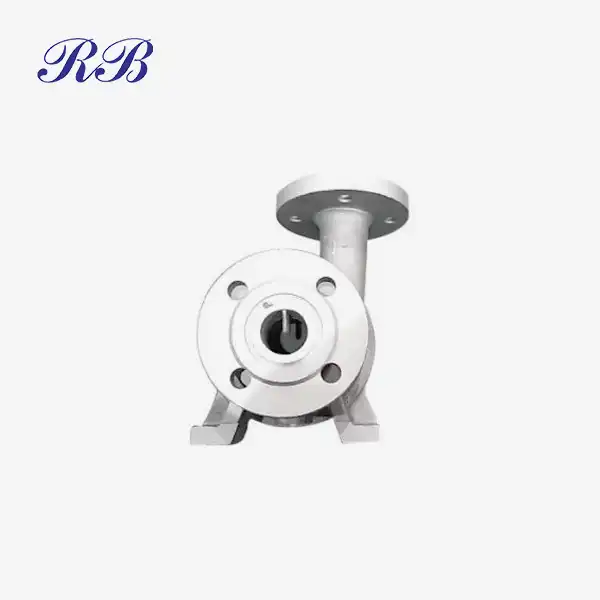
Choosing between a six-way alarm control box and a twelve-way variant depends on your facility size, zone requirements, and future expansion plans. A six-way alarm control box typically suits small to medium industrial setups with fewer monitoring zones, offering cost-effectiveness and simplified installation. Conversely, twelve-way systems accommodate larger facilities requiring extensive zone management, providing scalability and advanced integration capabilities. Understanding your current security demands and anticipated growth helps determine the optimal solution for reliable alarm device parts integration.
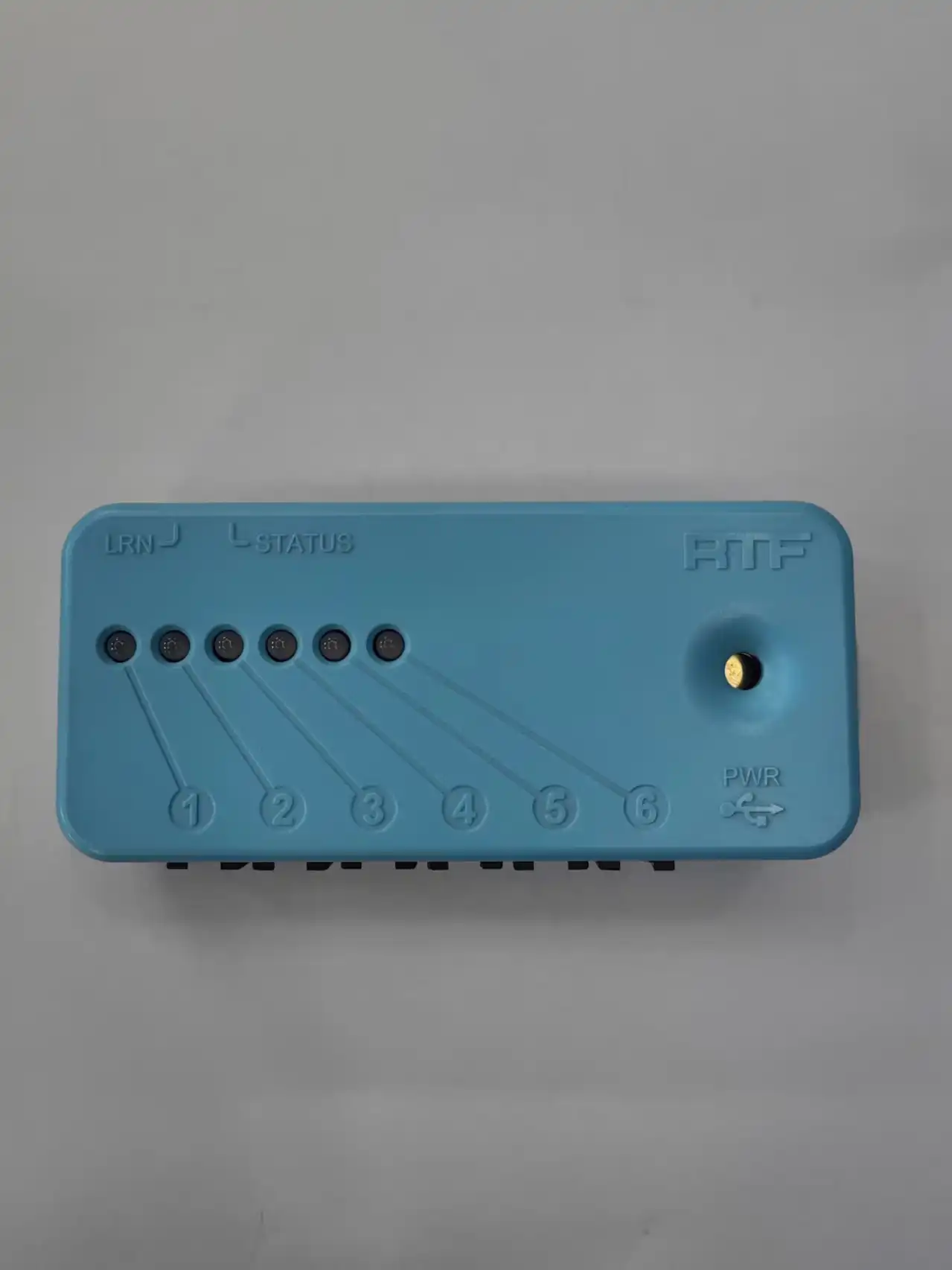
Alarm Control Boxes: Key Features and Functions
In workplace security systems, alarm control boxes are like the brains. They take messages from many sensors and make sure the right actions are taken. Important parts that control warning circuits, power distribution, and contact between sensors and central tracking units are housed in these tough enclosures.
Core Functionality of Multi-Zone Control Systems
Industrial buildings are divided into manageable surveillance areas by multi-zone alarm systems. This makes it easy for security teams to quickly find the scene of an incident. The control box has inputs for each zone that are connected to it. The control box then processes the signals and sets off alarms or other notifications. These days, modern units work well with fire alarms, gas leak detectors, and intrusion alarms, making a single safety network. The design can work with both normally open and normally closed circuits, so it can be used with different kinds of sensors without having to do a lot of wiring changes. This versatility comes in very handy when adding new security technologies or improving current ones.
Technical Specifications That Matter
When looking at alarm control boxes, there are a few features that have a direct effect on how well the system works. The voltage ranges for operation are usually between 12VDC and 24VDC, which works with most industrial power supplies. Matching the input impedance makes sure that the signal is picked up correctly and that electrical interference doesn't cause fake alarms. Response time standards, which are generally given in milliseconds, show how fast the system responds to alarm conditions. In harsh environments, ambient temperature ratings are very important, and good units stay reliable from -40°C to +85°C. These factors have a direct effect on how reliable a system is in harsh industrial settings.
Certification Standards and Compliance Requirements
To make sure they protect reliably, industrial alarm systems must meet strict safety standards. The ISO9001:2015 certification shows that quality controls are kept in place throughout the whole production process. Getting ISO14001 approval for environmental management shows that you are committed to using sustainable production methods, which is especially important for global supply chains. Occupational health standards, such as ISO45001, reassure buyers that factories put worker safety first, which is another way of saying that the company is disciplined. These licenses give procurement managers real proof that a seller can be trusted, which lowers the risk of choosing a supplier.
Side-by-Side Comparison: Six-Way vs. Twelve-Way Alarm Control Boxes
Figuring out how these combinations are different in real life helps match technical skills with business needs. The basic ideas behind both systems for managing alarms are the same, but their capabilities and levels of complexity are very different.
Capacity and Scalability Analysis
Six-way alarm control boxes can handle up to six separate warning zones, which is enough for buildings smaller than 10,000 square feet or businesses with simple security plans. This setup works well for warehouses, small factories, and schools with only one building where tracking needs don't change much. Twelve-way systems can support complicated buildings with many departments, places to store dangerous materials, or a lot of security needs around the perimeter. They double the zone capacity. The increased capacity is necessary for phased building growth because it lets more zones be added without having to replace the core infrastructure. Scalability should take three- to five-year growth projections into account so that systems don't become obsolete too soon.
Installation Complexity and Integration Challenges
The installation needs for these setups are very different. Six-way alarm control box systems usually take between 60 and 80 hours to fully set up in normal settings, which includes wiring, setup, and testing. The shorter wire runs and easier termination steps save money on labor and keep operations running as smoothly as possible. Twelve-way setups take 100 to 140 hours because the wiring is more complicated and there are more tests to do in each zone. But this investment is worth it for places that need fine-grained zone control, because the system can handle complicated security plans without affecting the accuracy of responses. Adding 15-20% more time to the installation process is required to connect to current building control systems. However, new IP-enabled units make network connectivity easier through standard protocols.
Cost-Benefit Perspectives for Decision-Makers
Six-way alarm control boxes can cost anywhere from $800 to $1,500 per unit to buy for the first time, based on the functions and certification level. Twelve-way equivalents usually cost between $1,800 and $3,200, which is because they have more complicated parts and are made with more precision. But to figure out the total cost of ownership, you need to include the labor costs for installation, the costs of ongoing upkeep, and any possible costs for retrofitting. Facilities that are growing quickly often find that buying twelve-way capacity up front saves them a lot of money in the long run because they don't have to replace their systems every three years. Maintenance costs are about the same, with yearly service costing 8–12% of the initial investment in the equipment, no matter how many zones it has. Differences in energy use are very small, usually less than 5% between configurations.

Industrial Applications: Choosing Based on System Requirements
In the real world, implementation situations show how zone capacity matches up with how things work in different industries.
Small to Medium Facility Solutions
Six-way alarm control box systems often work perfectly for manufacturing sites that are between 5,000 and 15,000 square feet. We talked to a precision machining shop that needed to be watched over for six areas: areas for storing tools and raw materials, areas for keeping track of produced goods, office areas, loading docks, and outer entry points. The system worked well with the fire alarms that were already there, and it had enough space for the planned office expansion. Custom aluminum enclosures with IP65 ratings kept electronics safe in places where metalworking fluids and dust were present. Technicians could change individual circuit boards without having to disconnect the whole system, which cut down on downtime during maintenance rounds.
Large-Scale and High-Security Environments
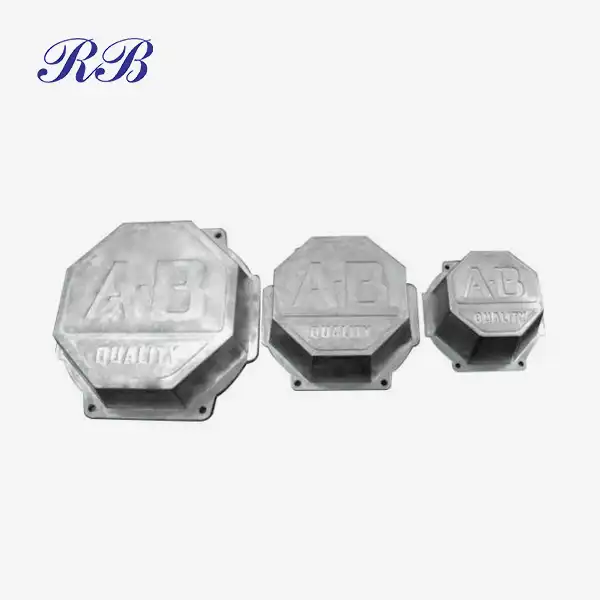
Chemical processing plants, drug companies, and industrial parks with many buildings need twelve-way systems because they cover a lot of ground. A company that makes gas equipment for Southeast Asian markets put in a twelve-way system throughout their 40,000-square-foot building. The system kept an eye on different areas for putting together gas meters, testing stations, chemical storage, three production lines, quality control labs, shipping areas, managerial areas, and the fence around the outside. Customizable sensitivity settings were available for each zone. This kept fake alarms from happening in high-vibration production areas while keeping strict tracking in storage zones. Custom metal casting enclosures were used for the installation. They were made to work in explosive atmospheres and meet Ex d IIB T6 certification standards for dangerous areas.
Future-Proofing and Expansion Strategies
When planning a strategic alarm system, operational changes are planned for every five to seven years. Facilities planning to increase their capacity should make the initial installations 20–30% bigger than they need to be so that they can fit new zones without having to rebuild the infrastructure. Modular alarm control boxes with expansion ports let you make small changes over time, like adding more zones with plug-in modules instead of replacing the whole system. This method works especially well for companies that make safety tools and are growing because they are always adding new product lines that need their own tracking areas. Integration with building automation platforms, video surveillance systems, and access control systems increases long-term value by making security ecosystems that work together and can adapt to new threats and rules.
Conclusion
Choosing between six-way alarm control boxes and twelve-way alarm control boxes depends on how well you can figure out what you need now and how much you think you'll need in the future. For small buildings with simple security needs, six-way alarm control box configurations are a cost-effective option. Twelve-way systems, on the other hand, offer the scalability and zone level detail needed for complex industrial settings. Partnering with certified manufacturers that offer full customization, strict quality standards, and quick technical support is key to successful procurement. When these important safety systems are installed correctly and maintained according to the rules set by the industry, they will provide effective protection for as long as they are used.
FAQs
How do I determine if a six-way alarm control box suffices for my facility?
Figure out how many zones you need by drawing a map of the different areas that need to be watched separately. For example, production floors, storage areas, office spaces, and areas around the perimeter are all separate zones. For short-term growth, add a 20% capacity buffer. Six-way alarm control box systems work well and are affordable for facilities that need six or fewer zones and don't expect to grow much.
Can alarm control boxes integrate with existing fire safety systems?
Most fire alarm panels made in the last ten years can communicate with modern alarm control boxes that have standardized relay outputs and communication methods. During purchase, make sure that the voltages and signal types (normally open vs. normally closed contacts) are compatible. Custom integration might need some small changes to the wires, but it almost never needs a whole new system.
What customization options exist for specialized industrial environments?
Reliable makers offer a wide range of OEM/ODM services, such as custom enclosure sizes, coatings for corrosive environments, explosion-proof certifications for dangerous locations, and input/output setups that are made to fit your needs. Early on in the product development process, work with sellers to make sure that designs are optimized for your specific application needs and legal compliance needs.
Partner with Rongbao Enterprise for Certified Alarm Control Box Solutions
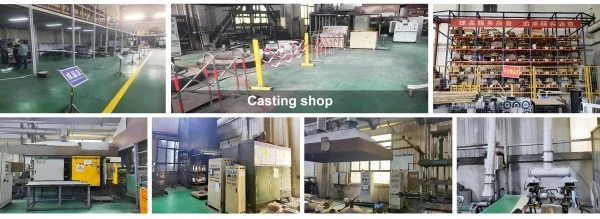
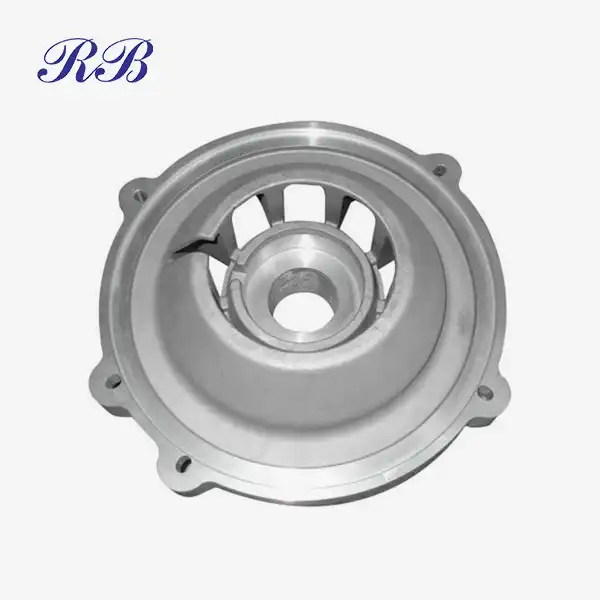
Safety equipment makers and six-way alarm control box providers all over the world rely on Rongbao Enterprise's precision aluminum casting casings for alarm device parts. Our Xi'an factory is certified with ISO9001:2015, ISO14001, and ISO45001, which means that every part meets the highest quality standards around the world. We offer full OEM/ODM customization, and each product line can produce up to 50,000 pieces, so we can help with both making prototypes and making a lot of them.
Our streamlined production process includes high-pressure die casting, precise machining, and surface treatment all in one place. This lets us make alarm control box enclosures that are safer than IP65 standards. Since 70% of our production goes to markets in Europe, North America, and Asia, we know what it takes to meet global compliance standards and deal with logistics problems. Our responsive engineering team and flexible production systems make sure that your specifications are turned into reliable, approved products every month, whether you need 500 samples or regular monthly deliveries.
To talk about your alarm control box needs, email our expert sales team at steve.zhou@263.net or zhouyi@rongbaocasting.com. Free design consultations are available, competitive quotes are sent within 48 hours, and samples are made in 3–4 weeks. You can look at all of our safety equipment manufacturing services at rongbaocasting.com.
References
- National Fire Protection Association. (2022). NFPA 72: National Fire Alarm and Signaling Code. Quincy, MA: NFPA Publications.
- Johnson, M., & Patterson, R. (2021). Industrial Security Systems: Design, Installation, and Maintenance. Boston: Technical Press International.
- International Organization for Standardization. (2020). ISO 7240: Fire Detection and Alarm Systems Standards. Geneva: ISO Standards Catalogue.
- Williams, T. (2023). Alarm System Engineering: Modern Approaches to Zone Management. New York: Security Technology Publishers.
- European Committee for Standardization. (2021). EN 54 Series: Fire Detection and Fire Alarm Systems Components. Brussels: CEN Publications.
- Anderson, K., & Liu, H. (2022). Comparative Analysis of Multi-Zone Alarm Architectures in Industrial Facilities. Journal of Safety Engineering, 48(3), 215-234.
_1750923522843.webp)