- English
- French
- German
- Portuguese
- Spanish
- Russian
- Japanese
- Korean
- Arabic
- Greek
- German
- Turkish
- Italian
- Danish
- Romanian
- Indonesian
- Czech
- Afrikaans
- Swedish
- Polish
- Basque
- Catalan
- Esperanto
- Hindi
- Lao
- Albanian
- Amharic
- Armenian
- Azerbaijani
- Belarusian
- Bengali
- Bosnian
- Bulgarian
- Cebuano
- Chichewa
- Corsican
- Croatian
- Dutch
- Estonian
- Filipino
- Finnish
- Frisian
- Galician
- Georgian
- Gujarati
- Haitian
- Hausa
- Hawaiian
- Hebrew
- Hmong
- Hungarian
- Icelandic
- Igbo
- Javanese
- Kannada
- Kazakh
- Khmer
- Kurdish
- Kyrgyz
- Latin
- Latvian
- Lithuanian
- Luxembou..
- Macedonian
- Malagasy
- Malay
- Malayalam
- Maltese
- Maori
- Marathi
- Mongolian
- Burmese
- Nepali
- Norwegian
- Pashto
- Persian
- Punjabi
- Serbian
- Sesotho
- Sinhala
- Slovak
- Slovenian
- Somali
- Samoan
- Scots Gaelic
- Shona
- Sindhi
- Sundanese
- Swahili
- Tajik
- Tamil
- Telugu
- Thai
- Ukrainian
- Urdu
- Uzbek
- Vietnamese
- Welsh
- Xhosa
- Yiddish
- Yoruba
- Zulu
Key Considerations for Sourcing Explosion Proof Pull Box
When sourcing explosion proof pull box solutions for hazardous industrial environments, procurement managers face a critical decision that directly impacts workplace safety and operational continuity. These specialized enclosures protect electrical connections in volatile atmospheres where flammable gases, combustible dusts, or ignitable fibers exist. Understanding the right specifications, certifications, and supplier capabilities ensures your equipment meets rigorous safety standards while delivering cost-effective performance. The selection process requires careful evaluation of material quality, manufacturing precision, and compliance documentation to avoid costly downtime or regulatory penalties.
Explosion-Proof Pull Boxes: Functionality and Key Features
Electrical systems in dangerous places need special junction box covers that hold possible sources of ignition. These protective casings do two things: they keep important wiring connections safe and stop internal sparks or heat from setting off dangerous atmospheres around them.
How Containment Mechanisms Work
The engineering behind these safety devices is based on making sure they can handle changes in internal pressure without breaking. High-strength casting alloys, especially ZL104 aluminum alloy, give structures of explosion proof pull box the strength they need to hold explosions with pressures up to ten times normal atmospheric pressure. This material is strong and doesn't rust, so it can be used in places like petrochemical plants, mines, and chemical processing plants where the environment is always testing the durability of equipment.
Material Selection and Performance Standards
Aluminum alloys, such as ZL104, have great mechanical qualities that make them ideal for use in explosion proof pull boxes. In low-pressure casting methods, this metal makeup gives better casting fluidity, which makes dense, void-free parts that weigh about 0.25 kg per unit. Because it is lightweight, it requires less work to install, but it still has the strength needed for Class I, Division 1 dangerous areas. Surface treatments like powder coating or spraying give more protection against chemicals and weathering, which makes them last longer in harsh industrial settings.
Certification Requirements for Compliance
Explosion-proof equipment has to meet strict testing guidelines set by international safety standards. The ISO9001:2015 certification shows that a company is dedicated to quality management systems. The ISO14001 and ISO45001 certifications check that the company follows good practices for protecting the environment and workers' health. These validations by a third party give procurement teams confidence that the products meet safety standards that are known to be safe. Explosion-proof cabinets need to meet area classification standards like ATEX for European markets, IECEx for international uses, and UL listings for North American installations. This is in addition to general quality certifications.
Industry Applications and Real-World Use Cases
Offshore drilling platforms use these protective enclosures to keep electrical junctions safe in places where methane and hydrogen sulfide levels are always high and could cause an explosion. They are used by facilities that handle grains to keep dust from exploding in grinding and storage areas. Paint factories put these junction box covers near the stations where solvents are mixed, because the amount of smoke there changes during production cycles. Each use needs its own ingress protection grades and temperature classes that are based on the type of danger.
Comparing Explosion-Proof Pull Boxes: Making the Right Choice
To choose the right protective containers, you need to know how the different styles solve different operating problems. Standard electricity boxes don't have the flame-path planning and reinforced building that are needed for dangerous settings.
Design Differences from Standard Junction Boxes
The housings of traditional junction boxes are made of thin-gauge stamped steel or plastic that is good for safe environments. Explosion proof pull boxes, on the other hand, have bodies made of precision-machined cast metal and threaded covers that keep flames out. In hazardous-rated shelters, the wall thickness is usually more than 6mm, while in normal boxes it's only 1-2mm. This strong design keeps flames from spreading thru joints and can withstand the kind of mechanical effects that happen in industrial settings. Threaded entries with multiple engagement threads make sure that conduit connections stay strong even when they are vibrating or changing temperatures.
Stainless Steel Versus Aluminum Trade-offs
The choice of material affects both the cost of the initial investment and the cost over the life of the product. In places that are very acidic or basic, like chemical processing units or ocean platforms, stainless steel containers are better at resisting corrosion. They do, however, cost 40–60% more to make and are heavier, which makes fitting more difficult. Alternatives to aluminum alloys like ZL104 are very resistant to rust thanks to protection coatings and natural oxide formation. They also have a good strength-to-weight ratio. With low-pressure casting, aluminum parts can have the same mechanical properties as many types of steel but are much lighter, making them easier to handle during installation and maintenance.
Understanding IP and NEMA Ratings
Ingress protection ratings tell you how resistant an enclosure is to solid particles and liquids getting in. IP66 grades mean that the device is completely dust-tight and can withstand strong water jets. It is perfect for use outdoors or in washdown areas. In marine or chemical exposure situations, NEMA 4X adds standards for corrosion protection. By matching these scores to the conditions at the spot, early failure can be avoided. For warehouses inside, a shelter with an IP54 rating might be enough. But for coastal factories, IP66 or IP67 ratings are needed to protect against salt spray and heavy rain.
Value Analysis Beyond Purchase Price
When buying explosion proof pull box, people who only look at the unit cost often don't think about the total costs of owning. Non-certified enclosures may have low prices, but they put businesses at risk of liability, insurance problems, and even fines from the government. A properly certified explosion-proof junction box from a well-known manufacturer with ISO certifications shows that the rules have been followed, which cuts down on inspection delays and audit problems. The extra cost difference is usually less than 2% of the total project budget for electricity, but it eliminates a huge risk
Advantages and Long-Term Value of Explosion-Proof Pull Boxes
Buying approved protective shelters pays off in a way that can be measured: they improve safety performance and operating efficiency.
Safety Enhancement and Risk Mitigation
When explosion proof pull boxes are properly specified, they make defendable safety barriers that keep people safe from electrical hazards in volatile environments. These devices keep the most common sources of ignition, like arcing contacts, loose connections that cause resistive heating, and component failures that cause sparks, from getting to flammable materials nearby. Statistical study of industrial accidents shows that facilities using approved explosion-proof equipment have much lower rates of fire and explosions than operations in classified areas that use standard electrical components. This record of safety directly leads to lower insurance rates, lower workers' compensation costs, and higher happiness among workers.
Durability and Maintenance Benefits
The strong building of explosion proof pull boxes goes well beyond the bare minimum of safety standards. Cast aluminum bodies with precisely polished mating surfaces don't break down as quickly in the environment as cast steel options do. Finishes that are powder coated or sprayed on offer extra protection against chemical attack and UV light. These qualities of durability lower the number of repair and replacement rounds. In corrosive environments, normal junction boxes might need to be replaced every three to five years. However, metal enclosures that are properly designed can last for fifteen to twenty years with only the gaskets needing to be replaced every so often. This longer service life lowers the cost of labor needed to replace parts and keeps production running as smoothly as possible during maintenance tasks.
Regulatory Compliance and Insurance Advantages
By following all OSHA, NFPA, and local electrical rules, businesses can avoid fines and orders to stop work, which can seriously mess up their production plans. As a policy condition, insurance companies often require certified tools to be used in dangerous places. Using parts that aren't compliant can void coverage, leaving companies open to huge financial losses in the event of an accident. As proof, third-party approvals from well-known testing labs are what insurers need during underwriting reviews and probes after an accident. The relatively small extra cost of certified parts doesn't seem like much when you compare it to the costs of uninsured losses or business interruption.
Total Cost of Ownership Analysis
Comprehensive cost modeling shows that approved explosion-proof enclosures are a better deal, even tho they cost more at first. When comparing certified metal enclosures to non-rated options over a 15-year service life, the certified option usually costs 8–12% less when replacement costs, upkeep labor, regulatory compliance costs, and risk-adjusted insurance costs are taken into account. This cost benefit becomes stronger in tough service situations where rust and mechanical stress speed up the breakdown of standard parts. Purchasing managers who judge suppliers based on total value instead of unit price always get better results for their companies.
Conclusion
To find the right explosion proof pull box solutions, you have to balance project deadlines and budgets with technical requirements, certification needs, and supplier capabilities. The choice of materials, the way they are made, and the quality control methods all affect how well a product works in dangerous places. Making aluminum alloy enclosures thru low-pressure casting gives you a good mix of strength, resistance to corrosion, and low cost that works well for most industrial uses. Engaging suppliers who can do all aspects of manufacturing, from creating custom molds to CNC finishing and protective coating, speeds up the buying process and ensures consistent quality. ISO-certified makers make it easier to get regulatory approvals and lower long-term operating risks because they provide proof of compliance. This makes them the best partners for procurement pros who are in charge of handling key safety infrastructure.
FAQs
What certifications should explosion-proof pull boxes carry for hazardous area installations?
Explosion-proof cabinets that are legal must have the right certifications for the market they're meant for and the level of danger they pose. In North America, installations usually need UL or CSA listings that show the Class, Division, and Group grades. European projects need ATEX approval with an Ex mark that shows how the project is protected and if it is suitable for the environment. For unified global compliance, international projects often need IECEx certification. Manufacturers should keep up with ISO9001:2015 for quality management, ISO14001 for environmental systems, and ISO45001 for health and safety at work, in addition to explosion protection certifications. These certifications for management systems show that a company is mature and has process control that helps keep product quality uniform.
How do I determine the correct size and material for my application?
First, figure out what kind of area you're in and what the weather is like. When designing for Class I gas environments vs. Class II dust environments, different things need to be thot about. Aluminum alloy containers, like those made from ZL104 material, work well in most industrial settings because they are resistant to rust and not too heavy. Even tho it costs more, stainless steel may be worth it in chemically aggressive environments. The number of circuits, the size of the conductors, and the amount of space needed for proper bend radius compliance all affect the size choice. Electrical codes require specific internal volumes based on wire gages and quantities.
Can explosion-proof pull boxes be customized for unique project requirements?
Trustworthy companies that offer OEM and ODM services can make junction box covers that fit the needs of a particular project. Customization options usually include entry patterns that aren't standard, different mounting arrangements, custom sizes, and different coating colors. Low-pressure casting methods make it affordable to make custom molds, and with low minimum order amounts of 500 to 1,000 pieces, custom options are available for medium-sized projects. With the ability to make up to 5,000 units per month, even big projects can get what they need without having to wait for long lead times.
Partner with Rongbao Enterprise for Certified Explosion-Proof Solutions
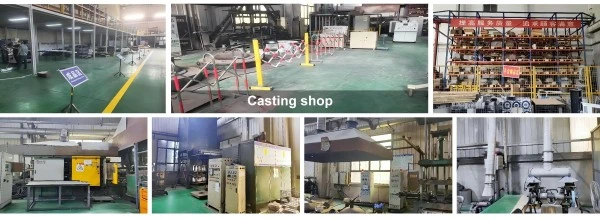
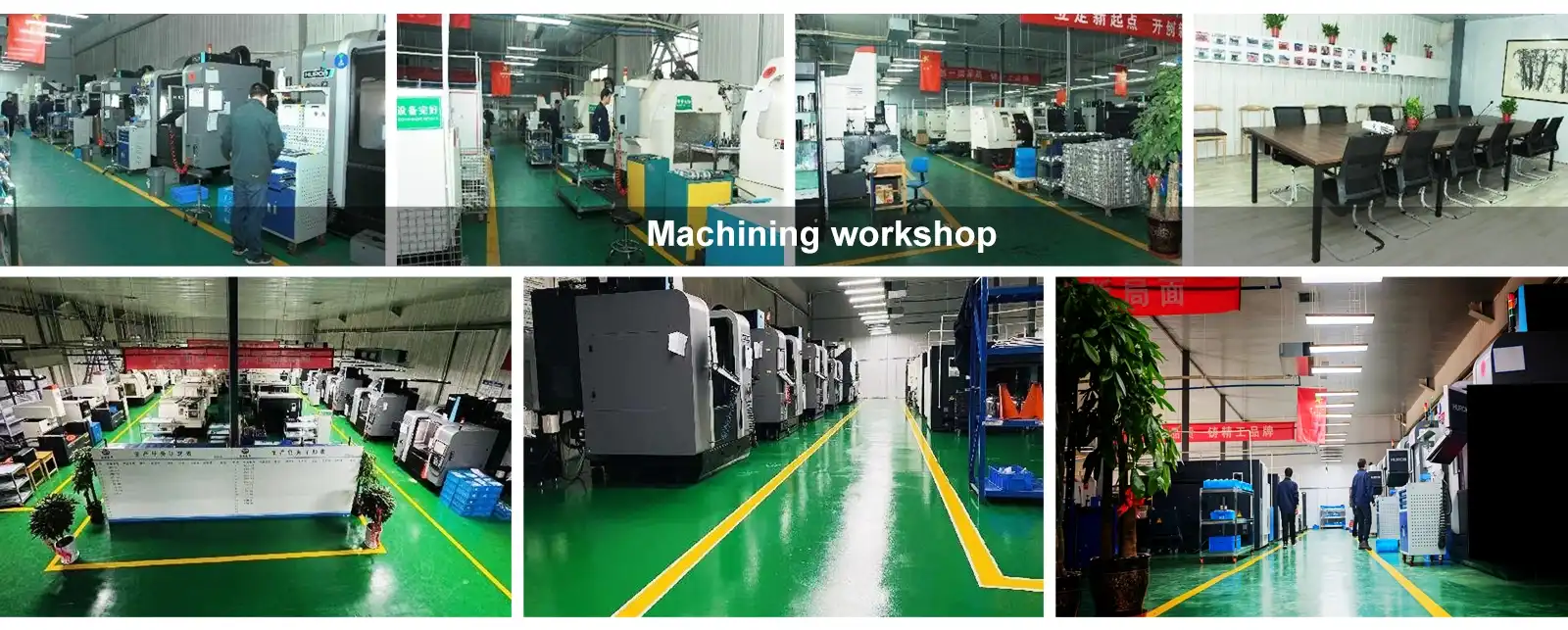
Rongbao Enterprise makes high-quality aluminum alloy junction box covers for electrical systems in dangerous areas as its main business. To offer approved explosion-proof pull box solutions that meet international safety standards, our Xi'an plant combines low-pressure casting, precise CNC machining, and professional surface treatment capability. We keep strict quality controls throughout production because we are certified to ISO9001:2015, ISO14001, and ISO45001 standards. Thru our full OEM/ODM services, our technical team works directly with procurement managers and engineers to create custom specifications that meet each customer's specific mounting needs and entry configurations. Our ability to produce more than 5,000 units per month guaranties on-time delivery for projects of any size, and our experience working with foreign markets—70% of our production is sent to Europe, North America, and Japan—shows that we can meet a wide range of legal needs. Get in touch with our engineering team at steve.zhou@263.net or zhouyi@rongbaocasting.com to talk about the details of your project and get accurate quotes from a reliable explosion-proof pull box manufacturer who cares about safety, quality, and quick service.
References
- National Fire Protection Association. (2020). NFPA 70: National Electrical Code. Quincy, MA: NFPA Publications.
- International Electrotechnical Commission. (2019). IEC 60079-0: Explosive Atmospheres - Part 0: Equipment - General Requirements. Geneva: IEC Standards.
- Underwriters Laboratories. (2018). UL 1203: Standard for Explosion-Proof and Dust-Ignition-Proof Electrical Equipment for Use in Hazardous Locations. Northbrook, IL: UL Standards.
- American Petroleum Institute. (2021). API RP 500: Recommended Practice for Classification of Locations for Electrical Installations at Petroleum Facilities. Washington, DC: API Publishing Services.
- Occupational Safety and Health Administration. (2019). OSHA 1910.307: Hazardous (Classified) Locations Compliance Guidelines. Washington, DC: U.S. Department of Labor.
- European Committee for Standardization. (2018). EN 60079 Series: Explosive Atmospheres - Equipment Protection Standards. Brussels: CEN Publications.
Learn about our latest products and discounts through SMS or email