- English
- French
- German
- Portuguese
- Spanish
- Russian
- Japanese
- Korean
- Arabic
- Greek
- German
- Turkish
- Italian
- Danish
- Romanian
- Indonesian
- Czech
- Afrikaans
- Swedish
- Polish
- Basque
- Catalan
- Esperanto
- Hindi
- Lao
- Albanian
- Amharic
- Armenian
- Azerbaijani
- Belarusian
- Bengali
- Bosnian
- Bulgarian
- Cebuano
- Chichewa
- Corsican
- Croatian
- Dutch
- Estonian
- Filipino
- Finnish
- Frisian
- Galician
- Georgian
- Gujarati
- Haitian
- Hausa
- Hawaiian
- Hebrew
- Hmong
- Hungarian
- Icelandic
- Igbo
- Javanese
- Kannada
- Kazakh
- Khmer
- Kurdish
- Kyrgyz
- Latin
- Latvian
- Lithuanian
- Luxembou..
- Macedonian
- Malagasy
- Malay
- Malayalam
- Maltese
- Maori
- Marathi
- Mongolian
- Burmese
- Nepali
- Norwegian
- Pashto
- Persian
- Punjabi
- Serbian
- Sesotho
- Sinhala
- Slovak
- Slovenian
- Somali
- Samoan
- Scots Gaelic
- Shona
- Sindhi
- Sundanese
- Swahili
- Tajik
- Tamil
- Telugu
- Thai
- Ukrainian
- Urdu
- Uzbek
- Vietnamese
- Welsh
- Xhosa
- Yiddish
- Yoruba
- Zulu
Sand Casting Process Step By Step
By pouring molten metal into a mold made of packed sand and using a pattern to create a cavity, the sand casting process creates metal parts. This tried-and-true way of making things has a few important steps: making the pattern, building the sand mold (cope and drag), taking out the pattern, adding liquid metal, controlling the cooling and solidification process, and finally breaking away the sand to get the finished casting. This foundry method is very useful because it can make things of all shapes and sizes, from small, precise parts to big engine blocks that weigh up to 50 tons. It is used a lot in the automobile, aircraft, and industrial manufacturing sectors.
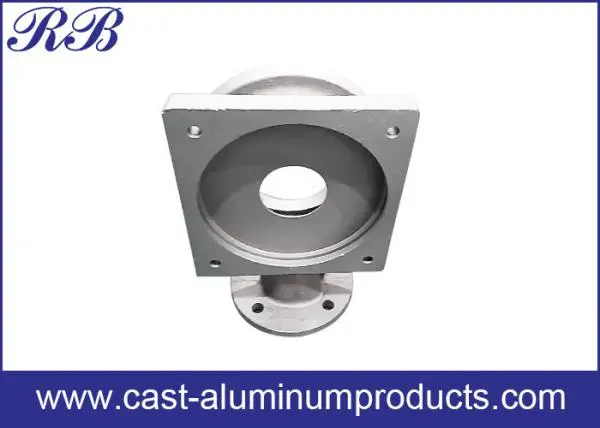
Step 1 – Pattern Making and Its Critical Role
Making patterns is the first step in getting good results from sand casting. The design makes a copy of the end part, which is what gives the sand mold its shape. Pattern design directly affects how accurate the measurements are, how smooth the surface is, and how much it costs to make the whole thing.
Types of Patterns and Material Selection
Wood patterns are cheap and work well for small-scale or prototype production, but they wear out quickly and don't hold their shape very well. For medium to high volume production runs, metal patterns made from aluminum or steel are more durable and accurate, which justifies their higher initial cost. Plastic designs are a good compromise between cost and longevity because they keep the same sizes. The choice of pattern material is based on the expected output volume, the tolerance standards, and the budget.
Design Considerations for Manufacturing Efficiency
Patterns that are carefully thought out include draft angles to help separate the mold, fillets to spread out stress, and the right amount of room to account for metal shrinking as it hardens. Optimized pattern geometry uses less sand, cuts down on the time it takes to make molds, and improves tolerances for dimensions. These factors are very important for OEMs and engineering procurement workers who need finished goods that are of high quality and meet strict requirements.
Step 2 – Mold Preparation and Core Making
The structural accuracy of sand casting parts depends on how well the mold is prepared and how well the core is made. This is especially true when internal cavities or complicated geometries are needed. This stage has a big effect on how solid and true to size the finished casting is.
Sand Types and Binder Systems
Silica sand is still the most common molding material because it is easy to get, doesn't melt in hot temperatures, and lets gases escape while metal hardens. Synthetic sands have better qualities, such as a smoother surface and better heat stability. Chemical binders, like sodium silicate and resin systems, give better strength and physical stability for precise uses. Clay-based systems are inexpensive and work well with simple shapes.
During the pouring and solidification phases, the mold's strength, permeability, and thermal resistance have a direct effect on its integrity. Not enough sand strength leads to mold erosion and changes in dimensions, and not enough permeability traps gases, which creates porosity flaws.
Core Making Techniques
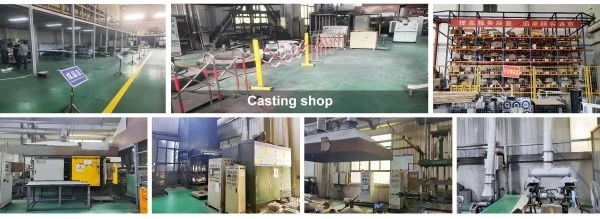
Cores make holes and undercuts inside the mold that aren't possible with basic mold designs. For low-volume production, traditional hand-core methods work well. For bigger jobs, however, automated core tools improve accuracy and throughput. Innovative 3D printed cores are becoming more popular. They can be used for fast prototyping and have complex shapes that cut lead times by 40–60% compared to traditional methods. Core design and production that work well together help reduce errors and maintain dimensional accuracy, which is still very important for B2B clients who want reliable, regular production results.
Step 3 – Melting and Pouring – Ensuring Material Integrity
It is important to get the right metallurgical and mechanical qualities in finished casts during the melting and pouring steps. Precise control during these stages makes sure that all production batches are the same and reduces the number of common mistakes.
Melting Techniques and Temperature Control
For small batches and a variety of alloys, crucible furnaces are simple and flexible. For bigger production levels, induction furnaces offer better temperature control, energy economy, and metal quality preservation. Electric arc furnaces are good for melting ferrous metals at high temperatures. Keeping the temperature within certain ranges makes sure that the fluidity is right during filling and stops oxidation and inclusion flaws that hurt the mechanical properties.
Pouring Methods and Their Impact
Gravity pouring is still the most common method because it lets the molten metal flow into the mold without any help. Controlled pouring rates stop turbulence that traps air and oxides, and keeping the right level of superheat makes sure the mold is fully filled. The design of the pouring basin, the gating systems, and the risers affect how the material solidifies, how it feeds, and how sound the final casting is. These things are very important for B2B procurement professionals who need to make sure that castings meet strict performance standards and legal requirements in areas like aerospace, automotive, and industrial equipment.

Step 4 – Cooling and Shakeout – Solidification and Mold Recovery
Controlled cooling and good shakeout operations determine how well finished castings work mechanically, how stable their dimensions are, and how much damage they do to the environment. Managing these stages correctly stops mistakes and helps with sustainability efforts.
Cooling Rate Management
The speed of solidification affects the formation of microstructures, the size of grains, and mechanical properties such as hardness and tensile strength. Rapid cooling can cause leftover strains, cracks, and distortion, especially in shapes that aren't simple. Slower, more controlled cooling helps the material solidify evenly, which lowers the chance of holes and hot tearing flaws. Advanced monitoring methods, like thermal imaging and temperature sensors, make it possible to precisely control the cooling of products. This improves product reliability for demanding industrial uses where a broken part can have major safety and financial consequences.
Shakeout and Sand Reclamation
During the shakeout phase, vibration tools or mechanical motion are used to separate the hardened casting from the sand mold that it is in. This step in the process recovery process starts sand reclaim, which cleans, screens, and reconditions used molding material so it can be used again. These days, foundries reuse 90–95% of the molding sand they use, which cuts down on the cost of raw materials and trash that ends up in landfills. Recycling sand not only saves money but also shows care for the environment, which is something that global B2B partners who are looking for suppliers with strong environmental management systems certified to ISO14001 standards care about more and more.
Step 5 – Cleaning, Finishing, and Quality Inspection
Post-casting steps are very important for making sure that finished sand casting parts work well and look good, as required by the customer. These steps turn rough casts into precisely built parts that are ready to be put together.
Surface Cleaning and Finishing Techniques
Using high-velocity abrasive media, shot blasting gets rid of stuck-on sand, oxidation scale, and surface flaws, leaving a smooth surface ready for further cutting or coating. Grinding gets rid of parting lines, gates, and risers, and fettling fixes small flaws on the surface. These steps improve the accuracy of the measurements and the way the product looks. Anodizing aluminum parts, powder coating, and heat treatment are all surface treatments that improve their resistance to corrosion, wear, and mechanical strength. This makes the parts last longer in harsh operating environments.

Quality Control and Inspection Protocols
Non-destructive testing methods make sure that the inside of the casting is sound without damaging it. X-ray radiography finds holes and inclusions, ultrasonic testing finds problems below the surface, and magnetic particle inspection finds cracks on the surface of ferrous materials. Coordinate measuring tools are used to make sure that the tolerances match the engineering plans. Chemical composition analysis makes sure that the specs of the material match the needs. These quality assurance methods make sure that castings meet strict OEM requirements and industry rules, such as the automotive IATF16949 standards. This gives procurement professionals peace of mind when they need to find parts that meet the highest quality and performance standards.
Conclusion
Procurement managers, technical engineers, and quality workers can make smart choices about where to buy things when they understand each step of the sand casting process. Pattern making makes sure that the dimensions are correct, mold preparation makes sure that the structure is strong, controlled melting and pouring keeps the material's properties, controlled cooling stops defects, and thorough finishing makes sure that the parts work. Choosing foundry partners with a wide range of skills, approved quality systems, and a history of success at all of these stages lowers the risks in the supply chain and guarantees regular, high-quality output. This base of knowledge makes it possible to work together with casting suppliers in a way that supports your company's manufacturing goals and competitive positioning.
FAQs
What metals work best for sand casting applications?
A lot of different metals and alloys can be used in sand casting. Iron and steel alloys are good for building strong structures in the auto and heavy machinery industries. For aircraft and car parts, aluminum alloys like A356 have great strength-to-weight ratios. Bronze and brass don't rust, which makes them good for marine and decorative uses. The choice of material is based on the needed mechanical properties, the working climate, the amount of output, and the cost. Talking to foundries with a lot of experience can help you find the best alloy specifications for your needs and budget.
How can casting defects be minimized?
Getting rid of defects requires optimizing the whole process at many steps. Mold damage during separation can be avoided by designing the pattern correctly with the right draft angles and edges. Mold strength and permeability are guaranteed by good sand preparation with the right binder systems. Controlled melting temperatures and clean metal make it so that flaws and gas holes are less common. The best design for the gates and risers encourages directional solidification and feeds shrinking well. Tough quality control, such as process monitoring and inspection, finds problems early so they can be fixed before they spread to other batches of production.
What are typical lead times for standard orders?
Lead times are different for each complexity, size, quantity, and supplier. It may take 4 to 6 weeks from the time you place an order for simple parts that are already in production. It could take 10 to 14 weeks for complex shapes that need new patterns and a lot of testing. Custom jobs that involve mold growth take an extra two to four weeks. When quoting, being clear about what is needed and what is reasonable helps the planning process go more smoothly and avoids delays that cost a lot of money.
Partner With Rongbao Enterprise for Reliable Sand Casting Solutions
Metal casting procurement is hard to understand, so you need a sand casting supplier with technical know-how, production capacity, and quality control. Rongbao Enterprise has been a factory for 20 years, working with companies around the world that make cars, building equipment, and industrial equipment. We can do everything from designing parts to finishing them. This includes gravity casting, low-pressure casting, high-pressure die casting, precision machining, mold development, and surface treatment.
We keep up with our ISO9001, ISO14001, and ISO45001 certifications, which make sure that our management is consistent and that we meet all global standards. Our full-chain quality control method checks materials from the time they come in until they are delivered as finished products. This makes sure that the casts meet international standards. We understand the strict OEM requirements and supply chain reliability expectations because 70% of our production is sent to Europe, the United States, and Japan.
Our team is ready to help you reach your manufacturing goals, whether you need expert advice, prototype examples, or quotes for high-volume production. Steve Zhou can be reached at steve.zhou@263.net or zhouyi@rongbaocasting.com to talk about how Rongbao Enterprise's sand casting manufacturer services can help you with your purchasing needs and make you more competitive. Visit rongbaocasting.com to learn more about our full range of foundry services and see why partners around the world trust us to provide precision metal casting solutions.
References
- American Foundry Society. (2021). Metalcasting Process Fundamentals: Sand Casting Technology and Applications. Schaumburg, IL: AFS Publications.
- Campbell, J. (2015). Complete Casting Handbook: Metal Casting Processes, Metallurgy, Techniques and Design (2nd ed.). Oxford: Butterworth-Heinemann.
- Brown, J.R. (2018). Foseco Ferrous Foundryman's Handbook (11th ed.). Oxford: Butterworth-Heinemann.
- Beeley, P.R. & Smart, R.F. (2017). Investment Casting and Sand Casting: Comparative Analysis of Manufacturing Methods. Materials Science and Engineering Journal, 45(3), 287-302.
- Clegg, A.J. (2019). Precision Casting Processes: Design for Manufacturing in Modern Foundries. London: Institute of Materials, Minerals and Mining.
- International Organization for Standardization. (2020). ISO 8062-3:2020 Geometrical Product Specifications (GPS) – Dimensional and Geometrical Tolerances for Moulded Parts. Geneva: ISO Publications.
Learn about our latest products and discounts through SMS or email