- English
- French
- German
- Portuguese
- Spanish
- Russian
- Japanese
- Korean
- Arabic
- Greek
- German
- Turkish
- Italian
- Danish
- Romanian
- Indonesian
- Czech
- Afrikaans
- Swedish
- Polish
- Basque
- Catalan
- Esperanto
- Hindi
- Lao
- Albanian
- Amharic
- Armenian
- Azerbaijani
- Belarusian
- Bengali
- Bosnian
- Bulgarian
- Cebuano
- Chichewa
- Corsican
- Croatian
- Dutch
- Estonian
- Filipino
- Finnish
- Frisian
- Galician
- Georgian
- Gujarati
- Haitian
- Hausa
- Hawaiian
- Hebrew
- Hmong
- Hungarian
- Icelandic
- Igbo
- Javanese
- Kannada
- Kazakh
- Khmer
- Kurdish
- Kyrgyz
- Latin
- Latvian
- Lithuanian
- Luxembou..
- Macedonian
- Malagasy
- Malay
- Malayalam
- Maltese
- Maori
- Marathi
- Mongolian
- Burmese
- Nepali
- Norwegian
- Pashto
- Persian
- Punjabi
- Serbian
- Sesotho
- Sinhala
- Slovak
- Slovenian
- Somali
- Samoan
- Scots Gaelic
- Shona
- Sindhi
- Sundanese
- Swahili
- Tajik
- Tamil
- Telugu
- Thai
- Ukrainian
- Urdu
- Uzbek
- Vietnamese
- Welsh
- Xhosa
- Yiddish
- Yoruba
- Zulu
Is sand casting difficult?
The simple answer is that sand casting is not hard in and of itself; it's a well-known method for making metal parts by putting liquid metal into molds made of packed sand. Not the basic method itself is hard; it's getting good at the things that change quality and consistency. The results are affected by the choice of material, the accuracy of the mold design, and the environmental controls. When used with an experienced factory that knows these things, it can be a reliable and cost-effective way to make parts ranging from tiny pins to huge engine blocks.
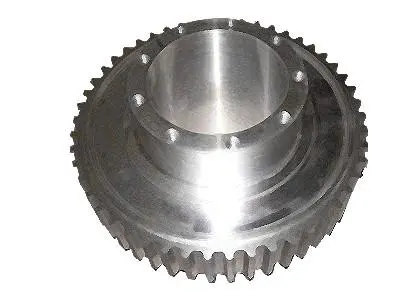
Complexity of Sand Casting
Many buyers are unsure about metal casting because they don't know if this old method can meet their needs for accuracy. In fact, the trouble people think they are having with sand casting is often caused by misunderstandings rather than real problems.
Distinguishing Myths from Reality
In the last twenty years, the foundry business has changed a lot. A lot of manual skill used to be needed, but now advanced materials science and digital monitoring are also used. Tolerances and surface finishes that were not possible in the past can be reached in modern foundries. If a buyer is worried about the accuracy of the dimensions or the strength of the structure, modern casting techniques can produce results that are just as good as more expensive methods if they are done correctly. The most important thing is to choose a partner with full quality control systems instead of assuming that all foundries are capable of the same things.
Factors That Influence Process Complexity
A casting project's level of difficulty depends on a number of factors. The material you use is very important. For example, aluminum metals flow differently than steel or bronze, so the temperature at which you pour them and the rate at which they cool down need to be changed. Component shape adds another thing to think about. Parts with thin walls, complicated internal passages, or fine details on the outside need more complex mold design and core making. Conditions in the environment are also important. Sand's qualities are affected by humidity, and cooling patterns are affected by the temperature of the area. These factors are taken into account by experienced suppliers through standard procedures and controlled environments.
Complexity is also affected by the amount of production. When making thousands of units, you need to use different methods than when making a single sample. Batch sizes affect how long molds last and how the finishing process works. When procurement teams understand these connections, they can set realistic goals for lead times and costs. A foundry that knows a lot about the process can help with material swaps or design changes that keep the usefulness while making it easier to make.
Challenges in Sand Casting: Causes and Solutions
Even though sand casting of making things is reliable, it comes with some problems that affect quality and delivery times. Buying companies can better judge the skills of suppliers when they are aware of these problems.
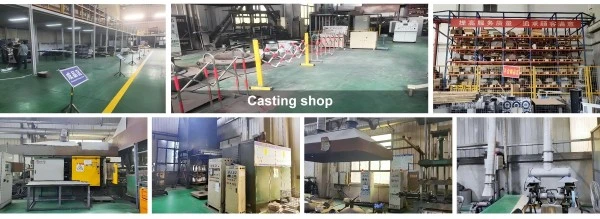
Common Defects and Their Root Causes
One of the most common worries is still porosity. When gas is trapped during solidification, it leaves holes in the structure that weaken it. This flaw usually happens because the sand mixture has too much water, the mold design doesn't allow enough air flow, or the hot metal doesn't degas properly. Pattern wear, uneven sand compaction, or wrong calculations of thermal expansion can all lead to errors in measurements. The surface roughness is determined by the type of glue and the size of the sand grains. When cooling rates range across different section widths, shrinkage cracks appear.
There are clear reasons for each of these problems. When you reuse sand that hasn't been properly cleaned and reconditioned, contaminants can get in. Maintaining patterns has a direct effect on repeatability; molds made from worn or damaged patterns can't be made consistently. The difference between good casts and scrap is how well the temperature is controlled during the filling process. Statistical process control helps foundries keep an eye on these factors and spot trends before they become systemic problems.
Proven Best Practices for Mitigation
Leading manufacturers make sure that their operations are safe in many ways. Material testing starts with checking the arriving sand and metal. Moisture content gets monitored continuously, with automatic adjustments to binder ratios. Schedules for pattern inspection keep wear and tear from affecting production. Pouring is done by following written directions that spell out temperatures, fill rates, and safety rules. Non-destructive testing finds problems inside parts before they get to customers.
More assurance comes from using advanced inspection methods. An X-ray shows porosity that can't be seen from the surface. Tolerances are confirmed by using coordinate measuring machines to measure dimensions. Material properties are confirmed by mechanical testing. Suppliers who have ISO9001 certification keep quality management systems that are written down and follow standard procedures. This methodical approach turns casting from an art to a science, giving buyers of cars, building equipment, and industrial machines the consistency they need.
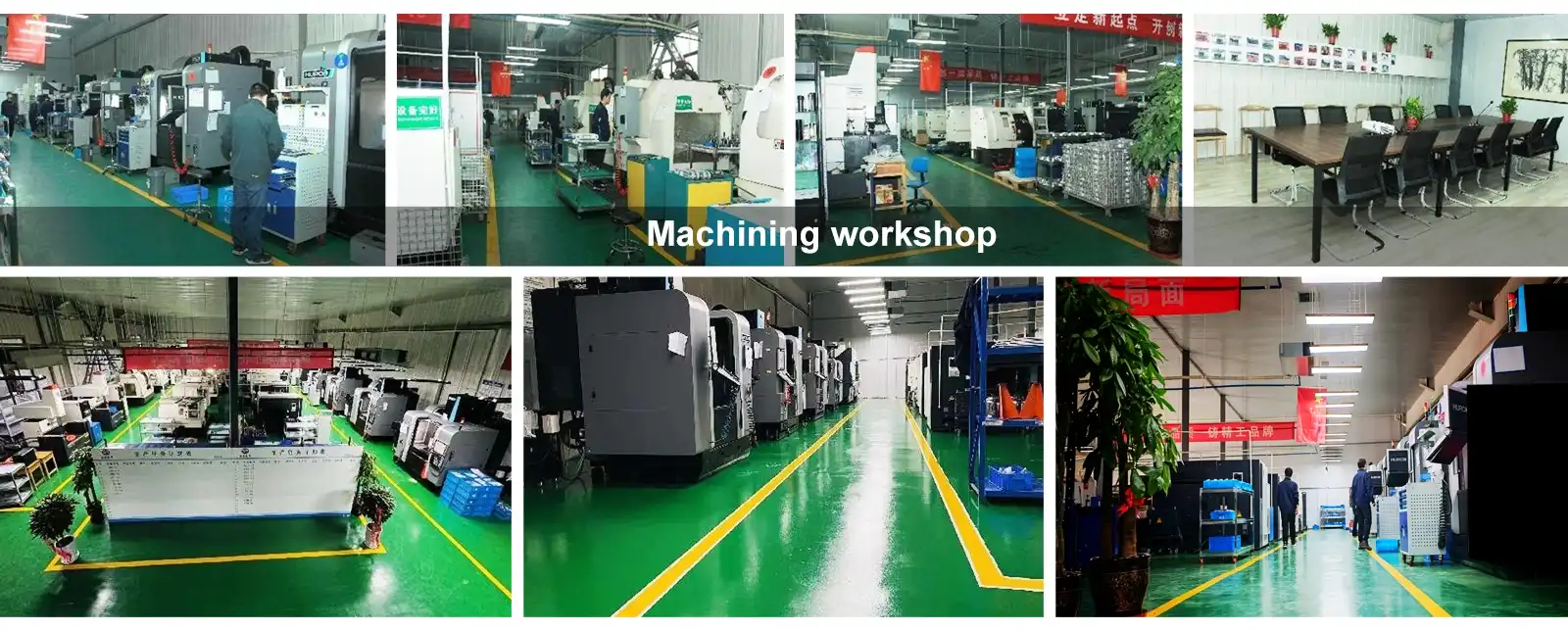
When Is Sand Casting the Right Choice?
This method has clear benefits that make it perfect for certain tasks, but knowing its limits is important for choosing the right technology.
Advantages in B2B Procurement Contexts
For low to medium volume production, cost efficiency stands out. The cost of tools is still much lower than the cost of permanent molds or die casting. Patterns usually cost between a few hundred and a few thousand dollars, while metal dies can cost tens of thousands of dollars. Because of this, sand casting is a good way to make samples, replacement parts, and items whose volume estimates aren't clear.
Design freedom lets you work with complicated shapes and a wide range of sizes. The basic process can be used to make parts that weigh anywhere from ounces to fifty tons. This makes it useful for a lot of different things, like gearbox housings for cars, chassis parts for construction equipment, and pump bodies for factories. It works with both ferrous and non-ferrous alloys, like steel, aluminum, bronze, gray iron, ductile iron, and specialty alloys. When buyers need more than one type of component, they can cut down on the number of suppliers they need to work with by working with foundries that can handle a wide range of materials.
Limitations and Alternative Considerations
For uses that depend on how the surface looks, it usually needs extra processing. As-cast surfaces have a sand-like texture, but automatic finishing methods can make them better for less money. Dimensional standards are good enough for most structural uses, but they are not as precise as investment casting or cutting. To get the precision needed, critical parts are often machined after casting.
It takes longer to make than high-pressure die casting. Making the mold, letting it cool, and finishing all take longer than expected. Die casting's higher tooling cost is sometimes worth it for high-volume production. The better ability to reproduce details in investment casting may be useful for making complicated thin-wall parts. Instead of just looking at the piece price, buyers should think about the total cost of ownership. The best method to use is determined by the lead time needed, the expected number, and the quality standards.
Applications that work well show that this method works. A company that makes big machinery gets large bearing housings that would be too expensive to make by forging or milling them. Before investing in high-volume die casting tools, an automotive supplier makes prototype engine blocks for development programs. Builders of industrial equipment need custom valve bodies in small enough quantities that it wouldn't be cost-effective to make a permanent mold. These examples show that the best value comes from matching the process's capabilities to the needs of the application.

Conclusion
Sand casting complexity is more influenced by source knowledge and quality systems than by the intrinsic difficulty of the process itself. Material science, process controls, and improved inspection help modern foundries turn this old way of making things into an exact and reliable way to make things. Professionals in procurement can improve outcomes by learning about the factors that affect them, such as the choice of material, design factors, volume needs, and technological capabilities. Partnering with makers that have a wide range of quality certifications, different production capabilities, and a dedication to constant improvement is the best way to make sure that projects in the energy, construction, automobile, and construction industries go smoothly.
FAQs
What tolerance levels can sand casting achieve?
Dimensional tolerances usually fall between 0.030 and 0.125 inches, but this can change based on the size and shape of the casting. To meet stricter requirements, critical parts are often machined after casting. Reputable foundries help buyers balance their needs with costs by giving them tolerance advice during the design phase.
How long does the tooling last in sand casting production?
Pattern life depends on the material and the number of items that are made. Tens of thousands of uses are possible for metal patterns, but only hundreds to low thousands of uses are possible for wood designs. Maintenance that is done right makes tools last a lot longer. Suppliers usually give figures for amortizing tooling costs based on how much the product is expected to be sold.
Can sand casting meet automotive industry quality standards?
Modern foundries often work with auto OEMs and tier suppliers, and they are certified with both ISO9001 and IATF16949. A lot of different quality control systems, like statistical process control and advanced NDT methods, make sure that parts meet strict car standards for uses that are very important to safety.
What minimum order quantities are typical?
Economic lot sizes depend on how complicated and big the parts are. For cost-efficiency, small parts might need hundreds of units, while tens of units of large parts can work. A lot of foundries can handle trial numbers, but the cost per piece is higher than for production runs.
Partner with Experienced Sand Casting Manufacturers
Rongbao Enterprise has been a foundry for twenty years and can help procurement professionals find trusted metal component sources. We can do high-pressure die casting, low-pressure methods, gravity casting, and precise machining, and we can work with a wide range of materials, including aluminum, steel, iron, and specialty metals. We keep strict quality standards that meet global compliance expectations thanks to our ISO9001, ISO14001, and ISO45001 certifications. Our automated production facilities can handle both small orders for prototypes and large orders with strict delivery schedules. Seventy percent of what we make goes to markets in Europe, the United States, and Japan, which shows that we are committed to meeting international quality standards. In addition to providing parts, we also provide complete solutions that include mold creation, surface treatment, and design-for-manufacturing advice. Our technical team has the knowledge to make sure that your application meets functional requirements while also being easy to make. This is true whether it's for car powertrains, building equipment, industrial machinery, or energy sector components. Steve Zhou can be reached at steve.zhou@263.net or zhouyi@rongbaocasting.com to talk about your project needs and find out how our sand casting services can help your supply chain. You can see all of our production services at rongbaocasting.com.
References
- Campbell, J. (2015). Complete Casting Handbook: Metal Casting Processes, Metallurgy, Techniques and Design. Butterworth-Heinemann.
- Brown, J.R. (2018). Foseco Ferrous Foundryman's Handbook. Butterworth-Heinemann, 11th Edition.
- American Foundry Society (2020). Metalcasting Process Overview and Fundamentals. AFS Technical Publications.
- ASM International Handbook Committee (2017). Casting Design and Performance. ASM Handbook Volume 15.
- Beeley, P.R. & Smart, R.F. (2014). Investment Casting: Materials, Methods and Applications. Institute of Materials.
- Stefanescu, D.M. (2019). Science and Engineering of Casting Solidification. Springer International Publishing, 3rd Edition.
Learn about our latest products and discounts through SMS or email