- English
- French
- German
- Portuguese
- Spanish
- Russian
- Japanese
- Korean
- Arabic
- Greek
- German
- Turkish
- Italian
- Danish
- Romanian
- Indonesian
- Czech
- Afrikaans
- Swedish
- Polish
- Basque
- Catalan
- Esperanto
- Hindi
- Lao
- Albanian
- Amharic
- Armenian
- Azerbaijani
- Belarusian
- Bengali
- Bosnian
- Bulgarian
- Cebuano
- Chichewa
- Corsican
- Croatian
- Dutch
- Estonian
- Filipino
- Finnish
- Frisian
- Galician
- Georgian
- Gujarati
- Haitian
- Hausa
- Hawaiian
- Hebrew
- Hmong
- Hungarian
- Icelandic
- Igbo
- Javanese
- Kannada
- Kazakh
- Khmer
- Kurdish
- Kyrgyz
- Latin
- Latvian
- Lithuanian
- Luxembou..
- Macedonian
- Malagasy
- Malay
- Malayalam
- Maltese
- Maori
- Marathi
- Mongolian
- Burmese
- Nepali
- Norwegian
- Pashto
- Persian
- Punjabi
- Serbian
- Sesotho
- Sinhala
- Slovak
- Slovenian
- Somali
- Samoan
- Scots Gaelic
- Shona
- Sindhi
- Sundanese
- Swahili
- Tajik
- Tamil
- Telugu
- Thai
- Ukrainian
- Urdu
- Uzbek
- Vietnamese
- Welsh
- Xhosa
- Yiddish
- Yoruba
- Zulu
Sand Burning Defect In Casting
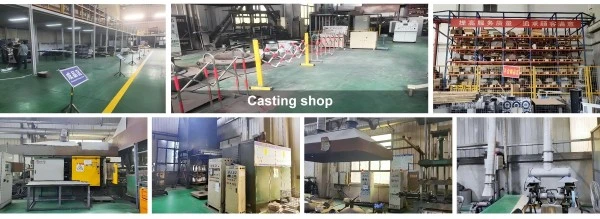
Sand burning defects represent one of the most challenging quality issues in the sand casting industry, causing significant production delays and cost overruns across automotive, construction, and industrial equipment sectors. These defects occur when sand molds react adversely with molten metal during the casting process, creating surface imperfections, discoloration, and structural weaknesses that compromise component integrity. Understanding and preventing sand burning defects is crucial for procurement managers, quality engineers, and technical professionals who demand consistent, high-quality castings for their operations. Modern foundries utilize advanced diagnostic techniques and process controls to minimize these defects, ensuring reliable production of precision components.
Understanding Sand Burning Defect in Casting
Sand burning flaws show up on cast parts as roughened surfaces, sand particles stuck in them, or metallic discoloration. These flaws usually show up as dark, burned spots where the sand mold has chemically bonded with the molten metal, making a fusion layer that is very hard to remove when the metal is finished.
Visual and Physical Manifestations
Things that are burned in sand have rough, pitted surfaces that look very much like they've been burned. Quality engineers often see metallic oxides mixed with silicate materials, which makes a glassy layer that needs a lot of work to be taken off. The severity of the defect ranges from minor surface roughness to deep penetration that can weaken the structure of important parts like engine blocks for cars or pump housings for factories.
Types and Severity Classifications
Manufacturing professionals categorize sand burning defects into three primary classifications:
- Surface burning only affects the top layer, so it usually doesn't need much extra work.
- Penetration burning goes deeper into the casting material, which could change the tolerances for size.
- Chemical burning causes complicated metal reactions that might mean the whole part has to be thrown away.
These categories help quality control teams set up the right inspection procedures and check to see if parts meet OEM requirements. According to technical documents from major foundries, surface burning makes up about 60% of reported cases. Penetration burning, on the other hand, is the most expensive type because it leads to higher scrap rates.
Analyzing the Root Causes of Sand Burning Defects
Systematic diagnostic methods that combine visual inspection with lab analysis are needed to get rid of defects effectively. To be a good engineer, you need to know how the different types of sand, metals, and temperatures all interact with each other to cause burning.
Systematic Inspection Strategies
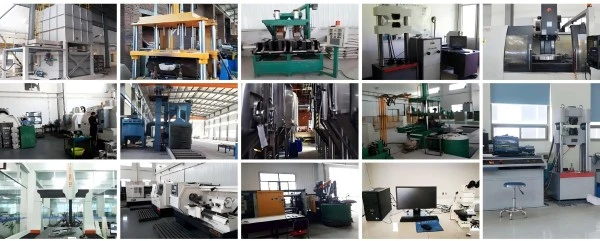
Modern foundries have thorough inspection procedures that start when the mold is being made and end when the final part is delivered. The main goal of visual examination methods is to find patterns that make sand burning different from other casting flaws like inclusions or porosity. As part of laboratory tests, spectrographic analysis of affected areas is used to find out how much the sand and metal are reacting chemically.
Technical Influences and Environmental Factors
Multiple factors that affect the risk of burning must be carefully controlled in sand casting operations. The makeup of the sand is very important. Sands with a lot of silica are more likely to react chemically with some alloys. The amount of moisture affects how mold grows and how gases escape, and venting systems that don't work right can lead to hot spots that make it easier for fires to start.
Controlling the pouring temperature is also very important, since too much heat makes it more likely that sand and metal will react. According to data from the industry, keeping pouring temperatures within certain ranges can cut down on burning flaws by as much as 40%. Techniques for preparing the mold, such as using the right ramming density and surface treatments, have a big effect on the quality of the final casting.
Proven Techniques to Prevent and Control Sand Burning Defects
To stop sand burning, prevention strategies focus on making processes run more smoothly and choosing the right materials. Leading foundries have come up with complete approaches to defect control that cover both the technical and practical sides of the job.
Process Improvements and Material Selection
Effective prevention programs are built on high-quality sand systems that are made to withstand high temperatures. When it comes to casting high-temperature alloys, chromite sands and certain synthetic materials work better than regular silica sands. Modern binder systems make the mold stronger while keeping it stable at high temperatures during the casting process.
Protocols for controlling temperature make sure that metals stay fluid without getting too hot, which can start chemical reactions. Automated pouring systems that can precisely measure temperature help keep the right temperature conditions. Because of these advances in technology, manufacturers can now get defect rates below 2% in important uses.
Quality Control Processes
Real-time monitoring and predictive analytics are both parts of comprehensive quality management systems that find potential defects before they affect production. On-site checks during mold preparation help make sure that the sand is properly prepared and that the right amount of moisture is present. Modern testing tools can find changes in temperature that could mean that there isn't enough air flow or that the process isn't going as planned.
Statistical process control methods keep an eye on important factors like the properties of the sand, the conditions of the pour, and the weather. This approach, which is based on data, allows for ongoing improvement projects that steadily lower the number of defects while keeping production levels high.

Comparison of Sand Burning Defect Solutions and Service Providers
Business-to-business procurement teams need partners they can trust who understand how difficult it is to manage sand casting defects and can offer long-term solutions that fit their needs and their budgets.
Traditional Versus Modern Methodologies
Traditional foundry methods often use reactive methods that fix problems after they happen, which leads to more waste and longer lead times. Modern methods stress preventative measures backed by advanced tools for tracking processes and looking at data. When compared to older methods, these new methods usually get rid of 50 to 70% of the defects caused by burning.
Evaluation Criteria for Service Providers
When procurement professionals choose foundry partners, they should look at a few important factors:
- Technical expertise in metalworking and making the best use of sand systems
- Quality certifications, such as ISO 9001 and standards specific to the industry
- Process capabilities that include everything from making patterns to finishing touches
- Track record of consistently good performance in similar applications
Service providers that offer full solutions, from design advice to production support, usually offer better value than vendors that only offer one service. Being able to offer technical support during the development of a product can help avoid costly design flaws before production starts.
Best Practices for Managing Sand Casting Quality in Global B2B Procurement
For international supply chains to have effective quality management, they need structured approaches that make sure performance is the same across all suppliers and regions.
Supplier Audits and Certifications
Comprehensive programs for evaluating suppliers should include in-depth checks of the foundry's skills, quality systems, and technical know-how. On-site audits give valuable information about how things are really done and help find possible risk factors that might not be clear from paperwork alone. The certification requirements should be in line with industry standards that are important for the applications that are being thought of.
Collaborative Quality Management Systems
OEMs and foundry suppliers must work together to set quality goals that are good for both parties in order for sand casting partnerships to work. Communication about changes to specifications, performance metrics, and ways to make things better on a regular basis helps keep customer expectations and supplier capabilities in line. When people work together to solve a problem, they often come up with new ideas that help everyone.
Proactive risk management strategies include diversified supplier bases and contingency planning for potential quality issues. Software tools for quality analysis let you keep an eye on key performance indicators in real time and act quickly when problems arise. Most of the time, these methodical approaches lead to more reliable delivery and lower total cost of ownership.

Conclusion
Manufacturing who need high-quality cast parts face a lot of problems when sand burning defects happen, but systematic prevention strategies can effectively lower the number of times they happen. To effectively manage defects, it is necessary to identify the underlying causes, use tried-and-true control methods, and choose reliable suppliers. Foundries that care about quality and invest in advanced process technologies and full quality systems provide better value by lowering the amount of scrap metal they produce, making deliveries faster, and making parts more reliable. When evaluating potential suppliers, B2B procurement teams that put these skills at the top of their list usually get better long-term results while keeping costs low in tough market conditions.
Partner with Rongbao Enterprise for Superior Sand Casting Solutions
Rongbao Enterprise stands as your trusted sand casting manufacturer, delivering two decades of expertise in defect-free casting production. Our comprehensive quality management system, certified to ISO9001, ISO14001, and ISO45001 standards, uses advanced process controls and strict inspection protocols to make sure that all sand burning defects are eliminated. We meet the highest international quality standards and offer cost-effective solutions for applications in automotive, construction, and industrial equipment. This is because 70% of our production is sent to Europe, the United States, and Japan. Get in touch with our technical team at steve.zhou@263.net or zhouyi@rongbaocasting.com to talk about your specific needs and find out how our integrated manufacturing capabilities can help you make your supply chain more reliable.
FAQs
What are the primary causes of sand burning defects?
Sand burning defects result from chemical reactions between sand molds and molten metal at high temperatures. Some common causes are too high of pouring temperatures, the wrong kind of sand, not enough mold ventilation, and poor binder quality. Poor mold preparation methods and sand systems that are contaminated also make defects more likely.
How can companies detect sand burning defects early in production?
Early detection needs a set of systematic inspection procedures, such as looking at the mold's surfaces visually, keeping an eye on the temperature while pouring, and testing the sand's properties on a regular basis. Modern foundries use thermal imaging and automated inspection systems to find areas that might have problems before they affect the quality of the final casting.
What should procurement teams look for when selecting foundry suppliers?
Some of the most important things that are looked at when judging someone are their technical knowledge in metallurgy and process control, their quality certifications, their track record with similar projects, and their ability to provide a wide range of services. Suppliers should show that they are willing to work with you to improve quality and use consistent performance metrics.
Are sand burning defects more common with certain metals?
Sand burning is more likely to happen with alloys that melt at higher temperatures, like steel and high-temperature aluminum alloys, than with alloys that melt at lower temperatures, like zinc or lead-based alloys. The chemical make-up of both the metal and sand systems affects how likely it is that they will react.
What are the typical costs associated with sand burning defects?
Costs related to defects include more scrap, longer lead times, more machining operations, and the chance that a customer will make a quality claim. According to studies from the industry, comprehensive prevention programs usually cut the total cost of defects by 40 to 60 percent compared to reactive approaches.
References
- Campbell, John. "Complete Casting Handbook: Metal Casting Processes, Metallurgy, Techniques and Design." Second Edition. Butterworth-Heinemann, 2015.
- Brown, James R. "Foseco Foundryman's Handbook: Facts, Figures and Formulae." Eleventh Edition. Pergamon Press, 2000.
- Stefanescu, Doru M. "Science and Engineering of Casting Solidification." Third Edition. Springer International Publishing, 2015.
- American Foundry Society. "Sand Casting Defects: Causes and Cures." AFS Technical Publication, 2018.
- Beeley, Peter R. "Foundry Technology." Second Edition. Butterworth-Heinemann, 2001.
- Davis, Joseph R. "Cast Iron: ASM Specialty Handbook." ASM International Materials Park, 1996.


Learn about our latest products and discounts through SMS or email