- English
- French
- German
- Portuguese
- Spanish
- Russian
- Japanese
- Korean
- Arabic
- Greek
- German
- Turkish
- Italian
- Danish
- Romanian
- Indonesian
- Czech
- Afrikaans
- Swedish
- Polish
- Basque
- Catalan
- Esperanto
- Hindi
- Lao
- Albanian
- Amharic
- Armenian
- Azerbaijani
- Belarusian
- Bengali
- Bosnian
- Bulgarian
- Cebuano
- Chichewa
- Corsican
- Croatian
- Dutch
- Estonian
- Filipino
- Finnish
- Frisian
- Galician
- Georgian
- Gujarati
- Haitian
- Hausa
- Hawaiian
- Hebrew
- Hmong
- Hungarian
- Icelandic
- Igbo
- Javanese
- Kannada
- Kazakh
- Khmer
- Kurdish
- Kyrgyz
- Latin
- Latvian
- Lithuanian
- Luxembou..
- Macedonian
- Malagasy
- Malay
- Malayalam
- Maltese
- Maori
- Marathi
- Mongolian
- Burmese
- Nepali
- Norwegian
- Pashto
- Persian
- Punjabi
- Serbian
- Sesotho
- Sinhala
- Slovak
- Slovenian
- Somali
- Samoan
- Scots Gaelic
- Shona
- Sindhi
- Sundanese
- Swahili
- Tajik
- Tamil
- Telugu
- Thai
- Ukrainian
- Urdu
- Uzbek
- Vietnamese
- Welsh
- Xhosa
- Yiddish
- Yoruba
- Zulu
Efficient OEM Sand Casting Parts
Efficient OEM sand casting parts are an important part of manufacturing that offer great value in a wide range of industrial settings. Precision sand casting parts use both traditional casting methods and more modern manufacturing methods to make complicated parts that have to meet strict size requirements. This process lets manufacturers make complex geometries while keeping costs low. This makes it a great choice for OEMs that need reliable, high-quality parts.
The sand casting methodology offers unparalleled adaptability in material selection and part complexity, allowing engineers to specify custom alloys and intricate designs without the substantial tooling investments required by other manufacturing processes. Modern sand casting facilities integrate advanced quality control systems and automated production lines to ensure consistent results across large production runs. Understanding the strategic advantages of precision sand casting becomes essential for procurement professionals seeking to optimize their supply chains while maintaining competitive pricing structures.
Understanding Precision Sand Casting Parts
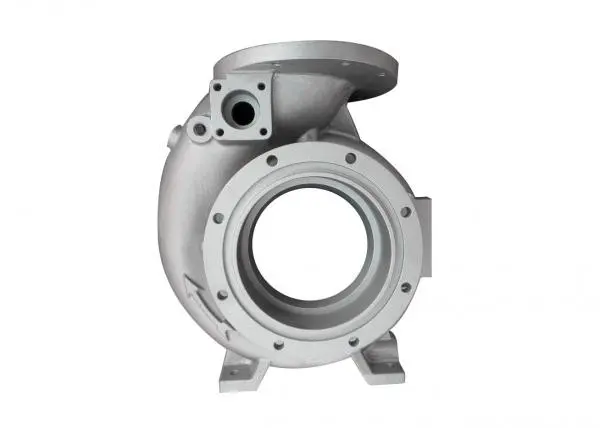
The sand casting process represents one of the most versatile manufacturing methods available to modern industry, capable of producing components ranging from simple brackets to complex pump housings weighing up to 25 kilograms. This manufacturing approach utilizes specially prepared sand mixtures to create temporary molds that capture intricate design details with remarkable accuracy.
The Complete Manufacturing Workflow
The process of sand casting is organized, starting with making the mold and ending with finished parts that are ready to be put together. The first step is to make patterns that can be used again and again and that show exactly how the final part will be shaped. These patterns are put into specially made sand mixtures that contain binding agents that keep the structure strong while the metal is poured.
To get the best casting properties, you need to carefully control the temperature and alloy composition while preparing the molten metal. Materials like ZL101A aluminum alloy have great flowability and mechanical properties, which makes them perfect for uses that need both strength and stability in terms of size. During the pouring phase, the metal flow rates must be carefully controlled to avoid turbulence that could cause flaws or changes in size.
Material Selection and Properties
Modern sand casting can be done with a wide range of engineering materials, each with its own benefits for certain uses. Anodized aluminum alloys, like ZL101A, are very resistant to corrosion and light, which makes them perfect for pump housings and other parts that need to work in harsh conditions. It is easier to work with these materials during secondary operations, and they keep their structural integrity under cyclic loading conditions.
Steel alloys are stronger than steel alone, making them ideal for uses that need long-lasting and heavy-duty materials. Cast iron varieties are very good at resisting wear and staying stable at high temperatures, which makes them very useful in automotive and industrial machinery. The choice of material has a direct effect on how well the casting will work, and things like the rate of shrinkage and the way the material solidifies affect the mold design requirements.
Design Optimization Guidelines
For sand casting projects to go well, designers need to pay close attention to details that affect both how easy the project is to make and how well the finished part works. Different cooling rates that could cause internal stresses or dimensional distortion can't happen if wall thickness is uniform. Gradual changes between thick and thin sections help keep the flow of metal steady while pouring.
Draft angles make it easier to take patterns out of sand molds without damaging small details or making surface flaws. When you use the right fillet radii, you get rid of any sharp corners that could cause stress to build up or casting flaws. When designing complicated parts like fire pump control station housings, where function depends on accurate size control, these design factors become very important.
Procurement Considerations for OEM Buyers
For successful procurement of sand casting components, it is important to know the specific traits and skills that set qualified suppliers apart. To make sure the supply chain works well in the long term, effective vendor selection processes must look at both technical skills and operational dependability.
Lead Time Management and Production Planning
For developing new tools, sand casting lead times are usually between 4 and 8 weeks. After that, production runs can be done in 2 to 4 weeks, depending on the complexity and volume needs. Pattern development takes the most time because these tools need to be precisely machined and tested thoroughly before they can be used in production.
When planning production capacity, it's important to keep in mind that sand casting operations are cyclical. The overall throughput rates are set by the cycles of mold preparation, pouring, and cooling. Facilities that have automated molding systems can make a lot more things at once while still maintaining the same level of quality. Purchasing professionals can make more realistic delivery schedules and backup plans when they know what limits suppliers have on their capacity.
Quality Certification and Compliance Requirements
International quality certifications like ISO9001:2015, ISO14001, and ISO45001 give you important peace of mind about the skills and maturity of your suppliers' process control. These certifications show that the company takes a planned approach to quality management, protecting the environment, and keeping workers safe, which leads to reliable production results.
As part of the supplier qualification process, inspection tools like dimensional measuring equipment, non-destructive testing facilities, and the use of statistical process control should be looked at. Coordinate measuring machines and automated inspection systems are used by advanced suppliers to make sure that the accuracy of the dimensions is maintained across all production runs. When parts fail in critical applications, where they could put people in danger, material certification and traceability systems become even more important.
Cost Structure Analysis and Pricing Models
Prices for sand casting usually include the cost of making the mold, the cost of the materials, the cost of processing, and the cost of finishing. Pattern costs are one-time investments that are spread out over a large number of units produced, making it cheaper to make more units. Knowing how these costs are structured helps people who work in procurement negotiate better terms while setting realistic budget goals.
Costs go up for secondary operations like CNC machining and surface treatments, which depend on how complicated the job is and how precise it needs to be. Shot blasting is a way to treat surfaces that gives them a uniform finish, gets rid of casting scale, and makes it easier for paint to stick. These extra services often make single-source procurement strategies that make managing the supply chain more efficient.
Industry Applications of Precision Sand Casting Parts
Sand casting is used in many different industries, and each one has its own needs when it comes to material properties, tolerances for size, and production volumes. Knowing these sector-specific needs helps companies improve their methods and skills so they can better serve their target markets.
Automotive and Commercial Vehicle Applications
Many engine parts, transmission housings, and suspension parts used in cars are made with precision sand casting parts that need to be strong and fit perfectly in their dimensions. For these uses, it's common to need the ability to produce a lot of things at once while keeping quality standards that meet strict OEM requirements.
Applications in engine blocks and cylinder heads show that the technology can make complicated internal passages while keeping exact bore sizes and surface finishes. Transmission cases have complicated mounting parts and seal surfaces that need close attention to quality and control of dimensions. To meet final specifications, these parts often undergo extensive secondary machining operations.
Industrial Equipment and Machinery
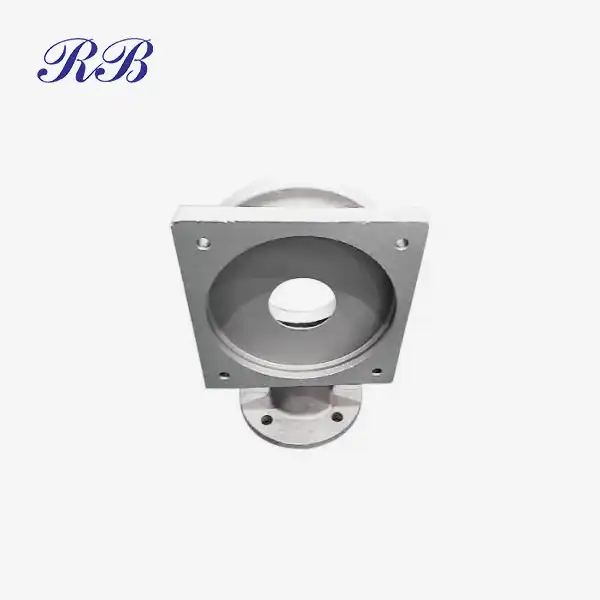
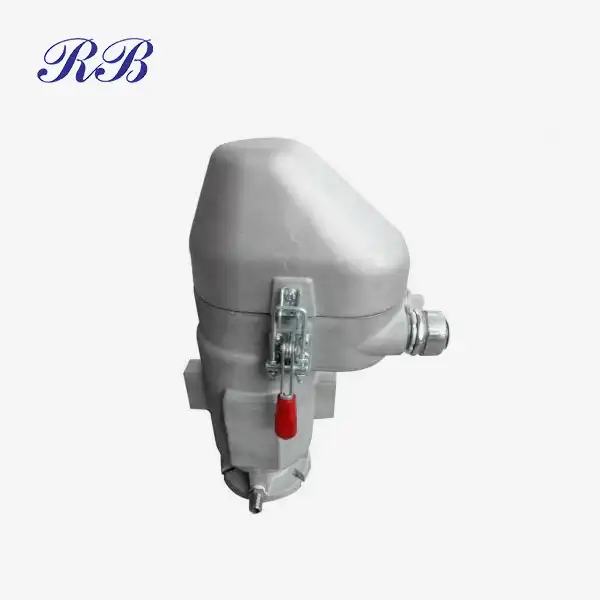
When it comes to making parts that can withstand harsh operating environments while keeping their shape, sand casting really shines when it comes to pump housings. A fire pump control station housing that weighs about 25 kilograms is an example of how the technology can make large parts with complicated internal shapes.
For these uses, special materials like ZL101A aluminum alloy that don't rust and stay stable at high temperatures are often needed. Casting makes it possible to make complicated port configurations and mounting features that would be hard to make or too expensive to use other methods. Surface treatments like shot blasting make things less likely to rust and give them a uniform look that's good for installations that will be exposed to the elements.

Aerospace and High-Performance Applications
For aerospace applications, quality control and material certification are very important. Advanced process controls and inspection methods make precision sand casting parts meet these strict needs. A lot of the time, these parts are made from specialized alloys that have been tested and proven to have certain properties.
Important flight parts need non-destructive testing with X-rays, ultrasonic waves, and penetrant inspection to make sure they are solid on the inside and have good surface quality. Advanced sand casting facilities follow aerospace certification standards that cover everything from how they handle raw materials to how they do final inspections. These skills make it possible to make complicated structural parts that are strong and don't weigh too much.
Conclusion
OEM efficient sand casting is a mature but always changing manufacturing technology that offers great value in a wide range of industrial settings. For parts that need to have complex shapes and reliable performance, sand casting is the best option because it allows for flexible design, a wide range of materials, and low costs. These days' factories have advanced process controls and full quality systems that make sure the parts they make always meet strict OEM requirements while keeping prices low. When procurement professionals know the strategic benefits of sand casting, they can make decisions that improve their supply chains and help them meet their product performance goals.
Partner with Rongbao Enterprise for Superior Precision Sand Casting Solutions
Rongbao Enterprise stands ready to make your component needs come true with our wide range of sand casting skills and track record of high-quality manufacturing. Our factory in Xi'an, China, uses cutting-edge production technology and 20 years of experience in the field to make precision sand casting parts that meet or beat international quality standards. While being a reliable source for precision sand casting parts for OEM partners around the world, we keep our ISO9001:2015, ISO14001, and ISO45001 certifications.
Our production capacity of 5,000 pieces accommodates both prototype development and full-scale production requirements, with complete customization capabilities that address your specific application needs. Get in touch with our technical team at steve.zhou@263.net or zhouyi@rongbaocasting.com to talk about your project needs and get accurate quotes.
FAQs
What factors influence the cost of precision sand casting parts?
Costs for sand casting depend on a number of important factors, such as the complexity of the part, the volume of production, the choice of material, and the tolerances that need to be met. Pattern development costs a lot up front, but they pay for themselves over time as more are made. This means that making more is cheaper per unit as the volume goes up. Additional steps, like CNC machining and surface treatments, raise the price based on the level of accuracy needed and the desired finish.
How long does it typically take to produce custom precision sand castings?
Production times depend on how complicated the project is and how much capacity the supplier has. Usually, making a new tool takes 4 to 8 weeks. Once patterns have been checked, production runs can be finished in two to four weeks, depending on how many are needed and how complicated they are. Faster scheduling may be able to handle rush orders, but this usually comes at a higher cost.
Can sand casting parts meet stringent aerospace quality standards?
Advanced sand casting facilities keep up-to-date quality systems that meet the needs of aerospace certifications like AS9100 and NADCAP certifications. These factories use strict process controls, full material traceability, and large non-destructive testing programs to make sure that parts meet important application requirements.
References
- Campbell, John. "Complete Casting Handbook: Metal Casting Processes, Metallurgy, Techniques and Design." Second Edition, Butterworth-Heinemann, 2015.
- Brown, James R. "Foseco Ferrous Foundryman's Handbook." Eleventh Edition, Butterworth-Heinemann, 2000.
- Stefanescu, Doru M. "Science and Engineering of Casting Solidification." Third Edition, Springer International Publishing, 2015.
- Beeley, Peter R. "Foundry Technology." Second Edition, Butterworth-Heinemann, 2001.
- Heine, Richard W., Carl R. Loper, and Philip C. Rosenthal. "Principles of Metal Casting." Second Edition, McGraw-Hill Education, 1967.
- American Foundry Society. "Sand Casting Handbook for the Automotive Industry." Technical Publication, 2018.
Learn about our latest products and discounts through SMS or email