- English
- French
- German
- Portuguese
- Spanish
- Russian
- Japanese
- Korean
- Arabic
- Greek
- German
- Turkish
- Italian
- Danish
- Romanian
- Indonesian
- Czech
- Afrikaans
- Swedish
- Polish
- Basque
- Catalan
- Esperanto
- Hindi
- Lao
- Albanian
- Amharic
- Armenian
- Azerbaijani
- Belarusian
- Bengali
- Bosnian
- Bulgarian
- Cebuano
- Chichewa
- Corsican
- Croatian
- Dutch
- Estonian
- Filipino
- Finnish
- Frisian
- Galician
- Georgian
- Gujarati
- Haitian
- Hausa
- Hawaiian
- Hebrew
- Hmong
- Hungarian
- Icelandic
- Igbo
- Javanese
- Kannada
- Kazakh
- Khmer
- Kurdish
- Kyrgyz
- Latin
- Latvian
- Lithuanian
- Luxembou..
- Macedonian
- Malagasy
- Malay
- Malayalam
- Maltese
- Maori
- Marathi
- Mongolian
- Burmese
- Nepali
- Norwegian
- Pashto
- Persian
- Punjabi
- Serbian
- Sesotho
- Sinhala
- Slovak
- Slovenian
- Somali
- Samoan
- Scots Gaelic
- Shona
- Sindhi
- Sundanese
- Swahili
- Tajik
- Tamil
- Telugu
- Thai
- Ukrainian
- Urdu
- Uzbek
- Vietnamese
- Welsh
- Xhosa
- Yiddish
- Yoruba
- Zulu
Types Of Sand Used In Casting
Casting sand is still used in many industries because it is cheap and can be used in a lot of different ways to make complex metal parts. Molten metal, like aluminum, iron, or bronze, is poured into disposable sand molds in this method of making things. This method makes metal parts. It's easy to make big, complicated shapes this way. If you want accurate measurements, good castings, and fast production, you need to pick the right kind of sand. Because of the type of sand used, the surface finish, the number of flaws, and the total cost of production are all different. Because of this, it's a key point of decision for engineers and people who work in procurement.
People who buy things from other companies around the world, like purchasing managers, technical engineers, quality specialists, and supply chain directors, will find this guide very helpful. Learn about the different kinds of sand and how they are used in business. This will help you pick the best materials, make fewer mistakes when casting, and improve the overall performance of your production. Whether you're making parts for cars, construction equipment, or spacecraft, the sand you choose can have a big impact on your bottom line and the quality of your products.
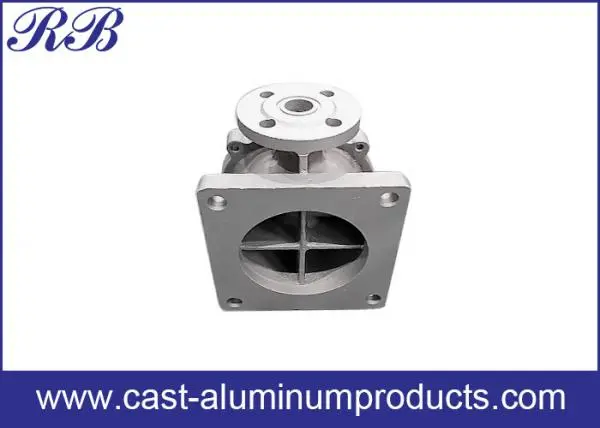
Understanding the Basics of Sand Used in Casting
Sand molds are used in the metal casting technique known as "sand casting" to mold molten metal into the desired shape. Making a pattern, making a mold cavity with two halves (cope and drag), setting up a way to control the flow of metal, and putting sand cores inside the mold are the steps. How smooth the finished product's surface is, how accurate the measurements are, and how many flaws show up depend on the type of casting sand that was used.
Critical Sand Properties for Manufacturing Success
A few basic things about sand determine how well it works in the casting process. The surface finish is affected by the size of the grains. More fine grains may make surfaces less porous, but they also make them smoother. When metal is poured, permeability lets gases escape, which stops defects like holes and inclusions. That depends on how well the sand keeps its shape when it's pressed down, and that depends on how well it can handle high temperatures without melting or breaking down.
Impact on Production Efficiency and Costs
Because they know these things about the sand, procurement professionals and engineers can pick ones that meet production and quality standards. Picking the wrong sand can lead to more waste, more work, and later delivery dates, all of which affect the cost of making the product and the happiness of the customer. Modern foundries need to use data to choose the right sand more and more in order to get better results and run their businesses more efficiently.
Major Types of Sand Used in Casting
There are different kinds of sand that are used for different casting jobs, and each one is better for some types of manufacturing. During the selection process, environmental compliance needs to be taken into account along with performance characteristics.
Silica Sand: The Industry Standard
In casting, silica sand is the most common and least expensive material used. It also works well in many ways. This sand comes from the earth and is very good at refractoriness. This means it can be used for most casting jobs in iron and aluminum. Because it's easy to find, prices and supply chains stay stable, which is important in places where a lot of things are made.
Resin-Coated Sand: Precision and Strength
This makes the mold stronger and more accurate in its measurements, which is important for castings that need to be very accurate in their sizes. With resin binder systems, you can make shapes that are hard to make with regular sand systems and get a better finish on the surface. It costs more than silica sand, but in some cases, the better quality of the casting makes up for the extra cost.
Chromite Sand: High-Temperature Performance
Chromium sand can handle high temperatures very well, which makes it ideal for steel casting and other places that need to keep temperatures low. Its great ability to transfer heat quickly speeds up the cooling process and cuts down on the time needed to cast something. When it comes to cars and heavy machinery, this kind of sand is especially useful because it helps keep the shape even in rough conditions.
Olivine Sand: Environmental Sustainability
A better option for the environment is olivine sand, which is why foundries that care about the environment choose it. Natural mineral sand like this one lets out less pollution when it's cast and is great for keeping things warm. Olivine sand is becoming more and more accepted by environmental laws. This makes it a good choice for companies that want to reduce their carbon footprint.

Zircon Sand: Premium Performance
Zircon sand is great for aerospace and specialty alloy casting because it doesn't react with chemicals as much and stays stable at high temperatures better than other materials. To make sure measurements are correct, the low thermal expansion coefficient is used. Also, the surface finish looks great because metal can't go through it. For important jobs, zircon sand is the best thing to use, even though it costs a lot.
Comparative Analysis of Casting Sands for Global B2B Clients
International factories need to compare various types of sand based on how well they work, how much they cost, and how well they meet environmental standards. Sand types each have their own pros and cons that must be taken into account when deciding which one to use.
Performance and Cost Considerations
For large production runs, silica sand is a good choice because it is strong and can be used over and over again. There may be places where it can't be used because of environmental laws about silica dust, though. Zircon and chromite sands are more expensive, but they can handle heat better and last longer in molds, which could make up for the higher costs by improving quality and lowering the amount of scrap.
Regulatory Compliance and Environmental Impact
Following the REACH rules in the EU and the U.S. Rules from the EPA are making it harder to choose which sand to use. The people who work in sand casting need to think about both short-term performance needs and long-term environmental sustainability. Today, foundries choose their materials by looking at life-cycle assessments, which measure the damage done to the environment from getting the materials to throwing them away.
Supply Chain Optimization
By comparing sands in great detail, you can find the right ones for different types of metal and casting problems. This makes the supply chain more efficient. The people who work in procurement have to balance how well materials work with how easy they are to get, how much they cost to ship, and how reliable the suppliers are. The final choice is often affected by what is available in the area. This is especially true for companies that move a lot of goods, as the costs of logistics have a big impact on the total cost of ownership.

How to Choose the Right Sand for Your Casting Needs?
In many fields, like automotive, aerospace, construction, and heavy machinery, a structured decision support framework makes it easier to pick the best sand. With this organized method, the properties of the material are checked against what the job needs, and cost and quality goals are also thought about.
Decision Matrix Approach
When picking sand, you should think about how much it costs, how well it handles heat, how accurate the measurements are, how good the finish is, and how it affects the environment. Companies should create scoring systems that are unique to their quality standards and operational needs. This quantitative method makes sure that the same materials are used for all product lines, so decisions don't have to be based on how someone feels.
Industry-Specific Considerations
For car engine parts, the most important things are usually how well they fit together and how smooth the surface is. It may be more important for hydraulic parts used in construction equipment to be resistant to heat. For use in space, sand has to be very pure and stable at high temperatures, which makes it cost more. By knowing these industry-specific needs, you can pick the right sand and be sure that the supplier is qualified.
Real-World Application Case Study
A multinational auto supplier recently optimized their aluminum engine block casting process by transitioning from traditional silica sand to resin-coated systems. This change resulted in 15% reduction in machining requirements, 8% improvement in dimensional accuracy, and 12% decrease in scrap rates. The initial 25% increase in sand costs was offset within six months through improved quality and reduced secondary operations.
Conclusion
Choosing the right kinds of sand for casting operations can make or break the quality of the product, the speed with which it is made, and the cost of running the business. Learning about the pros and cons of different types of sand, from silica sand that is cheap to zircon alternatives that work well, can help you make smart decisions that meet your quality goals and the needs of your industry. One way to find the best materials for a wide range of manufacturing tasks is to carefully compare the properties of sand to performance standards, environmental needs, and cost limits. Choosing the right sand is becoming more and more important for staying ahead in global markets as more advanced monitoring systems and automated quality controls are added to sand casting.
Partner with Rongbao Enterprise for Superior Sand Casting Solutions
Rongbao Enterprise has been making sand casting for 20 years and has the most up-to-date production tools. They can help you with all of your sand casting needs. Our unified method combines the best choice of sand with precise casting techniques to help with uses in the building, energy, auto, and industrial equipment industries. We have ISO9001, ISO14001, and ISO45001 certifications that make sure all of our operations follow the same quality and environmental rules.
Because our technical team can help clients pick the best sand, they can cut down on flaws, improve the finish, and lower their production costs. Because 70% of our goods are sent to Europe, the US, and Japan, we know about quality standards and laws around the world. You can email our sand casting experts at steve.zhou@263.net or zhouyi@rongbaocasting.com to tell them about your needs and find out how our experiences can help you make the casting process better.
FAQs
What are the main differences between silica and olivine sand for casting applications?
Silica sand offers cost-effectiveness and widespread availability but may pose environmental concerns due to silica dust exposure. Olivine sand provides superior thermal properties, produces fewer emissions, and offers better environmental compliance, making it increasingly popular despite higher costs. Olivine sand also exhibits excellent thermal expansion characteristics that reduce casting stress and improve dimensional accuracy.
How does sand choice impact overall production costs beyond material prices?
Different types of sand have different costs because they change things like the amount of scrap, the need for secondary machining, the mold's life, and cycle times. Some high-end sands can get rid of 20–30% of flaws, eliminate the need for extra work, and improve the finish quality on the surface. This can often make up for the higher cost of the materials. The cost of following the rules and the chance of being sued may also go down if the sand is good for the environment.
Can recycled sand maintain casting quality compared to virgin sand?
High-quality systems that use recycled sand can keep working well as long as they are handled and watched carefully. With new reclamation technologies, the binder is removed and the properties of the sand are almost back to how they were when it was first made. A lot of foundries can keep up quality standards even though they use 85–95% recycled sand. This saves them a lot of money on materials and is better for the environment.
References
- Campbell, John. "Complete Casting Handbook: Metal Casting Processes, Metallurgy, Techniques and Design." Butterworth-Heinemann, 2015.
- Brown, John R. "Foseco Foundryman's Handbook: Facts, Figures and Formulae." Butterworth-Heinemann, 2000.
- American Foundry Society. "Sand Casting Manual: Guidelines for Sand Casting Systems and Processes." American Foundry Society Press, 2018.
- Beeley, Peter. "Foundry Technology." Butterworth-Heinemann, 2001.
- Monroe, Roger W. "Core and Mold Materials Handbook." American Foundry Society, 2019.
- International Journal of Metalcasting. "Advances in Sand Casting Technology and Materials." Springer Nature, 2020-2023 Annual Reviews.

Learn about our latest products and discounts through SMS or email