- English
- French
- German
- Portuguese
- Spanish
- Russian
- Japanese
- Korean
- Arabic
- Greek
- German
- Turkish
- Italian
- Danish
- Romanian
- Indonesian
- Czech
- Afrikaans
- Swedish
- Polish
- Basque
- Catalan
- Esperanto
- Hindi
- Lao
- Albanian
- Amharic
- Armenian
- Azerbaijani
- Belarusian
- Bengali
- Bosnian
- Bulgarian
- Cebuano
- Chichewa
- Corsican
- Croatian
- Dutch
- Estonian
- Filipino
- Finnish
- Frisian
- Galician
- Georgian
- Gujarati
- Haitian
- Hausa
- Hawaiian
- Hebrew
- Hmong
- Hungarian
- Icelandic
- Igbo
- Javanese
- Kannada
- Kazakh
- Khmer
- Kurdish
- Kyrgyz
- Latin
- Latvian
- Lithuanian
- Luxembou..
- Macedonian
- Malagasy
- Malay
- Malayalam
- Maltese
- Maori
- Marathi
- Mongolian
- Burmese
- Nepali
- Norwegian
- Pashto
- Persian
- Punjabi
- Serbian
- Sesotho
- Sinhala
- Slovak
- Slovenian
- Somali
- Samoan
- Scots Gaelic
- Shona
- Sindhi
- Sundanese
- Swahili
- Tajik
- Tamil
- Telugu
- Thai
- Ukrainian
- Urdu
- Uzbek
- Vietnamese
- Welsh
- Xhosa
- Yiddish
- Yoruba
- Zulu
Material Selection Guide for Custom Sand Casting Projects
Picking the correct materials for bespoke sand casting projects is a very important choice. As a result, this option has a direct effect on how well the factory runs, how much money it saves, and how well the product works . Custom sand casting is the best way to make complicated metal parts for many different industries. In particular, this technology is used in a wide range of fields, from cars to planes. However, choosing the right materials can make or break the success of a project . So, it's important to know about the qualities of materials, how well they can be cast, and what they need to be used for. Ultimately, this knowledge helps procurement managers and engineers make their manufacturing plans as good as they can be.
Understanding Custom Sand Casting and Material Roles
One of the most flexible ways to make things today is custom sand casting. It mostly uses temporary sand molds to make complicated metal parts. This procedure, in a technical sense, is making a hole in the sand around a pattern. After that, the experts pour hot metal into the mold they made. Then, the metal is cooled and hardened in a controlled way. Finally, the workers break up the sand to show the finished casting. This approach is especially useful because it may be used in many different ways. For example, it does a great job of making big parts and complicated shapes. It also works well for small production runs. In these situations, other casting procedures are frequently not cost-effective.
The Foundation of Sand Casting Success
The sand casting process depends a lot on how the molten metal and the sand mold system work together . Custom sand casting is more flexible than precision casting procedures like investment casting. Also, it cares more about being cost-effective than having a beautiful surface polish. Because of this, producers can make a wide selection of parts. For instance, they can be anything from little, complicated parts to huge pieces of industrial machinery .Importantly, each category needs to think about the right materials to make sure the structure stays strong .So, engineers need to carefully look at the interaction between the sand and the metal.
Material Impact on Casting Quality
Material selection profoundly influences the final casting quality. Moreover, it dictates the performance characteristics of the finished part. Significantly, different metals exhibit varying behaviors during the pouring and solidification phases. As a result, these behaviors affect everything from dimensional accuracy to internal structure. For instance, common casting materials include aluminum alloys like ZL101A. Additionally, various steel grades and cast iron are popular choices. However, each material presents unique challenges and benefits. Thus, the material choice must align with project specifications. Simultaneously, it must meet rigorous performance requirements.
Comprehensive Material Selection Criteria for Custom Sand Casting
Successful material selection requires balancing multiple interconnected factors. Inevitably, these factors influence both manufacturing processes and end-use performance. First and foremost, mechanical properties serve as the foundation. Specifically, this encompasses tensile strength, yield strength, hardness, and impact resistance. Furthermore, these characteristics must match the operational demands of the finished component. For example, the part might need to support structural loads in construction equipment. Alternatively, it might need to withstand thermal cycling in automotive applications. Therefore, a thorough analysis of mechanical stress is vital.
Thermal and Physical Properties
Thermal characteristics play an equally important role in material selection. Notably, the melting temperature affects casting process parameters. Meanwhile, thermal conductivity influences solidification patterns. If ignored, poor conductivity can lead to potential defect formation. In addition, fluidity during the molten state determines mold filling capabilities. This is particularly important for components featuring thin walls. Similarly, it matters for parts with intricate internal passages. Consequently, engineers must simulate thermal behavior before production. By doing so, they ensure the molten alloy fills the custom sand casting mold completely.
Economic and Supply Chain Considerations
Cost efficiency extends beyond raw material prices. In reality, it encompasses total manufacturing expenses. Furthermore, material availability impacts project economics significantly. Additionally, lead times and price stability play major roles. This is especially true for large-volume production runs. Moreover, global supply chain dynamics have highlighted new risks. Therefore, diversified sourcing strategies are now essential. Ideally, manufacturers should identify material alternatives. Ultimately, these alternatives must maintain performance standards while ensuring delivery reliability.
Compliance and Environmental Factors
Modern manufacturing increasingly emphasizes environmental responsibility. Simultaneously, regulatory compliance has become stricter. Therefore, material selection must consider recycling potential. Additionally, engineers must evaluate environmental impact during production. Furthermore, compliance with industry-specific regulations is non-negotiable. For instance, certifications such as ISO9001:2015 verify quality management. Likewise, ISO14001 and ISO45001 ensure adherence to environmental and safety standards. Consequently, many B2B clients now require these certifications explicitly. Thus, selecting compliant materials is a prerequisite for market entry.
Step-by-Step Guide to Selecting the Right Material for Your Project
Effective material selection follows a systematic approach. Significantly, this method minimizes risks and optimizes outcomes. Initially, the process begins with comprehensive requirement definition. This encompasses not only basic mechanical properties but also environmental conditions. Furthermore, it includes service life expectations and specific industry standards. By taking this step, teams prevent costly redesigns. Ultimately, this ensures selected materials align with actual application demands. Below, we outline the specific phases of this critical process.
Project Requirements Analysis
Begin by thoroughly documenting all project specifications. Specifically, include dimensional tolerances and surface finish requirements. Also, define mechanical load conditions and environmental exposure parameters. Next, consider the complete service life of the component. This includes installation, operation, and maintenance. Eventually, you must also plan for replacement or recycling. Consequently, this comprehensive analysis provides a solid framework. Then, you can use this framework for evaluating material options. Finally, compare these options against real-world performance criteria.
Material Compatibility Assessment
Subsequently, evaluate how candidate materials interact with the process. Indeed, the custom sand casting workflow varies based on the alloy. For example, some alloys demonstrate superior mold-filling characteristics. Conversely, others may require specialized handling. Sometimes, modified process parameters are necessary. Therefore, understanding these nuances is critical. It helps prevent common casting defects. Common issues include porosity, cold shuts, or dimensional distortion. If unchecked, these defects can compromise component performance. Thus, compatibility assessment acts as a vital quality filter.
Supplier Evaluation and Testing
Ideally, select suppliers based on their technical capabilities. Furthermore, verify their quality certifications and track record. Moreover, consistent performance is a key indicator of reliability. Additionally, prototype testing provides valuable insights. Similarly, sample evaluation reveals material behavior under actual conditions. Consequently, this iterative approach allows for optimization. Specifically, you can refine both material selection and process parameters. Ideally, do this before committing to full production. In the long run, this validation step saves significant time and money.
Advantages of Optimal Material Selection in Custom Sand Casting
Proper material selection delivers measurable benefits. Significantly, these benefits appear across multiple aspects of the manufacturing process. First, quality improvements manifest through reduced defect rates. Second, manufacturers achieve improved dimensional consistency. Third, the parts demonstrate enhanced mechanical properties. As a result, they meet or exceed specification requirements. Furthermore, these quality gains translate directly into cost savings. For instance, savings occur through reduced scrap rates. Additionally, decreased rework requirements improve margins. Overall, production efficiency increases substantially.
Enhanced Product Performance
Optimal material selection ensures components meet service requirements. Moreover, they often exceed performance expectations. Consequently, this reliability translates into improved customer satisfaction. In turn, this leads to reduced warranty claims. Additionally, it enhances brand reputation significantly. Notably, the long-term value is substantial. Often, the value of proper selection far exceeds initial cost premiums. Therefore, investing in higher-grade materials for custom sand casting pays off. Ultimately, the end-user benefits from a more durable product.
Manufacturing Efficiency Gains
Well-selected materials contribute to smoother production processes. Specifically, there are fewer interruptions due to quality issues. Furthermore, process adjustments become less frequent. Consequently, consistent material behavior enables standardized process parameters. This reduces variability and improves overall manufacturing efficiency. Therefore, predictability becomes a major asset. This is particularly valuable for large production runs. Likewise, it aids components requiring tight dimensional tolerances. Essentially, the right material streamlines the entire factory floor operation.

Rongbao Enterprise's Comprehensive Sand Casting Solutions
Rongbao Enterprise specializes in delivering comprehensive solutions. Specifically, we address the complex material selection challenges facing modern B2B clients. Additionally, we solve manufacturing hurdles in custom sand casting. Notably, our extensive experience spans multiple industries. For example, we serve the automotive, construction equipment, and industrial machinery sectors. Consequently, we provide deep insights into application-specific requirements. Furthermore, we offer performance optimization strategies tailored to your needs.
Advanced Manufacturing Capabilities
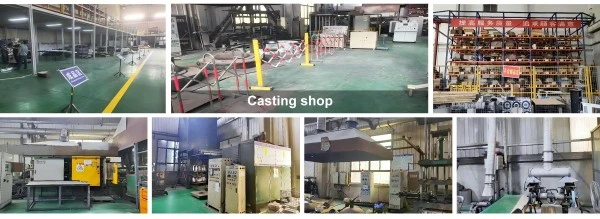
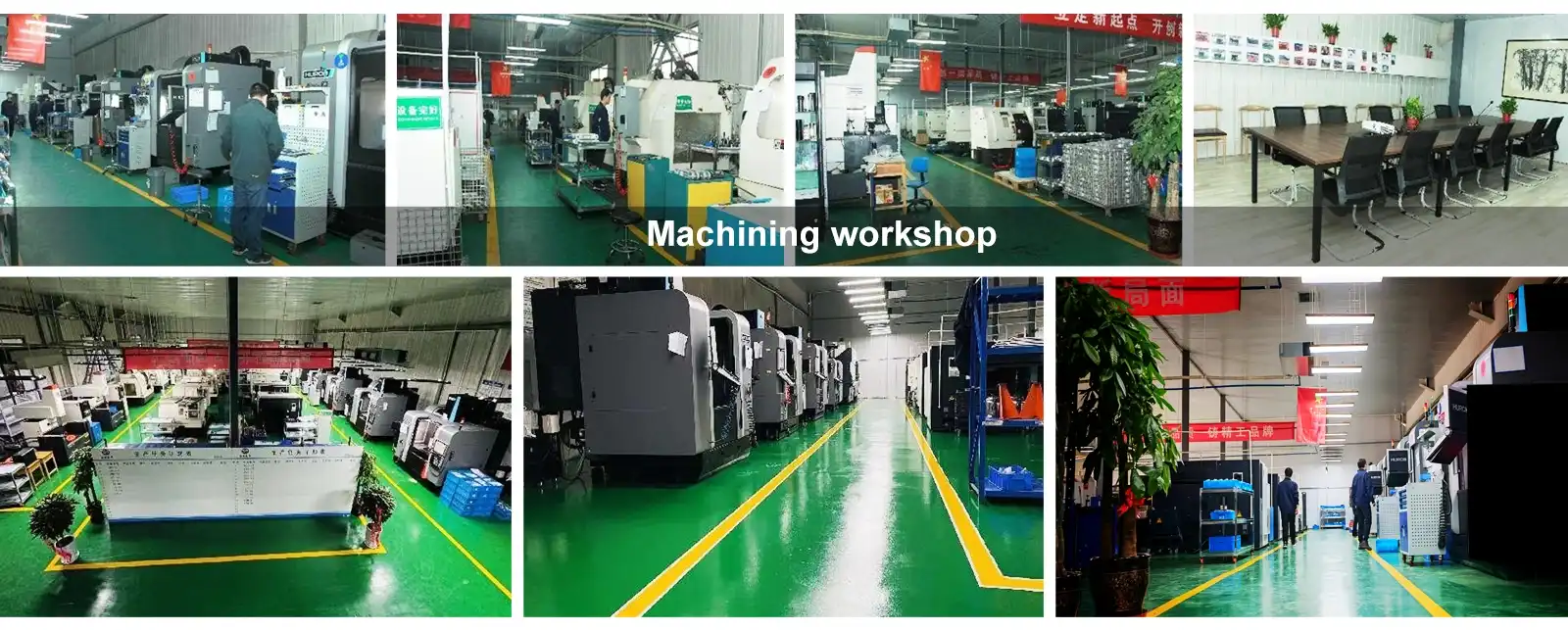
Our manufacturing facilities feature complete process integration. This spans from mold development through finished component delivery. Moreover, our gravity casting capabilities are extensive. We accommodate materials ranging from aluminum alloys to specialized steel grades. Additionally, our production capacities are flexible. They support both prototype development and large-scale manufacturing. Furthermore, our comprehensive quality management system is robust. It is certified to ISO9001:2015, ISO14001, and ISO45001 standards. Thus, we ensure consistent quality and environmental compliance across all production activities.
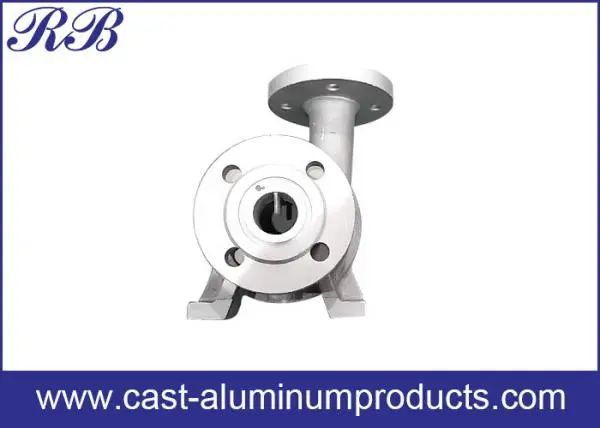
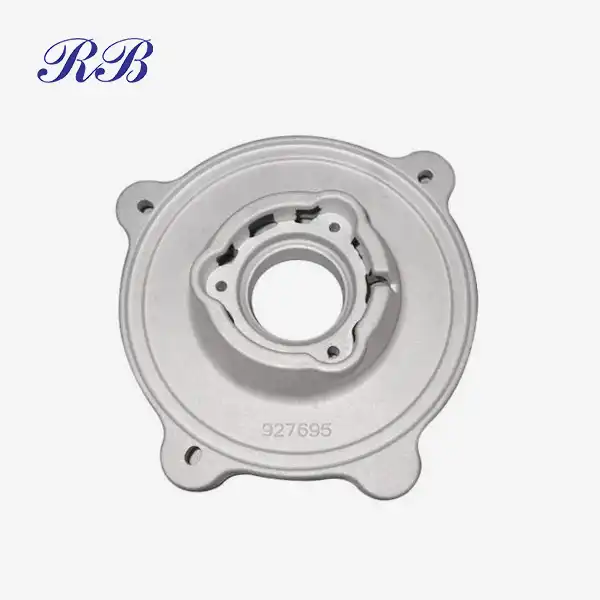
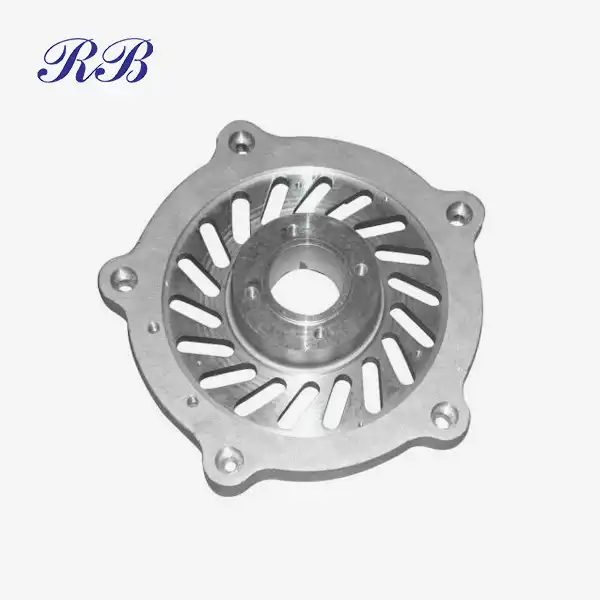
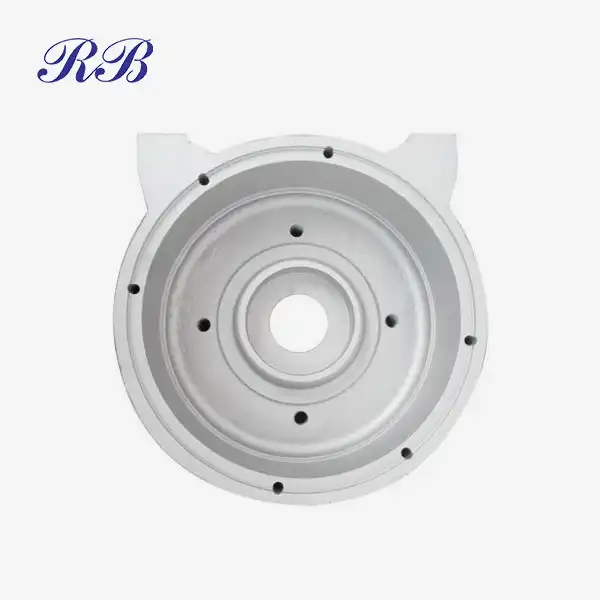
Recently, our projects have demonstrated our expertise. For instance, we handle complex applications such as fire pump accessories. These are manufactured from ZL101A aluminum alloy. Specifically, these 5-kilogram components undergo gravity casting. Following this, we perform CNC machining and shot blasting. Consequently, we achieve the precise specifications required for critical fire safety. Moreover, our customizable approach is highly adaptable. We accommodate production volumes from prototypes to 5000-piece runs. Finally, secure wooden box packaging ensures safe transportation to global destinations.
Integrated Quality Assurance
Quality control extends throughout our entire manufacturing process. Initially, it begins with incoming material inspection. Then, it continues through final component verification. Specifically, our testing capabilities are comprehensive. They include mechanical property verification and dimensional inspection. Additionally, we perform specialized testing protocols required for specific industries. Therefore, this comprehensive approach ensures high standards. It guarantees components meet all specified requirements. Simultaneously, it maintains the consistency essential for large-scale production.
Partner with Rongbao Enterprise for Your Custom Sand Casting Needs
Transform your manufacturing challenges into competitive advantages. You can achieve this through our proven custom sand casting expertise. Additionally, we offer comprehensive material selection guidance. Currently, our experienced engineering team stands ready to assist. We will optimize your material choices and streamline your production processes. Furthermore, we deliver the quality consistency your applications demand.
Contact steve.zhou@263.net and zhouyi@rongbaocasting.com today. Let us discuss your specific requirements. Discover how our custom sand casting manufacturer capabilities can enhance your supply chain. Finally, visit rongbaocasting.com to explore our complete range of services. Begin your journey toward manufacturing excellence now.
Conclusion
Material selection represents the cornerstone of successful projects. In fact, it influences everything from manufacturing efficiency to long-term performance. Therefore, the systematic approach outlined in this guide provides a vital framework. It assists in navigating the complex decisions involved in material specification. Simultaneously, it allows optimizing for cost, quality, and performance objectives. By understanding the interplay between material properties and casting process requirements, you gain an advantage. Furthermore, analyzing application demands is crucial. Ultimately, procurement managers and engineers can make informed decisions. Consequently, these decisions deliver measurable value throughout the product lifecycle.
FAQs
Q1:How do I determine the optimal material for my specific sand casting project?
Material selection begins with comprehensive requirement analysis. Specifically, assess mechanical property needs, environmental conditions, and service life expectations. Generally, we recommend starting with application-specific material grades. Ideally, look for grades with proven performance in similar applications. Then, optimize based on your specific requirements. Fortunately, our technical team provides consultation services. Thus, we can guide this selection process based on decades of casting experience.
Q2:What lead times should I expect for custom sand cast components?
Lead times vary depending on component complexity. Additionally, material availability and production volume requirements affect the schedule. Typically, projects involving standard materials like ZL101A aluminum alloy require 4-6 weeks. This counts from order confirmation to delivery. However, custom tooling development may extend initial lead times. Nevertheless, subsequent production runs benefit from established processes. Consequently, they enjoy reduced setup requirements and faster delivery.
Q3:Do you provide prototyping and testing services for material validation?
Yes, we offer comprehensive prototyping services. This enables material and process validation before committing to full production. Specifically, this includes sample casting and mechanical testing. Furthermore, we perform dimensional verification. This ensures selected materials meet all performance requirements. Moreover, our iterative approach allows optimization. We can refine both material selection and process parameters. Ultimately, this helps us achieve optimal results for your custom sand casting needs.
References
- Campbell, John. "Complete Casting Handbook: Metal Casting Processes, Metallurgy, Techniques and Design." Second Edition, Butterworth-Heinemann, 2015.
- Brown, John R. "Foseco Ferrous Foundryman's Handbook." Eleventh Edition, Butterworth-Heinemann, 2000.
- Stefanescu, Doru M. "Science and Engineering of Casting Solidification." Third Edition, Springer International Publishing, 2015.
- American Foundry Society. "Casting Design and Performance." American Foundry Society Publications, 2009.
- Beeley, Peter R. "Foundry Technology." Second Edition, Butterworth-Heinemann, 2001.
- ASM International. "ASM Handbook Volume 15: Casting." ASM International Materials Park, 2008.
Learn about our latest products and discounts through SMS or email