- English
- French
- German
- Portuguese
- Spanish
- Russian
- Japanese
- Korean
- Arabic
- Greek
- German
- Turkish
- Italian
- Danish
- Romanian
- Indonesian
- Czech
- Afrikaans
- Swedish
- Polish
- Basque
- Catalan
- Esperanto
- Hindi
- Lao
- Albanian
- Amharic
- Armenian
- Azerbaijani
- Belarusian
- Bengali
- Bosnian
- Bulgarian
- Cebuano
- Chichewa
- Corsican
- Croatian
- Dutch
- Estonian
- Filipino
- Finnish
- Frisian
- Galician
- Georgian
- Gujarati
- Haitian
- Hausa
- Hawaiian
- Hebrew
- Hmong
- Hungarian
- Icelandic
- Igbo
- Javanese
- Kannada
- Kazakh
- Khmer
- Kurdish
- Kyrgyz
- Latin
- Latvian
- Lithuanian
- Luxembou..
- Macedonian
- Malagasy
- Malay
- Malayalam
- Maltese
- Maori
- Marathi
- Mongolian
- Burmese
- Nepali
- Norwegian
- Pashto
- Persian
- Punjabi
- Serbian
- Sesotho
- Sinhala
- Slovak
- Slovenian
- Somali
- Samoan
- Scots Gaelic
- Shona
- Sindhi
- Sundanese
- Swahili
- Tajik
- Tamil
- Telugu
- Thai
- Ukrainian
- Urdu
- Uzbek
- Vietnamese
- Welsh
- Xhosa
- Yiddish
- Yoruba
- Zulu
Material Selection for Corrosion-Resistant Pull Cord Box Brackets
Critical safety systems rely on durable components. Among these, the pull cord box bracket plays a vital role in alarm devices. It guarantees dependable operation in an emergency and secures the pull cord mechanism. Corrosion becomes a serious concern in difficult situations. Making the correct material choices prolongs product life and reduces failures. The best materials for corrosion-resistant pull cord box brackets are examined in this article. To assist you in making wise choices, we will go over important aspects, industry norms, and useful guidance.
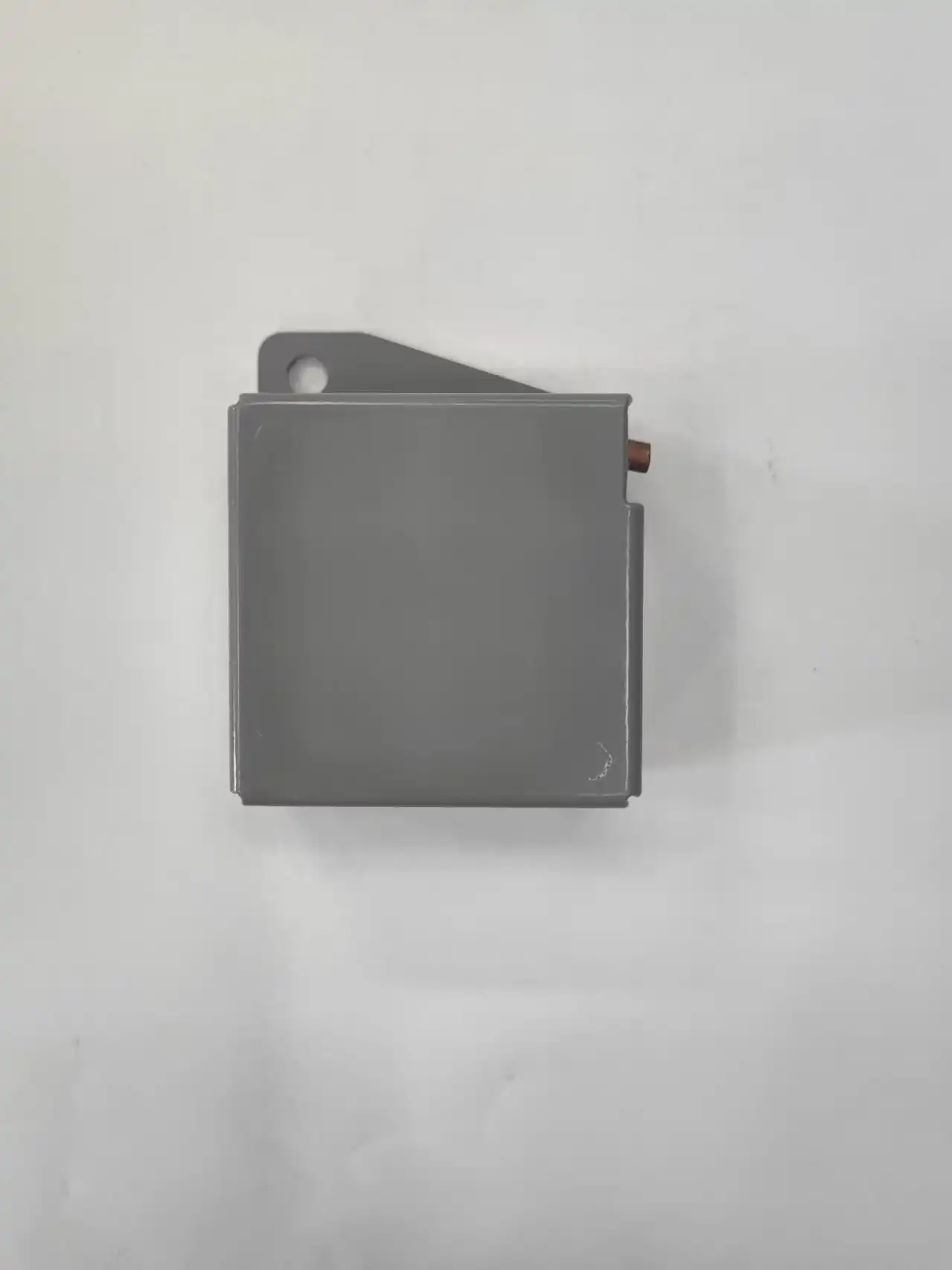
Understanding the Role of Pull Cord Box Brackets in Alarm Systems
Pull cord box brackets are essential parts of alarm systems. They hold the pull cord mechanism in place and transfer force during activation. If the bracket fails, the entire alarm system may malfunction. These brackets face constant challenges. Moisture, chemicals, salt spray, and temperature changes can cause material degradation. Corrosion weakens structural integrity over time. It leads to broken connections or complete part failure. For industries like marine, industrial, or outdoor security, resistance to rust and wear is non-negotiable.
Extremely durable materials are required by the alarm system manufacturer. Stainless steel, brass, and engineered polymers commonly suit these criteria. Every substance has distinct qualities. Stainless steel has a high resistance to oxidation. Brass has good conductivity and strength. Plastics offer chemical-resistant, lightweight options. The option relies on the environment where the bracket functions. Choosing the optimal content for long-term performance is made easier with an understanding of these roles.
Key Factors in Selecting Corrosion-Resistant Materials
Environmental Exposure Matters Most
The first step is to identify where the bracket will be used. Coastal areas have high salt content in the air. Industrial sites may expose brackets to acids or alkalis. Outdoor installations face rain, humidity, and UV radiation. Each environment attacks materials differently. For example, salt accelerates rust in standard steel. But marine-grade stainless steel can resist it for decades. Studies show that stainless steel grades like 304 or 316 last over 10 years in coastal settings. This data comes from the NACE International report on material longevity.
Mechanical Strength and Durability
Corrosion resistance alone is not enough. The material must handle physical stress. Pull cord box brackets undergo tension, vibration, and impact. Metals like brass offer high tensile strength. They rarely deform under pressure. Plastics need reinforcement to match this performance. Glass-filled polymers provide extra rigidity. According to ASTM material testing standards, brass alloys maintain over 500 MPa yield strength even after exposure to corrosive elements. This makes them ideal for heavy-duty applications.
Cost-Effectiveness Over Time
Initial cost should not drive decisions. Total ownership matters more. Cheap materials may fail early. Replacing them increases downtime and expenses. Corrosion-resistant options save money long-term. For instance, stainless steel costs 20-30% more than carbon steel. But it avoids replacement cycles every few years. A case study from the Global Security Manufacturers Alliance showed that using stainless steel brackets reduced maintenance costs by 40% over five years. This proves that investing in quality pays off.

How to Choose the Right Pull Cord Box Bracket for Your Needs
Stainless Steel: The Industry Benchmark
Stainless steel leads in corrosion resistance. It contains chromium, which forms a protective oxide layer. This layer self-repairs when damaged. Grades 304 and 316 are most common. Grade 316 includes molybdenum for better resistance to chlorides. It suits marine environments perfectly. The International Stainless Steel Forum reports that these grades resist pitting and crevice corrosion up to 10 years in harsh climates. Pull cord box bracket also tolerates temperatures from -200°C to 800°C. For alarm systems needing unmatched durability, stainless steel is the top choice.
Brass Alloys for Conductive Applications
Brass combines strength with electrical conductivity. Some alarm systems require conductive brackets to complete circuits. Brass alloys like C36000 offer excellent antimicrobial properties, too. They resist atmospheric corrosion well. Research published in the Journal of Materials Engineering shows brass maintains integrity in humid conditions for over 15 years. It also has low friction coefficients. This helps moving parts slide smoothly. If your design involves electrical components, brass may be the best fit.
Engineered Plastics for Lightweight Solutions
Plastics like nylon or PTFE provide corrosion resistance without metals. They do not rust or tarnish. These materials are 30% lighter than steel. This reduces shipping costs and simplifies installation. They also resist many chemicals. A study by the Plastics Industry Association found that glass-reinforced nylon lasts 20+ years in acidic environments. However, plastics have limits. They cannot handle extreme heat as metals do. UV exposure may weaken them over time. For indoor or mild outdoor use, plastics offer great value.
Pull Cord Box Bracket Supplier: Rongbao Enterprise
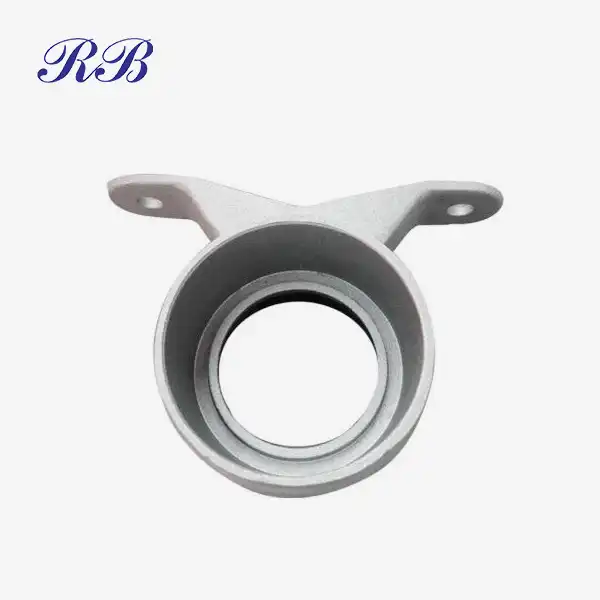
Rongbao Enterprise specializes in high-performance pull cord box brackets for alarm systems. Our products serve global markets with unmatched reliability. We use certified materials that meet ISO9001:2015, ISO14001, and ISO45001 standards. Every bracket undergoes rigorous testing against corrosion, impact, and wear. We offer custom specifications to fit your exact needs. Our production capacity reaches 50,000 pieces monthly. All items originate from Xi'an, China, ensuring quality control at every step.
We package products securely in cartons or wooden boxes to prevent damage. Our team supports OEM/ODM projects from design to delivery. Need a tailored solution? Send an inquiry today. Our experts will respond within 24 hours. Contact us at steve.zhou@263.net or zhouyi@rongbaocasting.com for details. Let Rongbao Enterprise strengthen your alarm system with corrosion-resistant excellence.
FAQs
Q1: How long do corrosion-resistant pull cord box brackets last?
A: Lifespan varies by material and environment. Stainless steel brackets in industrial areas often last 15-20 years. Brass in low-corrosion settings may exceed 20 years. Plastics typically serve 10-15 years indoors. Proper plating or coatings can extend life further. Always match the material to the exposure risk.
Q2: Can I use standard steel for indoor brackets?
A: For controlled indoor environments with low humidity, standard steel may work. But it risks rust if moisture enters. We recommend stainless steel even indoors for safety-critical systems. It prevents unexpected failures. Cost differences are minimal when considering long-term reliability.
Q3: What certifications ensure quality materials?
A: Look for ISO standards like ISO 9001:2015 for quality management. ISO 14001 confirms environmental responsibility. These assure consistent material testing. Rongbao Enterprise holds both certifications. We test every batch for corrosion resistance, strength, and durability.
Q4: Are custom designs possible?
A: Yes. Most manufacturers offer OEM/ODM services. You can customize dimensions, finishes, or mounting styles. Provide specifications, and we will engineer a solution. Custom brackets meet unique space or performance needs without compromising resistance.
Q5: How should I store unused brackets?
A: Keep them in dry, temperature-controlled spaces. Use anti-static packaging for metals. Avoid exposure to humid air or chemicals. Proper storage prevents early corrosion before installation. Cartons or wooden boxes work well for transport and storage.
References
National Association of Corrosion Engineers (NACE). (2021). Corrosion in Marine Environments. This report details material performance in coastal settings.
International Stainless Steel Forum. (2020). Durability of Stainless Steel Grades. It covers lifespan data for grades 304 and 316.
Global Security Manufacturers Alliance. (2019). Cost Analysis of Corrosion-Resistant Components. This study compares long-term maintenance expenses.
Journal of Materials Engineering. (2022). Brass Alloys in Humid Conditions. Research on brass longevity and conductivity.
Plastics Industry Association. (2023). Chemical Resistance of Engineered Polymers. Data on nylon and PTFE in acidic environments.
Learn about our latest products and discounts through SMS or email