- English
- French
- German
- Portuguese
- Spanish
- Russian
- Japanese
- Korean
- Arabic
- Greek
- German
- Turkish
- Italian
- Danish
- Romanian
- Indonesian
- Czech
- Afrikaans
- Swedish
- Polish
- Basque
- Catalan
- Esperanto
- Hindi
- Lao
- Albanian
- Amharic
- Armenian
- Azerbaijani
- Belarusian
- Bengali
- Bosnian
- Bulgarian
- Cebuano
- Chichewa
- Corsican
- Croatian
- Dutch
- Estonian
- Filipino
- Finnish
- Frisian
- Galician
- Georgian
- Gujarati
- Haitian
- Hausa
- Hawaiian
- Hebrew
- Hmong
- Hungarian
- Icelandic
- Igbo
- Javanese
- Kannada
- Kazakh
- Khmer
- Kurdish
- Kyrgyz
- Latin
- Latvian
- Lithuanian
- Luxembou..
- Macedonian
- Malagasy
- Malay
- Malayalam
- Maltese
- Maori
- Marathi
- Mongolian
- Burmese
- Nepali
- Norwegian
- Pashto
- Persian
- Punjabi
- Serbian
- Sesotho
- Sinhala
- Slovak
- Slovenian
- Somali
- Samoan
- Scots Gaelic
- Shona
- Sindhi
- Sundanese
- Swahili
- Tajik
- Tamil
- Telugu
- Thai
- Ukrainian
- Urdu
- Uzbek
- Vietnamese
- Welsh
- Xhosa
- Yiddish
- Yoruba
- Zulu
Understanding the Casting Process Behind Water Gun Head Parts Manufacturing
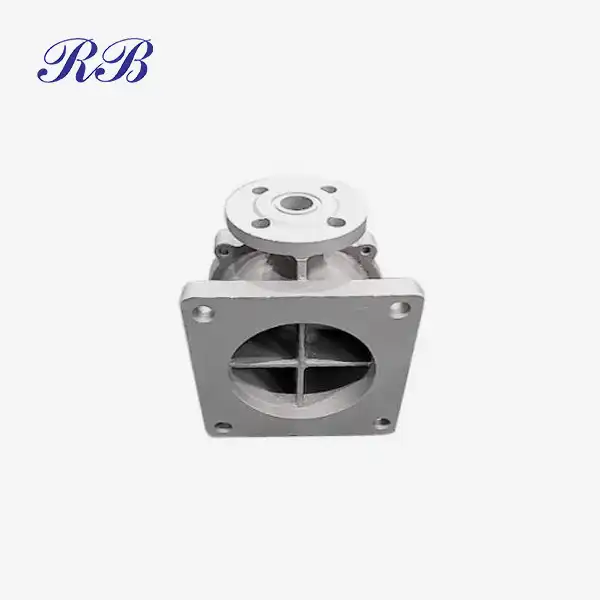
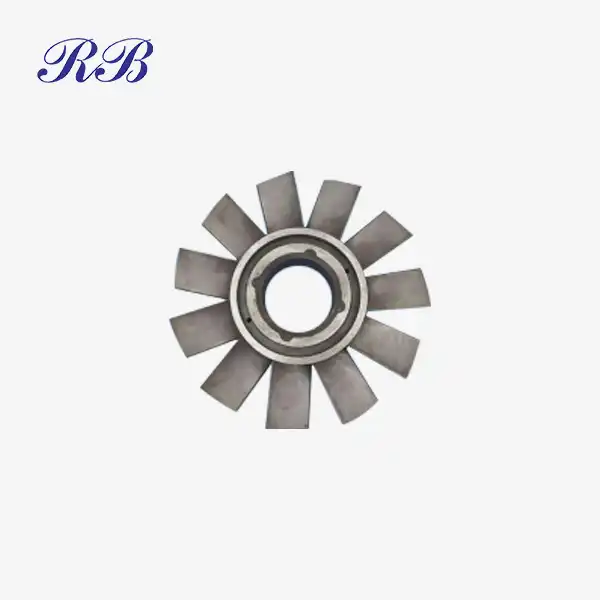
Cast water gun head parts represent a specialized application of industrial casting technology. In this field, molten aluminum alloy A356 transforms into durable pump housings. Additionally, it forms robust discharge assemblies. Specifically, this gravity casting process creates components weighing approximately 0.5kg. These parts boast exceptional dimensional accuracy. Furthermore, they maintain impressive structural integrity.
Understanding these manufacturing fundamentals helps procurement professionals greatly. For instance, they can better evaluate supplier capabilities. They can also assess material specifications effectively. Moreover, understanding these details clarifies quality standards essential for fire safety equipment applications. Modern casting facilities utilize CNC machining. Simultaneously, they apply shot blasting treatments. Consequently, manufacturers achieve the precise tolerances demanded by critical infrastructure systems.
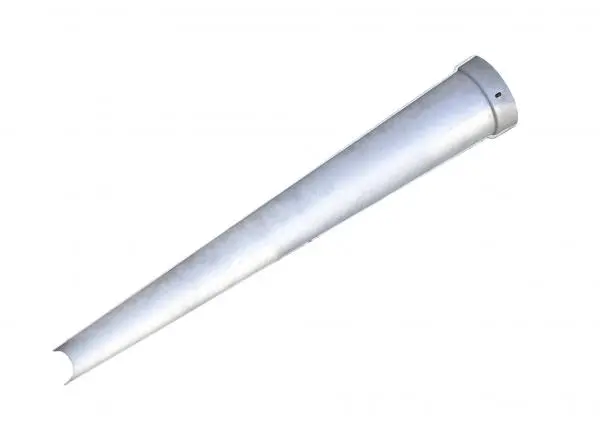
Overview of Casting Process in Water Gun Head Parts Manufacturing
The foundational principles of casting technology drive production. Notably, they ensure reliable water gun head assemblies across multiple industrial applications. Gravity casting emerges as the preferred manufacturing method for these components. In this process, molten A356 aluminum alloy flows naturally. It fills precision-engineered molds smoothly.
Subsequently, this controlled solidification process creates complex internal geometries. These geometries are necessary for optimal fluid dynamics. Therefore, pump discharge systems function more efficiently. The process allows for intricate designs. However, it requires strict control. Engineers must monitor the flow rate carefully. As a result, the cast water gun head parts achieve a high level of consistency. This consistency is vital for mass production.
Material Selection and Properties in Casting Applications
A356 aluminum alloy delivers exceptional mechanical properties. First and foremost, these properties are essential for water gun head components. This material exhibits superior tensile strength. In addition, it offers excellent corrosion resistance. Furthermore, the alloy demonstrates optimal fluidity during the casting process.
The alloy's composition includes specific additives. Specifically, silicon and magnesium additions enhance casting characteristics. At the same time, these elements maintain structural durability. This is crucial under high-pressure water applications. Thus, the material withstands rigorous operational demands.
Temperature control during the casting process directly influences final component quality. For example, molten aluminum maintains specific thermal ranges. This ensures complete mold filling. Importantly, it prevents porosity or shrinkage defects. Consequently, professional foundries monitor pouring temperatures precisely. They aim to achieve consistent mechanical properties. This consistency applies throughout each casting cycle.
Dimensional Accuracy and Design Considerations
Modern casting processes achieve remarkable dimensional precision for cast water gun head parts. The 0.5kg component weight represents an optimal balance. On one hand, it ensures structural strength. On the other hand, it promotes operational efficiency. Design engineers specify wall thickness variations carefully. Additionally, they define internal passage configurations. These designs maximize flow characteristics. Simultaneously, they maintain casting feasibility.
Mold design incorporates sophisticated gating systems. Also, it uses riser systems effectively. These systems control metal flow patterns during solidification. Because of this, engineering considerations eliminate potential defect locations. Furthermore, they ensure uniform grain structure throughout the finished component. Advanced simulation software predicts solidification patterns. Then, it identifies optimal cooling strategies. Ultimately, this leads to consistent quality production.
Technical Deep Dive: How Cast Water Gun Head Parts Work and Their Functional Role
Cast aluminum components serve critical functions. Primarily, they operate within fire pump discharge assemblies. In these systems, reliability directly impacts safety system performance. The pump housing design incorporates precision-machined surfaces. For instance, these surfaces accommodate high-pressure sealing systems. Moreover, they fit precise mounting interfaces.
Internal flow passages optimize water velocity. Additionally, they regulate pressure characteristics. These factors are essential for effective fire suppression applications. The cast water gun head parts must guide water flow efficiently. Otherwise, turbulence could reduce system pressure. Therefore, the internal smoothness of the casting is paramount. Engineers focus heavily on this aspect during the design phase.
Performance Comparison: Cast vs. Alternative Materials
Cast aluminum components demonstrate superior performance characteristics. Notably, they outperform plastic alternatives in demanding applications. The material's inherent strength allows thinner wall sections. However, this does not compromise structural integrity. As a result, designers can create more compact system designs.
Thermal conductivity properties enable efficient heat dissipation. This occurs during extended operation cycles. Plastic components often struggle in this area. In contrast, aluminum manages heat effectively. Impact resistance represents another significant advantage of cast aluminum construction. For example, these components withstand mechanical shock loads. Furthermore, they endure vibration stresses common in mobile fire equipment installations.
The material's fatigue resistance ensures reliable operation. Specifically, it lasts through thousands of pressure cycles without degradation. Plastic parts might crack under similar stress. Therefore, cast water gun head parts offer better long-term value.

Material Properties and Operational Benefits
A356 aluminum alloy exhibits excellent corrosion resistance. Especially, this applies when exposed to water and atmospheric conditions. The material's natural oxide layer provides long-term protection. Basically, it guards against chemical degradation. Surface treatments such as shot blasting enhance this protective characteristic. In addition, these treatments improve aesthetic appearance.
Tensile strength properties exceed 240 MPa in properly heat-treated A356 castings. Consequently, this provides substantial safety margins for high-pressure applications. The material's ductility allows controlled deformation. Crucially, it deforms under extreme loads rather than failing catastrophically. Conversely, brittle materials might shatter. These mechanical characteristics prove essential. Indeed, they are vital for critical safety equipment applications.
Best Practices for Maintenance and Replacement of Cast Water Gun Head Parts
Proper maintenance protocols extend the operational life of cast water gun components. Simultaneously, they ensure consistent performance standards. Regular inspection schedules identify potential issues early. Ideally, this happens before they compromise system functionality. Visual examination reveals surface corrosion. Also, it detects mechanical damage or wear patterns. Subsequently, these signs indicate replacement requirements.
Cleaning and Preventive Maintenance Procedures
Effective cleaning procedures remove mineral deposits. Additionally, they eliminate contaminants that accumulate during normal operation. Mild alkaline solutions dissolve calcium and magnesium buildup. Importantly, they do so without attacking the aluminum substrate. Next, technicians use soft bristle brushes. These brushes remove stubborn deposits from internal passages. However, they do not damage precision-machined surfaces.
Pressure testing verifies system integrity following maintenance procedures. Specifically, hydrostatic tests confirm component strength. Moreover, they reveal potential leak paths. This must happen before equipment returns to service. Documentation of test results provides traceability. Therefore, it supports quality management systems. Also, it ensures regulatory compliance requirements.
Inspection Protocols and Replacement Guidelines
Professional inspection protocols evaluate critical dimensions. Furthermore, they assess surface condition and mechanical properties at regular intervals. Coordinate measuring machines verify component geometry. Consequently, parts stay within specified tolerances. Non-destructive testing methods detect internal flaws. Or, they find material degradation not visible through surface examination.
Replacement decisions consider multiple factors. For instance, they analyze component age. Additionally, they look at operating conditions and performance history. Statistical analysis of failure patterns helps predict optimal replacement intervals. Thus, operators can plan for different service environments. Proactive replacement strategies minimize unexpected failures. Finally, this reduces associated downtime costs.
Procurement Guide: Selecting and Sourcing High-Quality Cast Water Gun Head Parts
Successful procurement strategies require comprehensive evaluation. First, buyers must assess supplier capabilities. Next, they check quality systems. Finally, they review manufacturing processes. ISO9001:2015 certification demonstrates a commitment to quality. Specifically, it shows consistent quality management practices. Additional certifications provide further assurance. For example, ISO14001 and ISO45001 indicate environmental and safety management compliance.
Supplier Evaluation Criteria and Quality Standards
Manufacturing capacity directly impacts delivery reliability. Also, it affects cost competitiveness. Facilities with 5000-piece monthly capacity handle substantial order volumes. At the same time, they maintain consistent quality standards. Automated production equipment reduces variability. Therefore, it improves dimensional consistency across production runs.
Quality control systems encompass material certification. In addition, they cover process monitoring and final inspection procedures. Suppliers must demonstrate statistical process control capabilities. Furthermore, they need corrective action protocols. Documented quality procedures ensure consistency. Notably, this applies regardless of production volume or schedule pressures.
Logistics and Packaging Considerations
Professional packaging protects cast water gun head parts during international shipping. Wooden box packaging provides structural support. Additionally, it offers moisture protection for aluminum components. Proper cushioning prevents mechanical damage. Specifically, it protects parts during handling and transportation.
Shipping logistics coordinate with production schedules. This coordination optimizes inventory levels. Consequently, it reduces carrying costs. Reliable suppliers provide accurate delivery estimates. Moreover, they offer proactive communication regarding potential delays. Geographic proximity to major transportation hubs reduces shipping time. Also, it lowers overall shipping costs.
Company Overview and Product & Service Information
Rongbao Enterprise represents a leading manufacturer of precision cast components. Currently, we serve global industrial markets. Our Xi'an, China facility combines advanced casting technology. Plus, we integrate comprehensive quality management systems. Twenty years of manufacturing experience enables us to deliver reliable solutions. For example, we provide solutions for demanding applications including fire safety equipment.
Manufacturing Capabilities and Technical Excellence
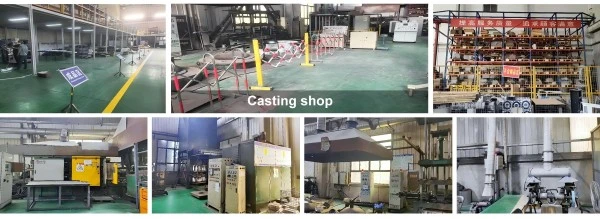
Our comprehensive manufacturing capabilities encompass gravity casting. Also, we handle CNC machining and surface treatment operations under one roof. This integrated approach ensures quality control. Specifically, we monitor the entire production process. Advanced equipment includes automated casting machines. In addition, we utilize multi-axis machining centers. Finally, we employ sophisticated quality measurement systems.
Technical expertise extends beyond standard production. Notably, it includes custom design support and prototype development. Our engineering team collaborates with clients. Together, we optimize component designs for improved performance. Furthermore, we enhance manufacturing efficiency. Value-added services include mold development. We also offer material selection guidance and process optimization consulting.
Quality Assurance and Compliance Standards
Triple certification demonstrates our commitment to excellence. Specifically, we hold ISO9001:2015, ISO14001, and ISO45001 certifications. These cover quality, environmental, and safety management systems. Comprehensive quality control procedures monitor every aspect of production. This ranges from incoming material verification through final inspection and packaging.
Statistical process control methodologies ensure consistent product quality. This remains true regardless of production volume. Real-time monitoring systems track critical process parameters. Then, they automatically adjust equipment settings to maintain optimal conditions. Complete traceability systems document material history. Additionally, they record processing conditions for each component.
Conclusion
Understanding the casting process behind cast water gun head parts manufacturing enables informed procurement decisions. Furthermore, it fosters better supplier partnerships. Gravity casting of A356 aluminum alloy provides the optimal combination. It balances strength, corrosion resistance, and dimensional accuracy. These traits are required for critical fire safety applications.
Proper maintenance procedures ensure long-term system reliability. Similarly, quality supplier relationships guarantee cost-effectiveness. Modern manufacturing facilities combine advanced technology with rigorous quality systems. Ultimately, they deliver consistent component performance.
Contact Rongbao Enterprise for Premium Cast Water Gun Head Parts
Rongbao Enterprise delivers exceptional cast water gun head parts. Specifically, our parts meet the demanding requirements of fire safety applications. Our comprehensive manufacturing capabilities ensure superior component quality. From gravity casting through CNC machining and surface treatment, we control it all. With ISO9001:2015, ISO14001, and ISO45001 certifications, we maintain the highest standards. These standards apply to quality, environmental responsibility, and workplace safety. Connect with our experienced team at steve.zhou@263.net and zhouyi@rongbaocasting.com. Contact us to discuss your specific requirements. Discover how our expertise can enhance your supply chain efficiency.
FAQs
What are the critical specifications for ordering cast water gun head parts?
Critical specifications include material grade (A356 aluminum alloy). Also, you must specify component weight (0.5kg) and dimensional tolerances. Surface finish requirements are equally important. Finally, applicable quality standards matter. Certification requirements such as ISO9001:2015 compliance should be specified. Additionally, include testing and documentation needs.
How do cast aluminum components compare to plastic alternatives in durability?
Cast aluminum components offer superior strength. Moreover, they provide better impact resistance and temperature stability compared to plastic alternatives. The material withstands high-pressure applications. Consequently, it provides extended service life under demanding operating conditions. Aluminum's inherent corrosion resistance eliminates degradation issues. In contrast, these issues are common with plastic materials.
What are typical lead times and warranty conditions for cast water gun head parts?
Standard lead times range from 4-8 weeks. However, this depends on order quantity and customization requirements. Production capacity of 5000 pieces monthly enables substantial order fulfillment. Warranty terms typically cover material defects. Also, they cover manufacturing quality issues for 12-24 months under normal operating conditions.
What quality certifications should suppliers maintain for fire safety components?
Reputable suppliers maintain ISO9001:2015 quality management certification. In addition, they should hold environmental (ISO14001) and safety (ISO45001) compliance. Additional industry-specific certifications may apply. This depends on regional regulations and end-use applications. Documentation should include material certificates. Furthermore, it must include quality test results.
References
American Foundry Society. "Aluminum Casting Technology and Quality Control Standards." Casting Industry Guidelines, 2023.
International Organization for Standardization. "Quality Management Systems for Manufacturing Industries: ISO9001:2015 Implementation Guide." Industrial Standards Publication, 2023.
Materials Science and Engineering Institute. "A356 Aluminum Alloy Properties and Applications in Precision Casting." Metallurgical Engineering Journal, 2023.
National Fire Protection Association. "Fire Pump System Components and Performance Requirements." Safety Equipment Standards Manual, 2023.
Society of Manufacturing Engineers. "Gravity Casting Processes and Quality Optimization Techniques." Advanced Manufacturing Processes, 2023.
Aluminum Association Technical Committee. "Corrosion Resistance and Surface Treatment Methods for Cast Aluminum Components." Materials Engineering Handbook, 2023.
Learn about our latest products and discounts through SMS or email