- English
- French
- German
- Portuguese
- Spanish
- Russian
- Japanese
- Korean
- Arabic
- Greek
- German
- Turkish
- Italian
- Danish
- Romanian
- Indonesian
- Czech
- Afrikaans
- Swedish
- Polish
- Basque
- Catalan
- Esperanto
- Hindi
- Lao
- Albanian
- Amharic
- Armenian
- Azerbaijani
- Belarusian
- Bengali
- Bosnian
- Bulgarian
- Cebuano
- Chichewa
- Corsican
- Croatian
- Dutch
- Estonian
- Filipino
- Finnish
- Frisian
- Galician
- Georgian
- Gujarati
- Haitian
- Hausa
- Hawaiian
- Hebrew
- Hmong
- Hungarian
- Icelandic
- Igbo
- Javanese
- Kannada
- Kazakh
- Khmer
- Kurdish
- Kyrgyz
- Latin
- Latvian
- Lithuanian
- Luxembou..
- Macedonian
- Malagasy
- Malay
- Malayalam
- Maltese
- Maori
- Marathi
- Mongolian
- Burmese
- Nepali
- Norwegian
- Pashto
- Persian
- Punjabi
- Serbian
- Sesotho
- Sinhala
- Slovak
- Slovenian
- Somali
- Samoan
- Scots Gaelic
- Shona
- Sindhi
- Sundanese
- Swahili
- Tajik
- Tamil
- Telugu
- Thai
- Ukrainian
- Urdu
- Uzbek
- Vietnamese
- Welsh
- Xhosa
- Yiddish
- Yoruba
- Zulu
Low Pressure Die Casting Defects
Low pressure die casting defects represent significant challenges in precision manufacturing, directly impacting component quality and production efficiency. Low pressure casting utilizes controlled gas pressure (0.3-1.5 bar) to push molten aluminum or magnesium upward through a riser tube into permanent molds, creating superior mechanical properties and dimensional accuracy. While this advanced process minimizes turbulence and oxidation compared to traditional gravity casting, defects such as porosity, inclusions, and cold shuts can still occur due to equipment limitations, material contamination, or process parameter variations. Understanding these defect patterns enables procurement professionals and quality engineers to make informed supplier selection decisions, reduce manufacturing costs, and ensure consistent product performance across automotive, aerospace, and industrial applications.
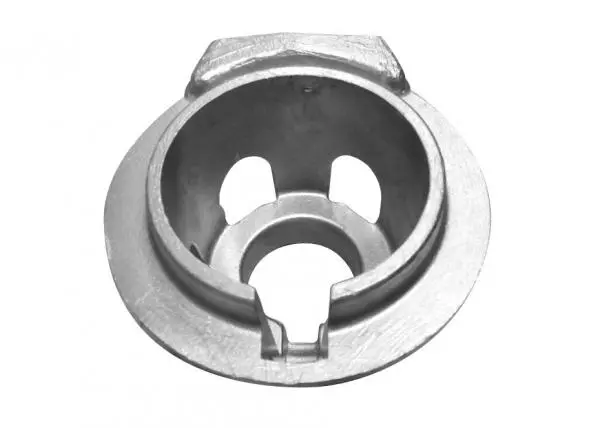
Understanding Low Pressure Die Casting Defects
Low pressure casting makes high-quality metal parts with great mechanical qualities. However, some flaws can make the products less reliable and unable to do their job. To stay ahead of the competition and make sure the supply chain works, modern manufacturers need to know a lot about these types of defects.
Common Defect Types and Their Characteristics
In low pressure die casting processes, porosity is the most common flaw that is found. This flaw shows up as small holes or gas pockets in the structure of the casting. It's usually caused by trapped air, hydrogen gas absorption, or not properly degassing the material. Shrinkage porosity has uneven forms with dendrite patterns on the cavity surfaces, while gas porosity looks like round holes with smooth walls.
If two metal fronts meet but don't bond properly during the filling process, this is called a cold shut. These flaws show up on the surface of the casting as lines or cracks that can be seen, and they make the structure much less stable. Cold shuts usually happen when the metal isn't hot enough, the mold isn't heated enough before it's used, or the gate system isn't designed well enough to prevent turbulent flow patterns.
Inclusions are things like oxide films, slag particles, or mold material pieces that get stuck in the casting matrix. Most of the time, these contaminants come from not cleaning the metal properly, using a dirty oven, or not handling the metal properly during the casting process.
Root Causes and Mechanisms of Formation
Limitations on the equipment used have a big effect on how defects form in low pressure die casting. Worn or broken burner parts can let in contamination, and pressure control systems that don't work right can make the filling features vary. When riser tubes break down, they let air in and oxides form, which directly leads to porosity and inclusion flaws.
Impurities in the material are a major cause of defects. Aluminum alloys with too much hydrogen create gas pores, and charge materials that are contaminated bring in inclusions and oxide forms. These contamination risks are increased by bad material handling practices, such as not using enough degassing processes and filtering systems.
Changes in the process are another important factor that affects the quality of the casting. Changes in temperature during melting and holding processes affect how fluid and soluble gases are in metal. When you apply pressure at different rates, it can make the filling process rough, which can cause air to get trapped and a cold shut to form. Changing the temperature of the mold can change the way things solidify and cause problems related to shrinking.
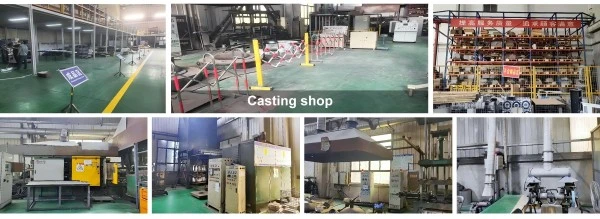
Systematic Approach to Diagnosing and Solving Low Pressure Casting Defects
To find flaws in a low pressure casting, you need a structured method that combines advanced mathematical methods with eye inspection techniques. Modern quality control standards use a variety of testing methods to correctly identify the types of defects and put in place effective solutions.
Inspection and Analysis Methodologies
Visual analysis is the main way to check for flaws on the surface and obvious problems with the structure. Using standard lighting and magnifying tools, trained inspectors look at the surfaces of castings for cold shuts, surface pores, and inclusion particles. This first evaluation helps decide how to test things in the future and sets priorities for areas that need more in-depth analysis.
However, non-destructive testing (NDT) methods can find all kinds of flaws without damaging the casting. X-ray radiography shows patterns of internal porosity, inclusion sites, and structural irregularities across the cross-section of the component. Ultrasonic testing finds flaws below the surface and measures changes in material density that could mean there are quality problems.
Metallographic research gives us a lot of information about how defects form and how materials are put together at the microstructural level. Cross-sectional analysis shows differences in porosity shape, inclusion makeup, and grain structure that help find the reasons. For finding inclusions, scanning electron microscopy (SEM) allows for high-resolution images of flaws and chemical makeup analysis.
Preventive Measures and Process Controls
Using strict process controls lowers the number of defects that happen and raises the quality of the casting as a whole. Temperature tracking devices make sure that the metal and mold stay at the same temperature throughout the production cycle. Automated pressure control equipment keeps the best filling rates and gets rid of the human mistake factors that cause process differences.
Material preparation methods have a big effect on the quality of the end casting. Degassing methods get rid of hydrogen and other gases that are dissolved in the material and cause porosity problems. Filtration systems get rid of contaminants that can cause inclusions before the metal goes into the mold. Choosing the right charge material and following the right handling steps will keep pollution from getting into the heating process.
Mold repair programs fix problems that happen with equipment by inspecting and replacing parts on a regular basis. Monitoring the riser tubes stops the wear and tear that causes air to enter and oxide to form. Treatments for mold surfaces make them less likely to stick and better at releasing, which affects the quality of the surface.
These thorough control measures make factories strong enough to make casts without any flaws every time, which cuts down on repair costs and delivery times.
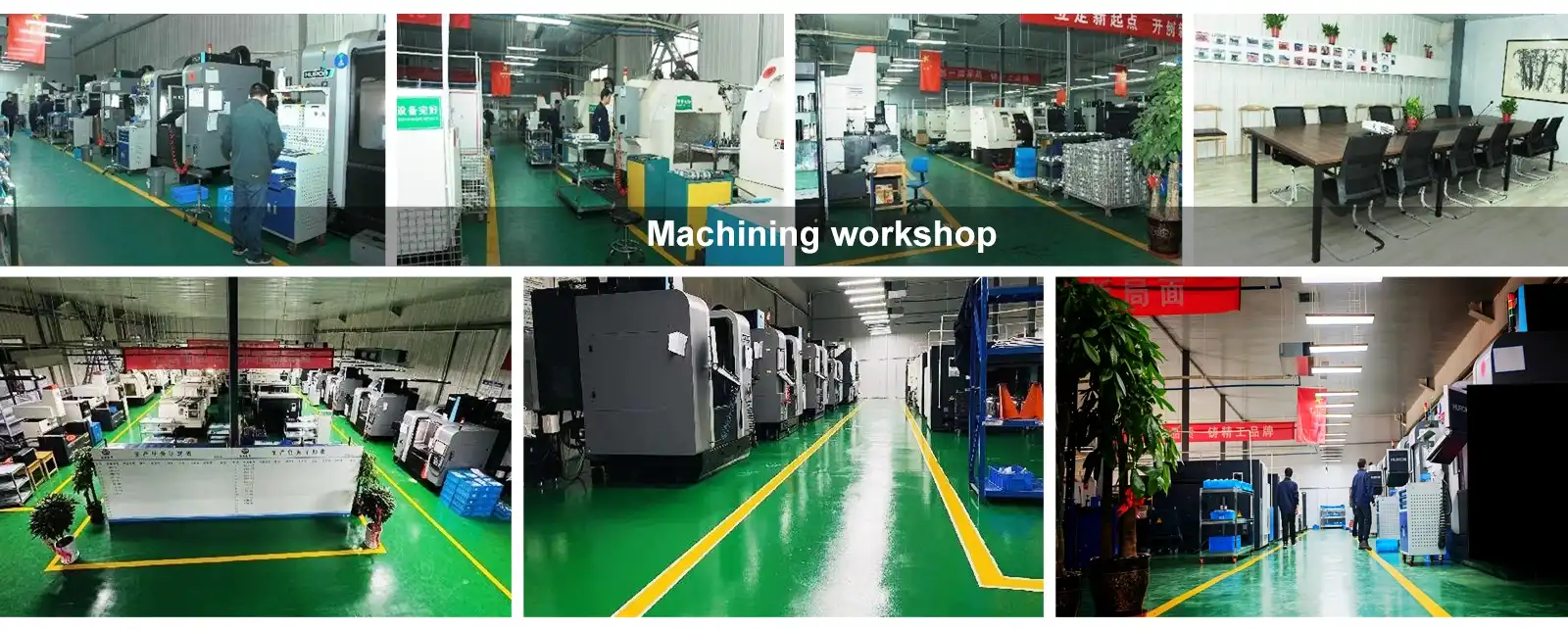
Best Practices and Design Guidelines to Minimize Casting Defects
The best ways to create and make components greatly lower the number of defects that happen and raise the general efficiency of production. These rules talk about important things that affect the quality of the casting and its dependability over time.
Mold Design Optimization
A good mold design encourages even metal flow and controlled solidification patterns that keep defects to a minimum. The design of the gates directly affects how the system fills and how much air can get in. Placing gates in a smart way makes sure that the flow is smooth and laminar, and it stays away from turbulent conditions that cause holes and cold shuts.
The design of the cooling system controls the rate of solidification and lowers flaws caused by shrinking. When the cooling channels are placed correctly, they keep the solidification moving toward the upper tube. This makes sure that there is enough food during the solidification process. Thermal modeling software helps find the best ways to cool structures with complicated shapes and different wall thicknesses.
The placement of the riser tube affects how the metal is delivered and the quality of the casting as a whole. If you place the risers in the middle, they fill evenly with symmetrical parts, but if you place them off-center, they can work with irregular patterns. When choosing a riser width, the filling speed and pressure drop must be balanced so that the process factors stay the same.
Material Selection and Handling
Choosing the right alloy has a big effect on the casting's properties and how likely it is to develop defects. Aluminum metals that don't react as strongly with hydrogen lower the risk of gas porosity, and materials that are more flexible lower the risk of cold shut formation. Material approval makes sure that the chemistry is always the same and cuts down on the variation that can lead to defects.
When melting and casting, pollution can be avoided by treating materials properly. Charge materials are kept safe from moisture absorption and air pollution in covered storage places. Systematic material rotation keeps the quality stable and stops it from going bad after being stored for a long time.
Melting techniques affect the quality of the end casting by controlling the temperature and the atmosphere. Controlled heating rates stop too much hydrogen from being picked up, and safe oxygen systems lower the oxidation potential. Regular furnace repair gets rid of sources of contamination and keeps the furnace's heat performance stable.
Choosing Reliable Low Pressure Casting Partners and Equipment to Reduce Defects
Choosing skilled foundries and high-tech casting tools is a very important task that has a direct effect on the quality of the parts and the dependability of the supply chain. Comprehensive review factors help find partners who can meet strict quality standards.
Supplier Qualification Criteria
Getting ISO 9001 approval shows that a foundry is dedicated to quality management systems and practices for ongoing growth. For this approval, there must be written methods for managing suppliers, keeping an eye on the process, and taking corrective actions that have a direct effect on the quality of the casting. Extra certifications, like IATF 16949, show that you know a lot about the car business and can do high-quality work.
Evaluation of production ability makes sure that providers can meet volume needs while still meeting quality standards. When equipment has the right amount of capacity, it doesn't get overloaded, which can make process control worse and cause more mistakes. Having backup equipment available ensures continuity during repair times and when unexpectedly equipment fails.
The technical skills review looks at how knowledgeable the foundry is about low pressure casting applications and how to stop defects. Experienced engineering support helps with design improvement and fixing problems with the process. Modern testing tools allow for thorough quality checks and flaw analysis when problems happen.

Equipment and Technology Considerations
Modern low pressure die casting tools have automated control systems that make sure that process settings are always the same and reduce the chance of human mistake. Programmable pressure patterns make sure that the filling properties are best for each part's shape while also lowering the chance of air entrainment. Real-time tracking tools find changes in the process and let you fix them right away.
Furnace technology has a big effect on the quality of metal and the chance of defects forming. Hydrogen and other dissolved gases that cause porosity flaws are taken out by advanced degassing devices. Automated temperature control keeps the right temperature range while avoiding burning, which speeds up the formation of oxides.
Quality control tools lets you find all kinds of flaws and keep an eye on the whole process. X-ray screening tools find problems inside parts before they are put together. Software for statistical process control keeps an eye on quality trends and lets you plan ahead for maintenance.
Conclusion
Defects in low pressure casting have a big effect on the quality of production and buying choices in the aerospace, automobile, and industrial sectors. Knowing the different kinds of defects, how they form, and how to stop them is important for choosing suppliers and managing quality. A thorough check of casting partners' technical skills, quality standards, and high-tech tools makes sure that the quality of the parts is always the same and that supply chain risks are kept to a minimum. Best practices in design optimization, material handling, and process control can be used to make factories that regularly make casts without any flaws. When you make strategic buying choices based on the ability to avoid defects instead of just price, you get better long-term value through lower rework costs, higher reliability, and happier customers.
Partner with Rongbao Enterprise for Defect-Free Low Pressure Casting Solutions
Rongbao Enterprise offers top-notch low pressure casting production services backed by 20 years of experience in the field and a full set of quality standards, such as ISO9001, ISO14001, and ISO45001. Our high-tech automated machinery and full-chain quality control systems make sure that our products are made without any problems and meet international standards for use in the automobile, aircraft, and industrial sectors. We are a reliable low pressure casting supplier that serves markets around the world. With 70% of our exports going to Europe, the United States, and Japan, we offer complete manufacturing solutions, from improving designs to making finished parts. Email our tech team at steve.zhou@263.net or zhouyi@rongbaocasting.com to talk about your unique needs and find out how our years of experience can help you make your supply chain more reliable.
FAQ
What are the most common defects in low pressure die casting?
Gas porosity, shrinkage porosity, cold shuts, and inclusions are the flaws that happen most often. When air or hydrogen gas is caught, gas porosity shows up as round holes. Shrinkage porosity, on the other hand, makes uneven holes when the material hardens. Cold shuts show up as fusion lines where metal fronts don't join properly, and inclusions are foreign materials that get stuck in the casting matrix.
How do low pressure casting defect rates compare to other methods?
For low pressure die casting, the yield rate is usually between 95% and 98%. For gravity casting, it's between 85% and 90%, and for high pressure die casting, it's between 90% and 95%. Controlled filling cuts down on porosity and cold shut formation by a large amount, while also improving the quality of the surface finish and the accuracy of the measurements.
What supplier qualifications minimize defect risks?
Key requirements include ISO 9001 certification for quality control systems, enough production capability to avoid overloading, and high-tech testing tools for finding flaws. Technical know-how in low pressure casting uses and a history of success in similar fields give you even more confidence in their quality.
How can design changes reduce casting defects?
Optimized gate systems help metal move smoothly and lower the amount of air that gets mixed in. The right placement of cooling channels controls the patterns of solidification. Even wall thickness reduces flaws caused by shrinking, and careful placement of risers makes sure they get enough feed while the concrete hardens.
References
- Campbell, J. "Castings: The New Metallurgy of Cast Metals." Elsevier Science & Technology, 2003.
- Dispinar, D. and Campbell, J. "Critical Assessment of Reduced Pressure Test and Degassing Process Efficiency." International Journal of Cast Metals Research, 2004.
- Kaufman, J.G. and Rooy, E.L. "Aluminum Alloy Castings: Properties, Processes, and Applications." ASM International, 2004.
- Tiryakioğlu, M. "Statistical Process Control and Quality Reliability of Aluminum Alloy Castings." Quality Engineering International, 2008.
- Zhao, H. and White, D.R. "Low Pressure Die Casting: Process Fundamentals and Quality Control." Foundry Trade Journal, 2010.
- Zhang, L. and Thomas, B.G. "Inclusion Investigation and Analysis in Low Pressure Die Cast Aluminum Alloys." Materials Science and Engineering, 2012.
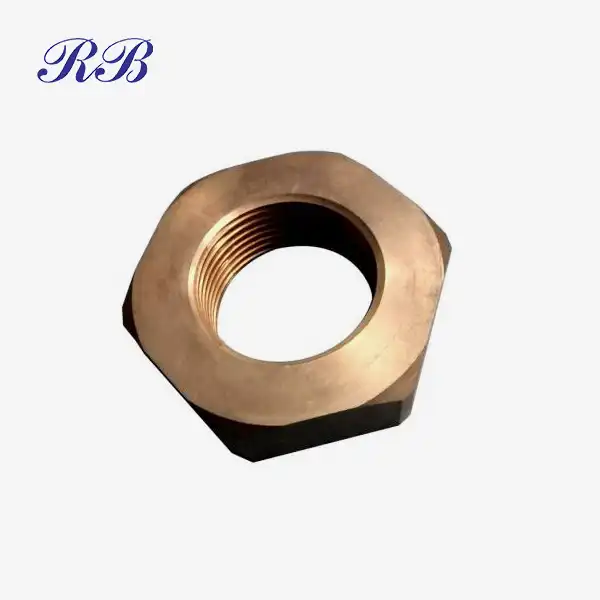
Learn about our latest products and discounts through SMS or email