- English
- French
- German
- Portuguese
- Spanish
- Russian
- Japanese
- Korean
- Arabic
- Greek
- German
- Turkish
- Italian
- Danish
- Romanian
- Indonesian
- Czech
- Afrikaans
- Swedish
- Polish
- Basque
- Catalan
- Esperanto
- Hindi
- Lao
- Albanian
- Amharic
- Armenian
- Azerbaijani
- Belarusian
- Bengali
- Bosnian
- Bulgarian
- Cebuano
- Chichewa
- Corsican
- Croatian
- Dutch
- Estonian
- Filipino
- Finnish
- Frisian
- Galician
- Georgian
- Gujarati
- Haitian
- Hausa
- Hawaiian
- Hebrew
- Hmong
- Hungarian
- Icelandic
- Igbo
- Javanese
- Kannada
- Kazakh
- Khmer
- Kurdish
- Kyrgyz
- Latin
- Latvian
- Lithuanian
- Luxembou..
- Macedonian
- Malagasy
- Malay
- Malayalam
- Maltese
- Maori
- Marathi
- Mongolian
- Burmese
- Nepali
- Norwegian
- Pashto
- Persian
- Punjabi
- Serbian
- Sesotho
- Sinhala
- Slovak
- Slovenian
- Somali
- Samoan
- Scots Gaelic
- Shona
- Sindhi
- Sundanese
- Swahili
- Tajik
- Tamil
- Telugu
- Thai
- Ukrainian
- Urdu
- Uzbek
- Vietnamese
- Welsh
- Xhosa
- Yiddish
- Yoruba
- Zulu
How to Use Cast Valve Bodies in Fire Pump Conversion Joint?
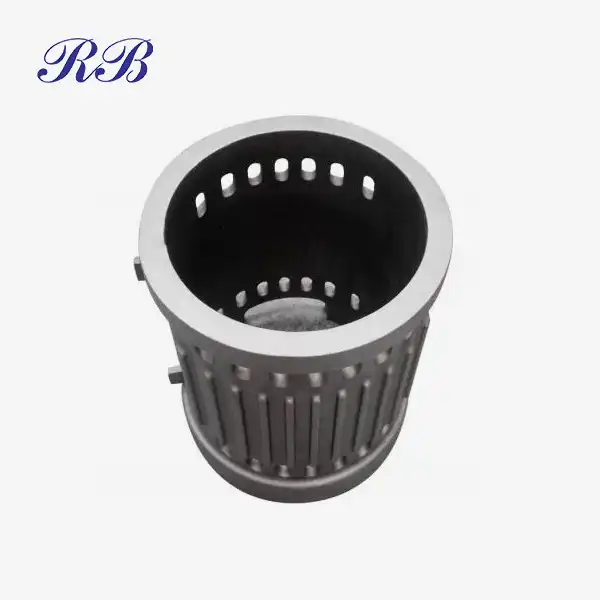
Cast valve bodies serve as critical components in fire pump conversion joints. They act as the structural foundation that houses internal valve mechanisms. Furthermore, they ensure secure fluid flow control. These precision-engineered aluminum castings provide necessary pressure resistance. They also offer dimensional accuracy required for reliable fire protection system operations. When properly integrated into conversion joints, valve bodies enable seamless transitions. These transitions occur between different pipe sizes and configurations. Simultaneously, they maintain optimal hydraulic performance throughout the entire fire suppression network.
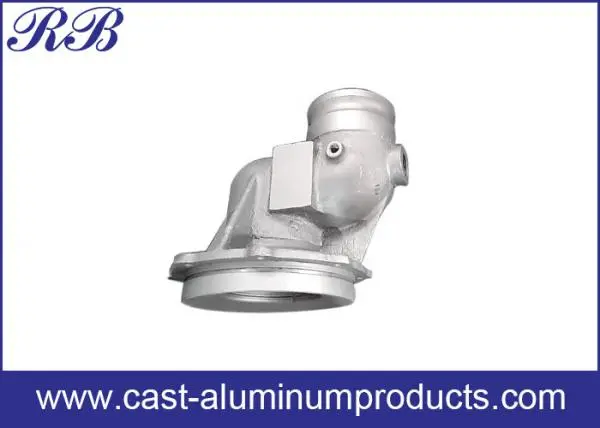
Understanding Cast Valve Bodies in Fire Safety Applications
Cast valve bodies represent the backbone of modern fire pump conversion systems. These components undergo precision casting processes. Typically, manufacturers use A356 aluminum alloy. This material delivers exceptional strength-to-weight ratios. Additionally, it resists corrosion in demanding environments. The casting process allows manufacturers to create complex internal geometries. These shapes would be impossible to achieve through traditional machining alone.
The conversion joint application requires valve bodies that can handle sudden pressure surges. They must also maintain structural integrity during emergency operations. Fire pump systems often experience rapid pressure changes. Therefore, the durability of cast components becomes absolutely essential. Quality casting processes ensure these parts meet stringent safety standards. At the same time, they provide long-term reliability.
Modern fire protection regulations mandate specific performance criteria for valve components. Cast valve bodies must demonstrate consistent performance. This must hold true across varying temperature ranges and pressure conditions. The aluminum casting process enables precise control over material properties. Consequently, each component meets or exceeds required specifications.
Core Applications of Cast Valve Bodies in Fire Pump Systems
Pressure Regulation and Control
Cast valve bodies excel in pressure regulation applications within fire pump conversion joints. The internal geometry of these castings allows for smooth fluid flow. Furthermore, it provides mounting points for pressure control mechanisms. During operation, the valve body maintains structural stability. This stability persists even under extreme pressure fluctuations that commonly occur during fire pump startup sequences.
The hydraulic characteristics of properly designed cast valve bodies minimize pressure drop across the conversion joint. This efficiency becomes crucial in fire protection systems. Every pound of pressure translates directly to firefighting effectiveness. Advanced casting techniques enable the creation of optimized flow passages. These passages reduce turbulence and energy losses.
Flow Direction Management
Conversion joints often require precise flow direction control. Cast valve bodies provide the ideal platform for implementing these mechanisms. The casting process allows for the integration of guide vanes. Flow conditioning elements can also be built directly into the valve body structure. This integration eliminates potential leak points. Additionally, it ensures optimal flow characteristics.
The internal configuration of cast valve bodies allows for customization. It can accommodate specific flow requirements. Whether dealing with straight-through flow or complex routing scenarios, casting is versatile. The process enables the creation of tailored solutions that meet exact application needs. This flexibility proves invaluable in retrofit situations. In such cases, existing infrastructure constraints often limit design options.
System Isolation Capabilities
Fire pump conversion joints equipped with properly designed cast valve bodies enable effective system isolation. This is vital during maintenance or emergency situations. The valve body provides secure mounting for isolation mechanisms. Simultaneously, it ensures leak-tight performance when closure is required. This capability becomes essential for system maintenance without compromising overall fire protection coverage.
The structural integrity of cast valve bodies ensures reliable operation of isolation mechanisms. This remains true even after extended periods of inactivity. Fire protection systems may remain dormant for months or years. Therefore, component reliability is absolutely critical. Quality casting processes produce valve bodies that resist corrosion. They also maintain dimensional stability over extended service periods.
Automatic Control Integration
Modern fire protection systems increasingly rely on automatic control systems. Cast valve bodies provide excellent platforms for sensor integration and actuator mounting. The casting process enables the incorporation of mounting bosses. Connection points can also be added. These accommodate various control components without compromising structural integrity.
The modular design approach allows cast valve bodies to accept different control packages. This flexibility depends on specific application requirements. Whether implementing simple pressure switches or complex electronic control systems, the valve body works. It provides a stable foundation that ensures accurate operation. This versatility reduces inventory requirements. It also improves system standardization.

Emergency Response Features
Cast valve bodies in fire pump conversion joints can incorporate emergency response features. These activate during crisis situations. Examples include automatic pressure relief mechanisms. Emergency isolation capabilities are another option. Rapid-response flow control systems are also common. The casting process allows these features to be integrated directly into the valve body structure.
The reliability of emergency features depends heavily on the quality of the underlying valve body. Cast components provide the dimensional stability necessary. Corrosion resistance is also key for emergency mechanisms to function properly after extended dormant periods. This reliability proves crucial when systems must activate instantly during emergency situations.
Thermal Protection Functions
Fire pump systems may encounter elevated temperatures during operation. Cast valve bodies can incorporate thermal protection features to address this. These might include temperature-activated relief valves. Thermal expansion compensation mechanisms are also possible. The thermal properties of aluminum castings make them well-suited for applications involving temperature variations.
The heat dissipation characteristics of cast aluminum valve bodies help maintain stable operating temperatures. This applies throughout the conversion joint assembly. This thermal management capability protects sensitive components. Furthermore, it ensures consistent performance across varying environmental conditions. Proper thermal design extends component life. It also improves overall system reliability.
Maintenance Access Optimization
Cast valve bodies can be designed to facilitate maintenance access. At the same time, they maintain structural integrity. The casting process enables the creation of removable inspection ports. Drain connections and service access points can also be included. These features simplify routine maintenance procedures. Consequently, this accessibility reduces maintenance time while improving service quality.
The torque requirements for maintenance connections can be optimized. Careful casting design makes this possible. By incorporating proper reinforcement around threaded connections and access ports, cast valve bodies maintain strength. They also provide convenient service access. This balance between strength and serviceability proves essential for long-term system reliability.

Material Advantages of A356 Aluminum in Cast Valve Bodies
A356 aluminum alloy represents the gold standard for fire pump valve body applications. This is due to its exceptional combination of strength, corrosion resistance, and castability. This material provides superior mechanical properties. Simultaneously, it maintains excellent dimensional stability across varying temperature ranges. The alloy composition enables complex casting geometries. It also ensures consistent material properties throughout the component.
The corrosion resistance of A356 aluminum proves particularly valuable in fire protection applications. Components may be exposed to various environmental conditions. Unlike ferrous materials that may rust when exposed to moisture, aluminum differs. It naturally forms a protective oxide layer that prevents further corrosion. This characteristic ensures long-term reliability even in challenging environments.
The machinability of A356 castings allows for precise finishing operations. These ensure proper fit and function within conversion joint assemblies. CNC machining capabilities enable tight tolerances on critical surfaces. This maintains the structural benefits of the cast geometry. This combination of casting flexibility and machining precision delivers optimal component performance.
Installation Best Practices for Optimal Performance
Proper installation of cast valve bodies in fire pump conversion joints requires attention to detail. Adherence to established procedures is mandatory. The alignment of mating surfaces must be precise. This ensures proper seal engagement and prevents leakage. Torque specifications for fasteners must be followed exactly. This achieves proper clamping force without damaging components.
The preparation of installation surfaces plays a crucial role. It is vital for achieving reliable connections. Any dirt, debris, or damage on sealing surfaces can compromise system integrity. This leads to leakage. Proper surface preparation ensures optimal seal performance. It also guarantees long-term reliability of the conversion joint assembly.
Pipeline stress considerations become important when installing cast valve bodies. This is especially true in existing systems. The conversion joint must accommodate thermal expansion and contraction. It must also maintain proper alignment. Proper support and anchoring prevent excessive stress concentrations. Such stress could damage components or compromise seal integrity.
Partner with Rongbao Enterprise for Premium Cast Valve Body Solutions
Rongbao Enterprise delivers exceptional cast valve body manufacturing capabilities. We are backed by 20 years of industry expertise. Comprehensive quality certifications further validate our standing. Our advanced gravity casting processes ensure excellence. Precision CNC machining guarantees that every component meets demanding requirements. We specialize in fire pump conversion joint applications. With ISO 9001:2015, ISO 14001, and ISO 45001 certifications, we guarantee consistency. We offer reliability for your critical fire protection systems. Contact steve.zhou@263.net and zhouyi@rongbaocasting.com. Discuss your specific cast valve body requirements today. Discover why leading manufacturers trust our expertise for their most demanding applications.
Conclusion
Cast valve bodies represent essential components in fire pump conversion joint applications. They provide the structural foundation and flow control capabilities necessary. This ensures reliable fire protection systems. The combination of A356 aluminum's superior material properties is unmatched. Precision casting processes add to the value. Comprehensive quality assurance ensures these components deliver long-term reliability. This is vital in critical safety applications. Understanding proper selection enables fire protection professionals. Installation and maintenance practices are also key. These maximize system performance while ensuring compliance with safety standards. When properly implemented, cast valve bodies contribute significantly. They enhance overall fire protection system effectiveness and reliability.
FAQs
What makes cast valve bodies superior to other manufacturing methods for fire pump applications?
Cast valve bodies offer several advantages over machined or fabricated alternatives. The casting process enables complex internal geometries. These optimize flow characteristics while providing superior strength-to-weight ratios. Additionally, casting eliminates weld joints. Welds could potentially fail under pressure. Therefore, casting provides a more reliable foundation for critical fire safety components.
How do you determine the correct size cast valve body for a specific conversion joint application?
Sizing cast valve bodies requires careful consideration. Flow requirements must be analyzed. Pressure ratings are also critical. Connection specifications play a role too. The valve body must accommodate the required flow rate without excessive pressure drop. Simultaneously, it must provide adequate structural strength for the operating pressure. Additionally, the connection configurations must match the existing pipeline infrastructure. This ensures proper integration.
What maintenance requirements apply to cast valve bodies in fire pump systems?
Cast valve bodies require minimal maintenance. This is due to their corrosion-resistant properties and robust construction. Routine inspections should verify that mounting bolts remain properly torqued. Inspectors should also check that no external damage has occurred. Any signs of corrosion or damage should be investigated immediately. This ensures continued system reliability.
Can cast valve bodies be customized for specific fire pump conversion applications?
Yes, the casting process provides excellent flexibility for customization. Internal geometries can be optimized for specific flow requirements. Mounting configurations can be tailored to accommodate different actuators or sensors. Connection specifications can be modified to match existing infrastructure. This customization capability makes cast valve bodies ideal. They work well for both new installations and retrofit applications.
What quality certifications should you look for when selecting cast valve body suppliers?
Look for suppliers with ISO 9001:2015 quality management certification at minimum. Additional certifications such as ISO 14001 are beneficial. This covers environmental management. ISO 45001 for occupational health and safety demonstrates comprehensive commitment. It shows dedication to quality and reliability. These certifications ensure that manufacturing processes meet international standards. They guarantee consistency and performance.
References
National Fire Protection Association. "NFPA 20: Standard for the Installation of Stationary Pumps for Fire Protection." 2019 Edition, Chapter 4: Fire Pump Components and Valve Requirements.
American Water Works Association. "Manual M11: Steel Pipe Design and Installation." Fourth Edition, Section 6: Valve Body Materials and Casting Specifications for Water Distribution Systems.
Hydraulic Institute. "HI 1.1-1.2: Rotodynamic Centrifugal Pumps for Design and Application." 2014 Edition, Appendix C: Valve Body Design Considerations for Fire Pump Applications.
International Organization for Standardization. "ISO 5208: Industrial Valves - Pressure Testing of Metallic Valves." 2015 Edition, Section 3: Testing Requirements for Cast Valve Bodies.
American Society for Testing and Materials. "ASTM B26/B26M: Standard Specification for Aluminum-Alloy Sand Castings." 2018 Edition, Classification A356 Material Properties and Applications.
Factory Mutual Global. "FM 1319: Approval Standard for Centrifugal Fire Pumps." 2015 Edition, Section 2.3: Valve Body Construction and Performance Requirements.
Learn about our latest products and discounts through SMS or email