- English
- French
- German
- Portuguese
- Spanish
- Russian
- Japanese
- Korean
- Arabic
- Greek
- German
- Turkish
- Italian
- Danish
- Romanian
- Indonesian
- Czech
- Afrikaans
- Swedish
- Polish
- Basque
- Catalan
- Esperanto
- Hindi
- Lao
- Albanian
- Amharic
- Armenian
- Azerbaijani
- Belarusian
- Bengali
- Bosnian
- Bulgarian
- Cebuano
- Chichewa
- Corsican
- Croatian
- Dutch
- Estonian
- Filipino
- Finnish
- Frisian
- Galician
- Georgian
- Gujarati
- Haitian
- Hausa
- Hawaiian
- Hebrew
- Hmong
- Hungarian
- Icelandic
- Igbo
- Javanese
- Kannada
- Kazakh
- Khmer
- Kurdish
- Kyrgyz
- Latin
- Latvian
- Lithuanian
- Luxembou..
- Macedonian
- Malagasy
- Malay
- Malayalam
- Maltese
- Maori
- Marathi
- Mongolian
- Burmese
- Nepali
- Norwegian
- Pashto
- Persian
- Punjabi
- Serbian
- Sesotho
- Sinhala
- Slovak
- Slovenian
- Somali
- Samoan
- Scots Gaelic
- Shona
- Sindhi
- Sundanese
- Swahili
- Tajik
- Tamil
- Telugu
- Thai
- Ukrainian
- Urdu
- Uzbek
- Vietnamese
- Welsh
- Xhosa
- Yiddish
- Yoruba
- Zulu
How to choose China Customized Stainless Steel Drive Shaft Manufacturers?
To find the best Chinese manufacturer for custom stainless steel drive shafts, you need to look at their certifications, production capabilities, and quality control systems. When looking for these important rotating parts, buyers need to know how skilled a manufacturer is with materials like stainless steel 304, how precise their CNC machines are, and whether they follow international standards like ISO9001:2015. The best partner has a history of being able to customise products, communicates clearly, and always delivers on time. They should also offer affordable prices without sacrificing sturdiness or corrosion resistance for harsh industrial uses.
Understanding the Importance of Choosing the Right Stainless Steel Drive Shaft Manufacturer
Choosing a trustworthy manufacturer for stainless steel drive shafts has a direct effect on the performance, safety, and total cost of ownership of equipment in many fields. These precisely engineered rotating parts transfer torque and motion between machine parts. They are the mechanical backbone of car assemblies, factory equipment, and spacecraft systems.
What Are Stainless Steel Drive Shafts and Why Do They Matter
When compared to carbon steel or aluminium alternatives, drive shafts made from stainless steel alloys are much better. Grades like 304 and 316L are very resistant to rust, chemical contact, and environmental damage because they have a lot of chromium in them. Unlike carbon steel types that need to be coated with protective materials all the time, stainless steel types keep their structure in high-moisture environments, which, according to industry performance data, cuts down on the number of times they need to be maintained by about 40%.
The mechanical qualities of stainless steel 304—its tensile strength being over 500 MPa and its ease of machining—make it ideal for special uses. When makers use CNC machining along with surface processes like shot blasting, the parts they make have dimensions that are accurate to within ±0.05mm and a hard, even surface. These features are very important for car tier-1 suppliers who need parts that can handle constant spinning stress without wearing out too quickly.
Core Applications Across Industrial Sectors
Rotating parts made of stainless steel are used in a variety of operating situations. In the car industry, they connect transmissions to wheels and handle torque loads while keeping road salt from rusting. These parts are used in industrial gear in places like pump units and conveyor systems where they are regularly exposed to chemicals. The aircraft industry needs shaft options for hydraulic actuators and control surface mechanisms that are both light and strong.
Material choice has a big effect on speed over the whole duration. For most commercial uses, stainless steel 304 is a cost-effective way to prevent corrosion. However, 316L versions with added molybdenum work better in naval or chemical processing settings. Buyers must define the grades of materials, diameter limits, length needs, and surface finish expectations. These are the main things that determine whether or not components meet practical needs. By understanding these basic technical concepts, procurement teams can find manufacturers who can provide precision-engineered solutions that meet the needs of their industry.
Key Criteria for Evaluating China Customized Stainless Steel Drive Shaft Manufacturers
To find the best production partner, you need to carefully look at a lot of different practical factors. Instead of just looking at unit prices, procurement professionals need to look at all of the capabilities that make sure the quality of the product, the reliability of delivery, and the long-term viability of the partnership.
Manufacturing Certifications and Quality Standards
Quality management certifications are one of the most basic ways to tell if a manufacturing process is mature. The ISO9001:2015 certification shows that production methods are standardised and that quality control steps are written down at every stage of production. Environmental management through ISO14001 compliance shows that materials are handled responsibly, and ISO45001 certification shows a dedication to safety at work, both of which are linked to consistent product quality.
Manufacturers that work with automakers must be IATF16949 certified, which means they must have strict traceability systems and defect rates below 50 parts per million. Aerospace suppliers need parts used in flight-critical applications to be certified to AS9100D standards. These certifications for specific industries show if a maker has the technical infrastructure and strict paperwork needed to meet the rules in your field.
Production Capabilities and Technical Expertise
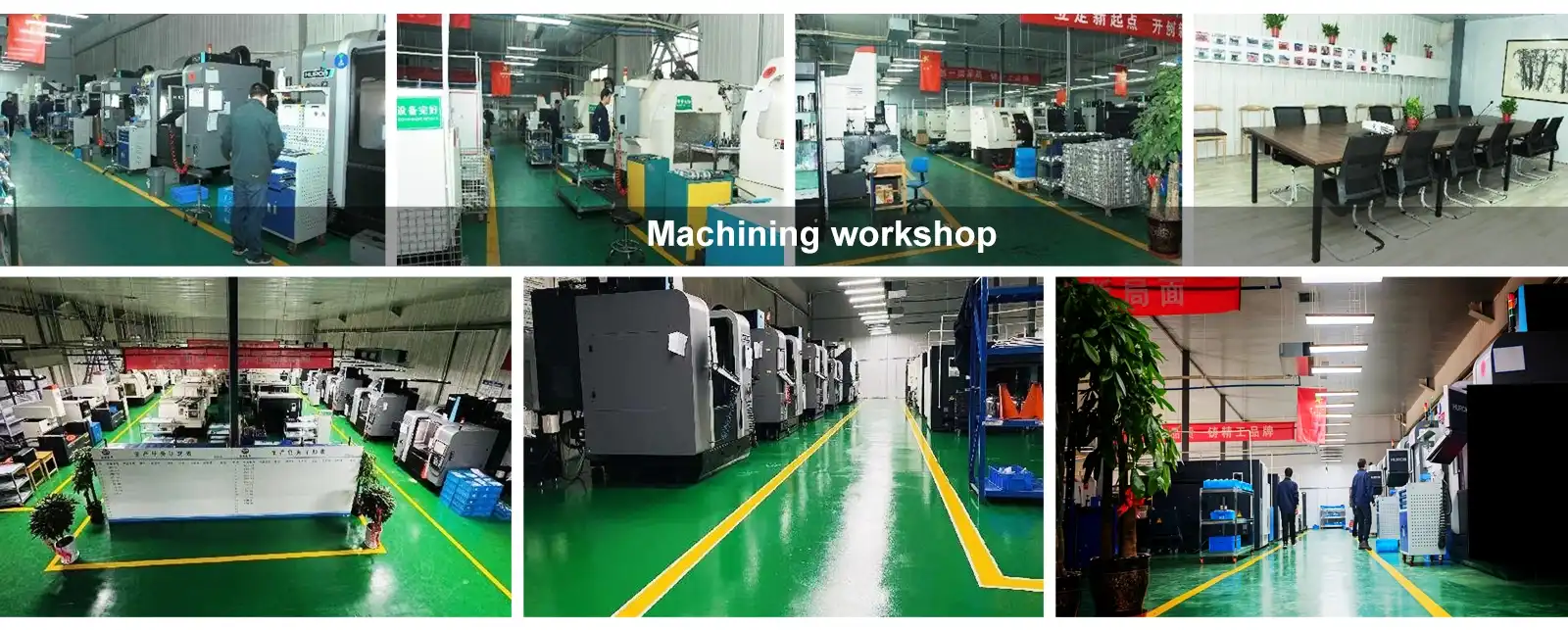
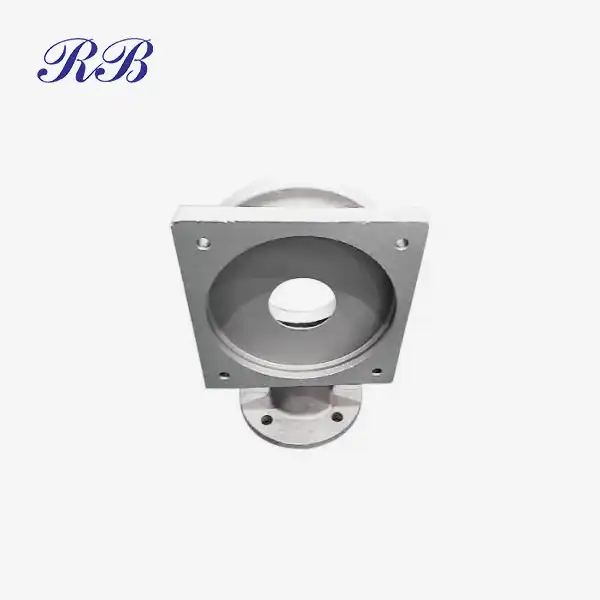
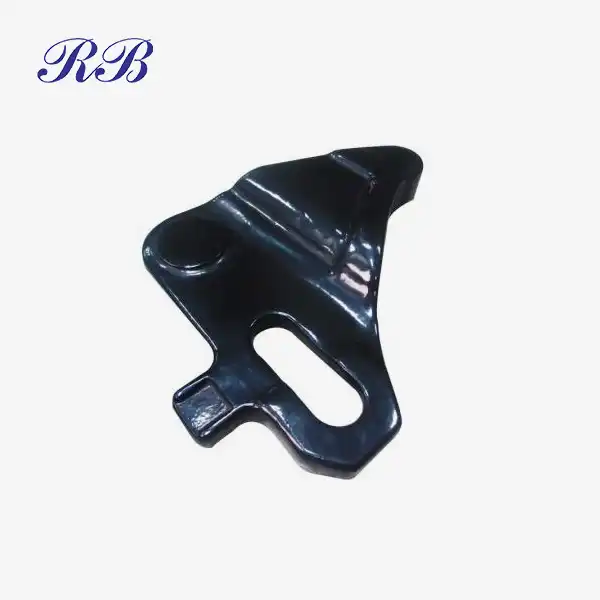
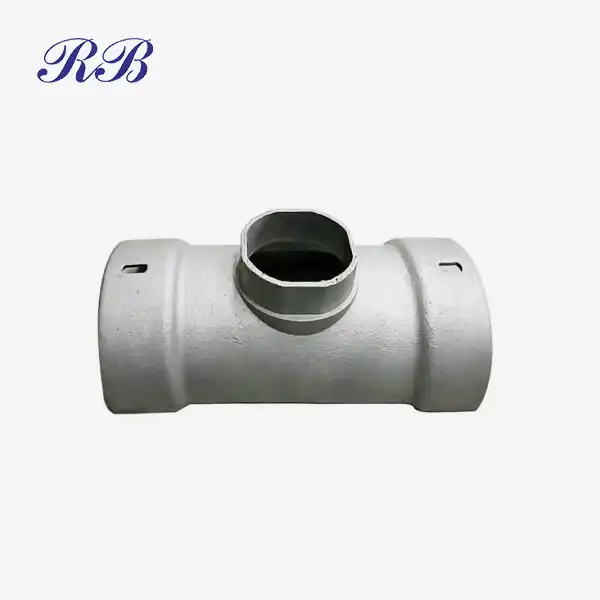
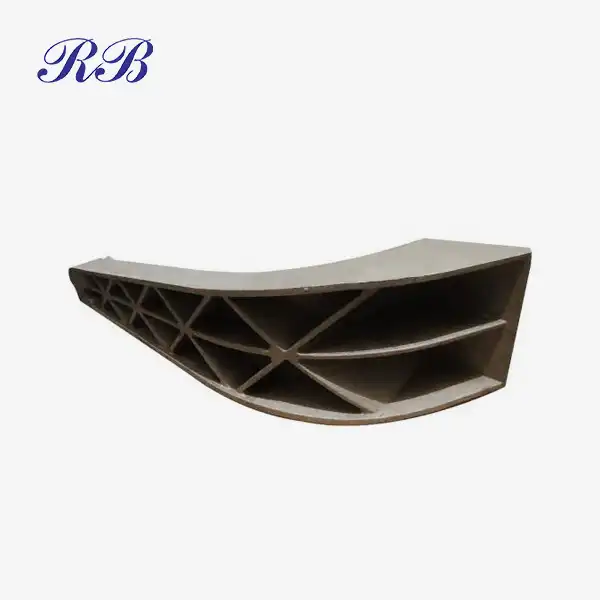
In advanced manufacturing sites, different metalworking techniques are all done under one roof. Precision turning, milling, and cutting are all possible with CNC machining centers, which keep tight limits on dimensions across production runs. When companies combine casting with secondary machining, they can offer more design options for complicated shapes while keeping lead times low. For components that require both structural integrity and complex geometry, gravity casting parts serve as an ideal starting point, as their near-net-shape form minimizes rough material waste and allows subsequent CNC operations to focus only on critical mating surfaces and high-tolerance features.
Surface cleaning choices have a big effect on how well a part works. Shot blasting makes a surface uniformly rough, which helps paint stick or adds useful structure. Electropolishing, on the other hand, makes surfaces mirror-like, which is needed in sanitary settings. Heat treatment services, like solution annealing or precipitation hardening, make it easier to change the properties of materials to meet specific engineering needs.
Scalability potential is based on production capacity. Manufacturers who can handle 5,000-piece production runs are good at batch processing, but they also need to be able to handle smaller quantities for product development cycles. Check to see if the facilities have special quality inspection tools like coordinate measuring machines (CMM), surface roughness testers, and material spectrometers that can tell if the stainless steel grade is real.
Delivery Reliability and After-Sales Support
Rates of on-time deliveries have a direct effect on production schedules and the costs of keeping inventory. Manufacturers whose on-time delivery performance is 98% or higher usually have strong ties with their suppliers and use industrial resource planning systems. Ask about normal lead times for customised parts, which can be anywhere from four to eight weeks based on how complicated they are, and see if they can handle fast orders if you need them right away.
The way parts are packed keeps them in good shape while they're being shipped internationally. Using moisture barriers in wooden boxes keeps them from getting damaged during transit and rusting, which is especially important for sea freight that takes weeks to arrive. Clear communication about shipping options, freight forwarding partnerships, and help with customs paperwork makes logistics coordination easier.
Post-delivery help rules show how committed a manufacturer is after the sale. Warranty coverage for manufacturing flaws, expert help for installation problems, and attention to quality concerns set partners who care about each other's success apart from transactional providers who only care about volume throughput.
Comparing Stainless Steel Drive Shaft Options and Manufacturers
Different industries in China have very different choices for materials and levels of manufacturing skill, so it's important to do a lot of research before making any final decisions about purchases.
Material Performance Characteristics
When compared to other materials, stainless steel drive shafts have clear benefits. Different types of carbon steel have higher tensile strength and cost less, but they need to be protected with coatings and inspected often in corrosive environments. Aluminium alloys are about 60% lighter than steel versions, which is good for situations where rotational inertia affects energy economy but makes them less durable when torque levels are high.
Carbon fibre composite shafts are the best options for racing and aerospace systems because they have strength-to-weight ratios of more than 200 MPa/(g/cm³). But they are three to five times more expensive to make than stainless steel choices, and they can't be fixed as easily, so they can't be used in most industrial machinery situations.
Stainless steel 304 is the best choice for most uses because it strikes the right balance. It doesn't need to be coated because it doesn't rust, and its mechanical qualities allow it to handle mild pressure loads without becoming brittle like hardened carbon steels do. Total lifecycle costs are lower for stainless steel solutions because they don't need to be replaced as often and don't need as much maintenance over a 10-year period of use.
Evaluating Manufacturer Specializations
Different Chinese makers are good at customising products in different ways. Some facilities rely on standard catalogue parts that can only be changed in small ways, while others keep engineering teams that can work together to create parts that meet specific application needs. Check to see if the makers use concurrent engineering methods that include your technical requirements during the design phase instead of considering customisation as changes made after the product has been made.
Manufacturers with a lot of experience in the car industry know important requirements like dynamic balance to ISO 1940-1 G2.5 standards, which keeps bearings from failing because of vibrations in high-RPM situations. Those who work with medical device markets must show that they can produce goods in a lab and follow biocompatibility testing procedures. Making sure that the manufacturer's specialities fit with your industry makes sure that you can get the technical knowledge and quality standards you need.
Case studies and comments from clients show how well a business really does in the real world. Manufacturers who are willing to share specific application cases, including how they solved technical problems and what results they saw, show that they are confident in their products. Ask for examples from companies in similar industries that produce at similar levels to learn more about how partnerships work, how well people can communicate, and how to solve problems.
The Manufacturing Process and Quality Assurance in China's Stainless Steel Drive Shaft Industry
Buyers can set realistic expectations and find manufacturers with strong operational controls when they understand how production works and how quality is checked.
Material Selection and Procurement
Material testing is the first step in the manufacturing process. Reliable manufacturers use handheld XRF spectrometers for positive material identification (PMI) to check the grades of stainless steel before they start to machine them. This test checks the amount of chromium and nickel in an alloy, telling the real 304 alloy from fakes that aren't as good and don't fight rust as well.
Getting raw materials from certified steel mills makes sure that the metallurgical properties are the same from one production batch to the next. When a manufacturer has a long-term relationship with a seller, they can get priority when materials are in short supply and get expert help for their needs with speciality alloys. This stable supply chain means that wait times can be predicted and there is a lower chance that production will be held up by problems getting materials.
Precision Machining and Finishing Operations
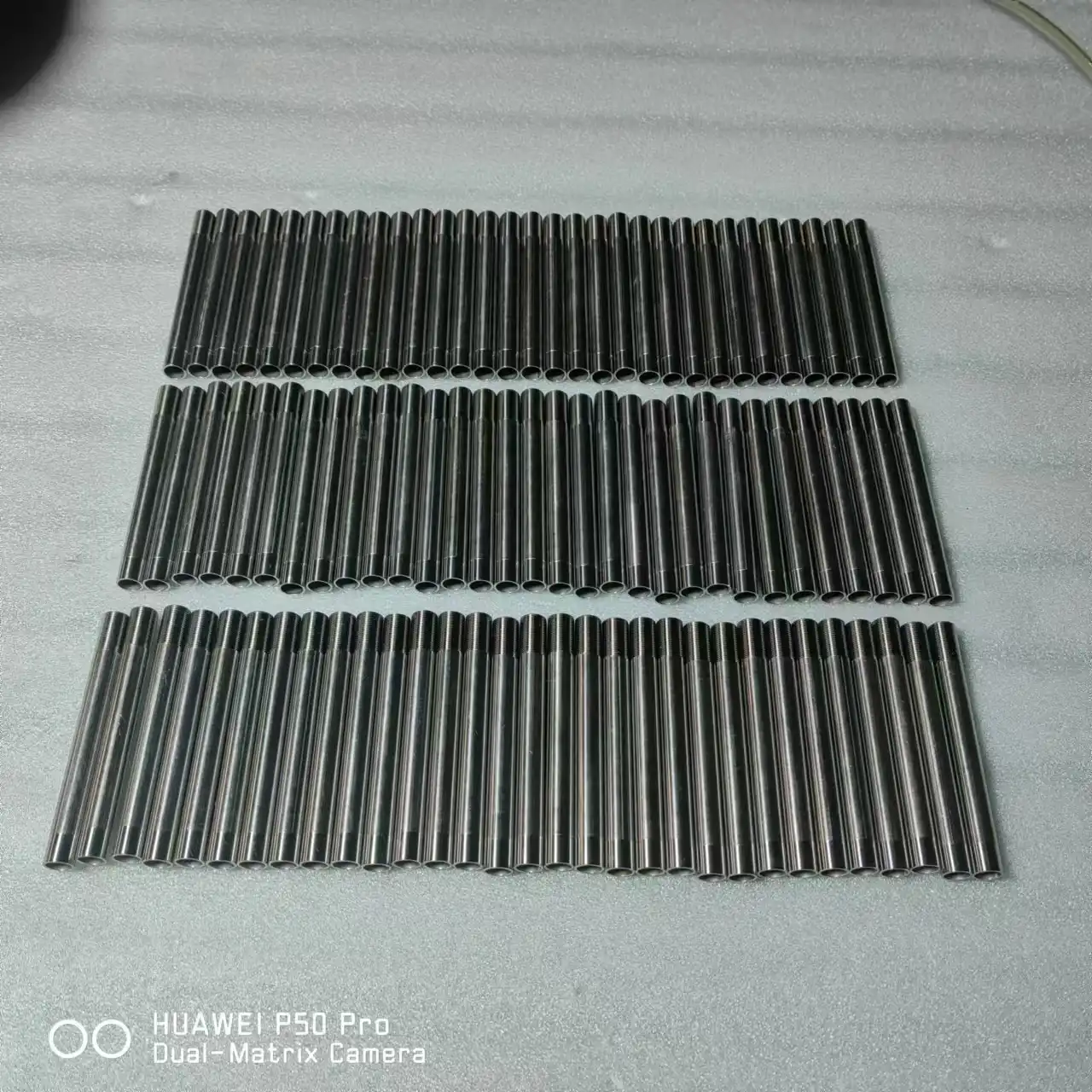
The multi-axis turning and milling methods used in CNC machining turn raw bar stock or forged billets into final parts. Modern machining centers with live tooling can finish complicated shapes in a single setup, which reduces the amount of measurement change caused by mistakes in moving. Tool path optimisation software cuts down on cycle times while keeping the quality of the surface finish within the range of Ra 1.6 to 3.2 μm, which is good for most rotating applications.
Shot blasting, a mechanical surface treatment that uses high-velocity abrasive media, evens out the surface roughness and gets rid of machine scale and other small surface flaws. By putting compressive pressures on the surface, this method improves fatigue resistance and creates the perfect surface profiles for coating uses in the future, if needed. When manufacturers choose the blast media and impact parameters, the surface properties stay the same across all production quantities.
For rotating parts, dynamic balance is an important quality check. When shafts aren't balanced, they create vibrations that wear out bearings faster and make noise while they're running. Precision balancing tools find problems with the way mass is distributed and tell you how to remove the wrong material. They can usually get G2.5 balance grades, which are good for speeds up to 3,000 RPM. Professionally made parts are different from basic machined parts because they pay attention to rotary dynamics.
Quality Control and Testing Protocols
Full inspection procedures check the accuracy of the dimensions, the properties of the material, and the quality of the surface. Coordinate measuring machines (CMM) record important dimensions with accuracy down to the micrometre level. They make inspection reports that meet the requirements for traceability in regulated industries. Surface roughness testing confirms the surface requirements, and hardness testing shows that the heat treatment worked as expected.
Statistical process control (SPC) methods help manufacturers keep an eye on production trends and find process differences before they lead to goods that don't meet standards. This proactive quality method keeps the sub-50 PPM defect rates that automakers want and cuts down on expensive batch rejects.
Before shipping, protective measures are checked to make sure they are still in good shape. When parts are properly packed in wooden crates with desiccant packets, they arrive at their destination facilities without being corroded or damaged by impact. This cuts down on the time needed for receiving inspection and gets rid of the need for rework delays.
Lead time management finds a balance between meeting delivery dates and getting work done quickly. Standard customised parts usually take four to six weeks to ship from the time the order is confirmed to the time they are shipped. This time includes getting the materials, making them, checking the quality, and packing them. Manufacturers whose capacity can be expanded can handle changes in volume while keeping delivery times the same. This is especially useful when demand is high during certain times of the year or when a new product needs to be scaled up quickly.
Conclusion
To find the best Chinese maker for handmade stainless steel drive shafts, you need to weigh their technical skills, quality control systems, and how they work with partners. Give more weight to makers that have the right ISO certifications, can show they know how to use precision CNC machines, and communicate openly. Check to see if the material you choose is right for the job, make sure that the production capacity matches your volume needs, and use reference checks to see how reliable the delivery is. Successful procurement goes beyond the initial transactions. Long-term supply chain benefits come from working together with manufacturers who take the time to understand your technical needs and operational challenges. By using these evaluation factors consistently, procurement workers find reliable sources for parts that support cost goals, product performance, and long-term business growth.
FAQ
1. What advantages do stainless steel drive shafts offer compared to carbon steel alternatives?
Components made of stainless steel are much more resistant to rust, so they don't need protective coatings and require about 40% less upkeep. When types like 304 are scratched, the chromium content naturally forms a passive oxide layer that fixes itself. This is different from carbon steel, which needs a constant coating integrity. This quality is especially useful in places like humid, salty, or chemically exposed places where carbon steel breaks down more quickly.
2. How can I verify the quality and legitimacy of China-based manufacturers?
Ask the accredited certifying groups for proof of ISO9001:2015, ISO14001, and ISO45001 certifications. Verify the material through PMI tests to make sure it is real stainless steel grade. Read reviews from past customers and ask businesses in the same industry for examples. Before placing large orders, you might want to have third-party facility audits or quality inspections done to make sure that the manufacturing capabilities and quality control systems are sound.
3. What are typical lead times for customized stainless steel drive shaft orders?
Standard customised parts usually take four to eight weeks to ship from the time the order is confirmed, but this depends on how complicated the design is and how many are being made. This schedule includes getting the materials, CNC machining, surface treatment, quality control, and shipping in protective packaging. Manufacturers who have a steady supply of materials and the ability to produce more may be able to handle rushed plans for pressing needs, but they will usually charge more for these situations.
Partner with Rongbao Enterprise for Superior Stainless Steel Drive Shaft Manufacturing
Rongbao Enterprise offers precision-engineered stainless steel drive shaft options. They have been making these products for 20 years and have a lot of quality standards, such as ISO9001:2015, ISO14001, and ISO45001. Our Xi'an plant combines advanced CNC machining with shot blasting surface treatment systems to make unique parts out of stainless steel 304 that meet strict standards for size accuracy and resistance to corrosion. We can make more than 5,000 pieces per batch, and we can also make prototypes in smaller quantities. This gives you the freedom to adjust your production to fit your buying cycles.
Our full-chain production process includes design advice, mould development, precision machining, surface finishing, and protective wooden box packing. This way, the parts you order will come ready to be put together right away. Since 70% of our production goes to markets in Europe, the United States, and Japan, we know what quality standards and communication standards are needed for foreign agreements to work. Our engineering team provides ongoing engineering support during the entire product development process, making designs more streamlined so they can be manufactured while still meeting your performance requirements.
We encourage procurement professionals who are looking for dependable makers of stainless steel drive shafts to get in touch with us to talk about your unique application needs. You can email our foreign business team at steve.zhou@263.net or zhouyi@rongbaocasting.com to get technical advice, full quotes, or evaluation samples. Visit rongbaocasting.com to learn more about all of our services and how our dedication to accuracy, quality, and on-time delivery can improve the performance of your supply chain.
References
1. American Society for Testing and Materials (ASTM). (2021). Standard Specification for Chromium and Chromium-Nickel Stainless Steel Plate, Sheet, and Strip for Pressure Vessels and for General Applications. ASTM International.
2. International Organization for Standardization. (2020). ISO 1940-1: Mechanical vibration — Balance quality requirements for rotors in a constant (rigid) state — Part 1: Specification and verification of balance tolerances. ISO Standards Catalogue.
3. Society of Automotive Engineers. (2019). SAE J1099: Technical Report on Low Carbon and Stainless Steel Cold-Heading Wire and Wire Rods. SAE Technical Paper Series.
4. Zhang, L., & Chen, W. (2022). "Corrosion Resistance Performance Comparison of Stainless Steel Alloys in Industrial Applications." Journal of Materials Engineering and Performance, 31(4), 2847-2856.
5. National Association of Manufacturers. (2021). Quality Management Systems in Precision Machining: Implementation Guide for ISO 9001:2015 in Metal Component Manufacturing. NAM Publishing.
6. Wu, H., Liu, J., & Wang, S. (2023). "Surface Treatment Effects on Fatigue Life of Stainless Steel Rotational Components." International Journal of Advanced Manufacturing Technology, 125(7-8), 3421-3433.
Learn about our latest products and discounts through SMS or email