- English
- French
- German
- Portuguese
- Spanish
- Russian
- Japanese
- Korean
- Arabic
- Greek
- German
- Turkish
- Italian
- Danish
- Romanian
- Indonesian
- Czech
- Afrikaans
- Swedish
- Polish
- Basque
- Catalan
- Esperanto
- Hindi
- Lao
- Albanian
- Amharic
- Armenian
- Azerbaijani
- Belarusian
- Bengali
- Bosnian
- Bulgarian
- Cebuano
- Chichewa
- Corsican
- Croatian
- Dutch
- Estonian
- Filipino
- Finnish
- Frisian
- Galician
- Georgian
- Gujarati
- Haitian
- Hausa
- Hawaiian
- Hebrew
- Hmong
- Hungarian
- Icelandic
- Igbo
- Javanese
- Kannada
- Kazakh
- Khmer
- Kurdish
- Kyrgyz
- Latin
- Latvian
- Lithuanian
- Luxembou..
- Macedonian
- Malagasy
- Malay
- Malayalam
- Maltese
- Maori
- Marathi
- Mongolian
- Burmese
- Nepali
- Norwegian
- Pashto
- Persian
- Punjabi
- Serbian
- Sesotho
- Sinhala
- Slovak
- Slovenian
- Somali
- Samoan
- Scots Gaelic
- Shona
- Sindhi
- Sundanese
- Swahili
- Tajik
- Tamil
- Telugu
- Thai
- Ukrainian
- Urdu
- Uzbek
- Vietnamese
- Welsh
- Xhosa
- Yiddish
- Yoruba
- Zulu
Is sand casting suitable for aluminum?
Aluminum melts at a very low temperature, flows smoothly into a mold, weighs approximately one-third as much as steel, and resists corrosion. These characteristics make aluminum sand casting a good choice for big components, complicated geometries, prototypes, replacement parts, and low- to medium-volume orders, for which tooling costs are a consideration. It doesn't do as well on very thin walls, very tight tolerances, smooth as-cast surfaces, or high-volume automated runs. Check part size, geometry, alloy, yearly volume, machining demands, and budget before you decide. This article explains each consideration so you can make an informed decision.

Is Sand Casting Suitable for Aluminum?
Why Aluminum Works Well in Sand Molds
Most casting alloys melt in a range near to or below that temperature. The liquid metal is simpler to work with since it is colder than iron or steel. The sand mold has to deal with less heat as well. Aluminum is also very good at filling exact holes, especially alloys that have silicon in them like A356. Its density is at 2.7 g/cm³, about one third the density of steel. This helps when you want to cut weight. Aluminum is particularly resistant to corrosion because an oxide coating forms naturally on its surface. Simply said, housings and enclosures are used in a variety of diverse outdoor and industrial applications.
Where Aluminum Sand Casting Fits Best
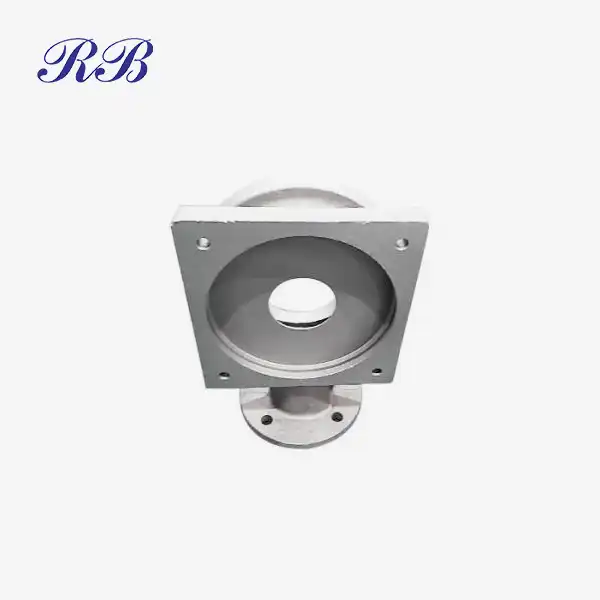
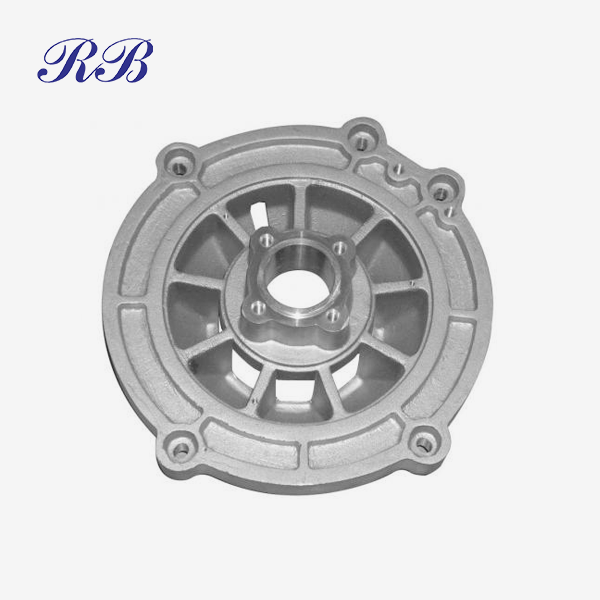
Most of the time, this is the best way to go when the part is large, the wall thickness is uneven, or internal passages need to be formed with sand cores. The pattern is also affordable, and the sand mold is expendable after use. This makes it suitable for making prototypes, replacement parts, and production runs of tens to several hundred pieces. Typical examples include pump housings, valve bodies, industrial casings, brackets, and manifolds. Many industry sources also indicate that the majority of metal castings in the world are produced via sand casting. It is simple to find alloy data and experienced foundries.
Where It Falls Short
Walls less than 3 mm (0.12 in) thick are difficult to fill with sand. The as-cast surface is rougher than a die-cast or investment-cast surface. You also have a broader tolerance range in dimensional variation, so plan on machining for holes, threads, and sealing faces. Die casting tends to cut the per-part cost sufficiently to make up for the increased tooling cost at high yearly quantities. If you are aware of these constraints beforehand, you may prevent a redesign later and keep your quotation realistic.
How the Aluminum Sand Casting Process Works
Pattern, Core, and Mold Preparation
Sand is rammed up in two sections around the design: the cope, or top, and the drag, or bottom. If the part requires hollow parts or internal channels, sand cores are put inside the part. Sand itself is different. Green sand is a mixture of silica, clay, and water. Chemically bonded or resin-coated sand is tougher and gives a smoother surface. Discuss these options with your foundry to understand their effects on surface quality, permeability, and dimensional stability.
Melting, Degassing, and Pouring
Molten aluminum absorbs far more hydrogen than it can store when solid. This is why air must be eliminated. When cooling, the surplus hydrogen is released from the aluminum as gas porosity. The rate of metal entering the cavity is controlled by the gating mechanism because turbulent filling entraps oxide layers and air. Risers add extra metal when the casting shrinks so that shrinkage voids are avoided. Proper venting allows mold gases to escape and helps the metal fill all corners, preventing misruns or cold closes.

Shakeout, Heat Treatment, and Finishing
Workers clean the outside surface, grind down any rough places, and provide heat treatment if the alloy demands it. For example, A356 is often provided in the T6 state for extra strength. CNC machining then has the required dimensions. Surface treatment can enhance protection or improve appearance. We inspect at each stage of the process. This includes visual inspections and physical measurements to verify the end product is exactly as your print.
Advantages, Limitations, and Common Defects
Main Advantages for Buyers
A “pattern” of wood, plastic or metal is significantly cheaper than a hardened steel die. You don’t need to spend a huge upfront investment to test a design and make adjustments and test again. The procedure is applicable to a wide variety of aluminum alloys and can deal with huge cross sections, uneven walls and interior cavities. Its properties make it a favorite material for pump housings, valve bodies, machinery components and special OEM parts. For a small or mid-sized firm, this flexibility reduces the risk of making the wrong design commitment.
Typical Defects and Their Causes
Hydrogen absorption generates gas porosity and shrinkage holes are caused by inadequate riser placement. Cold closes and misruns are due to sluggish filling speeds or low pouring temperatures. Turbulent flow carries oxide films as inclusions into the portion. Moisture and uneven sand characteristics are additional danger factors. Hot rips often form when thick and thin portions meet and the metal shrinks unevenly. Knowing these causes enables you to ask a supplier better questions about their process.
How to Prevent Defects
Good venting, right gating and risers located in the mold make the filling smooth and the feeding consistent. The simulation of casting can forecast the filling and solidification before the metal is poured and is especially beneficial for complex or high value pieces. From a design perspective, smoother wall transitions and larger filets will eliminate hot areas. You approve manufacturing numbers, then verify the process works with a first-article inspection.
Sand Casting vs. Other Aluminum Manufacturing Processes
Sand Casting vs. Die Casting
It has thin walls, smooth surface and strict repeatability with short cycle times. The die is costly and only pays off for greater quantities. Sand casting employs cheaper cost patterns and can make larger pieces, but produces a rougher finish and broader tolerances. Sand is suitable for prototypes, huge housings, and small quantities, whereas die casting is best for stable designs with significant demand. Rongbao Enterprise provides two forms of die casting to compare routes as your production increases.
Investment, Permanent Mold, and CNC Machining
Gravity die casting, also known as permanent mold casting, is the pouring of aluminum into a metal mold which can be reused, and it offers greater uniformity than sand for medium to large quantities. CNC machining from solid stock may achieve very fine tolerances without casting tools, but wastes more material and is more expensive per item as size and quantity scale. Many functioning components combine two steps: cast the near-net form and then manufacture only the necessary characteristics. This combination often provides the optimum cost and accuracy tradeoff.

How to Decide for Your Part
Sand casting is suitable for prototypes, replacement parts, small batch, big housing, thick sections and interior cavities made utilizing cores. Or choose a different procedure for very thin walls, small intricate sections, ornamental surfaces, or for high-volume repeat orders. Differentiate critical surfaces from non-critical surfaces. Determine your datum for machining and inspection. Get prices on whole cost including tooling, cores, machining, heat treatment, inspection, packing, freight, export paperwork, etc., not just the price of the casting.
Design Guidelines and Quality Control for Aluminum Castings
Wall Thickness, Fillets, and Draft
Rapid transitions from thick to thin cause hot regions where shrinking and cracking occur. Add filets to inner corners to decrease stress concentration and aid metal flow. Patterns for sand casting often have draft angles, usually 1 to 3 degrees, so the pattern may be removed from the mold without harm. Many foundries use 3 mm as a realistic minimum wall for aluminum . The actual limit is a function of part size and alloy . Give your foundry your 3D CAD model early so they may point out any faults before patterns are created.
Machining Allowances and Critical Features
Too little stock leaves as-cast skin on a finished surface while too much stock wastes metal and machining labor. ISO 8062-3 defines standard grades of casting tolerances and allowances for machining. This provides a common ground for you and your supplier. Defining datums early also maintains the casting and the machined portion aligned so that your assembly goes together the first time.
Inspection and Quality Records
Spectrometer analysis and material certifications authenticate the alloy, and batch traceability allows you to trace any problem back to its source. Depending on the application, finished castings may require visual inspections, CMM measurement, gauges, dye penetrant testing, radiography, ultrasonic testing, tensile testing and hardness testing. Your sample is accompanied by a First Article Inspection Report, which offers you hard facts before you authorize a larger order. Rongbao Enterprise is ISO 9001, ISO 14001, and ISO 45001 certified and conducts inspection from raw material incoming to final product delivery.
Procurement Checklist for Custom Aluminum Sand Casting
What to Include in Your RFQ
Send 3D CAD models and 2D drawings, alloy grade, quantities, casting weight and dimensions, crucial tolerances, surface finish, heat treatment, machining scope, inspection requirements, packing demands and shipping destination. If you’re not sure whether alloy or procedure is right, tell them that and a reputable provider will make suggestions. If you have proprietary designs in your drawings, identify them as secret and require a non-disclosure agreement before sending files.
How to Compare Suppliers and Quotes
Then make sure each quotation is for the same tooling, cores, machining, inspection, packing, freight, lead time, minimum order quantity, and delivery terms. A low unit price can mask separate tooling or sample expenditures, so ask for a line-by-line breakdown. Inquire for sample inspection reports and inquire how each supplier conducts first-article approval. These replies will tell you more than a price sheet can.
Why Buyers Work with Rongbao Enterprise
We may provide added-value services, including surface treatment and mold creation. We export 70 percent of our products to Europe, America, and Japan, so we know what overseas clients need. Standardized workshops and automated casting, machining, and testing equipment facilitate controlled delivery cycles. We provide integrated parts to equipment makers, so you may obtain different parts from one partner. Whether it is sand casting or another way, we will assist you with the procedure that matches your drawing.

Conclusion
There are limitations to the sand casting process: rougher surfaces, larger tolerances, trouble with thin walls, and defect risks like porosity and shrinkage. These are mitigated by melt control, gating, risers, and design tweaks. Die casting, permanent mold casting, investment casting, and CNC machining all have their place for certain volumes, levels of detail, or accuracy, and casting plus machining frequently strikes a good compromise between cost and precision. The proper decision relies on part size, part shape, tolerance, volume, and total landed cost, and a thorough RFQ with explicit datums and inspection criteria makes that choice simpler to validate.
FAQ
Is aluminum a good metal for sand casting?
Yes. Aluminum is light, does not rust, and comes in a lot of different alloys that can be cast, such as A356. This makes it a good choice for making housings, valve bodies, and brackets. It fills sand molds well.
When is sand casting cheaper than die casting?
It usually costs less for prototypes, large parts, and low volumes because patterns cost far less than steel dies. At high volumes, die casting often wins on unit price.
How do I prevent porosity?
Start with clean charge material and a degassed melt. Controlled pouring, proper venting, and well-placed risers help. Additionally, ensuring that wall transitions in your design are smooth will reduce trouble spots.
What surface finish should I expect?
Expect a rougher surface than die casting or investment casting. Plan machining or finishing for sealing faces, bores, and visible areas.
Can I machine sand castings to tight tolerances?
Yes. When you CNC machine cast parts, you can achieve accurate bores, threads, sealing faces, and mounting surfaces. Define datums and machining allowances on your drawing so the foundry leaves enough stock.
Request a Custom Aluminum Sand Casting Quote from Rongbao Enterprise
Looking for a sand casting supplier who reviews your drawings before quoting? Rongbao Enterprise brings 20 years of casting experience, ISO 9001, ISO 14001, and ISO 45001 certification, and one-stop support from mold development to machining. Send your drawings and production requirements to steve.zhou@263.net or zhouyi@rongbaocasting.com to discuss whether aluminum sand casting is the most cost-effective process for your application. Visit rongbaocasting.com for details.
References
- Campbell, J. Complete Casting Handbook, 2015
- ASM International. ASM Handbook, Volume 15: Casting, 2008
- Davis, J.R. (ed.). Aluminum and Aluminum Alloys, ASM Specialty Handbook, 1993
- International Organization for Standardization. ISO 8062-3: Geometrical Product Specifications, Dimensional and Geometrical Tolerances for Moulded Parts, 2007
- Kalpakjian, S., and Schmid, S. Manufacturing Engineering and Technology, 2014
- ASM International. Casting Design and Performance, 2009
_1751078338779.webp)
Learn about our latest products and discounts through SMS or email