- English
- French
- German
- Portuguese
- Spanish
- Russian
- Japanese
- Korean
- Arabic
- Greek
- German
- Turkish
- Italian
- Danish
- Romanian
- Indonesian
- Czech
- Afrikaans
- Swedish
- Polish
- Basque
- Catalan
- Esperanto
- Hindi
- Lao
- Albanian
- Amharic
- Armenian
- Azerbaijani
- Belarusian
- Bengali
- Bosnian
- Bulgarian
- Cebuano
- Chichewa
- Corsican
- Croatian
- Dutch
- Estonian
- Filipino
- Finnish
- Frisian
- Galician
- Georgian
- Gujarati
- Haitian
- Hausa
- Hawaiian
- Hebrew
- Hmong
- Hungarian
- Icelandic
- Igbo
- Javanese
- Kannada
- Kazakh
- Khmer
- Kurdish
- Kyrgyz
- Latin
- Latvian
- Lithuanian
- Luxembou..
- Macedonian
- Malagasy
- Malay
- Malayalam
- Maltese
- Maori
- Marathi
- Mongolian
- Burmese
- Nepali
- Norwegian
- Pashto
- Persian
- Punjabi
- Serbian
- Sesotho
- Sinhala
- Slovak
- Slovenian
- Somali
- Samoan
- Scots Gaelic
- Shona
- Sindhi
- Sundanese
- Swahili
- Tajik
- Tamil
- Telugu
- Thai
- Ukrainian
- Urdu
- Uzbek
- Vietnamese
- Welsh
- Xhosa
- Yiddish
- Yoruba
- Zulu
Why does die casting produce the smallest cast parts?
Die casting produces some of the smallest cast parts because it forces molten metal into a precisely machined steel die under high pressure. That pressure pushes alloy into thin, narrow cavities before it can cool, so fine walls, ribs, and surface details fill completely. Hardened dies then repeat the same geometry thousands of times, and fast cooling keeps each cycle short. This mix of pressure, precision tooling, and rapid solidification makes die casting a practical choice for compact, detailed, repeatable metal parts. Below, I walk through how the process works, where its limits sit, and what to check before you request a quote.
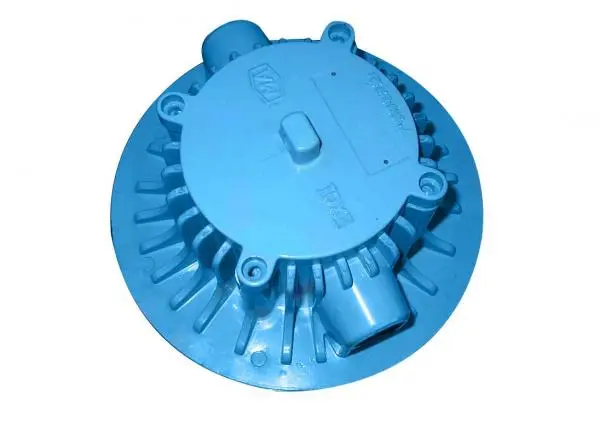
Why Die Casting Suits Small and Complex Metal Parts
What Does "Smallest Cast Parts" Mean in Die Casting?
Die casting doesn't make the smallest castings, no matter what kind it is. You can also make small parts in other ways. It works great for small, thin-walled parts that need to fit from one shot to the next. The word "smallest" is used in a lot of different ways. I always ask people which one they mean when they buy something. An everyday example would be car brackets, connectors, gears, heat sinks, and hardware for electronics. How the die is made, how much it can make, and how often it needs to be checked all affect the largest size that can be used. Providers find it harder to keep their word when these things happen. Die casting is popular not only because it's small, but also because it's accurate, hard, and quick to make.
Why Can Die Casting Produce Small and Complex Parts?
There are three things that work together to make small, hard shapes: high injection pressure, precise cutting, and quick solidification. Thin streams of moving metal are pushed into small holes by the machine. That lets the die make logos, ribs, grooves, bosses, thin walls, and threads that are already made. When you harden tool steel dies, they stay in shape for a long time. The sizes don't change, but things cool down quickly at the end of each stage. Even small things come with risks. When metal freezes too early or holds on to air, it can get hot cracks, holes, and cold shuts. Some gates, overflow wells, venting, cooling channels, and tight control of parameters make sure that small details stay safe without lowering the quality inside. These controls weren't added at the last minute; they were always going to be there.
What Determines the Smallest Practical Part Size?
How small does it have to be to be useful? It relies on how well the metal can fill the hole before it gets hard. There are many factors that can impact that race, including the wall's thickness, the flow's length, the metal's flexibility, the injection speed, the die's temperature, the vacuum help, and the venting. You can only use some things more than once. These include draft angles, arcs, core strength, exit access, and the skill of the person who made the tool. For very small holes, deep pockets, narrow slots, and thin ribs, you might need to use plugs or do extra work after the fact. Not every measure has to be in its final range when it is cast. A lot of businesses begin with a blank and then use CNC to add the necessary holes, surfaces for closing, and datums. This costs less than making the die hold every shape most of the time.
Die Casting Process Steps and Machine Choices
Process Steps for Small Precision Parts
The plan is looked over to see how well it can be made before a small precise part is made. Before making the die, an engineer checks the role, loads, tolerances, wall thickness, draft angles, fillets, slides, cores, inserts, and finishing needs. For the next step, choose a metal. Some examples are magnesium, zinc, or aluminum. When the oil is ready in the die, it is filled under a lot of pressure. After being left to cool and harden, it is finally thrown out. After that, the team cuts and cleans up the part. The work that comes after the main job includes CNC milling, blasting, coating, cleaning, and putting things together. The product may be tested to see how well it works and the size may be measured. Leaks may also be looked for and the material may be scanned with an X-ray or CT machine. Finding mistakes during the review stage is cheaper than fixing a die that has already been made.
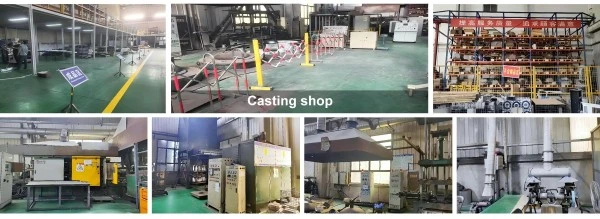
Hot Chamber vs. Cold Chamber for Small Parts
The machine type comes next after the metal. Those that do the injection in liquid metal are called gooseneck machines, and they keep the part that does it. Zinc, tin, and lead can cycle faster and get more done this way. They don't hurt the machines. A machine that has a cold chamber does something different. A ladle is used to pour metal that is melting into a cold chamber by hand before the injection. That works great for metals like magnesium and aluminum that would damage the moving parts if they were used any other way. This machine is often used to make small, detailed parts that need a smooth surface out of zinc. A cold-chamber machine is mostly used to make insulation, buildings, or parts that are light and strong. It will be much easier to find machines that can work with the alloy you choose first.
Where Gravity and Low-Pressure Casting Fit
Another type that can be used is heavy-duty casting. Under the mold in this type of die casting is an oven with a lid. The metal is pushed up into the hole by harmless gas at 0.7 to 1.5 bar. The smooth fill keeps the cold out, lets air flow, and makes less noise. For small parts, the trade-offs are important. It costs more for tools and models and is harder to get to thin walls and small holes. It also takes longer than high-pressure casting to fill and cool down. For small amounts, experts say to use gravity or sand casting. I tell buyers to take these routes when the amounts are small, the walls are thick, or the math isn't too hard.
Die Casting Compared with Other Manufacturing Processes
Die Casting vs. Sand Casting
You pack the sand together and shape it into the shape you want to make a sand model. The foundry takes the mold apart after each pour. The tools don't cost as much and can handle both big and small parts well. In comparison to that method, die casting usually has shorter cycle times, smoother surfaces, thinner walls, and more consistent measurements. The steel die can be used over and over, and when the metal is pressed, it fills up. These traits come in handy when you need a lot of small parts that fit together. It can save time when it's time to machine and polish if the surface is smoother when it's first cast. Sand casting might be a better choice if you only need a few big pieces. You can choose how much you want and what kind of finish you want when it's done.
Die Casting vs. Investment Casting
The clay is put on top of the wax shape that was made first. Metal is put into the shell to get rid of the wax. Different metals can be used, even ones that can't be cast in a die, and very complicated shapes can be made. Most of the time, it costs more and takes longer to make. Die casting, on the other hand, works best with non-ferrous metals like magnesium, aluminum, and zinc and is quick once the die is made. This could be the only way to make your part out of steel or a high-temperature alloy. If you want to make a lot of the same part out of aluminum or zinc alloy, die casting will usually save you money on the cost per part.
Die Casting vs. Plastic Injection Molding
When you use injection pressure and a tool that can be used more than once, you can make things that look the same. The parts made of plastic are lighter and come in many colors. Die-cast metal parts are stronger, harder, and better at moving heat around. That's why metal is often used for strong frames, heat sinks, and housings that need to carry heat. I tell people who need help making a choice to look at more than just the price per unit. The size, shape, performance, cost of tools, and total cost over its whole life should also be thought about. It might cost more in the long run if a cheap part breaks down in the field or needs extra help.
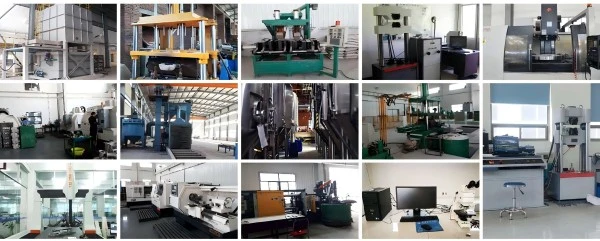
Quality, Design, and Cost Planning for Small Die Cast Parts
Common Defects in Small Parts and How to Prevent Them
Small parts or parts with thin walls don't bend as much. Some of the issues that can happen are holes, trapped air, cold shuts, misruns, partial filling, flash, distortion, and changes in size. Pockmarks are often brought on by rough filling, bad venting, a lot of gas, or sudden changes in temperature that are hard to plan for. Injection that is too slow, flow lines that are too long, or gates that aren't strong enough can all lead to bad runs and cold shuts. When there isn't enough tightening force, die wear, misalignment, or uneven cooling, it can be a sign of flash and shifting dimensions. Melting that is controlled, keeping track of the process, and regular die maintenance can all help stop problems before they happen. If you put gates and overflows in the right place and use vacuum support where it works best for the part, it can also work. X-rays or CT scans that have been trained can find hidden safe spots.
Design Guidelines for Small Die Cast Parts
It's easy to cast small parts that are well-formed. It is important that the walls don't freeze too early, shrink, twist, or become stressed inside. Make little changes all the time instead of big ones all at once. But parts that are too thick can leave holes, sink marks, or other issues in some places. Things are stiffer when they have ribs, bosses, and mounting holes. Don't have as many deep holes or long flow paths. Instead, add draft angles to make sure the part comes out clean. First, write down the most important practical characteristics. Keep these measurements separate from the ones that are only for looks and aren't very important. It's sometimes less expensive to make a die-cast blank and then use CNC to make the part. Before making the tools, it's best to quickly go over the plan with your seller to save money.
Die Casting Cost, Tooling, and Production Planning
Due to the high starting cost of the tools used, die casting is not as good for producing a small quantity of things. One part costs more than the others, but because the cost is spread out over more parts, each part costs less. It depends on the metal, the size of the machine, the weight of the part, the annual volume, the complexity of the tools, how long they are supposed to last, how they are machined, finished, inspected, packed, shipped, and how well they meet the requirements. You could use simpler dies, trial tools, gravity casting, CNC cutting, or a mix of these for smaller jobs. To get a correct quote, you need to send CAD files or drawings, as well as the material, quantities, tolerances, surface requirements, testing standards, and information about where and when the goods should be delivered. When you give clear information, people give you clear quotes that don't surprise you.
Choosing a Die Casting Manufacturer and Planning Your First Order
How to Choose a Dependable Die Casting Manufacturer or Supplier
You shouldn't just look at price when picking a die casting company. Find out how much experience the provider has with alloys, CNC, finishing services, robotics, inspection tools, and helping with both samples and large-scale production. Look into the quality systems that are already in place. These could include PPAP or similar papers, control plans, incoming inspections, process controls, first item inspections, being able to keep track of things, and corrective actions. Name the people who own and take care of the tools, the number of people who can use them, the wait times, the backup equipment that can be accessed, the ways that intellectual property is protected, export rules are followed, and how quickly the team responds to technical questions. A strong supplier makes it less likely that the project will fail. They make sure the project is finished on time and look over the plan to do this.

A Practical Way to Select a Process for a Small Component
This is the order I use for a small zinc or aluminum part. This is the first step: describe the role, the load, the working environment, the shape, the wall thickness, the assembly needs, and the volume you want to reach. Next, check the metals, where the breaking line is, how the gate is designed, how hard the tools are to use, and whether CNC finishing is needed. Make sure the casting is hot or cold. Third, make test pieces or prototypes and see how big the parts are, how well they fit together, how nice they look, and how well they keep air out. Also, don't start making anything until the flow simulation, DFM review, trial casting, and first article inspection are all finished. This planned road will take a part from a prototype to mass production. This means that it can be made over and over again with a much lower chance that it will not work. Your engineers and business team will also have clear goals to work toward.
What Rongbao Enterprise Offers for Small-Part Projects
Rongbao Enterprise is working on these projects. They have been in business for 20 years. Among other things, they do high-pressure casting, low-pressure casting, and gravity casting. From the beginning to the end, everyone can find everything they need in one place. It also treats the surface and makes models. Making, milling, and testing things are all done by machines. Quality control checks each order from the time the raw materials come in until the last order is sent out. The company has been approved by ISO9001, ISO14001, and ISO45001. It ships a lot of things to places like the US, Europe, and Japan, so it knows what to expect. If you give them your drawings and numbers, they will find a way to fit them.
Conclusion
These are some of the smallest cast parts that can be made because high pumping pressure forces liquid metal into very thin holes. The tools and parts stay the same size and shape because the parts harden so quickly. Zinc does its best job in machines with hot chambers. Aluminum and magnesium work best in machines with cold rooms. This process can be used over and over; the surface is good, and it works well with a lot of stuff. Sand die casting, investment casting, and plastic injection molding are not as good as this. Which size is the thinnest? It depends on how fluid the alloy is, how thick the walls are, how they are inspected, and the tools that are used. CNC can be used to finish parts that can't stay in shape when made. You can fix mistakes, make good plans, and get a good idea of how much the necessary tools cost. Bigger isn't always better. The power to make things matter more than their small size and quality that lasts.
FAQ
Is there a minimum size for die casting?
There is no such thing as a single minimum. They need to see your model to decide about a certain part. The limit is different for each piece because it depends on how fluid the metal is, how thick the wall is, the tools and equipment used, the shape of the part, and the quality standards.
Should I choose zinc or aluminum for small parts?
This machine can make small parts with smooth surfaces, fine details, and short cycles if you cast zinc in it. Cold-chamber tools can be used to cast aluminum, which makes it useful for making light structural and thermal parts like heat sinks and braces.
Does die casting make sense for low volumes?
Because the tools are so expensive, it's not as good for small runs. For small amounts, you can use simple dies, trial tools, gravity casting, or CNC cutting. High-pressure die casting, on the other hand, costs less per part as more of them are made.
What should I send for an accurate quote?
Send both 2D and 3D plans, along with the test materials, amounts, limits, surface needs, and standards. Make a note of where and when you want the delivery to happen. The loop for quotes moves faster once everything is in.
Discuss Your Small Precision Die Casting Project with Rongbao Enterprise
It has ISO9001, ISO14001, and ISO45001 certifications and has been in business for 20 years. The company is called Rongbao Enterprise. Some of the things they do are make models and clean the surface. Email steve.zhou@263.net or zhouyi@rongbaocasting.com with your 3D CAD files, drawings, metal choice, annual number, and tolerances. To find out more, visit rongbaocasting.com. Our staff will help you choose a process for your small, accurate parts.
References
- Die Casting Engineering: A Hydraulic, Thermal, and Mechanical Process, Marcel Dekker, 2005
- ASM Handbook, Volume 15: Casting, ASM International, 2008
- Complete Casting Handbook, Butterworth-Heinemann, 2015
- Fundamentals of Modern Manufacturing, Wiley, 2020
- Manufacturing Engineering and Technology, Pearson, 2014
- Product Specification Standards for Die Castings, North American Die Casting Association, 2015
Learn about our latest products and discounts through SMS or email