- English
- French
- German
- Portuguese
- Spanish
- Russian
- Japanese
- Korean
- Arabic
- Greek
- German
- Turkish
- Italian
- Danish
- Romanian
- Indonesian
- Czech
- Afrikaans
- Swedish
- Polish
- Basque
- Catalan
- Esperanto
- Hindi
- Lao
- Albanian
- Amharic
- Armenian
- Azerbaijani
- Belarusian
- Bengali
- Bosnian
- Bulgarian
- Cebuano
- Chichewa
- Corsican
- Croatian
- Dutch
- Estonian
- Filipino
- Finnish
- Frisian
- Galician
- Georgian
- Gujarati
- Haitian
- Hausa
- Hawaiian
- Hebrew
- Hmong
- Hungarian
- Icelandic
- Igbo
- Javanese
- Kannada
- Kazakh
- Khmer
- Kurdish
- Kyrgyz
- Latin
- Latvian
- Lithuanian
- Luxembou..
- Macedonian
- Malagasy
- Malay
- Malayalam
- Maltese
- Maori
- Marathi
- Mongolian
- Burmese
- Nepali
- Norwegian
- Pashto
- Persian
- Punjabi
- Serbian
- Sesotho
- Sinhala
- Slovak
- Slovenian
- Somali
- Samoan
- Scots Gaelic
- Shona
- Sindhi
- Sundanese
- Swahili
- Tajik
- Tamil
- Telugu
- Thai
- Ukrainian
- Urdu
- Uzbek
- Vietnamese
- Welsh
- Xhosa
- Yiddish
- Yoruba
- Zulu
How to use a casting collection box?
A casting collection box is a purpose-built enclosure used to capture, channel, and manage rainwater or industrial runoff at street level. To use one correctly, you need to understand its casting collection box parts — including the body, inlet grate, sediment trap, and outlet port — and how each component works together. Proper installation requires level placement, secure anchoring, and correct pipe alignment. Regular maintenance, such as clearing debris and inspecting seals, keeps the system performing reliably. Choosing the right material and surface treatment directly impacts both longevity and appearance, especially for outdoor municipal applications.
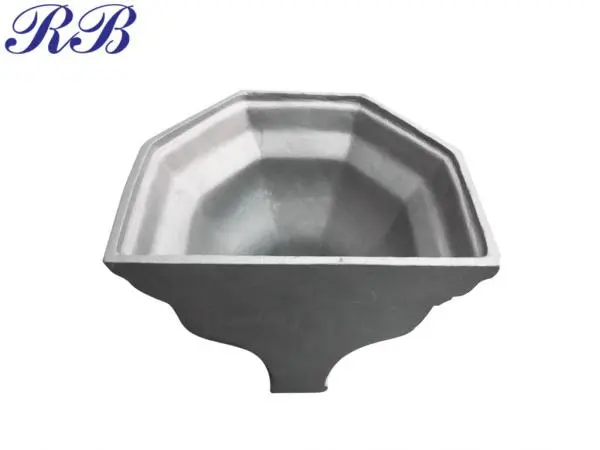
Casting Collection Boxes Parts
What Makes a Casting Collection Box Work
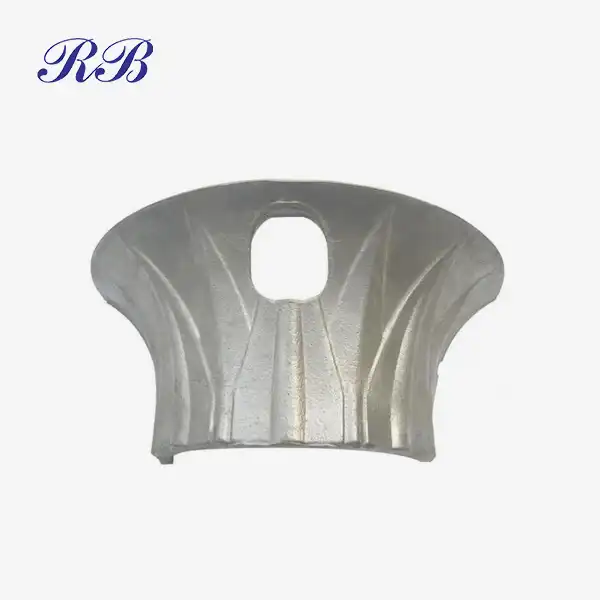
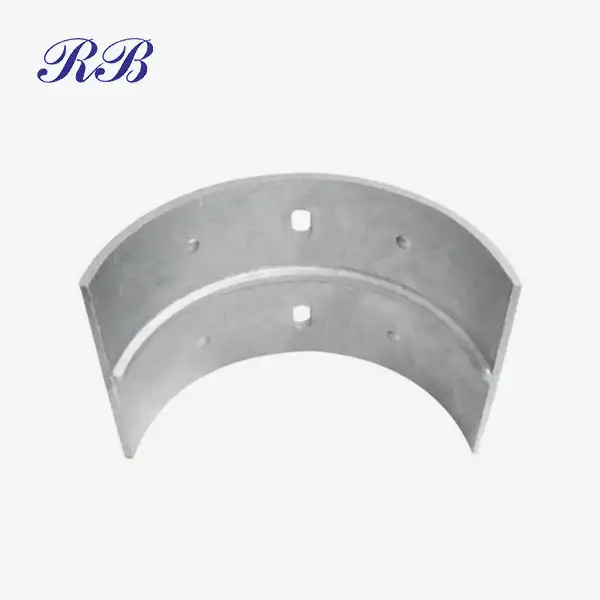
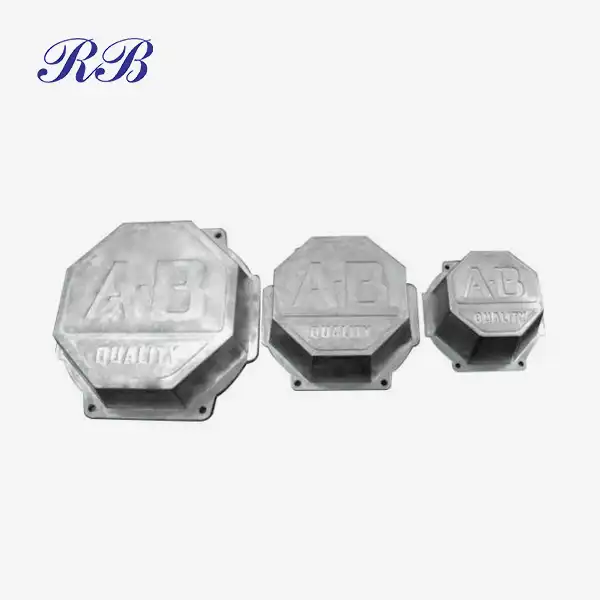
Managing water flow is done by a casting collection box, which collects surface runoff and sends it into a drainage network. The outer body protects the structure, the inlet grate filters out big debris, the sediment chamber collects particles before they reach the main drainage line, and the outlet port connects to pipes that are buried underground. When all the parts are made to the same exactness, which can be done safely with CNC machining, water moves smoothly and evenly without pooling or backflowing.
How well these casting collection box parts last outside depends on the material that was used to make them. For example, the A356 aluminum alloy has a low density, strong resistance to rust, and great casting flexibility. This makes it a natural choice for outdoor drainage parts. An A356 gravity-cast collection box body weighs 1.8 kg per unit, which is the right amount of weight for street-level loads without adding extra weight during installation.
Key Components and Material Properties
Industry data regularly shows that in wet, salty places, aluminum alloys work better than steel that hasn't been treated. In 2025, the global market for aluminum die casting was worth more than USD 48 billion. This shows that aluminum is being used more and more in civil infrastructure and municipal engineering. People like the A356 alloy because it doesn't shrink much and keeps its microstructure fixed during solidification. These features lower the amount of holes inside the alloy and make the surface finish better.
A standard assembly is made up of these main parts:
- Body shell: The body shell is the main structure framework and is made using gravity casting, which is also known as GRA casting. Gravity casting uses natural gravitational fill instead of forced injection to make a dense, low-porosity structure. This means that there are fewer surface defects, which is very important for public installations that people can see.
- Inlet grate: This is usually made individually and attached to the top hole. It filters out waste and supports people or vehicles, based on the load class.
- Sediment chamber: This part is at the bottom and collects sand, grit, and organic matter before they reach the exit. This keeps the flow of water moving and prevents blockages further downstream.
- Outlet port: A carved hole, usually made by CNC machining equipment, called an outlet port links the box to the drainage network with exact measurements.
These components function as an integrated system. If even one part isn't the right size or isn't made well, the whole system doesn't work as well. That's why quality control from getting the raw materials to delivering the finished product makes a real difference in how reliable the system is in the field.
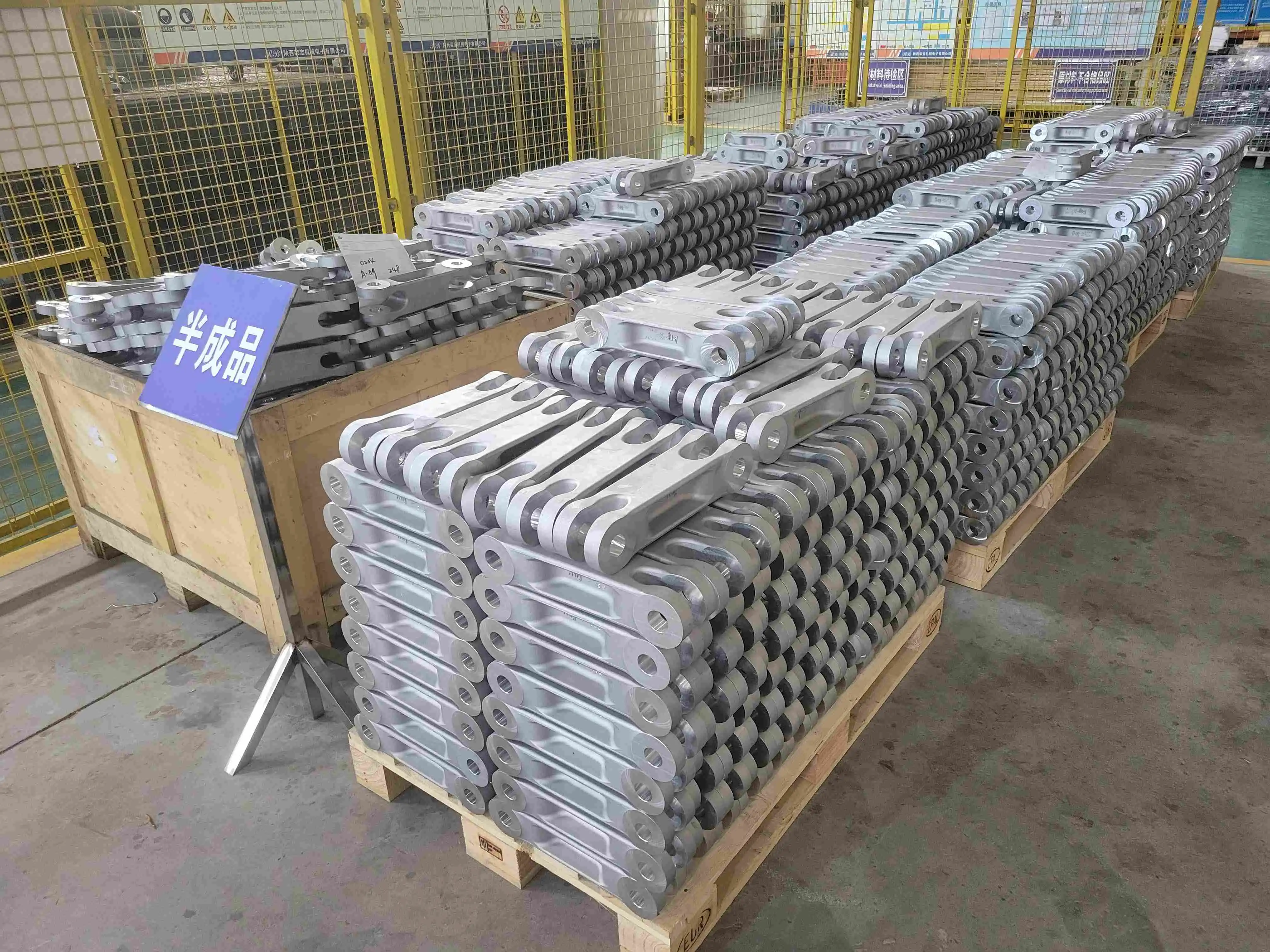
How to Properly Use a Casting Collection Box in Industrial and Municipal Settings
Installation Steps That Protect Long-Term Performance
Make sure that the casting body doesn't have any visible surface flaws before starting the installation. When shot blasting is used for surface cleaning, it gets rid of mill scale and micro-burrs and makes an even anchor shape that helps the coating stick better. This step is very important when a city sidewalk project calls for an antique bronze finish or a polyester powder coating.
To install casting collection box parts, you need to dig out and pack down the base, place the collection box at the right invert level, line up the outlet port with the drainage pipe, fill in the gaps with packed-down granular material, and securely attach the inlet grate. Make sure the body is level—even a 2° tilt can stop silt from settling and cause the exit to become blocked too soon.
Operational Guidelines and Maintenance Schedule
After being set up, a collection box needs to be checked on a regular basis to make sure it keeps working right. For sites with mild traffic, municipal engineering teams usually plan visual checks every three months and yearly sediment clearing. Checks should be done once a month in places where there is a lot of leaf fall or construction going on nearby.
Aluminum parts that have been shot-blasted and given a protective coating don't break down easily when exposed to UV light, but the surface should still be checked every year. Any loss of coating at the points where two joints meet should be fixed right away to stop galvanic corrosion where aluminum fasteners touch steel ones.
Comparing Casting Collection Box Parts: Making the Right Choice
Material choice affects the total cost of ownership, which is more than just the buying price. Cast iron has a high compressive strength, but it is heavy to install and rusts quickly if it is not regularly maintained. Tensile strength is provided by steel alloys, but they need to be galvanized or coated with epoxy in order to be used outside. Aluminum A356 is a good middle ground because it is lighter than both alternatives, naturally resistant to oxides, and can be treated with a wide range of decorative finishes.
Gravity casting works well for casting collection box parts because it creates a controlled, bottom-up fill path that makes solidification go more smoothly. As a result, the casting is denser and has fewer holes inside it than a sand casting of the same shape. This process has a clear benefit for city uses where uniformity in look and size is important.
When choosing a supplier, you should focus on three things above all else: how consistent the dimensional tolerance is across production batches, how good the surface finish is (especially for decorative or OEM-specified finishes), and how quickly the supplier can accommodate small-batch customization requests. A lot of city projects need between 50 and 500 units per order, which is a range of quantities that some big foundries either don't accept or charge too much for.
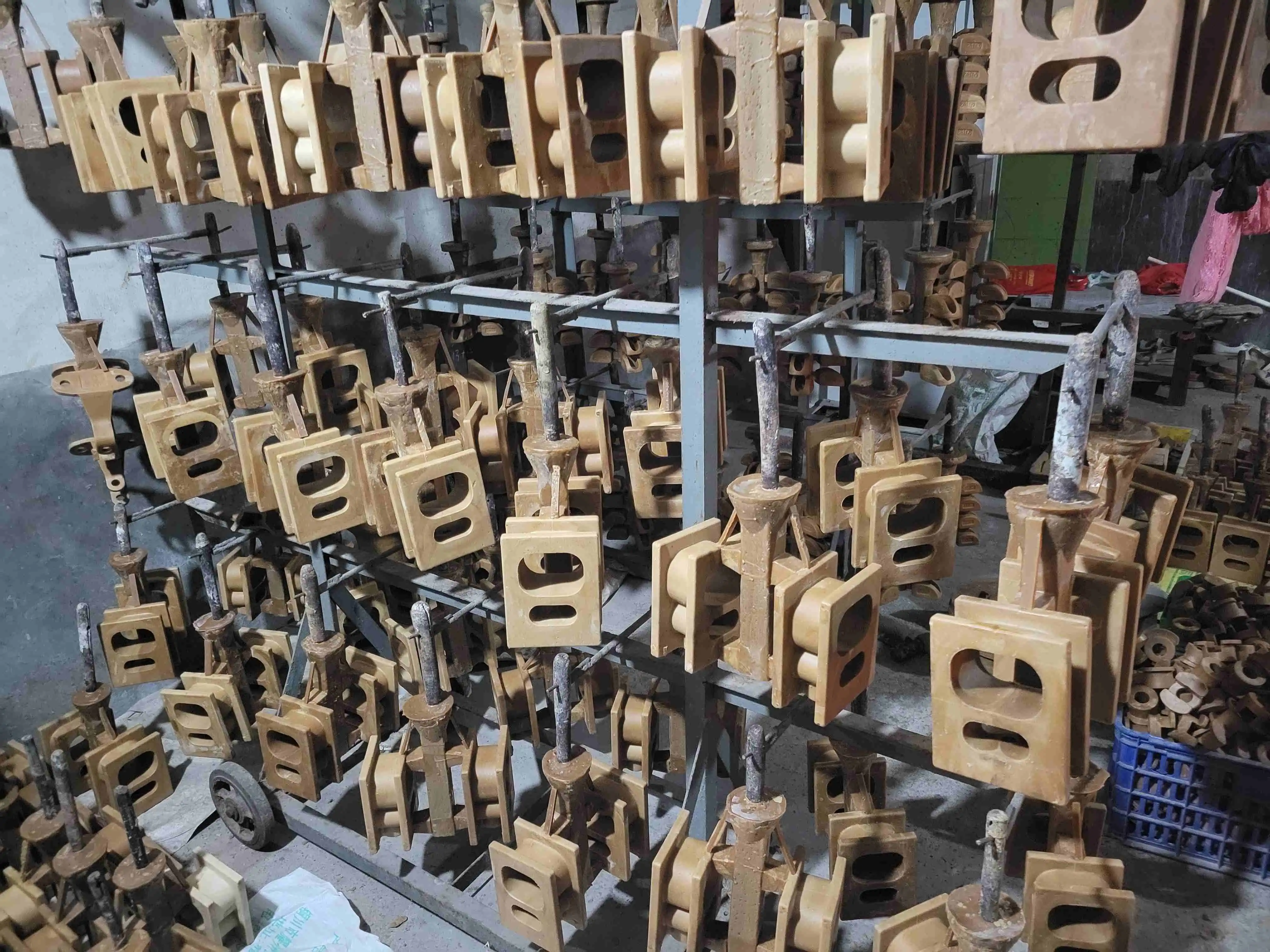
Procurement Tips for Casting Collection Box Parts
It takes more than comparing unit prices to find solid casting collection box parts for city projects. A supplier's ability to meet a project's price and delivery plan is based on their delivery timing, certification status, and ability to make changes to the product.
Verified licenses give people a basic level of trust. ISO 9001:2015 makes sure that processes are consistent; ISO 14001 makes sure that environmental management rules are followed; and ISO 45001 manages health and safety at work. All three of these certificates show that a manufacturer uses tested, standardized methods instead of just doing things the old-fashioned way on the shop floor.
Here are practical evaluation criteria for B2B procurement of casting collection box components:
- Certification verification: Ask for copies of the most recent ISO certificates and confirm the dates they were issued. Certificates that are expired or can't be verified are a red flag.
- Sample and prototyping capability: A good manufacturer can send you a real example within three to four weeks. This lets you check the size and shape of the product before you commit to production.
- OEM/ODM support: Projects that need custom profile specs or branded surface treatments need a provider who can actually make molds, not just stock items that are already made.
- Production capacity alignment: When a maker says they can make 5,000 pieces per cycle, it means they can increase production to meet projected demand without affecting delivery dates.
These factors protect procurement choices from the most common ways things go wrong: delivery delays, appearance problems, and not being able to meet project-specific design requirements. Putting parts in standard export-grade wooden boxes helps protect them even more during international shipping, which is useful for city projects that take place abroad.
Case Studies and Practical Applications
In a medium-sized city on the Belt and Road route, a project to improve the city's lighting infrastructure called for A356 casting collection box parts to be placed next to decorative Roman column bases for street-level drainage. The project engineer put a lot of importance on surface finish consistency so that the drainage units would look good with the architectural hardware around them.
The chosen maker sent bodies that were made in a gravity mold and had CNC-machined outlet ports, shot-blasted surfaces, and a bronze finish. The 300-unit batch had dimensional difference of no more than ±0.3 mm, which was confirmed by a CMM check before shipping. The engineering team said there were no field rejections upon delivery. This was a direct product of the manufacturer's full-chain quality inspection method, which included checking the raw materials all the way through to the final packaging.
The most important thing learned from this project is that suppliers of city parts that need to look good need to see surface quality as a main output measure, not just a secondary finishing step.

Conclusion
To use casting collection box parts properly, you must first choose parts that are made from the right materials, processed using reliable methods, and finished to meet the project's requirements for size and appearance. A356 aluminum, gravity casting, CNC machining, and shot blasting have all been used together successfully in the past for outdoor city uses. Matching a supplier's small-batch freedom, OEM support, and multi-system approval to the needs of a project lowers risk at every stage, from buying the parts to installing them.
FAQ
What material is best for outdoor casting collection boxes?
A356 aluminum alloy is often used for outdoor casting collection box parts. It has natural resistance to corrosion, good casting flexibility, and low shrinking during solidification. This makes parts that are thick and don't have many holes in them. It's also easy to handle during installation because each normal body weighs only about 1.8 kg.
How often should a casting collection box be inspected?
Municipal sites that get mild traffic usually get visual checks every three months. It is suggested that the condition of the coating be checked and cleared of sediment once a year. In places with a lot of waste, checking every month keeps the outlets from getting clogged and increases the life of the parts.
Can casting collection box components be customized for specific project designs?
Yes, OEM and ODM tailoring is possible for outlet sizes, body shapes, surface finishes, and decorative treatments. Giving a technical drawing or 3D model during the design review stage, which is usually two to three weeks before sampling, makes it easier to make an exact prototype and speeds up the approval process for production.
What certifications should a supplier hold?
Three important certifications for trustworthy industrial casting providers are ISO 9001:2015 for quality management, ISO 14001 for environmental compliance, and ISO 45001 for worker safety.
Partner with Rongbao Enterprise for Your Next Project
As a certified casting collection box parts maker, Rongbao Enterprise has been making parts for 20 years, has three ISO certifications, and can do both small and big batch orders as OEM/ODM. From our Xi'an facility, we CNC-machine, shot-blast, and export-package our gravity-cast A356 aluminum parts. To get a trial or project price, email our team at steve.zhou@263.net or zhouyi@rongbaocasting.com, or go to rongbaocasting.com.
References
- American Foundry Society. Casting Source Directory and Metalcasting Industry Overview. 2023.
- ASM International. Aluminum Alloy Castings: Properties, Processes, and Applications. 2004.
- Mordor Intelligence. Automotive Parts Die Casting Market Report. 2025.
- International Organization for Standardization. ISO 9001:2015 Quality Management Systems — Requirements. 2015.
- The Aluminum Association. Aluminum: The Element of Sustainability. 2022.
- British Standards Institution. BS EN 1433: Drainage Channels for Vehicular and Pedestrian Areas. 2002.
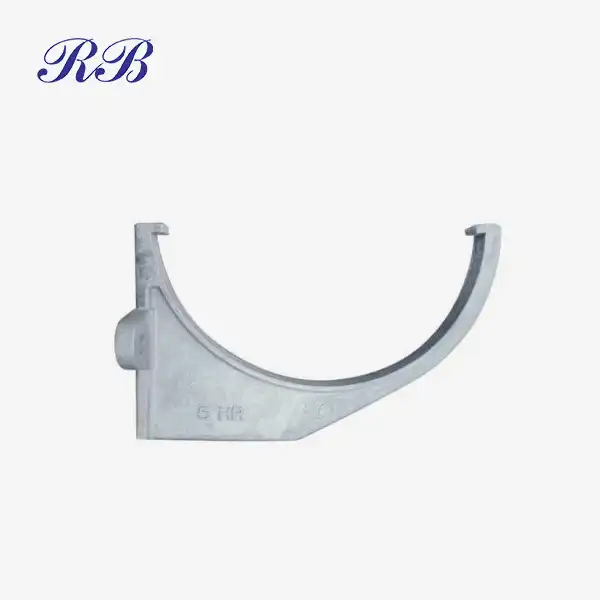
Learn about our latest products and discounts through SMS or email