- English
- French
- German
- Portuguese
- Spanish
- Russian
- Japanese
- Korean
- Arabic
- Greek
- German
- Turkish
- Italian
- Danish
- Romanian
- Indonesian
- Czech
- Afrikaans
- Swedish
- Polish
- Basque
- Catalan
- Esperanto
- Hindi
- Lao
- Albanian
- Amharic
- Armenian
- Azerbaijani
- Belarusian
- Bengali
- Bosnian
- Bulgarian
- Cebuano
- Chichewa
- Corsican
- Croatian
- Dutch
- Estonian
- Filipino
- Finnish
- Frisian
- Galician
- Georgian
- Gujarati
- Haitian
- Hausa
- Hawaiian
- Hebrew
- Hmong
- Hungarian
- Icelandic
- Igbo
- Javanese
- Kannada
- Kazakh
- Khmer
- Kurdish
- Kyrgyz
- Latin
- Latvian
- Lithuanian
- Luxembou..
- Macedonian
- Malagasy
- Malay
- Malayalam
- Maltese
- Maori
- Marathi
- Mongolian
- Burmese
- Nepali
- Norwegian
- Pashto
- Persian
- Punjabi
- Serbian
- Sesotho
- Sinhala
- Slovak
- Slovenian
- Somali
- Samoan
- Scots Gaelic
- Shona
- Sindhi
- Sundanese
- Swahili
- Tajik
- Tamil
- Telugu
- Thai
- Ukrainian
- Urdu
- Uzbek
- Vietnamese
- Welsh
- Xhosa
- Yiddish
- Yoruba
- Zulu
How to sand cast iron?
By putting melted iron into disposable sand molds, sand casting iron is used to make metal parts. This flexible manufacturing method starts with making a pattern. Next, special sand mixes are used to prepare the mold. The steps are melting iron to exact temperatures (usually between 2800 and 3000°F), putting the liquid metal through gating systems, letting it cool down in a controlled way, and then breaking the mold to get the finished casting out. Sand casting is the best way to make big iron parts with complicated shapes at a low cost. This makes it perfect for parts of heavy equipment, industrial machinery, and car engines where design freedom and cost-effective production are very important.
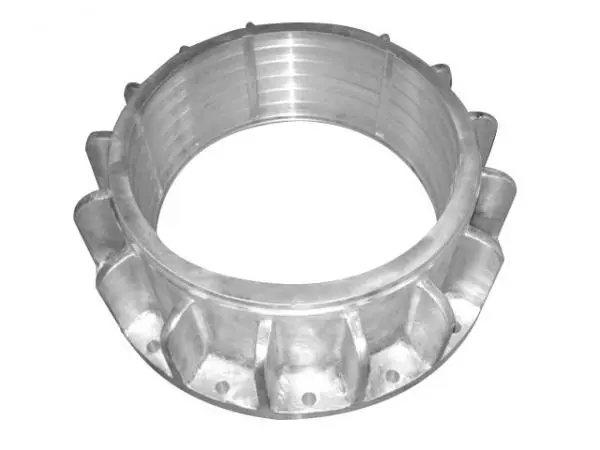
Understanding the Sand Casting Process for Iron
For making complicated iron parts, sand casting is one of the most flexible ways to make things. The unique properties of sand make it a great material for molding. This process lets makers make parts that range from small precise parts to huge pieces of industrial equipment.
The Sequential Steps of Iron Sand Casting
Pattern creation is the first step in the basic process. Skilled workers make exact copies of the part that is needed. Patterns like these are usually made from wood, metal, or polymer, and they are used to make the sand mold hole. Pattern accuracy has a direct effect on the end part's measurements, so this first step is very important for getting good results.
Preparing a mold is done in a planned way that includes cope and drag assembly. The lower half of the cast is made by the drag, and the top half is made by the cope. Silica sand, clay binding, and water make up green sand, which is very easy to shape and doesn't melt when heated. Chemically bonded sand systems improve surface finish quality and dimensional stability, which is especially useful for precise tasks in the aircraft and automobile industries.
Material Considerations for Iron Casting
The choice of iron has a big effect on how well the casting goes and how well the end part works. Gray iron is great for engine blocks and machine tool bases because it is easy to make and doesn't cause vibrations. Ductile iron is strong and doesn't break easily when hit, so it can be used for structure purposes and parts of big machinery. White iron has a high resistance to wear, making it ideal for uses that need to last a long time.
Controlling the temperature during the melting and filling stages affects the quality and strength of the casting. When you handle superheat correctly, you can avoid cold shuts and keep temperatures from getting too high, which can damage mold or cause more shrinkage flaws. Professional foundries have strict rules for keeping an eye on temperatures to make sure that all of their production runs have the same results.
Key Factors Affecting Sand Casting Quality for Iron
To achieve quality in sand casting iron, you need to know a lot about how defects happen and how to stop them. Porosity, shrinkage cavities, inclusions, and dimensional differences are all common problems that can make parts less useful and shorten their service life.
Critical Process Parameters
Properly setting up the gating system in the mold has a big effect on the quality of the casting. The best placing of the gates ensures smooth metal flow with the least amount of noise, which can lead to oxide inclusions. In order to avoid centerline shrinkage flaws in heavy sections, riser design calculations must take iron shrinkage traits into account.
Surface finish and precision of measurements are directly affected by how the sand is prepared. The right amount of wetness, usually between 3 and 4 percent for green sand systems, keeps the strength at a good level and stops gas-related problems. The surface roughness is affected by the spread of sand grains. Finer sands make finishes smoother, but they might make it harder for gases to pass through.
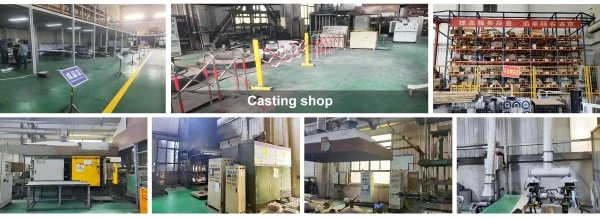
Industry Best Practices for Defect Prevention
During the whole casting process, top foundries use a wide range of quality control measures. Some of these practices are carefully checking the raw materials, following a set of steps to prepare the molds, and keeping an eye on the melting process at all times. Automated pouring systems are used in more advanced sites to keep fill rates uniform and reduce changes caused by operators.
Environmental control is very important for keeping the accuracy of the casting. Controlling humidity stops sand systems from absorbing too much water, and controlling temperature makes sure that chemically bonded molds cure in a predictable way. Sand's key qualities, such as its strength, transparency, and moisture content, are checked on a regular basis.
Procuring Sand Cast Iron Parts: What B2B Buyers Need to Know
To buy sand casting iron parts successfully, you need to carefully evaluate suppliers and communicate your needs clearly. To make sure the supply chain works reliably, professional buying teams look at things like foundry skills, certification compliance, and quality assurance systems.
Essential Supplier Qualification Criteria
For example, ISO 9001 quality control systems are needed for certification, and IATF 16949 compliance is needed for car suppliers. Environmental standards like ISO 14001 show a dedication to environmentally friendly production methods that are becoming more and more important to business responsibility efforts.
When you do a production capacity review, you look at how well the equipment works, how much it can produce each year, and how much it can grow. The best foundries have up-to-date melting equipment, automatic molding lines, and full testing facilities that can handle changing demand trends while keeping quality standards high.
Ordering Workflow and Pricing Considerations
Standard parts usually have lead times between 4 and 8 weeks, and making a sample takes an extra 2 to 3 weeks. Rush orders can be taken at a higher cost, but there are more quality risks when deadlines are shortened. Batch size has a big effect on unit price, and economies of scale become clear when the number of pieces produced goes over 100.
The cost of tools depends on how complicated the pattern is and how many are expected to be made. Patterns that are simple might cost $500 to $2,000, but complicated multi-core structures can cost more than $10,000. Many foundries store patterns and let you change them so they can keep up with ongoing production needs and design improvements.
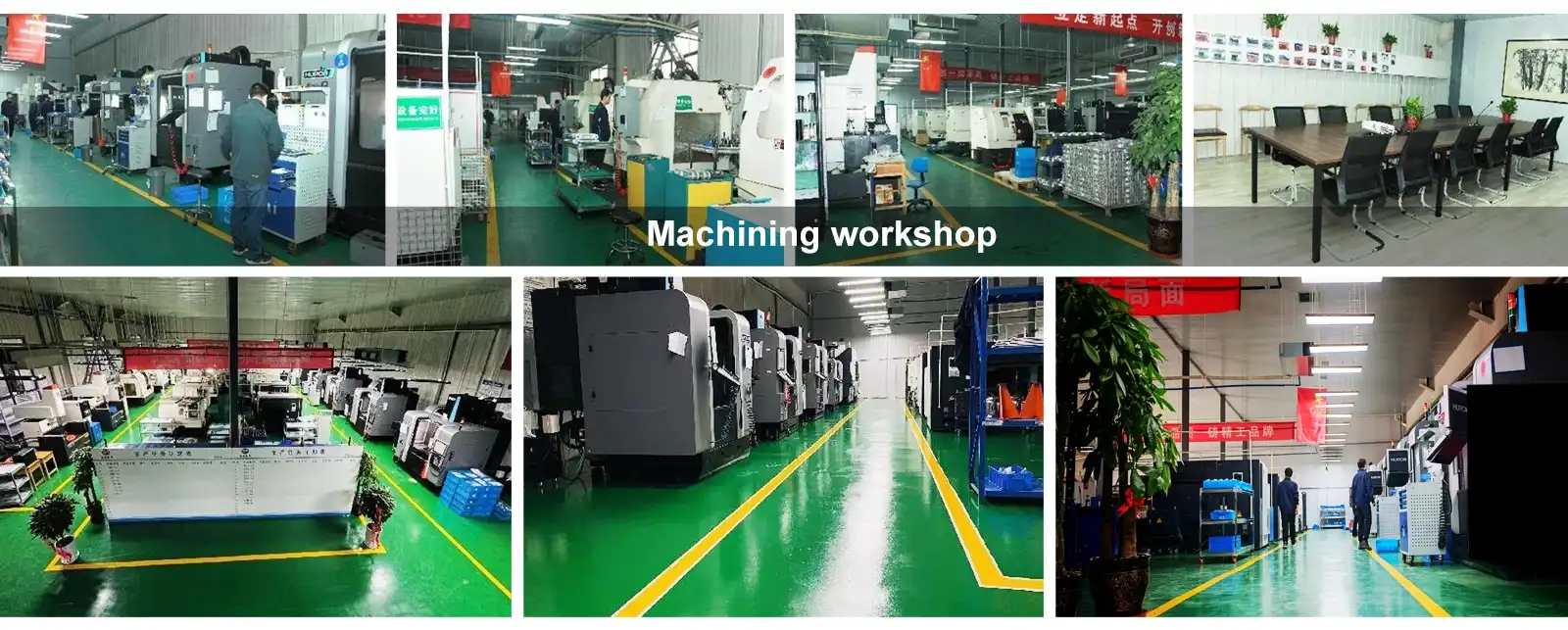
Case Studies and Real-World Applications of Iron Sand Casting
The versatility of sand casting across a variety of industrial areas is demonstrated by real-world uses. These examples show how major producers use the benefits of sand casting to make products that are both cost-effective and meet high performance standards.
Automotive Industry Applications
A big car company successfully switched from die casting to sand casting to make engine blocks, which cut costs by 30% while keeping performance standards consistent. Complex water jacket geometries could be made with the sand casting method, and the process allowed for various engine versions to use the same tooling components.
Using more modern sand preparation methods and automatic pouring equipment led to better quality. Through rigorous process improvement and better quality control, defect rates dropped from 8% to less than 2%. Using sand casting technology, the company now makes more than 50,000 engine blocks every year.
Heavy Machinery Success Stories
After failing with other ways of production, a company that makes building tools used sand casting to make large hydraulic valve bodies. The complicated internal tunnels and thick walls were beyond what other methods could handle, and the low production numbers made die casting uneconomical.
When chemically bonded sand methods were used, dimensions were kept within ±0.020 inches, which cut down on the need for a lot of machining. Cutting the lead time from 16 weeks to 8 weeks gave them a competitive edge in meeting customer needs, and they saved more than 40% on materials compared to made options.
Sustainability Initiatives in Modern Foundries
Modern foundries take steps to be environmentally friendly, such as using sand reclamation methods to reuse up to 95% of the molding sand. Modern methods for melting use less energy while keeping precise temperature control. These projects help the company reach its environmental goals while also cutting costs.
Systems for reusing water and controlling emissions show that people care about taking care of the earth. Many foundries get rid of all of their trash in landfills by partnering with waste management experts and starting full-on recycling programs. These methods attract buyers who care about the environment and lower long-term operating costs.
Conclusion
Sand casting iron is the best combination of quality, freedom, and cost-effectiveness for a wide range of industry uses. These industrial methods allow the creation of complicated shapes and big parts at prices that are still competitive. Procurement pros can make choices that improve cost, quality, and delivery performance by learning about process basics, quality factors, and supplier selection criteria. The adaptability of sand casting keeps pushing its use in industries like automobile, building, and industrial equipment, where design freedom and cost-effective production are still the most important factors.
Partner with Rongbao Enterprise for Superior Sand Casting Solutions
Rongbao Enterprise stands as your trusted sand casting manufacturer, delivering precision iron components that exceed industry standards. Our comprehensive manufacturing capabilities span high-pressure die casting, low-pressure die casting, gravity casting, and precision machining, supported by ISO 9001, ISO 14001, and ISO 45001 certifications. With 70% of our production exported to Europe, America, and Japan, we maintain strict quality control from raw materials to finished products. Contact steve.zhou@263.net or zhouyi@rongbaocasting.com to discuss your sand casting requirements and discover how our 20 years of industry expertise can optimize your supply chain performance.
FAQ
①What are typical lead times for sand cast iron parts?
Depending on how complicated the part is and how much is being made, standard wait times are between 4 and 8 weeks. Usually, prototype development takes an extra two to three weeks. Rush orders can be handled, but they may cost more and the quality may suffer.
②How do casting defects impact mechanical properties?
Tensile strength drops by 10–20% when there are pores, and wear resistance is greatly affected. Shrinkage defects focus stress and can lead to early failure when dynamic loads are applied. With optimized process parameters and good quality control, these problems are kept to a minimum.
③Is it possible for sand casting to be as precise as aerospace?
Most of the time, sand casting can hold tolerances of ±0.015 to 0.030 inches. However, with new methods and chemically bonded sands, important measurements can be held to ±0.010 inches. For final accuracy, aerospace uses often need secondary machining.
④What types of volumes work best for sand casting?
When making between 10 and 10,000 pieces a year, sand casting is the most cost-effective method. Tooling costs are low for low quantities, but investing in permanent mold methods for higher volumes may be worth it for better precision and cycle times.
References
- Campbell, John. "Complete Casting Handbook: Metal Casting Processes, Techniques and Design." Butterworth-Heinemann, 2015.
- Brown, John R. "Foseco Ferrous Foundryman's Handbook." Butterworth-Heinemann, 2000.
- Askeland, Donald R. "The Science and Engineering of Materials." Cengage Learning, 2016.
- Stefanescu, Doru Michael. "Science and Engineering of Casting Solidification." Springer, 2015.
- American Foundry Society. "Sand Casting Manual for Iron and Steel Foundries." American Foundry Society Publications, 2018.
- Beeley, Peter. "Foundry Technology." Butterworth-Heinemann, 2001.
Learn about our latest products and discounts through SMS or email