- English
- French
- German
- Portuguese
- Spanish
- Russian
- Japanese
- Korean
- Arabic
- Greek
- German
- Turkish
- Italian
- Danish
- Romanian
- Indonesian
- Czech
- Afrikaans
- Swedish
- Polish
- Basque
- Catalan
- Esperanto
- Hindi
- Lao
- Albanian
- Amharic
- Armenian
- Azerbaijani
- Belarusian
- Bengali
- Bosnian
- Bulgarian
- Cebuano
- Chichewa
- Corsican
- Croatian
- Dutch
- Estonian
- Filipino
- Finnish
- Frisian
- Galician
- Georgian
- Gujarati
- Haitian
- Hausa
- Hawaiian
- Hebrew
- Hmong
- Hungarian
- Icelandic
- Igbo
- Javanese
- Kannada
- Kazakh
- Khmer
- Kurdish
- Kyrgyz
- Latin
- Latvian
- Lithuanian
- Luxembou..
- Macedonian
- Malagasy
- Malay
- Malayalam
- Maltese
- Maori
- Marathi
- Mongolian
- Burmese
- Nepali
- Norwegian
- Pashto
- Persian
- Punjabi
- Serbian
- Sesotho
- Sinhala
- Slovak
- Slovenian
- Somali
- Samoan
- Scots Gaelic
- Shona
- Sindhi
- Sundanese
- Swahili
- Tajik
- Tamil
- Telugu
- Thai
- Ukrainian
- Urdu
- Uzbek
- Vietnamese
- Welsh
- Xhosa
- Yiddish
- Yoruba
- Zulu
Can casting sand be reused?
Casting sand can be reused through proper reclamation processes, making it an economically and environmentally beneficial practice for foundries. Sand casting operations commonly recycle their molding sand through mechanical, thermal, or chemical reclamation methods, with some foundries achieving reuse rates of 85-95%. The reusability depends on sand type, binder systems, and contamination levels, but effective reclamation extends sand life while reducing raw material costs and waste disposal expenses significantly.
Understanding the Role of Sand in Casting
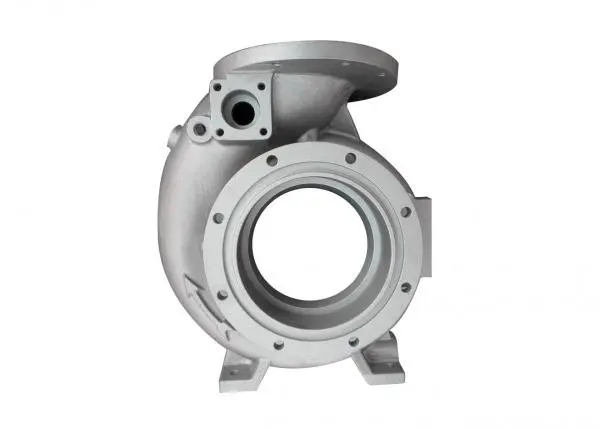
For precision production, sand casting is the basic material used to make metal parts in foundries. It is both the mold material and the structural base. This important substance makes the empty space where liquid metal can flow and harden into the shape of the part that is wanted.
Types of Casting Sand and Their Compositions
Modern foundries use a number of different types of sand, each with its own set of properties that make it useful for different tasks. Most people choose green sand, which is made by mixing silica sand with clay cement and water to make a moldable material. This traditional method is great for making engine blocks, pump housings, and machinery parts because it is easy to shape and doesn't cost much.
Chemical binders that fix at room temperature or through heating take wetness out of the equation in dry sand systems. When compared to green sand, these systems provide better surface finish and dimensional accuracy. This is especially helpful for flight parts and precision industrial equipment that needs to meet very tight standards.
Resin-coated sand has manmade binders in it that make molds tougher and more permeable and stable at high temperatures. This high-end option works great for jobs that need complicated shapes or thin walls. It's often used to make energy tools and high-performance car parts.
Physical Properties Affecting Performance and Reusability
Sand grain size spread has a big effect on both the quality of the casting and its ability to be used again. Fine grains give the surface a better finish but make it less permeable. Coarser grains let more gas escape but may hurt the quality of the surface. The best grain size is usually between 50 and 100 AFS (American Foundry Society) grain fineness numbers, which is a good compromise between these different needs.
The amount of moisture in green sand systems has a direct effect on how easy it is to shape, how strong it is, and how stable its dimensions are. The right amount of wetness, usually between 3 and 5 percent, is needed to keep the green strength good and stop mold warping. Gas-related flaws can happen when there is too much wetness, and mold structure can be compromised when it is being handled or poured.
The type and amount of binder decide how strong the sand is and what needs to be done to get it back to normal. In green sand systems, clay binders need to be broken up by mechanical wear and tear in order to recover the qualities of the sand. To get rid of biological leftovers and clean up the grain surface, chemical binders need to be heated or go through certain reclamation processes.

Can Casting Sand Be Reused?
Sand recovery is an important part of running a foundry in a way that doesn't harm the environment. It turns used sand casting materials back into resources that can be used for production using tried-and-true industrial methods.
Mechanical Reclamation Techniques
Through attrition cleaning, in which sand grains rub against each other in special machines, mechanical recycling gets rid of used binder materials. The green sand systems are successfully stripped of clay films by this process, which keeps the grain structure. Attrition scrubbers use controlled water flow and mechanical motion to lower the amount of clay in sand from 8–12% to 3–5%, making it easier to shape.
Compressed air is used in pneumatic devices to sort sand grains that can be used again from fine particles and broken down materials. These dry restoration methods keep problems from happening that are caused by water while effectively separating pollution. The sand that was salvaged still flows very well and can be used right away in the shaping process.
Thermal and Wet Reclamation Processes
In thermal regeneration, high temperatures (usually 650–900°C) are used to burn off organic binders and get rid of carbon leftovers. This method works especially well for resin-bonded sand systems, where chemical binders need to break down completely to get the grain surface qualities back to normal. To meet environmental standards and get 98% sand recovery rates, modern thermal reclaimers have afterburners and dust collection systems.
Wet restoration uses both mechanical action and water cleaning to get rid of fines and binders that dissolve in water. This method works really well for sands that are bound with sodium silicate and some organic binder systems. There are steps in the process called classification that sort the sand grains by size and get rid of broken grains and other things that might affect the quality of the sand casting.
Quality Control Measures for Recycled Sand
To successfully reuse sand, strict testing methods must be used to keep an eye on key performance markers throughout the whole reclamation cycle. Grain size distribution analysis makes sure that the particle sizes stay within the same ranges so that the standards for transparency and surface finish are met. Sand labs usually use standard AFS (American Foundry Society) methods to do sieve studies to make sure that grain fineness numbers stay within the allowed ranges.
Testing the clay content confirms that mechanical recycling gets the right clay levels for the best molding. Methylene blue tests quickly measure the amount of active clay in sand, so process changes can be made in real time to keep sand quality standards.
Thermal research finds leftover organics and checks how stable the sand is at high temperatures. Thermogravimetric research shows patterns of weight loss that show all of the binder has been removed and can be used to predict how well sand will work in high-temperature casting uses.
Challenges and Limitations of Sand Reuse in Casting
Sand slowly breaks down after being heated and cooled many times and being handled mechanically. This creates problems that foundries need to carefully solve.
Sand Degradation and Contamination Issues
Breaking down the grains is the main problem with reusing sand. High temperatures cause sand grains to expand and contract, which forms tiny cracks in the grains. These broken grains make too many fines, which lowers the transparency and raises the risk of gas-related defects. According to research, sand grains can usually be used 15 to 25 times before they start to break down so much that they need to be replaced with new sand.
Metal pollution builds up during sand casting processes through spills, holes, and mechanical inclusion. Metallic particles like iron oxide scale, aluminum dross, and others get stuck in sand systems, which could lead to inclusion flaws in later casts. Iron-based toxins can be removed by magnetic separation, but non-magnetic metals need more complicated separation methods.
In recovered sand systems, chemicals from core binders, release agents, and cleaning substances slowly get dirty. These leftovers can get in the way of new binder systems, which can lead to poor mixing of the sand, slower strength development, or chemical reactions that weren't expected during casting.
Impact on Casting Quality and When Fresh Sand is Needed
Breakdown of the binder affects how strong the sand is and how stable the mold is. When compared to new mixes, used sand usually has lower green strength, dry strength, and hot strength. These changes in properties can cause mold erosion, differences in size, and flaws on the surface of final casts.
The quality of the surface finish often gets worse as more sand is used because fines build up and grain shapes change. During heat cycle, angular grain pieces are formed. These create rougher sand casting surfaces that need more machining, which raises the total cost of production.
When quality markers drop below acceptable levels, strategic sand refill is needed. Most foundries use regular replacement plans for sand, adding 5–15% new sand every cycle to keep the properties at their best. When contamination levels are too high to be cleaned up or when moving between different metal systems, full sand changeouts may be needed.
Best Practices for Designing Casting Molds with Reused Sand
Mold design changes are needed to account for the new features of recycled sand while keeping quality standards for casting and production efficiency high.
Design Adaptations for Sand Strength and Permeability Changes
Changes in mold wall width make up for the weaker sand in recovered systems. When engineers use a lot of leftover sand, they usually make the mold parts 10–20% bigger to stop erosion and keep the dimensions accurate. To keep from making hot spots that could lead to sand casting flaws, these changes need to be carefully studied in terms of temperature gradients and cooling rates.
When using recovered sand that has changed permeability properties, optimizing the gate system becomes very important. New runner and riser designs make sure that metal flows properly while also adapting to new gas escape patterns. Computational fluid dynamics modeling helps predict how fluid will move in molds made from recycled sand. This lets designers make changes that keep the molds' filling efficiency high.
To make it easier to release the mold with recycled sand, pattern changes may include changing the tip radius and the draft angle. Less strong sand can damage mold during pattern withdrawal, so release angles need to be softer and pattern building needs to be stronger.
Collaborating with Expert Suppliers for Quality Assurance
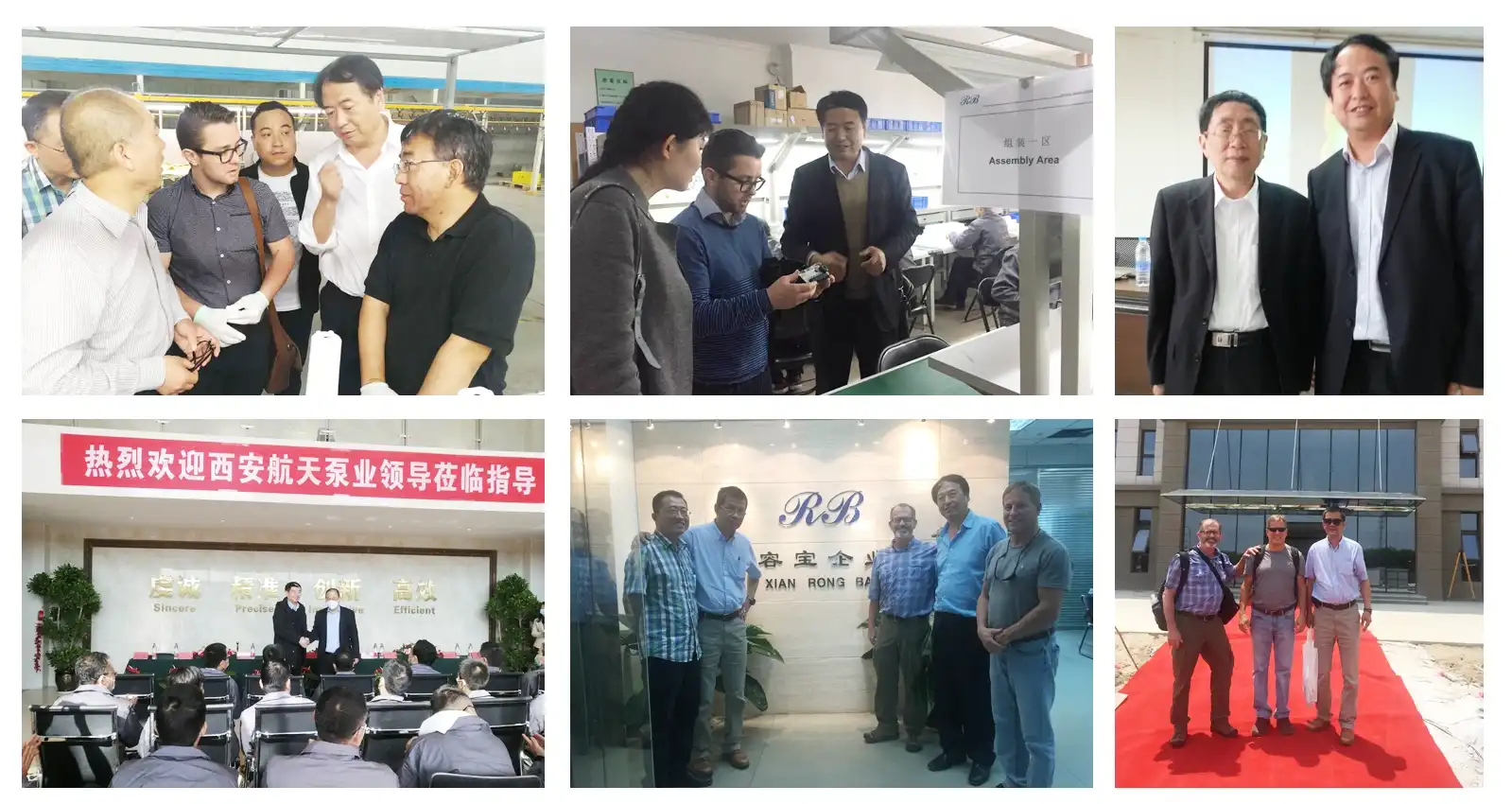
For reclaimed sand projects to work, they need to work with providers who know both how to use sand reclamation technology and how to meet quality standards for sand casting. Leading casting suppliers offer full sand testing services that keep an eye on the grain state, contamination levels, and performance traits all the way through the cycle of reuse.
Quality assurance licenses like ISO 9001 and foundry-specific standards make sure that suppliers keep the same sand qualities and records. These licenses give people who buy things confidence in the skills of suppliers and make it easier to find out about problems with quality.
Some of the technical support services that experienced providers offer are surveys of sand systems, advice on reclamation equipment, and help with fixing problems. This way of working together lets foundries get the most out of their sand recovery programs while still meeting quality standards for production.
How Procurement Managers Can Optimize Casting Sand Usage?
Strategic methods to buying things make the most of the economic and practical benefits of reusing sand while also making sure that the supply chain works reliably.
Evaluating Casting Sand Suppliers and Recyclers
The evaluation of a supplier must look at both their technical skills and their ability to keep things running smoothly. Managers in charge of buying things should check out the sand testing labs, quality control methods, and certification compliance of vendors. The ISO 14001 environmental certification shows that providers are committed to using sustainable methods and reducing waste, which is in line with the sustainability goals of the company.
How close two places are to each other affects the cost of shipping and the options for delivery. This is especially important for shipping large amounts of sand. Local suppliers can make deliveries quickly in an emergency and make handling easier, while regional suppliers may be able to offer better prices for big orders.
Suppliers can keep up service levels throughout multi-year deals as long as they are financially stable and can stay in business for a long time. Checking references with current customers can tell you a lot about a supplier's success, their ability to solve problems, and how quickly they respond to quality issues.
Integrating Sand Reuse into Procurement Strategies
When negotiating a contract, sand reclamation services, quality promises, and performance measures should be talked about. Comprehensive agreements include rules for testing sand, setting limits on pollution, and setting new standards that protect the quality of the sand casting while maximizing the benefits of reuse.
There is a balance between holding prices and supply security in inventory management methods. Just-in-time transport cuts down on storage needs but may raise supply risks. Buffer inventory, on the other hand, gives operations more freedom but costs more to carry. The best tactics rely on how much is being made, how the seasons change, and how reliable the suppliers are.
When figuring out costs, you have to look at more than just the price of the sand. Costs of reclamation tools, testing costs, and quality-related risks all play a role in purchasing choices. Life-cycle cost modeling helps figure out the best times to change sand and how to choose a source.
Conclusion
Reusing sand is a tried-and-true method that helps foundries save money and protect the earth. Foundries are able to get 85–95% of the sand they use back while still meeting quality standards because they use the right recycling methods and quality control measures. But for adoption to go well, you need to know how sand breaks down, how to avoid contamination, and when to add new sand strategically. Professionals in procurement need to carefully look at what suppliers can do, include reusing sand in larger buying plans, and keep strong partnerships for quality assurance. With the right planning and execution, programs that use salvaged sand can cut the cost of materials by 30 to 50 percent while also helping to meet goals for sustainability and operating efficiency.
Partner with Rongbao Enterprise for Superior Sand Casting Solutions
Rongbao Enterprise combines two decades of foundry expertise with comprehensive sand casting capabilities to deliver exceptional results for procurement professionals seeking reliable manufacturing partners. Our ISO 9001, ISO 14001, and ISO 45001 certifications ensure consistent quality and environmental compliance throughout our operations. With 70% of our production exported to Europe, America, and Japan, we understand the demanding requirements of international markets and maintain rigorous quality standards that exceed industry expectations. Our full-chain manufacturing capabilities encompass high-pressure die casting, low-pressure die casting, gravity casting, and precision machining, supported by advanced sand reclamation systems that optimize material efficiency and reduce costs. Contact our experienced team at steve.zhou@263.net or zhouyi@rongbaocasting.com to discuss your specific requirements and discover how our sand casting supplier expertise can enhance your procurement strategy while delivering sustainable, cost-effective solutions.
FAQs
①How many times can casting sand be reused before replacement?
Green sand systems can usually be used 15 to 25 times before the grains break down and need to be replaced. Chemically linked sands, on the other hand, may only last 10 to 15 times, based on how well they recover heat. The exact number relies on the metal type, the casting temperature, and how well the reclamation system works.
②Does reused sand affect the mechanical properties of castings?
When quality standards are met, recovered sand that has been used before keeps its mechanical traits. But too many fines or contamination can cause flaws like fissures or inclusions that weaken the structure. Problems like these can be avoided by checking and inspecting the sand regularly.
③What environmental regulations apply to sand reclamation operations?
Facilities that clean up sand must follow rules for particulate matter and volatile organic molecules in the air. For combustion activities and waste heat recovery, thermal recycling systems need licenses. The water that comes out of wet reclamation has to meet standards for water quality in the area.
④What is the typical cost savings from sand reuse programs?
Foundries can often cut the cost of sand by 30 to 50 percent by using successful recycling programs. Other ways to save money are by paying less to get rid of trash and by driving less. Total cost study must, however, take into account the costs of reclamation tools and running the business.
⑤How can you tell if recovered sand is good?
Standard tests include looking at the spread of grain sizes, measuring the amount of clay, finding out how much water is in the material, and trying its power. For more in-depth tests, thermal analysis for organic leftovers and chemistry analysis for contamination levels may be used. Most foundries test the sand every day to keep an eye on its state.
References
- American Foundry Society. "Sand Reclamation Techniques and Quality Control in Modern Foundries." AFS Transactions, Volume 128, 2020.
- Brown, Michael and Johnson, Sarah. "Environmental and Economic Benefits of Foundry Sand Reuse Programs." International Journal of Metalcasting, Volume 15, Issue 3, 2021.
- Chen, Wei and Anderson, Robert. "Grain Degradation Patterns in Recycled Casting Sands." Foundry Trade Journal, Volume 195, Number 6, 2021.
- European Foundry Association. "Best Practices for Sand Reclamation and Quality Management." EFA Technical Report TR-2021-03, 2021.
- Smith, David et al. "Thermal Reclamation Technologies for Chemical Binder Sand Systems." Modern Casting Magazine, Volume 111, Number 8, 2021.
- Wilson, Jennifer and Lee, Thomas. "Procurement Strategies for Sustainable Foundry Operations." Supply Chain Management Review, Volume 25, Issue 4, 2021.
Learn about our latest products and discounts through SMS or email