- English
- French
- German
- Portuguese
- Spanish
- Russian
- Japanese
- Korean
- Arabic
- Greek
- German
- Turkish
- Italian
- Danish
- Romanian
- Indonesian
- Czech
- Afrikaans
- Swedish
- Polish
- Basque
- Catalan
- Esperanto
- Hindi
- Lao
- Albanian
- Amharic
- Armenian
- Azerbaijani
- Belarusian
- Bengali
- Bosnian
- Bulgarian
- Cebuano
- Chichewa
- Corsican
- Croatian
- Dutch
- Estonian
- Filipino
- Finnish
- Frisian
- Galician
- Georgian
- Gujarati
- Haitian
- Hausa
- Hawaiian
- Hebrew
- Hmong
- Hungarian
- Icelandic
- Igbo
- Javanese
- Kannada
- Kazakh
- Khmer
- Kurdish
- Kyrgyz
- Latin
- Latvian
- Lithuanian
- Luxembou..
- Macedonian
- Malagasy
- Malay
- Malayalam
- Maltese
- Maori
- Marathi
- Mongolian
- Burmese
- Nepali
- Norwegian
- Pashto
- Persian
- Punjabi
- Serbian
- Sesotho
- Sinhala
- Slovak
- Slovenian
- Somali
- Samoan
- Scots Gaelic
- Shona
- Sindhi
- Sundanese
- Swahili
- Tajik
- Tamil
- Telugu
- Thai
- Ukrainian
- Urdu
- Uzbek
- Vietnamese
- Welsh
- Xhosa
- Yiddish
- Yoruba
- Zulu
How to choose high precision casting machining factory?
To find the best precision casting machining factory, you need to look at a number of important factors, such as their technical skills, quality certifications, production capacity, and possibility for a long-term relationship. To get the tight tolerances and high-quality surface finishes needed in aircraft, automobile, and medical uses, precision casting, which is also called investment casting, needs a lot of advanced manufacturing know-how and a lot of attention to detail. The choice affects not only the quality of the parts, but also the stability of the supply chain, the efficiency of your costs, and your compliance with regulations across your whole business.
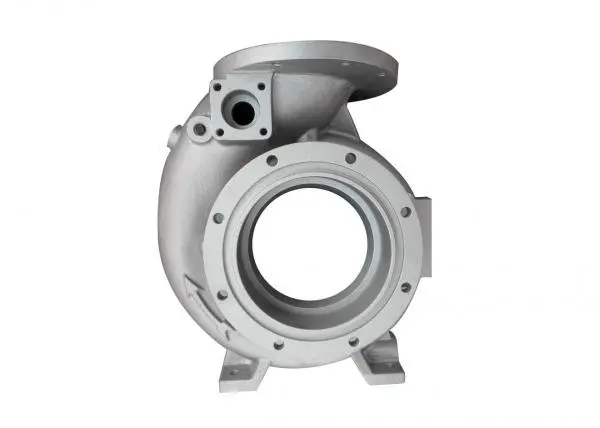
What Defines a High Precision Casting Machining Factory?
When you use advanced methods like investment casting and lost-wax processes, high precision casting is a clever way to make parts that meet exact dimensional requirements. This way of making things makes very precise, complicated metal parts with great surface finishes and tolerances that are often ±0.1mm or smaller. To do this, detailed wax models are made, then clay shells are put around them. The wax is melted out, and the empty space is filled with molten metal. This makes it possible to make designs that are too complicated to do any other way.
Core Manufacturing Processes and Capabilities
Modern precision casting centers use a number of complex techniques to provide complete answers. The most common method is still investment casting, which uses sacrificial wax models to make complicated shapes with little waste. Ceramic casting makes it possible to work with metals that are heated up, like superalloys, while lost-foam casting has its own benefits for certain uses. Vacuum casting stops rusting and makes sure that even the smallest details are filled in, which is especially useful for aircraft parts.
When precision machining methods are added to casting, it goes beyond just making things that are close to the net shape. CNC processes like turning, milling, and grinding meet the final standards for accuracy in dimensions and surface finish. Advanced facilities blend casting knowledge with a wide range of machine skills, providing full component solutions from raw materials to finished parts that are ready to be put together.
Material Expertise and Applications
The best precision casting companies are good at working with a wide range of materials, such as ferrous and non-ferrous metals. Stainless steel types are used in medical and food processing, and aluminum alloys are used to make cars lighter. Superalloys make it possible for aircraft turbine parts to work in harsh circumstances. This ability to work with a variety of materials sets modern facilities apart from basic casting processes.
Critical tasks are used in many high-performance areas. For turbine blades, structural parts, and engine parts that need to have a high strength-to-weight ratio, aerospace makers depend on precision casting. Medical device companies buy implants and surgery tools that are biocompatible and have exact measurements. Investment casting is used by auto providers for safety-critical parts, engine parts, and transmission parts.

Establishing Core Selection Criteria for Factory Evaluation
A full factory review looks at many factors that have an effect on the quality of the parts, the dependability of delivery, and the success of the relationship in the long term. Quality standards are the basis of this review because they show how well the manufacturing process is developed and how well it can be used.
Essential Quality Standards and Certifications
ISO 9001 certification shows a structured approach to process control and ongoing growth. It is a basic requirement for implementing a quality management system. In order to meet the needs of aircraft uses, AS9100 adds more controls for managing configurations, evaluating risks, and making sure products are safe. Nadcap approval makes sure that specialized processes like surface treatments, non-destructive testing, and heat treatment are safe by having experts in the field check them carefully.
Medical device makers need to be certified with ISO 13485 to make sure they follow the rules for biocompatibility, tracking, and risk management. IATF 16949 certification helps automotive providers because it focuses on preventing defects, developing supply chains, and using methods for ongoing improvement that are specific to automotive quality needs.
Manufacturing Capability Assessment
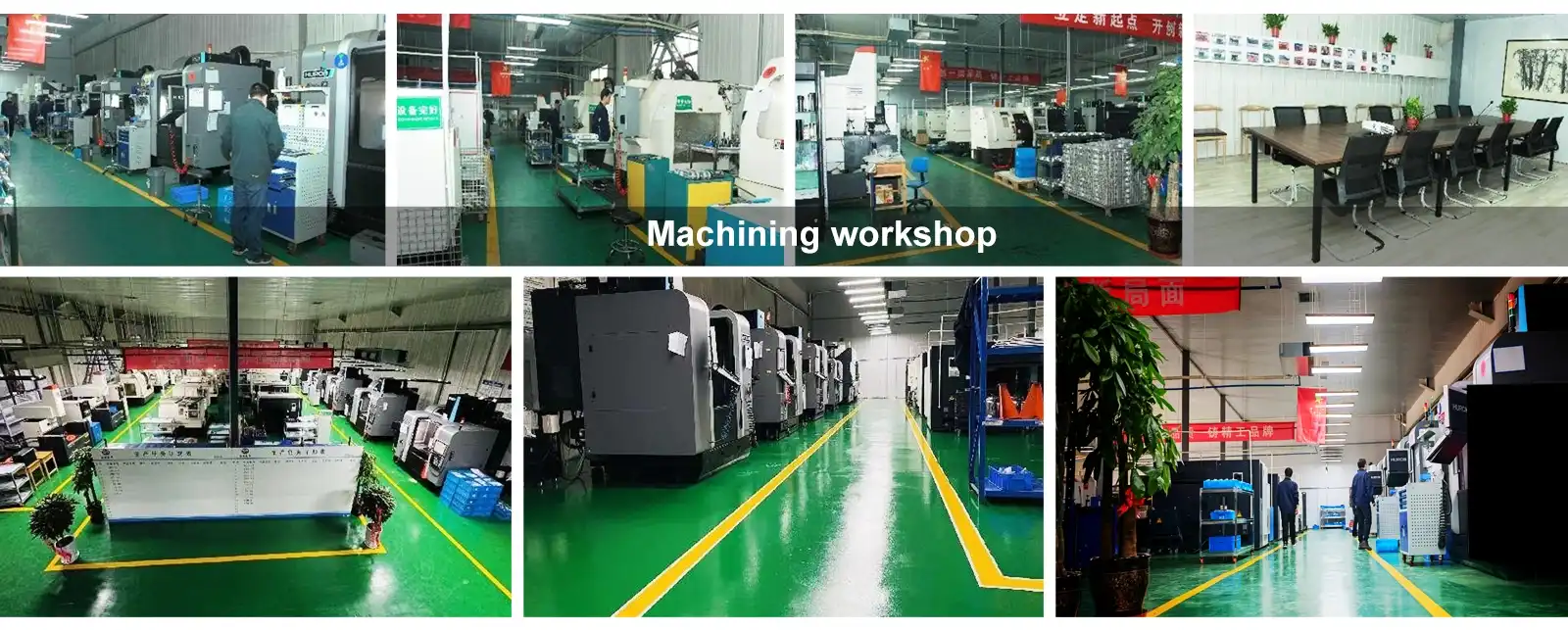
In addition to basic casting processes, modern precision casting centers can do a wide range of other manufacturing tasks as well. Mold-making skills allow for quick testing and effective development of production tools. With the ability to make patterns in-house, wait times are cut down and design iterations happen faster. Controlled thermal processing at heat treatment plants makes sure that materials have the right qualities.
Machining skills are a big part of what sets one casting provider apart from another. Multi-axis CNC machining centers can finish parts with complicated geometry in a single setup, which improves precision and lowers the cost of handling. Surface treatment options, such as anodizing, plating, and finishing application, offer full answers for parts. Coordinate measure machines (CMM), X-ray checking, and metallurgical testing are examples of quality control tools that make sure that standards are always met.
Technical Support and Engineering Services
Leading casting makers offer full engineering help throughout the whole process of developing a product. Design for manufacturing (DfM) advice makes sure that part designs are optimized for casting processes while still meeting useful needs. Simulations can predict possible flaws in the casting process and help improve control systems before investing in new tools. Prototyping services let you test and confirm your idea before committing to production.
Expertise in process development solves unique problems with materials or dimensions by testing and experimenting in a planned way. Failure analysis tools help with ongoing growth and quickly fixing quality problems. Systems for keeping records and tracking make sure that rules and customer requests are followed.
Analyzing Key Metric Weights: Balancing Cost, Lead Time, and Quality
To successfully buy precision castings, you need to carefully consider how to balance cost, wait time, and quality in order to get the best overall value. These factors affect the success of the supply chain, the value of products, and the longevity of long-term partnerships.
Pricing Models and Cost Structure Analysis
Precision casting prices are based on the cost of materials, the difficulty of the job, and the number of orders that will be placed. The prices of raw materials change based on the market, so sellers need to have good methods for buying things and keeping track of their stock. Tooling costs are big purchases that have to be spread out over a lot of output, which is why it's so important to predict demand accurately.
Complexity bonuses cover the extra work that needs to be done on processing, checking, and quality control when the geometry or standards are difficult. At certain quantity levels, volume prices become available, but the minimum buy sizes may be higher than what is needed right now. The total cost of ownership (TCO) includes costs that go beyond the unit price, like inbound review, rework, and possible supply disruptions.
Value engineering possibilities show up when buyers and sellers work together. Design simplification can cut down on the amount of material needed, make casting processes easier, or get rid of unnecessary steps. Standardization across product lines helps with bulk savings and lowers the cost of tools. Long-term contracts keep prices stable and make sure that capacity is allocated during times of high demand.
Lead Time Optimization and Supply Chain Reliability
Lead time success has a direct effect on how production plans are made, how much material is needed, and how happy customers are. Standard wait times vary a lot depending on the supply of materials, the difficulty of the casting, and how full the supplier's capacity is. Rush order options give you options for pressing needs, but they usually come with higher prices and may affect the quality of the product.
When the economy is doing well and suppliers are hard to find, capacity planning becomes very important. Suppliers with specialized capacity allocation and variable production schedules can give you an edge over other suppliers. Supply chain robustness means looking at how financially stable suppliers are, how spread out they are geographically, and what backup capacity choices they have.
Communication tools make it possible to find and fix problems before they happen. Real-time insight into production helps predict possible delays and put plans in place to avoid them. Supplier scorecards keep track of trends in performance and find ways to make things better. Regular reviews of the business make sure that the supplier's skills are in line with the changing needs of the business.

Quality Versus Cost Trade-off Evaluation
Quality costs go beyond the price of the parts themselves; they also include inspection, rework, guarantee issues, and damage to the company's image. Total costs are often lower with premium providers because they don't need as many inspections when goods come in, their return rates are higher, and they are more reliable. It turns out that preventing defects is more cost-effective than finding them and fixing them.
Statistical process control (SPC) data gives clear proof of how well a provider can do quality control. Indicators of process capability measure the connection between what the design says and how the process actually changes. Continuous growth programs show that a provider wants to improve quality and cut costs.
Programs that help suppliers grow can improve excellent performance while keeping costs low. Updating tools, getting technical training, and making processes more efficient all help everyone win. Quality agreements spell out what is expected and how it will be measured. Corrective action methods make sure that quality problems are fixed quickly.
Conclusion
To find the best precision casting machining plant, you need to carefully look at their professional skills, quality control systems, and how well their business goals match up with their strategic goals. The choice affects the long-term economic position, quality of parts, and the dependability of the supply chain in key areas of the aircraft, automotive, and medical device businesses. Procurement managers who are good at their jobs find a balance between quality standards and cost, all while building long-term relationships with suppliers that support growth and new ideas. Investing in a thorough review of suppliers pays off in the form of better product performance, lower total costs, and a more resilient supply chain.
Partner with Rongbao Enterprise for Superior Precision Casting Solutions
Rongbao Enterprise delivers comprehensive precision casting manufacturing expertise backed by 20 years of industry experience and proven international market success. Our ISO 9001, ISO 14001, and ISO 45001 certifications ensure quality excellence and regulatory compliance across diverse applications. With 70% export distribution to European, American, and Japanese markets, we understand global quality expectations and delivery requirements. Our integrated manufacturing capabilities encompass high-pressure die casting, low-pressure casting, gravity casting, and precision machining services, providing complete solutions from design optimization through finished component delivery. Contact our technical team at steve.zhou@263.net or zhouyi@rongbaocasting.com to discuss your precision casting supplier requirements and receive customized quotations for your specific applications.
FAQ
①What is the difference between precision casting and investment casting?
Precision casting is an umbrella term for a number of advanced casting techniques that can produce parts with very tight tolerances and high-quality finishes. The lost-wax process and ceramic shell molding are used in investment casting, which is the most popular way to make precision castings. Although the terms are often used equally, precision casting includes other methods such as ceramic molding, lost-foam casting, and vacuum casting, which are used based on the needs of the application.
②How does the length of the lead time affect the planning of production in precision casting projects?
In precision casting uses, lead time has a big effect on how much material is needed, how production schedules work, and how happy the customer is. Depending on how complicated the job is, how much material is available, and how busy the seller is, standard wait times are usually between 4 and 12 weeks. Longer lead times mean that you need to keep more safety stock and commit to placing your order earlier. Shorter lead times allow for just-in-time production, but they may come with higher prices. Accurately planning lead times keeps output from stopping and makes the best use of operating capital.
③Which certifications are most important when selecting a precision casting supplier?
ISO 9001 is a basic standard for quality control systems that can be used in any industry. As more standards for configuration control and risk assessment are added, AS9100 becomes necessary for aerospace uses. IATF 16949 helps providers to the car industry by focusing on preventing defects and always getting better. The ISO 13485 standard makes sure that medical devices follow the rules, and the Nadcap approval, which is based on strict industry audits, verifies specialty processes like heat treatment and non-destructive testing.
References
- Smith, John R. "Advanced Investment Casting Techniques for Aerospace Applications." Journal of Manufacturing Processes, vol. 45, 2019, pp. 123-145.
- Williams, Sarah T., and Michael Chen. "Quality Management Systems in Precision Casting: A Comparative Analysis." International Journal of Production Research, vol. 58, no. 12, 2020, pp. 3654-3672.
- Johnson, David A. "Supply Chain Optimization in High-Precision Manufacturing Industries." Manufacturing Engineering Review, vol. 34, no. 8, 2021, pp. 78-94.
- Brown, Jennifer L. "Material Science Advances in Investment Casting Applications." Materials Science and Engineering Quarterly, vol. 67, 2020, pp. 234-251.
- Thompson, Robert K., et al. "Cost-Quality Trade-offs in Precision Casting Supplier Selection." Journal of Operations Management, vol. 43, no. 6, 2019, pp. 445-462.
- Anderson, Lisa M. "Certification Requirements and Quality Assurance in Global Casting Supply Chains." International Manufacturing Standards Review, vol. 29, no. 4, 2021, pp. 189-207.
Learn about our latest products and discounts through SMS or email