- English
- French
- German
- Portuguese
- Spanish
- Russian
- Japanese
- Korean
- Arabic
- Greek
- German
- Turkish
- Italian
- Danish
- Romanian
- Indonesian
- Czech
- Afrikaans
- Swedish
- Polish
- Basque
- Catalan
- Esperanto
- Hindi
- Lao
- Albanian
- Amharic
- Armenian
- Azerbaijani
- Belarusian
- Bengali
- Bosnian
- Bulgarian
- Cebuano
- Chichewa
- Corsican
- Croatian
- Dutch
- Estonian
- Filipino
- Finnish
- Frisian
- Galician
- Georgian
- Gujarati
- Haitian
- Hausa
- Hawaiian
- Hebrew
- Hmong
- Hungarian
- Icelandic
- Igbo
- Javanese
- Kannada
- Kazakh
- Khmer
- Kurdish
- Kyrgyz
- Latin
- Latvian
- Lithuanian
- Luxembou..
- Macedonian
- Malagasy
- Malay
- Malayalam
- Maltese
- Maori
- Marathi
- Mongolian
- Burmese
- Nepali
- Norwegian
- Pashto
- Persian
- Punjabi
- Serbian
- Sesotho
- Sinhala
- Slovak
- Slovenian
- Somali
- Samoan
- Scots Gaelic
- Shona
- Sindhi
- Sundanese
- Swahili
- Tajik
- Tamil
- Telugu
- Thai
- Ukrainian
- Urdu
- Uzbek
- Vietnamese
- Welsh
- Xhosa
- Yiddish
- Yoruba
- Zulu
How to make a custom bracket design?
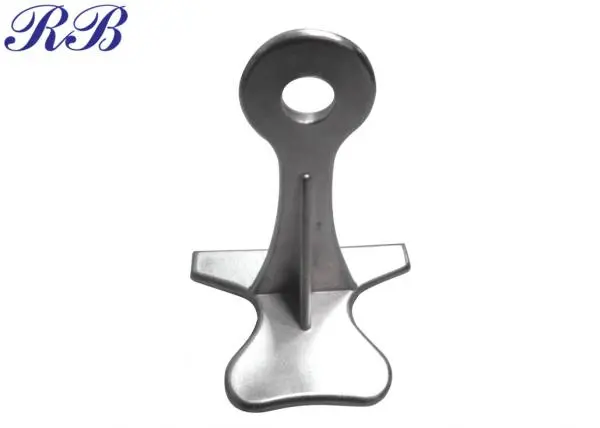
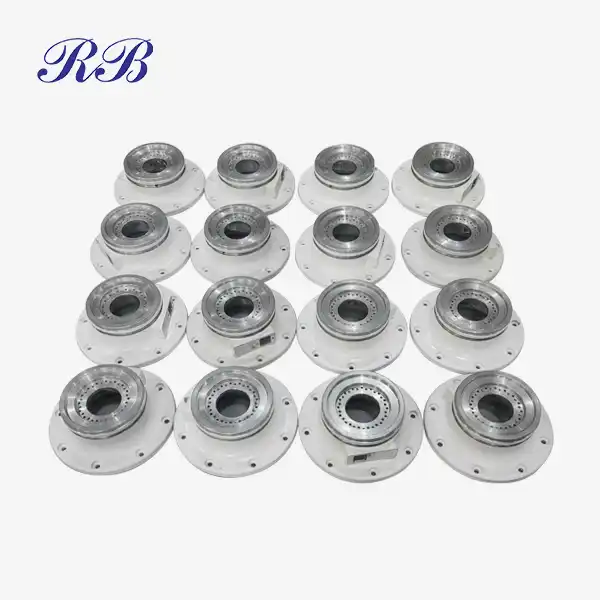
Engineering teams and specialized production partners work together in a planned way to make a custom bracket design and custom casting brackets. Custom brackets are made by following a set process that includes laying out clear functional requirements, picking the right materials (for example, stainless steel 304 for resistance to rust), making detailed CAD models, and picking a manufacturing method (for example, precision casting). This method makes sure that the frames meet all the exact requirements for load, size, and surroundings. When you work with experienced makers, they can turn your ideas for parts into reliable ones by providing advice on materials, making molds, and checking the quality in a way that meets industry standards like ISO9001:2015.
Understanding the Custom Bracket Design Challenge
Today, businesses are under more and more pressure to make every part of their processes work better. When projects need specific load-bearing capacities, unique shapes, or special material qualities, standard, off-the-shelf brackets often don't work. The car industry needs brackets that can withstand steady vibration and keep body structural parts and chassis systems in the right place. For aerospace uses, options that are light without sacrificing power are needed. Manufacturers of electronic communication tools have a hard time working in small spaces that need to be accurate to within ±0.05mm.
When you install it, the limits become painfully clear. Normal clamps can't handle the complicated mounting angles needed for heat management systems or the harsh conditions inside industrial pump housings. Engineers have to make design decisions when sizes are fixed, which often means adding extra weight or making weak spots in important parts. Biocompatibility requirements and strict surface cleanliness standards that generic solutions can't meet add to the problems that medical device makers already have to deal with. Because of these limitations, procurement teams have to come up with their own answers that work for their unique operations.
Identifying Exact Requirements Across Industries
Automobile companies use IATF16949 approval systems, which require brackets with failure rates below 50 parts per million and on-time delivery rates above 98%. Tier 1 manufacturers need parts that can help with multiple engineering projects at the same time and be involved in the design stages of powertrain housings and steering systems. Aerospace workers need full tracking paperwork that meets AS9100D standards. Each bracket needs to be linked to inspection and material approval records.
Industrial tools come with its own set of problems. During their many-year work lives, pump and valve housings have to be able to handle huge changes in temperature and pressure. The solid parts of engineering machines need to be able to handle shock loads and protect themselves from damage from the surroundings. Because of these different needs, a single bracket design rarely works well for more than one purpose.
Limitations of Standard Bracket Solutions
Purchasing managers often come across cases where stock items almost fit custom casting brackets. That "almost" means technical solutions, extra adapter plates, or changes made in the field that hurt the integrity of the system. Standard clamps don't come in all the different types of materials that are needed in certain settings. A zinc-plated steel bracket that works for machines inside breaks quickly in naval conditions that need stainless steel 304, which is more resistant to rust.
Limits on geometry are another problem. Designs that are already on the market can't handle the exact mounting angles needed for green energy equipment or the layouts that have to fit inside medical imaging devices because of limited room. When thousands of parts are involved in a project, these small inefficiencies add up to big cost increases due to more installation work, more upkeep, and replacements that happen too soon.
The Custom Casting Bracket Design Process—Step by Step
Custom casting brackets that work well are made before the molten metal even hits the mold. The mechanical setting where brackets will work needs to be carefully studied by engineering teams. How much weight will the bracket hold when it's not being used? Will shaking, changing temperatures, or chemical contact have an effect on how well it works? There are different pressures on a product fixed bracket that holds electrical enclosures than on one that holds hydraulic system parts in building tools.
The choice of material has a direct effect on how well the bracket works and how much it costs over its lifetime. Because it doesn't rust and isn't too strong, stainless steel 304 is great for medical devices and food processing equipment. The material stays structurally sound across a wide range of temperatures and meets strict standards for cleanliness. When it comes to aircraft uses, weight is very important because every 0.8kg bracket counts toward figuring out how much fuel is being used. Aluminum metals are stronger than steel when it comes to weight, but engineers have to take into account that they wear down differently than steel.
Requirements Gathering and Stress Analysis
Specifications for technology are what make plans work. Engineers write down the directions and sizes of the loads, the conditions of the mounting surface, the factors of the environment's exposure, and any rules that are specific to the application industry. The brackets that hold up the battery packs in electric cars need to be able to handle temperature growth while still keeping the electricity separate. To figure out how well an aerospace part will work after tens of thousands of flying cycles, it needs to go through a thorough fatigue study.
Modern engineering teams use finite element analysis (FEA) tools to model how stress spreads out under different loads. These virtual tests find possible weak spots before real samples are made. This lets designers make the best designs that balance the use of materials with performance needs. The research shows if the shape of a bracket concentrates stress in bad ways or spreads loads evenly across its structure.
CAD Modeling and Manufacturability Assessment
Computer-aided design tools take engineering requirements of custom casting brackets and turn them into three-dimensional models that show every element in all three dimensions. Designers need to think about how the casting process changes the end shape. Changes in wall width affect how fast things cool down during solidification, which could cause internal pressure. Draft angles make it possible to take patterns out of molds without damaging them. Fillet radii lower the amount of stress that builds up at points where two shapes meet.
Design experts and production professionals work together on manufacturability reviews. A company that can do precision casting can make parts with complicated internal pathways or thin walls that other methods can't do cost-effectively. The abilities of CNC cutting tell us which areas need features that are cast in and which ones need material removal after casting. Surface treatment choices, such as shot blasting, change the end tolerances for size and appearance.

Manufacturing Techniques for Custom Casting Brackets
Precision casting is great at making complicated shapes with smooth surfaces and precise measurements. The process makes nearly net-shaped parts that don't need much further cutting, which cuts down on trash and production time. Investment casting makes brackets with fine features and smooth surfaces that meet the strict standards for how electronic communication equipment housings look. Sand casting works best for bigger parts where a slightly rough surface is okay and the number of parts made justifies the cost of the mold.
Die casting allows for high production rates, which is good for automakers that need to make thousands of similar brackets of the same quality. Under high pressure, the process presses liquid metal into steel dies to make parts that are very accurate in size and have fine surface detail. Compared to high-pressure methods, low-pressure die casting is better for parts that need better mechanical qualities and less cavities. For medium-volume production where equipment costs need to be kept to a minimum, gravity casting is still the most cost-effective method.
Post-Casting Enhancement Processes
Most of the time, raw casts don't meet the end requirements without more work. Heat treatment changes the substructure of a material, making it stronger and harder while reducing forces inside the material from solidification. Solution treating and aging processes are the best ways to get the best qualities out of an aluminum alloy for aircraft uses that need the highest strength-to-weight ratios. Annealing makes stainless steel molds less hard, which makes them easier to machine before precision features are added.
Surface finishes make things look better and work better. Shot blasting gets rid of surface scale and leaves a uniform matte finish that is best for medical device housings that need to be sterilized later. The process also creates compressive surface pressures that make the material less likely to wear down, which is very important for frames that are loaded and unloaded many times. CNC cutting can add precise features like alignment pins, threaded holes, and close-tolerance mounting surfaces that casting methods can't do cost-effectively. Electronics companies need positional margins of less than ±0.05mm, which can be met by multi-axis machining tools.
Quality control is done at every stage of production. Dimensional checking makes sure that casts match CAD models within certain limits. Testing the material makes sure that its chemistry make-up and mechanical qualities meet the needs of the design. Non-destructive testing methods find internal holes or other things that might weaken the structure. Manufacturers who are approved to ISO9001:2015, ISO14001, and ISO45001 standards have quality systems that are written down and make sure that their products always meet foreign standards.
Production Planning and Lead Time Considerations
Planning for capacity has a big effect on project delays. A factory that can make 5,000 pieces per month of custom casting brackets can support production plans for cars that need a steady flow of parts. The first steps in making a tool take a few weeks because models or dies have to be made and tested. Sample acceptance takes more time because customers have to check that pre-production pieces meet the requirements. The next step is production runs. Lead times depend on how complicated the casting is, what other steps need to be done, and whether or not it needs to be inspected.
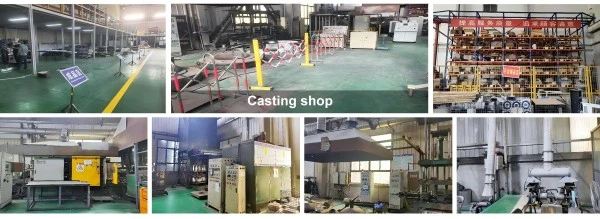
The economics of amortizing tools are reflected in minimum order numbers. When production numbers reach a certain point, where per-piece tooling costs drop to a reasonable level, custom projects that require dedicated mold creation become cost-effective. Professionals in procurement have to weigh the costs of keeping inventory against how often they need to buy it, especially for maintenance parts that serve equipment bases that are already installed. Finished brackets are shipped from places like Xi'an, China, where they are made to end users all over the world in wooden boxes to keep them safe during transport.
Conclusion
Systematic engineering and manufacturing know-how are needed to make unique bracket designs that work. The process starts with a careful study of the needs, then moves on to carefully choosing the materials and making detailed CAD models, and finally ends with tested samples that are ready to be made. Precision casting has a lot of benefits for shapes that are hard to shape and need uniform quality across medium to high production numbers. After casting, steps like CNC cutting and surface treatments make parts that meet strict industry standards. Standard brackets can be used in a lot of situations, but custom solutions work better and last longer in harsh conditions in the medical, aircraft, automobile, and industry fields. Working with skilled manufacturers is the best way to make sure that ideas are turned into solid production parts.
FAQ
What materials work best for custom casting brackets?
The choice of material relies on the needs of the product. Stainless steel 304 is great for medical equipment and marine settings because it doesn't rust and isn't too strong. Aluminum alloys are better for aircraft uses because they are stronger for their weight. For industrial equipment, carbon steel is strong and doesn't cost as much. When manufacturers suggest materials for different uses, they look at things like cost, mechanical qualities, and how the material will react to different temperatures and environments.
How long does custom bracket development typically require?
Development times depend on how complicated the job is. Within 6 to 8 weeks, simple brackets with simple shapes can go from an idea to production models. It can take 12 to 16 weeks to make complex designs that need a lot of research, sample testing, and tooling development. The process goes faster when there is clear recording of the specifications and early input from the manufacturer. Partners with a lot of experience find problems that might come up during the planning phase, so problems that come up later don't cause costly delays.
What minimum quantities justify custom casting tooling investment?
It depends on how complicated the bracket is and how much the tools cost. For orders of more than 500 to 1,000 pieces, simple patterns that don't require a lot of expensive equipment become cost-effective. For complicated shapes that need complex dies, you might need between 2,000 and 5,000 pieces to cover the cost of the tools. Manufacturers offer break-even analyses that weigh the costs of custom casting against other options, such as cutting or manufacturing. Long-term production needs spread the cost of tools out over several years, which makes economics better even for low yearly numbers.
Partner with Rongbao Enterprise for Your Custom Casting Bracket Needs
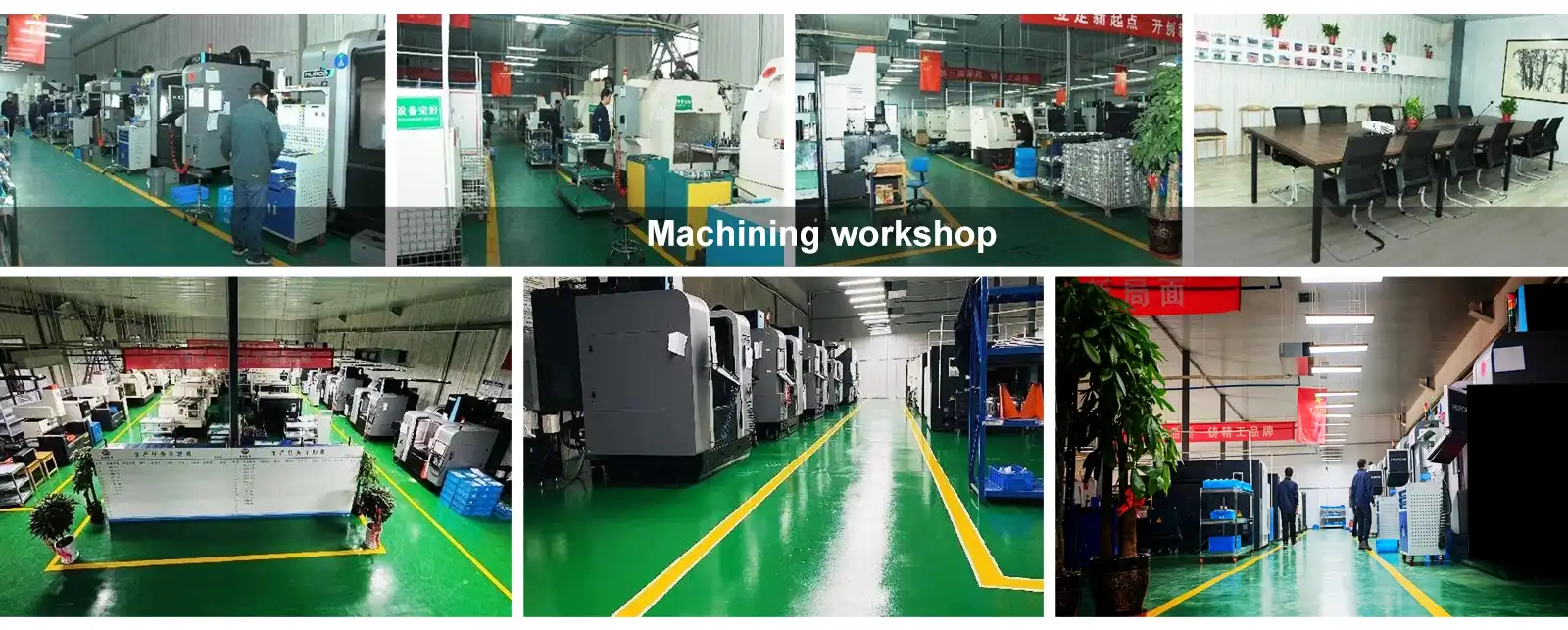
For the automobile, aircraft, industrial equipment, and medical device industries, Rongbao Enterprise makes custom casting brackets for all of these areas. Precision casting and advanced CNC machining are both done at our Xi'an plant, which makes parts from stainless steel 304 and specialty metals that meet exact specs. Our ISO9001:2015, ISO14001, and ISO45001 certifications make sure that the quality of all of our production runs, which can hit 5,000 pieces per month. During the planning process, our engineering team works together to give us information about how to make the parts, which helps us make the best parts at the lowest cost.
70% of what we make goes to markets in Europe, the United States, and Japan. This shows that we are committed to meeting foreign quality standards and delivering on time. We can do everything, from the first CAD modeling to the final review and packing in protective wooden boxes. Our 20 years of experience in the field will help your project succeed, whether you need product fixed brackets for electronic systems or structural parts for big machinery. Get in touch with our team to talk about your needs for custom casting brackets. Steve Zhou can be reached at steve.zhou@263.net or zhouyi@rongbaocasting.com to talk about how our custom casting brackets manufacturer can meet your needs and meet your production schedule.
References
1. Campbell, J. (2015). Complete Casting Handbook: Metal Casting Processes, Metallurgy, Techniques and Design. Butterworth-Heinemann.
2. Kalpakjian, S. & Schmid, S.R. (2014). Manufacturing Engineering and Technology (7th Edition). Pearson Education.
3. ASM International Handbook Committee. (2008). ASM Handbook Volume 15: Casting. ASM International.
4. Beeley, P.R. & Smart, R.F. (1995). Investment Casting. The Institute of Materials.
5. Brown, J.R. (2000). Foseco Non-Ferrous Foundryman's Handbook (11th Edition). Butterworth-Heinemann.
6. Society of Automotive Engineers. (2016). Automotive Engineering Materials and Technologies. SAE International.
Learn about our latest products and discounts through SMS or email