- English
- French
- German
- Portuguese
- Spanish
- Russian
- Japanese
- Korean
- Arabic
- Greek
- German
- Turkish
- Italian
- Danish
- Romanian
- Indonesian
- Czech
- Afrikaans
- Swedish
- Polish
- Basque
- Catalan
- Esperanto
- Hindi
- Lao
- Albanian
- Amharic
- Armenian
- Azerbaijani
- Belarusian
- Bengali
- Bosnian
- Bulgarian
- Cebuano
- Chichewa
- Corsican
- Croatian
- Dutch
- Estonian
- Filipino
- Finnish
- Frisian
- Galician
- Georgian
- Gujarati
- Haitian
- Hausa
- Hawaiian
- Hebrew
- Hmong
- Hungarian
- Icelandic
- Igbo
- Javanese
- Kannada
- Kazakh
- Khmer
- Kurdish
- Kyrgyz
- Latin
- Latvian
- Lithuanian
- Luxembou..
- Macedonian
- Malagasy
- Malay
- Malayalam
- Maltese
- Maori
- Marathi
- Mongolian
- Burmese
- Nepali
- Norwegian
- Pashto
- Persian
- Punjabi
- Serbian
- Sesotho
- Sinhala
- Slovak
- Slovenian
- Somali
- Samoan
- Scots Gaelic
- Shona
- Sindhi
- Sundanese
- Swahili
- Tajik
- Tamil
- Telugu
- Thai
- Ukrainian
- Urdu
- Uzbek
- Vietnamese
- Welsh
- Xhosa
- Yiddish
- Yoruba
- Zulu
Drainage Pipe Types: Stainless Steel Processing Drainage Pipe vs PVC Comparison
You should think about how long the stainless steel processing drainage pipe will last, how well it will resist rust, how much it will cost over its lifetime, and how well it will work for your specific use. It is best to use stainless steel lines in places that are dirty, hot, and need to last a long time. They don't rust easily. For light-duty jobs, PVC lines are better and cheaper. Workers in buying can make sure that the things they pick meet the needs of operations if they know the differences. This makes businesses like those that make cars, airplanes, food, and medical devices run better and get a better return on their investments.
Understanding Stainless Steel Processing Drainage Pipes
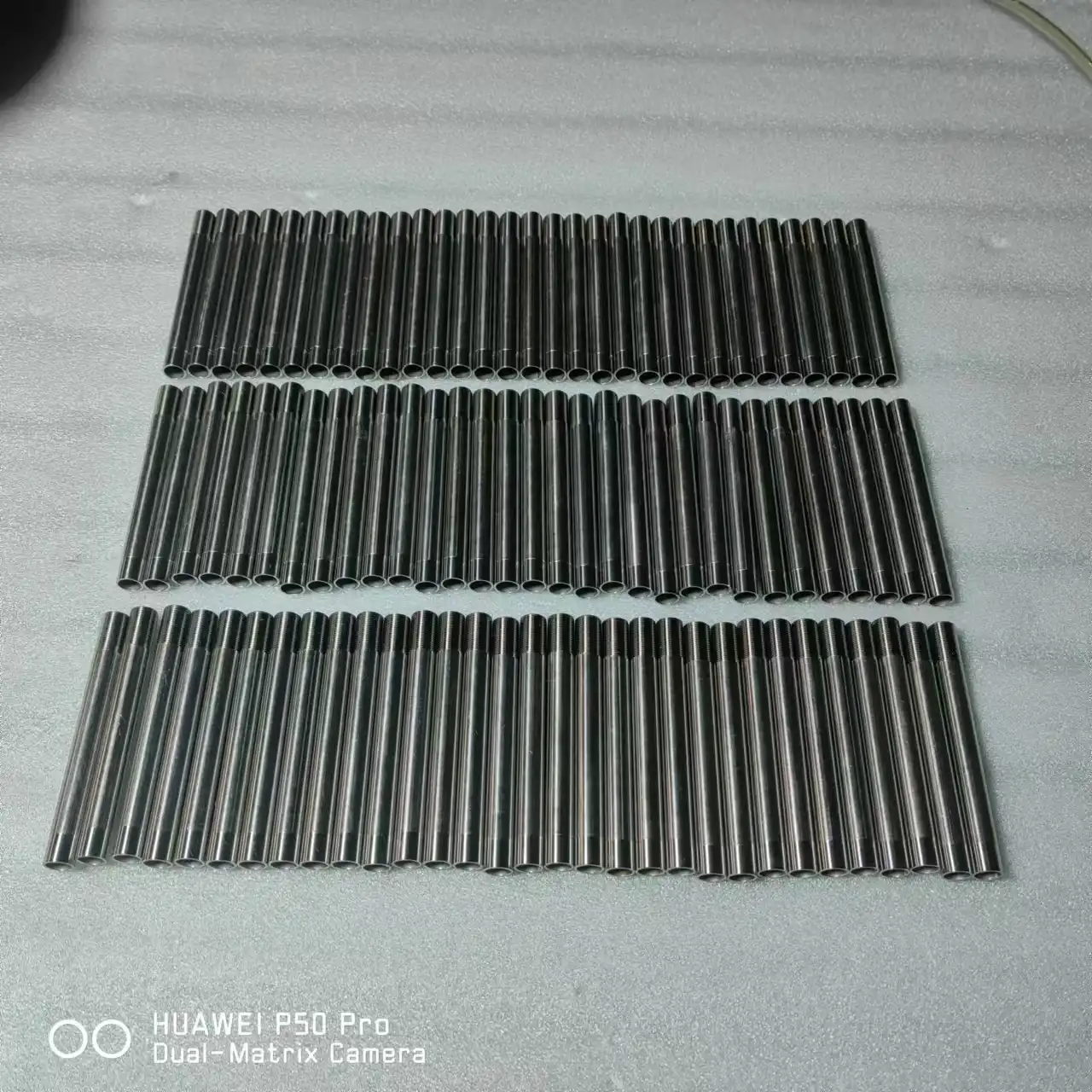
Stainless steel processing drainage pipes are the best for industrial pipes because they are designed to function in environments where a broken part would have a significant impact. In manufacturing, high-tech methods like CNC cutting, precision forming, and controlled heat treatment are used to get exact specs and better material properties.
Material Grades and Properties
The type of steel most often used for industrial pipes is grade 304 stainless steel. Chrome makes up about 18% of this austenitic steel, and nickel makes up 8%. They make an oxide layer on top of the steel that keeps it from rusting when water, weak acids, and most organic substances come in contact with it. At temperatures between -870°C and -196°C, the material doesn't lose its shape. In other words, it can be used to clean hospital buildings and in car thermal management systems. For grade 316 stainless steel, molybdenum (2–3%) is added. This makes it much more resistant to chlorides and other harsh chemicals that are used in hydraulic systems for airplanes and in medicinal processes.
Manufacturing Excellence Through CNC Precision
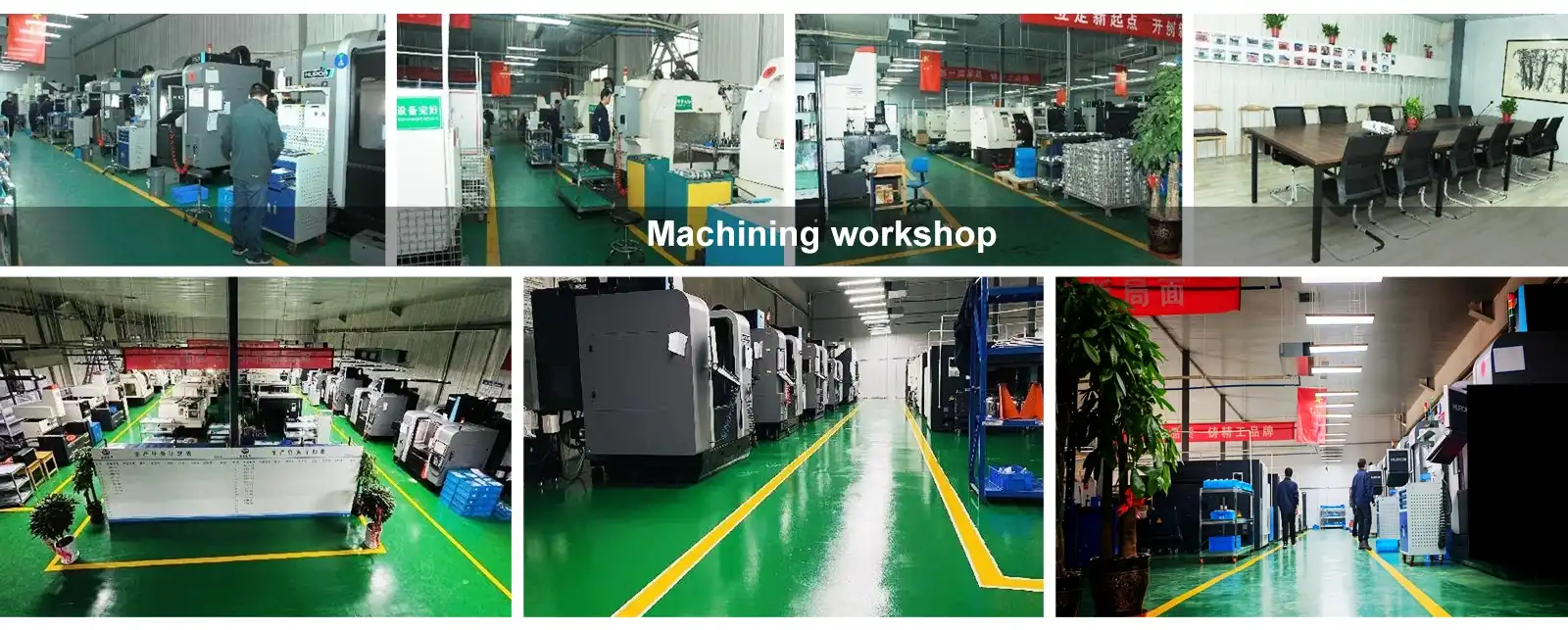
These days, computer numerical control technology is used to make stainless steel pipes with limits of only ±0.05mm. This is very important for uses that need parts that fit perfectly and don't leak. Stainless steel processing drainage pipe sizes, wall thicknesses, and connection holes can all be changed with CNC machining to suit the job. The material's chemistry make-up is checked as the first step in the production process. After this, the part is shaped, welded (if necessary), given a finish, and the quality is carefully checked. Parts for dishes generally weigh about 0.2 kg and are made to work well without spending too much time or money. ISO9001:2015, ISO14001, and ISO45001 quality control systems make sure that production standards are met and that goods can be tracked all the way through the chain of production.
Performance in Demanding Environments
Drainage lines made of stainless steel are great for places that need to stay clean, resist chemicals, and be strong. The material's smooth surface is good for places that prepare food because it stops germs from spreading and makes it easier to clean. Automakers use stainless steel in thermal management systems because the water temperature changes a lot and there is a chance of leaks. Only stainless steel can be used in medical equipment because it doesn't harm living things and can be sterilized. Recycling the stuff is good for the world because stainless steel doesn't change in any way after being returned many times.
Overview of PVC Drainage Pipes
A lot of people buy polyvinyl chloride drainage lines because they are cheap, simple to set up, and good enough for most uses. Vinyl chloride molecules are grouped together to make PVC. Then, they are pushed through a die to make pipes with regular sizes.
A lot of different chemicals can't damage PVC. It can handle weak acids, alkalis, and salt solutions that are common in home and small business sinks. It is easy to move and put in place because the material is light. This saves money on workers and time on the job. Most of the time, all that is needed to fix something is solvent cement or mechanical connections. In other words, you don't need any special tools or people who know how to weld.
A big problem is being sensitive to temperature. PVC isn't useful in places where temperatures change quickly or are high because it's hard below 0°C and soft above 60°C. UV light changes the color of weak PVC and makes it break down over time if it is not covered. But stainless steel processing drainage pipe is better when it comes to strong oxidizers, organic solvents, and aromatic oils that are used in industrial processes. PVC is fine for simple draining jobs.
Stainless Steel vs PVC Drainage Pipes – A Comparative Analysis
As you can see, each material has its own perks when it comes to performance. This information helps you make the right choice based on your practical needs.
Durability and Service Life
Most stainless steel processing drainage pipe systems in factories last between 30 and 50 years, which is a lot longer than the buildings they serve. It isn't easy to hit or press on the material, and it doesn't change much when heated and iced many times. The defense against corrosion stays the same for as long as the pipe lasts, unlike some other materials that lose their usefulness over time.
Corrosion and Chemical Resistance
PVC will last between 15 and 25 years if everything goes well. It does break down more quickly, though, when UV light, high temperatures, or chemicals that don't work well with it hit it. It gets less resistant to impact over time, which means it's more likely to be broken by mechanical forces when the equipment is being fixed or changed.
Chrome-rich oxides on stainless steel make it very immune to reactive rusting. This means that rust doesn't form even where there is a lot of water. This quality is very important for frame and body parts of cars that are subject to water, road salt, and temperature changes. When working with chemicals, stainless steel is useful because it doesn't mix with many common chemicals. This keeps the system clean and stops things that have been handled from getting dirty.
The weak acids, alkalis, and water don't do much damage to PVC. However, some esters, chlorinated solvents, fragrant chemicals, and ketones can break it down or make it swell up. When you look at chemical compatibility charts, be very careful. Small changes in temperature or chemical strength can have a big impact on how well PVC works.
Economic Considerations
When you first buy them, PVC sewage systems cost three to five times less than stainless steel ones. PVC is still cheaper to install because it is easier to join and doesn't take as much skill. But the total cost of ownership study paints a different picture.
This is because stainless steel processing drainage pipe lasts longer, needs less maintenance, and doesn't need to be changed as often. This means that buildings that will be used for many decades will often have lower total costs. When sewage systems break down, it can cost a lot more to shut down without planning to than just the difference in the cost of materials. This is especially true in factories, where stopping work can have an impact on a lot of different parts of the supply chain. Companies that make cars that follow IATF16949 standards and aim for more than 98% on-time delivery rates can't stand it when infrastructure issues slow down production.
Environmental and Sustainability Factors
Recycling stainless steel doesn't change its qualities, which is in line with the idea of a circle economy and the goals of businesses that want to be environmentally friendly. Scrap stainless steel is still worth a lot, so getting rid of it doesn't cost as much. It's getting easier to make things, and a lot of mills use things that have already been used.
It's theoretically hard to get PVC back because of chemicals, plasticizers, and contamination. Even though there are programs to recycle PVC, it doesn't normally get used to make pipes again. It's used for other, less important things instead. When PVC is burned, the chlorine-containing waste needs to be handled carefully so as not to pollute.
Conclusion
It's important to make smart decisions about the materials used in drainage systems because they will have long-lasting effects on operations and funds. Stainless steel processing drainage pipes provide unrivaled durability, chemical resistance, and reliability for demanding industry uses in the automotive, aircraft, medical device, and precision equipment production sectors. Even though stainless steel initially costs more than choices like PVC, lifecycle value analysis always supports it for buildings that prioritize efficiency, longevity, and operational continuity. PVC is good when there isn't much demand and people want to save money, but stainless steel is better when things get tough. Business people who buy things should think about how much it will cost them in the long run, check that the material's properties fit what they need, and only work with qualified manufacturers who offer high-quality methods and the option to make goods to order.
FAQ
Which material offers better long-term durability for industrial drainage applications?
In factories, stainless steel processing drainage pipes last a lot longer than ones made of PVC. PVC lines, on the other hand, only last 15 to 25 years in perfect conditions. They can last 30 to 50 years. It's possible for stainless steels like 304 to keep their rust resistance and power even after being used for a long time. But PVC will break down over time because of UV light, temperature changes, and chemical processes.
How do lifecycle costs compare between stainless steel and PVC drainage systems?
Buildings that will be used for a long time should probably be made of stainless steel, even though it costs more at first. The difference in price at first was balanced out by less maintenance, fewer repair rounds, and cheaper downtime because of system failures. PVC is a good choice for short-term setups or uses that don't need a lot of performance because it doesn't cost as much to buy.
What certification should I verify when sourcing stainless steel drainage components?
Suppliers who are qualified keep their ISO9001:2015 quality control certificates up to date. They are also certified for safety (ISO14001) and the environment (ISO45001), which shows that they operate under strict rules. Material test results that show what chemicals are in a material and how strong it is show that it meets the grade standards. IATF16949 approval is a must when buying things for uses in making cars that need strict quality control.
Partner with a Trusted Stainless Steel Processing Drainage Pipe Manufacturer
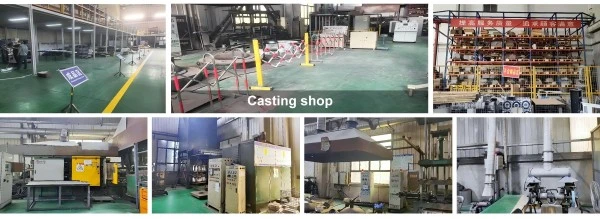
Updating the drainage system in your building takes knowledge, good products, and reliable production skills. Precision engineering has been done by Rongbao Enterprise for 20 years. They work with companies in the aircraft, medical device, industrial equipment, and car businesses. We can do the whole production process, from CNC cutting and surface treatment to quality checking at the end, so you can be sure that the parts we make are up to code.
There are ISO9001:2015, ISO14001, and ISO45001 certifications for our factories in Xi'an, China. This shows that we care about quality, the environment, and worker safety. We are pros at making unique stainless steel processing drainage pipes out of stainless steel 304 for kitchenware and business uses. Any big job is possible for us to produce. Whether you need standard parts or fully customized designs, our engineering team works with you from the time you have an idea until the product is delivered. They do this to make sure you get the best performance and value.
Talk to our professional team right away about your specific wants. You can email Steve Zhou at steve.zhou@263.net or zhouyi@rongbaocasting.com to get full technical information, individual prices, and expert help on how to pick the best drainage options for your business. People all over the world trust us to give them the quality, reliability, and service they need for their projects when they need stainless steel processing drainage pipes.
References
- Davis, J.R. (2020). Stainless Steels: Properties and Selection. ASM International Handbook Committee, Materials Park, Ohio.
- American Society for Testing and Materials (2019). ASTM A312/A312M Standard Specification for Seamless, Welded, and Heavily Cold Worked Austenitic Stainless Steel Pipes. West Conshohocken, Pennsylvania.
- European Committee for Standardization (2021). EN 10088-2: Stainless Steels - Technical Delivery Conditions for Sheet/Plate and Strip of Corrosion Resisting Steels. Brussels, Belgium.
- International Organization for Standardization (2018). ISO 1452: Plastics Piping Systems for Water Supply - Unplasticized Poly(vinyl chloride). Geneva, Switzerland.
- Marshall, P. (2019). Austenitic Stainless Steels: Microstructure and Mechanical Properties. Elsevier Applied Science Publishers, London.
- National Association of Corrosion Engineers (2022). Corrosion Resistance of Stainless Steels in Industrial Environments. NACE International Publication, Houston, Texas.
Learn about our latest products and discounts through SMS or email