- English
- French
- German
- Portuguese
- Spanish
- Russian
- Japanese
- Korean
- Arabic
- Greek
- German
- Turkish
- Italian
- Danish
- Romanian
- Indonesian
- Czech
- Afrikaans
- Swedish
- Polish
- Basque
- Catalan
- Esperanto
- Hindi
- Lao
- Albanian
- Amharic
- Armenian
- Azerbaijani
- Belarusian
- Bengali
- Bosnian
- Bulgarian
- Cebuano
- Chichewa
- Corsican
- Croatian
- Dutch
- Estonian
- Filipino
- Finnish
- Frisian
- Galician
- Georgian
- Gujarati
- Haitian
- Hausa
- Hawaiian
- Hebrew
- Hmong
- Hungarian
- Icelandic
- Igbo
- Javanese
- Kannada
- Kazakh
- Khmer
- Kurdish
- Kyrgyz
- Latin
- Latvian
- Lithuanian
- Luxembou..
- Macedonian
- Malagasy
- Malay
- Malayalam
- Maltese
- Maori
- Marathi
- Mongolian
- Burmese
- Nepali
- Norwegian
- Pashto
- Persian
- Punjabi
- Serbian
- Sesotho
- Sinhala
- Slovak
- Slovenian
- Somali
- Samoan
- Scots Gaelic
- Shona
- Sindhi
- Sundanese
- Swahili
- Tajik
- Tamil
- Telugu
- Thai
- Ukrainian
- Urdu
- Uzbek
- Vietnamese
- Welsh
- Xhosa
- Yiddish
- Yoruba
- Zulu
Choosing the Right Drainage Pipe: Key Factors Explained
Picking the correct drainage pipe can impact how dependable a system is, how much it costs to keep up, and how well it works in different business settings. When you look at your options, stainless steel processing drainage pipe stands out as the best choice. That's why it's made for places that need to be strong, clean, and not rust. If engineers and buying managers know about the qualities of materials, performance goals, and best ways to buy them, they can make decisions that meet the needs of the project, increase long-term value, and lower total ownership costs.
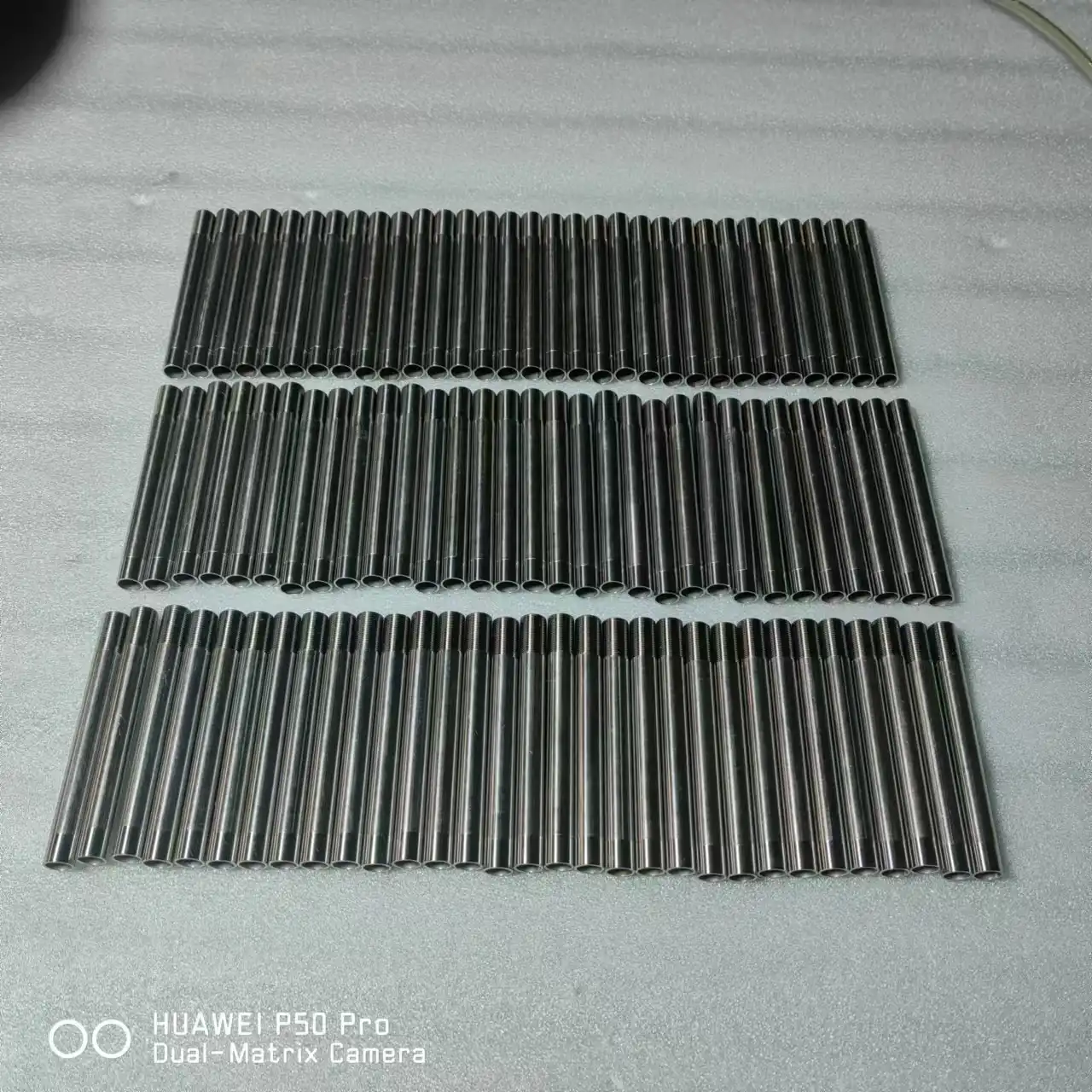
Stainless Steel Drainage Pipes: Composition and Benefits
What Makes Stainless Steel Processing Drainage Pipe Unique
Metals that have been carefully picked are turned into high-performance pipe solutions that are used to make stainless steel sewage systems. This is done with precision engineering. The first step in making something is to check the raw materials. The chemical makeup test checks to see if the right amounts of chromium, nickel, and other elements are present. Then, modern CNC cutting techniques are used to make these materials just the way they're needed. This makes sure that the quality and size are always the same. By being very careful in this way, drainage parts are made that meet strict industry standards and work well in harsh condition.
Core Advantages of Stainless Steel Materials
Because of how it's made, stainless steel has real perks that save money right away. The best thing about it is that it doesn't rust, which is very important when there is acidic waste, chemical contact, or a lot of water. Because of this strength, stainless steel processing drainage pipe lasts a lot longer than with other materials. This means that it doesn't need to be changed as often, and there is less downtime. You don't have to clean stainless steel as often because its smooth surface doesn't let dirt and germs grow on it. It is very important to do this in places that make drugs, medical gadgets, or food.
It's getting more and more important to think about the environment when picking products. It is very simple to recover stainless steel, and the material doesn't change when it is used over and over again. Businesses want to be environmentally friendly, and this trait helps them meet the high standards for LEED approval and environmental compliance that many factories now put a lot of weight on.
Stainless Steel Grade Selection: 304 versus 316
When you know the changes between grades, you can choose the right material for the job. For most drainage jobs, grade 304 stainless steel works well because it has the right performance properties. It is easy to form, weld, and doesn't rust because it has an austenitic structure, and the price is fair. This grade works best for home appliances, tools used to make food, and normal industrial drainage systems where chloride exposure is low to moderate.
Grade 316 has molybdenum added to it, which makes it less likely to rust in pits and cracks. People should be careful in places with a lot of salt, like chemical companies or places close to the coast. Even though they cost more at first, 316-grade parts last longer and cost less in tough environments where 304-grade parts would break down too quickly. A hiring worker should look at the site's chemical exposure patterns and temperature ranges to figure out which types to use. This will help them find the best balance between upfront costs and long-term performance.

Key Decision Factors for Selecting the Right Drainage Pipe
Evaluating Total Cost of Ownership
A full financial study looks at more than just the price of the item being bought. Not only does it look at the costs of replacement, but it also looks at things like startup costs, maintenance needs, and the costs of business loss. Stainless steel processing drainage pipes cost two to three times as much as plastic ones at first, but they last fifty years or more and need less maintenance. They don't need to be changed as often because they last so long. This saves money on materials, labor, and work stops that add up over many years of use.
Installing things wrong can mess up project budgets and plans. People who are trained in their trade must know how to use welding, mechanical joints, and other specialized tools to properly join stainless steel parts. These systems are more reliable than plastic ones because they are made of strong links. If they aren't installed correctly, plastic systems can leak, but these systems don't have that risk because they are installed correctly. Long-term service calls and emergency repairs that slow down operations and raise upkeep costs can be avoided by using the right installation methods and long-lasting materials.
Environmental Factors Influencing Material Selection
For long-term success and to choose the right grade, it's important to look at the working setting. This is a list of all the chemicals that come in contact with drainage surfaces, such as cleaning products, process chemicals, and parts of the trash stream. When setting temperature ranges, you need to think about both what should happen and what could go wrong. The amount of corrosion danger that needs to be thought about when specs are being made depends on the humidity in the air, the flow of air, and the chance of water building up.
It's important to keep a close eye on the salt level because too much of it speeds up pitting rust, even in stainless steel. Places that are close to the coast, use cleaners with chlorine, or make trash that has salt in it should use materials that are grade 316 or have tighter maintenance rules. When the temperature changes, it creates thermal stress cycles that test how strong joints are and how long materials last before they wear out. For systems that go through big temperature changes, traits that let them grow and strong joining methods that keep the seals working well even after cycle are helpful.
Dimensional Specifications and System Compatibility
Making sure it's the right size keeps the flow rate just right, without going too fast (which speeds up erosion) or too slowly (which causes backups). When you do hydraulic math, you need to think about things like the slope of the pipe, changes in elevation, and the conditions of high flow. In comparison to harder materials, the smooth inner surface of stainless steel reduces friction losses. For the same flow rate, this means that smaller sizes might be possible. This feature can help make up for higher material costs by making it possible for lines to be smaller and for support needs to be simpler.
If you want to add stainless steel processing drainage pipes to systems that are already in place, you need to make sure that the connections will work. When different metals meet each other, galvanic rusting can happen. To avoid this, you need to use dielectric separation or the right joining methods. Thread standards, ring grades, and connection systems must all match what is already in place to make sure that everything fits well and closes well. When normal parts don't work in a certain place or when putting drainage systems in buildings with little space, knowing how to make custom parts can be helpful.

Why Choose Rongbao Enterprise Stainless Steel Drainage Solutions?
Manufacturing Excellence and Technical Capabilities
Rongbao Enterprise has been making things for twenty years and uses both high-tech tools and trained labor to make drainage parts. There are many skills that our Xi'an plant can do, such as high-pressure die casting, gravity casting, and accurate CNC cutting. With this mixed method, you have full control over the quality of the work and can also make changes to fit the needs of each project. A lot of steps are taken to make sure that parts made of Grade 304 stainless steel are the exact right size, within 0.05 mm of the limits. This is up to the high standards needed for kitchens and factories.
Full-spectrum quality control is built into the way we make things. Checking the raw ingredients is the first step, and checking the finished product is the last. Each part is checked for its size, surface quality, and ability to do its job before it is packed. This all-around way has earned us ISO9001:2015, ISO14001, and ISO45001 certifications. These show that we are committed to quality management, worker safety, and environmental protection. These planned checks make sure that things meet foreign safety standards and help customers meet their own safety needs.
Global Market Experience and Service Commitment
We learn about different rules and application needs when we work with foreign markets. Our stainless steel processing drainage pipes are sold in Europe, the US, and Japan, where about 70% of them are sent. In other words, our team has to meet a lot of different quality standards and application needs. We use this way of seeing the world to guide how we make products, how we measure quality, and how we treat customers. This is how we keep technical records that different certifications need. We also talk to each other quickly so that we can work with people in different time zones and on different project plans.
We provide more than just tools as part of our service attitude. Building long-term relationships and working together to fix problems are also part of it. Customers can pick the best material, get the right size, and solve problems that are specific to their use with the help of technical advice. At a certain point, production can handle both large orders and smaller special batches. This means that a variety of project sizes can be worked on. When parts are shipped abroad, they are kept safe in wooden boxes. This also makes sure that the goods arrive in perfect shape, ready to be put together.
Customization Capabilities and Value Delivery
We know that normal products don't always cover all the needs of an application, so we make sure that everything we do can be changed to fit your needs. OEM/ODM manufacturing services carefully make parts based on what the customer wants. As we start to plan, our tech team works together to come up with ideas that will make the product easier to make while still meeting performance goals. This type of parallel engineering cuts down on development time and speeds up testing processes, which speeds up the time it takes for products to reach the market.
Value delivery includes things like low prices, on-time service, and full expert help. Because we can make many things at once, we can offer our customers low prices. It is important to have good logistics ties so that deliveries happen on time, project plans stay on track, and the costs of having things are kept as low as possible. All of our encounters with customers are based on our commitment to being honest, correct, open to new ideas, and quick. They trust us because we always do our best and listen to what they need.

Conclusion
Finding the right sewer lines means balancing how well they work technically, how much they cost over their lifetime, and how easy they are to buy. Stainless steel processing drainage pipe doesn't rust as easily, lasts longer, and needs less maintenance. This makes up for its higher cost at first over many years of good use. For a project to be successful, the materials must be chosen carefully and fit in with their settings. It is also important that the seller can do their job well. For businesses that have high standards, Rongbao Enterprise provides top-notch goods, customer-focused service, and foreign quality standards to meet their needs and help them reach their long-term goals.
FAQs
How long do stainless steel drainage pipes typically last?
In industrial settings, stainless steel drainage systems that are built right often last more than 50 years. Most of the time, grade 304 parts last this long. But in places with strong chemicals or a lot of chlorine, grade 316 products last even longer. Cast iron (30–40 years), treated steel (15–20 years), and this one (30–40 years). It doesn't need to be changed as often and doesn't cost as much.
What maintenance do stainless steel drainage systems require?
Maintenance-wise, it doesn't need as much care as other materials. When you clean regularly, growth doesn't happen because of the way the trash stream works. Checks that you can see find issues before they become big problems. Because the surface doesn't let germs grow, it's safer to clean. When metals are resistant to corrosion, they don't need to be maintained for rust, which takes a lot of resources.
Can stainless steel drainage components be customized?
It is possible to make changes to the size, the type of material used, and any other features that are needed for each purpose. CNC machines can make complex shapes that have to fit into tight areas or into certain ways of being fixed. Custom specs are useful for a lot of things, like putting together new tools, fixing old ones, and meeting performance goals that aren't met by standard products.
Partner with Rongbao Enterprise for Superior Drainage Solutions
If you want to buy stainless steel processing drainage pipes, Rongbao Enterprise is the only business you need to find. Our factory in Xi'an makes precision-engineered parts that meet very high standards. It is certified by ISO9001:2015, ISO14001, and ISO45001, which proves it. We let you make any changes you want, our big prices are low, and we have quick, helpful expert support that can help you with any issues you're having with your app. We've worked with people from all over the world for 20 years. It's important for your projects that the standard is consistent, the result is reliable, and experts work together. Contact us right away at steve.zhou@263.net or zhouyi@rongbaocasting.com to talk about what you need for a drainage system and get a price quote. Here at our company, we strive for excellence in production and customer satisfaction. Let us show you how this can help your business get the quality and service it needs.
References
- Davis, J.R. (2018). Stainless Steels: Properties and Selection Guidelines. ASM International Materials Engineering Series.
- American Society of Mechanical Engineers (2019). Process Piping Design and Material Selection Standards. ASME Press Technical Standards.
- Thompson, M. & Richards, P. (2020). Industrial Drainage Systems: Engineering and Economic Analysis. McGraw-Hill Professional Engineering.
- International Stainless Steel Forum (2021). Corrosion Resistance and Material Selection for Industrial Applications. ISSF Technical Report Series.
- Mitchell, S.C. (2017). Total Cost of Ownership Analysis for Industrial Piping Systems. Butterworth-Heinemann Industrial Engineering Guides.
- European Committee for Standardization (2022). Stainless Steel Piping Installation and Maintenance Best Practices. CEN Technical Documentation.
Learn about our latest products and discounts through SMS or email