- English
- French
- German
- Portuguese
- Spanish
- Russian
- Japanese
- Korean
- Arabic
- Greek
- German
- Turkish
- Italian
- Danish
- Romanian
- Indonesian
- Czech
- Afrikaans
- Swedish
- Polish
- Basque
- Catalan
- Esperanto
- Hindi
- Lao
- Albanian
- Amharic
- Armenian
- Azerbaijani
- Belarusian
- Bengali
- Bosnian
- Bulgarian
- Cebuano
- Chichewa
- Corsican
- Croatian
- Dutch
- Estonian
- Filipino
- Finnish
- Frisian
- Galician
- Georgian
- Gujarati
- Haitian
- Hausa
- Hawaiian
- Hebrew
- Hmong
- Hungarian
- Icelandic
- Igbo
- Javanese
- Kannada
- Kazakh
- Khmer
- Kurdish
- Kyrgyz
- Latin
- Latvian
- Lithuanian
- Luxembou..
- Macedonian
- Malagasy
- Malay
- Malayalam
- Maltese
- Maori
- Marathi
- Mongolian
- Burmese
- Nepali
- Norwegian
- Pashto
- Persian
- Punjabi
- Serbian
- Sesotho
- Sinhala
- Slovak
- Slovenian
- Somali
- Samoan
- Scots Gaelic
- Shona
- Sindhi
- Sundanese
- Swahili
- Tajik
- Tamil
- Telugu
- Thai
- Ukrainian
- Urdu
- Uzbek
- Vietnamese
- Welsh
- Xhosa
- Yiddish
- Yoruba
- Zulu
How to ensure material and process compatibility when customizing a pull rod joint?
Material and process compatibility on a custom pull rod joint is decided by the load the fitting carries and the environment it sits in, not by whichever grade a supplier keeps on the shelf. A pull rod joint on a high voltage distribution line is a tensile and bending loaded fitting: it carries conductor tension along one axis, it bends under wind and ice load, and it sees a reversing stress every time the conductor moves in a cross wind.
Most of the difficulty in buying one is a gap in the conversation rather than metallurgy. The drawing fixes the shape, the purchase order fixes the piece count, and neither says which process route the load case justifies for a rod joint. This article sets out the two real routes, what each one can be certified to, and where each stops being right.
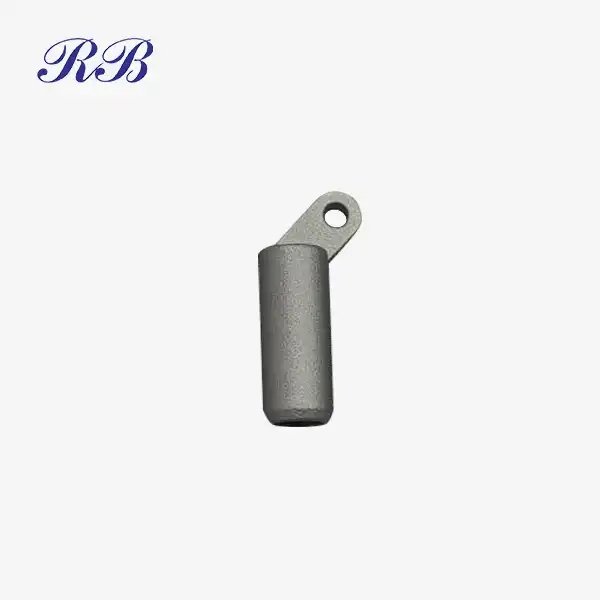
Foundational Role of Material Selection in Pull Rod Joint Longevity
Material selection comes before process selection, because a route can only deliver properties the material can reach. A joint body cast in carbon steel and one machined from hot wrought bar can look identical on a drawing and behave differently at the pin hole, where the stress concentration sits. A pull rod joint specified by shape alone is only half specified.
Reading the load case before choosing a grade
A distribution joint spends its life at a steady tensile load with a smaller reversing component on top of it. Conductor tension pulls along the rod axis, wind and ice add bending across the eye and clevis, and every gust produces a stress cycle at the pin hole fillet. Fatigue, not yield, is the property that usually ends the life of a pull rod joint.
The environment narrows the grade list next. A distribution joint is normally specified with hot dip galvanizing, a coating the drawing imposes rather than a decision the foundry makes. Where the air carries chlorides, a 316L stainless body is the defensible choice, with a minimum tensile of 515 MPa, a minimum yield of 205 MPa and a pitting resistance equivalent above 24. An aluminum pull rod joint body suits an application where weight beats strength, but aluminum touching a galvanized steel pin corrodes at the interface unless a barrier is designed in.
What each specification certifies, and what it does not
ASTM A29/A29M covers hot wrought steel bars, and a pull rod joint machined from that bar keeps the fibrous grain flow of the rolled product, so the properties sit in the load direction and are proved on the part itself. ASTM A27/A27M covers carbon steel castings and calls out a grade as a tensile and yield pair such as 415-205, read as 415 MPa tensile and 205 MPa yield on a test bar. ASTM A958/A958M covers castings with tensile requirements and chemistry similar to a standard wrought grade.
None of those documents makes a casting behave like wrought bar in the direction of the load. A casting certificate reports a test bar poured from the same heat, not a slice of your part. Tension testing follows ASTM E8/E8M and liquid penetrant inspection under ASTM E165/E165M finds surface breaking defects only, so internal shrinkage needs radiography named in the purchase order. A casting is the wrong answer when the load case demands wrought properties in one direction. Four items belong on the drawing before two quotations can be compared:
- The governing standard for the pull rod joint as well as the grade name.
- The tensile values you will accept, and where the test bar comes from.
- The coating and the exposure, with hot dip galvanizing named to a standard.
- The inspection method and its acceptance criteria.
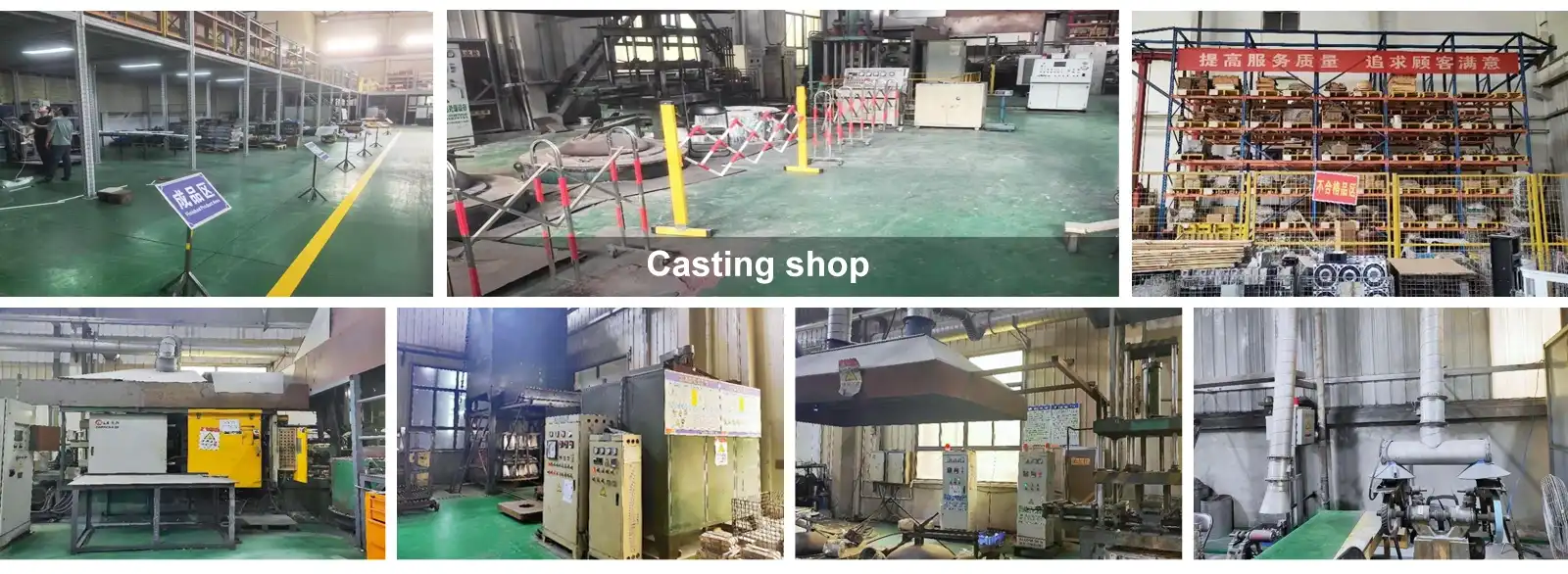
Optimizing Forging and CNC Machining Processes for Superior Pull Rod Joint Performance
The route decision follows the material decision, and the two routes open to a pull rod joint body are not interchangeable in cost or performance. A wrought part is chosen for what grain flow does in the load direction, and a cast part is chosen for what the mould can do with the geometry. The heading above names forging because a drawing may well call for a wrought joint.
Why wrought bar carries the load better along one axis
A pull rod joint is loaded along one dominant axis, where directional material properties help rather than complicate. Hot wrought bar to ASTM A29/A29M carries the fibrous grain flow left by rolling, so a body machined from that bar has grain running with the tensile load instead of across it.
The trade is material yield and machining time, because a part cut from solid bar starts as a blank larger than the finished joint. The wrought route is the better answer when the geometry is simple, the tonnage is modest, and the load case cannot tolerate test bar extrapolation. Rongbao does not operate a forge, so when a load case genuinely requires a wrought part we say so and help specify it.
Where a cast and machined joint body wins
A clevis with an offset eye, an internal rib and a pair of pin bosses is expensive to machine from solid and straightforward to cast. Casting to ASTM A27/A27M or ASTM A958/A958M buys shape freedom: the mould forms the contour, the ribs and the fillets, so machining hours go into the interfaces that matter. Wall thickness follows the load path rather than the bar diameter.
The limits are as real as the benefits. A cast pull rod joint cannot hold the tolerance on a pin bore that a part machined from solid holds on the same feature, so the pin bore, the thread and the mating faces are machined after casting from a machining allowance. Casting is also the wrong answer below the piece count that pays for pattern and tooling.
| Route | Governing specification | Grain structure | Best load case | Where it loses |
|---|---|---|---|---|
| Wrought bar, machined from solid | ASTM A29/A29M | Fibrous, aligned with the load | Steady tension on one axis | Material yield and machining hours |
| Carbon steel casting, interfaces machined | ASTM A27/A27M | Equiaxed, from a separately cast test bar | Complex clevis and eye geometry | Tolerance on the same feature |
| Alloy steel casting, wrought grade chemistry | ASTM A958/A958M | Equiaxed, test bar values only | Designs naming a wrought chemistry | Directional grain flow is not reproducible |
Establishing Trust and Quality Assurance in High Volume Pull Rod Joint Production
High volume changes what trust has to be built on. Per lot, a buyer can require the heat chemistry certificate, a tension test to ASTM E8/E8M on the separately cast test bar, liquid penetrant inspection to ASTM E165/E165M at the pin hole fillet, and a dimensional report against the tolerance block on the drawing. At volume the pattern and tooling cost spreads across the run, and sampling frequency can be written into the purchase order instead of left to the judgement of the foundry.
Treat a certification as a floor, not as a substitute for a load case review. ISO 9001:2015, ISO 14001 and ISO 45001 show process control and say nothing about whether a cast pull rod joint body suits a reversing tensile load. Galvanizing is applied by a specialist coater against the coating standard on the drawing, and a joint is coated after final machining so the thread allowance survives the process. Ask which specification governs the part, and who signs the test report.
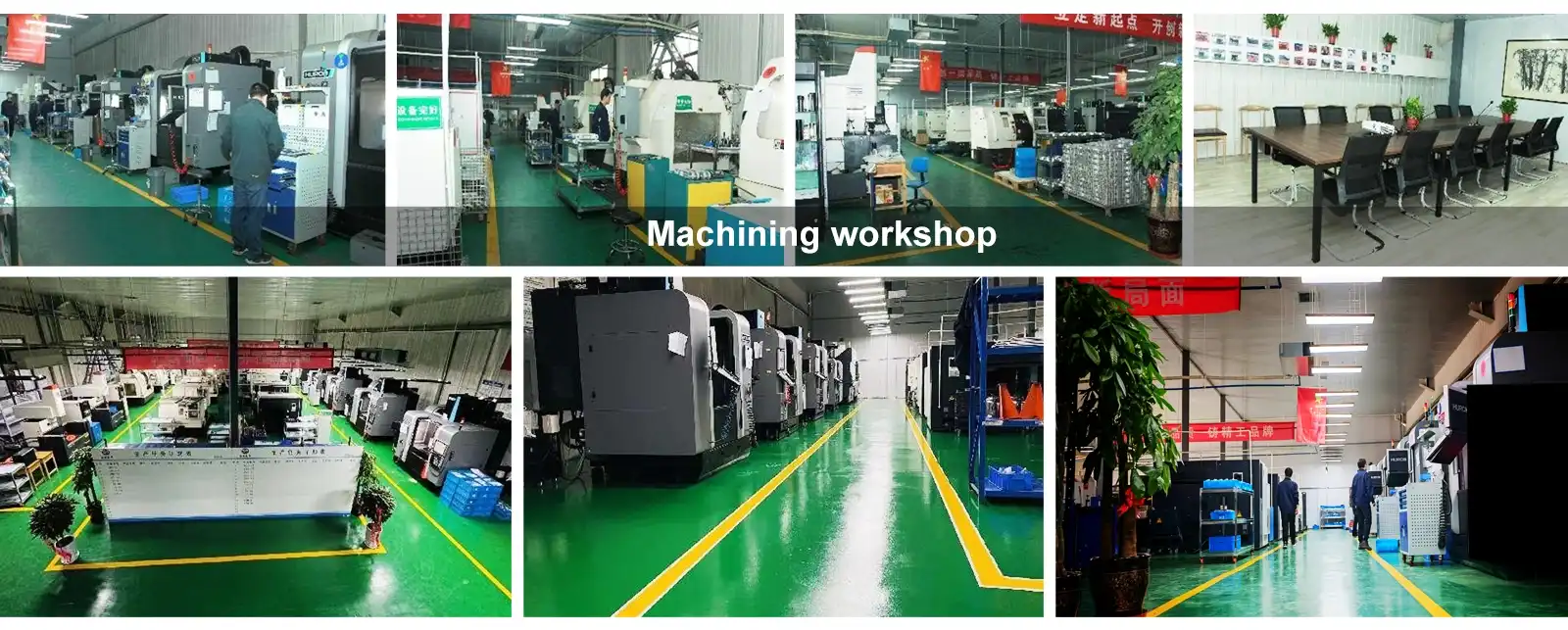
Conclusion
Material and process compatibility for a pull rod joint comes down to three decisions taken in order: the load case and the environment, then the governing standard, then the process route able to deliver that standard. Tension and bending along one axis point to hot wrought bar to ASTM A29/A29M. A complex clevis or eye points to a casting to ASTM A27/A27M or ASTM A958/A958M with the interfaces machined afterwards.
A pull rod joint that fails in service usually fails at the pin hole rather than in the middle of the shank, because that is where the stress concentration and the fatigue cycle meet. Sizing the part for yield and then ignoring the coating, the fillet radius or the test bar values is how that failure is designed in. The supplier worth emailing is the one that names where its process stops.
FAQs
Which standard belongs on the drawing for a cast joint body?
ASTM A27/A27M covers carbon steel castings and calls out a grade as a tensile and yield pair such as 415-205. Specify ASTM A958/A958M instead when the design needs chemistry similar to a standard wrought grade. ASTM A29/A29M governs hot wrought bar only, so it cannot govern a casting.
Can a steel casting be certified to the same tensile values as wrought bar?
Chemistry can come close, because ASTM A958/A958M is written for castings with chemical requirements similar to standard wrought grades. The tensile values still come from a separately cast test bar poured with the heat, and that bar reports its own property rather than a slice of your part. Directional grain flow from rolling cannot be reproduced by solidification.
How do I check a pull rod joint for cracks before it ships?
Liquid penetrant testing to ASTM E165/E165M is the right method for surface breaking defects, and it is normally applied at the pin hole fillet and the thread root where cracks begin. It cannot see internal shrinkage or porosity. If internal soundness matters, name a radiographic method and an acceptance level in the purchase order.
When should a buyer reject the cast route for a pull rod joint?
Reject it when the load case demands wrought properties in the load direction, when the piece count sits below the tooling break even for the pattern, or when the drawing names a wrought product specification that no foundry can certify. In each case the correct answer is a different route rather than a different quotation.
Pull Rod Joint Supplier: Rongbao Enterprise
Rongbao Enterprise has cast and machined pull rod joint bodies, clevises and eye fittings in Xi'an since 2003. Our site on Fengwu East Road covers more than 6,000 square meters and runs high pressure die casting, low pressure die casting, gravity casting, precision CNC machining and shot blasting. We hold ISO 9001:2015, ISO 14001 and ISO 45001, and about 70 percent of output ships to the United States, Europe and Japan.
Send the drawing or 3D model, the annual volume and the service environment, and we will return a manufacturability review, a material and process recommendation, and a written quotation. We cast and machine; we do not forge. When a load case genuinely requires a wrought part, we will say so and help you specify it rather than quote a cast body into a job it cannot carry. Email zhouyi@rongbaocasting.com or steve.zhou@263.net with your drawing and your annual volume.
References
- ASTM International. ASTM A29/A29M-20, Standard Specification for General Requirements for Steel Bars, Carbon and Alloy, Hot Wrought. ASTM International, 2020.
- ASTM International. ASTM A27/A27M-20, Standard Specification for Steel Castings, Carbon, for General Application. ASTM International, 2020.
- ASTM International. ASTM A958/A958M-17, Standard Specification for Steel Castings, Carbon and Alloy, with Tensile Requirements, Chemical Requirements Similar to Standard Wrought Grades. ASTM International, 2017.
- ASTM International. ASTM E8/E8M-22, Standard Test Methods for Tension Testing of Metallic Materials. ASTM International, 2022.
- ASTM International. ASTM E165/E165M-23, Standard Practice for Liquid Penetrant Testing for General Industry. ASTM International, 2023.
- ASM International. ASM Handbook, Volume 1: Properties and Selection: Irons, Steels, and High Performance Alloys. ASM International, 1990. ISBN 978-0-87170-377-4
Learn about our latest products and discounts through SMS or email