- English
- French
- German
- Portuguese
- Spanish
- Russian
- Japanese
- Korean
- Arabic
- Greek
- German
- Turkish
- Italian
- Danish
- Romanian
- Indonesian
- Czech
- Afrikaans
- Swedish
- Polish
- Basque
- Catalan
- Esperanto
- Hindi
- Lao
- Albanian
- Amharic
- Armenian
- Azerbaijani
- Belarusian
- Bengali
- Bosnian
- Bulgarian
- Cebuano
- Chichewa
- Corsican
- Croatian
- Dutch
- Estonian
- Filipino
- Finnish
- Frisian
- Galician
- Georgian
- Gujarati
- Haitian
- Hausa
- Hawaiian
- Hebrew
- Hmong
- Hungarian
- Icelandic
- Igbo
- Javanese
- Kannada
- Kazakh
- Khmer
- Kurdish
- Kyrgyz
- Latin
- Latvian
- Lithuanian
- Luxembou..
- Macedonian
- Malagasy
- Malay
- Malayalam
- Maltese
- Maori
- Marathi
- Mongolian
- Burmese
- Nepali
- Norwegian
- Pashto
- Persian
- Punjabi
- Serbian
- Sesotho
- Sinhala
- Slovak
- Slovenian
- Somali
- Samoan
- Scots Gaelic
- Shona
- Sindhi
- Sundanese
- Swahili
- Tajik
- Tamil
- Telugu
- Thai
- Ukrainian
- Urdu
- Uzbek
- Vietnamese
- Welsh
- Xhosa
- Yiddish
- Yoruba
- Zulu
How to clean valve body solenoids?
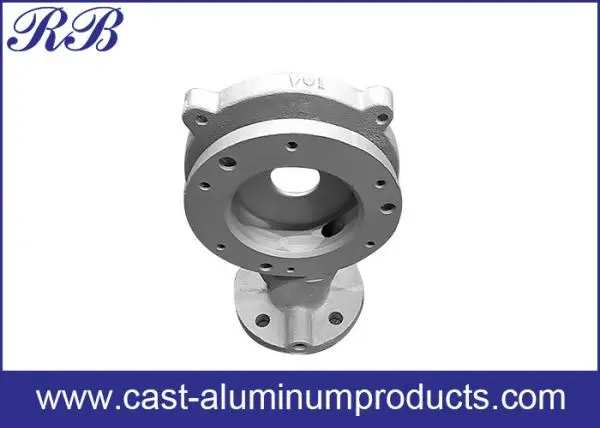
Cleaning valve body solenoids starts with understanding what you are working with. A solenoid sits inside a valve body casting, the structural housing that directs fluid flow under pressure. To clean it properly, shut off power, depressurize the system, remove the solenoid carefully, and flush contaminants using an appropriate solvent matched to the housing material. For aluminum castings like A356 alloy, avoid aggressive acids. Rinse thoroughly, dry completely, inspect the plunger and coil for residue, then reassemble and test. The quality of the valve body itself determines how often this process is necessary.
Valve Body Solenoids and Role in Valve Systems
Solenoids are electrically driven mechanical parts. When they are turned on, they make a magnetic field that moves a plunger, which opens or closes a fluid path inside the valve body casting. Even though that interaction seems simple, the whole sequence depends on the material and accuracy of the measurements of the housing around it.
Maintenance conditions are different for castings made of different materials. In water-based systems, ductile iron valve body castings don't rust very easily. On the other hand, fire pump connectors and portable parts need to be light, and A356 castings, which have a tensile strength of about 228 MPa after T6 heat treatment, are perfect for this. Cast steel can handle shock loads with a lot of force. Different materials have different effects on how dirt and other things get into the bore, how heat escapes from the coil, and how hard you can clean without hurting the seating surfaces.
When procurement teams understand these important connections, they can make better decisions about where to get materials. If you buy an aluminum valve body casting from a certified supplier with tight dimensional tolerances, the internal gap variation is lessened. This directly lowers the risk of particles getting stuck around the solenoid plunger.
Common Problems and Causes of Valve Body Solenoid Contamination
The main reason why solenoid failures happen in industrial valve systems is contamination. A 2019 study in the Journal of Fluid Control and Automation found that over 60% of solenoid valve failures were caused by particles getting in through valve body castings that weren't sealed properly or were the wrong size.
Manufacturing Defects That Invite Contamination
In this case, porosity is the worst kind of casting flaw. Small holes made by caught gas or shrinking during solidification act like containers for fluid residue, scale, and particles to gather. Over time, that dirt moves toward the plunger of the solenoid, which makes friction and reaction time longer. Cracks near threaded ports or along splitting lines are both bad because they let water in and cause rust on both the plunger and the coil winding.
Environmental and Operational Factors
In addition to the quality of the casting, the operating fluid itself makes fouling worse. Calcium carbonate is left behind on internal surfaces by hard water. At high temperatures, hydraulic oils break down into varnish. Where plugs for fire pumps often sit idle between uses, fluid that doesn't move speeds up the buildup of minerals. In outdoor or building sites, the problem is made worse by dust and humidity in the air.
These ways of getting contamination make one thing clearer: the cleaner and denser the microstructure of the valve body casting is when it is made, the less upkeep the end user has to do.
Step-by-Step Guide: How to Clean Valve Body Solenoids Effectively
Cleaning your valve properly saves your investment and increases the time between service visits. The steps are a little different based on the type of housing, but the basic order stays the same.
Get insulated gloves, a torque wrench, soft-bristle brushes, lint-free cloths, an ultrasonic cleaner (optional but very useful), a solvent allowed by the maker, and a measured pressure gage for checking after cleaning.
Here is the whole process of cleaning:
- Isolate and depressurize. Separate and lower the pressure. Turn off the power to the solenoid coil, close the isolation valves upstream, and let the pressure drop. Use a gage to make sure there is no pressure before taking anything apart.
- Remove the solenoid assembly. Take the solenoid piece off. Take off the coil holding nut, lift the coil out of the way, and then take out the plunger tube and plunger. Arrange the parts on a clean mat.
- Flush the valve body bore. Clean out the valve body hole. Bring in a solvent that is right for your housing metal. For iron, use mineral spirits, and for aluminum, use a light alkaline cleaner. Three to five times, until the waste water runs clear. An ultrasonic bath at 40°C for ten minutes can get rid of tough varnish buildup without scratching the surface.
- Clean the plunger and coil housing. Clean the case for the coil and the plunger. Use a cloth that doesn't have lint to wipe it down. Do not put the coil wound in water. Only clean the face of the coil with a wet swab.
- Inspect before reassembly. Check before putting it back together. Compare the width of the plunger to the manufacturer's instructions. Any wear that is more than 0.05 mm on aluminum-cased units needs to be replaced.
- Reassemble and pressure-test. Assemble again and test the pressure. To make sure there is no leakage at rated pressure, slowly increase the system pressure and tighten the retaining nut to the specified level.
Once the valve body casting has been cleaned, ISO-aligned hydraulic testing shows that the casting's integrity has not been affected during maintenance.
Comparing Valve Body Casting Types and Their Influence on Solenoid Maintenance
The internal surface quality of solenoids is different depending on the valve body casting process. This affects how often they need to be cleaned.
Investment casting makes parts that are almost net-shaped and have surfaces that are as smooth as Ra 1.6 µm. The smooth tube surface is better at keeping particles from sticking than sand casting, which usually gets Ra values between 6.3 and 12.5 µm. Gravity casting in A356 aluminum makes fire pump connector housings that have a better surface finish than sand casting, lower tooling costs than investment casting, and great corrosion resistance in water-contact applications.
Casting vs. Forging for Valve Bodies
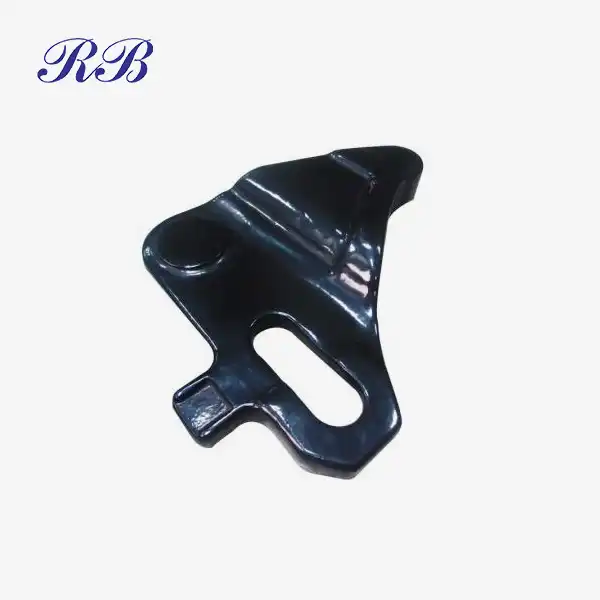
Forged valve body castings have better grain alignment and wear resistance, but they can't have a lot of complicated shapes. Casting lets designers combine mounting bosses, internal channels, and porting features into a single part, which cuts down on the number of joints where dirt and other things can get in. For making a lot of fire pumps, casting is still the best way to go.
Material Selection and Cleaning Frequency
In normal use, aluminum alloy bodies need to be cleaned every 6 to 12 months. For ductile iron bodies, cleaning can be done every 18 to 24 months if they are used in clean water. In real life, this means that procurement teams should choose a higher-grade aluminum alloy with a shot-blasted exterior and CNC-machined interior bores. This will cut down on the number of cleanings needed and the cost of work for each service event.
Selecting Reliable Valve Body Casting Suppliers for Optimal Solenoid Performance
Finding a reliable valve body casting maker is just as important as the cleaning process itself. Every repair attempt after a poorly cast housing is ruined.
When judging providers, focus on three factors that can't be changed. The supplier must have ISO 9001:2015, ISO 14001, and ISO 45001 certifications. These three systems together prove good quality management, care for the environment, and safety at work, which are all important in the supply chains for fire safety equipment. X-ray or dye-penetrant inspection records must show that the provider has an internal defect rate of less than 2% across all batches of output. Reliability in delivery must be shown, not just said.
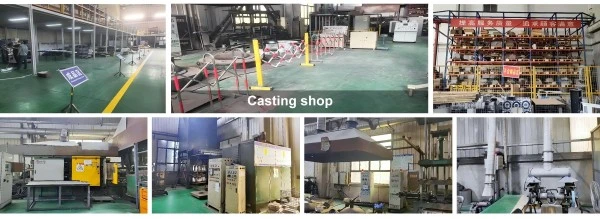
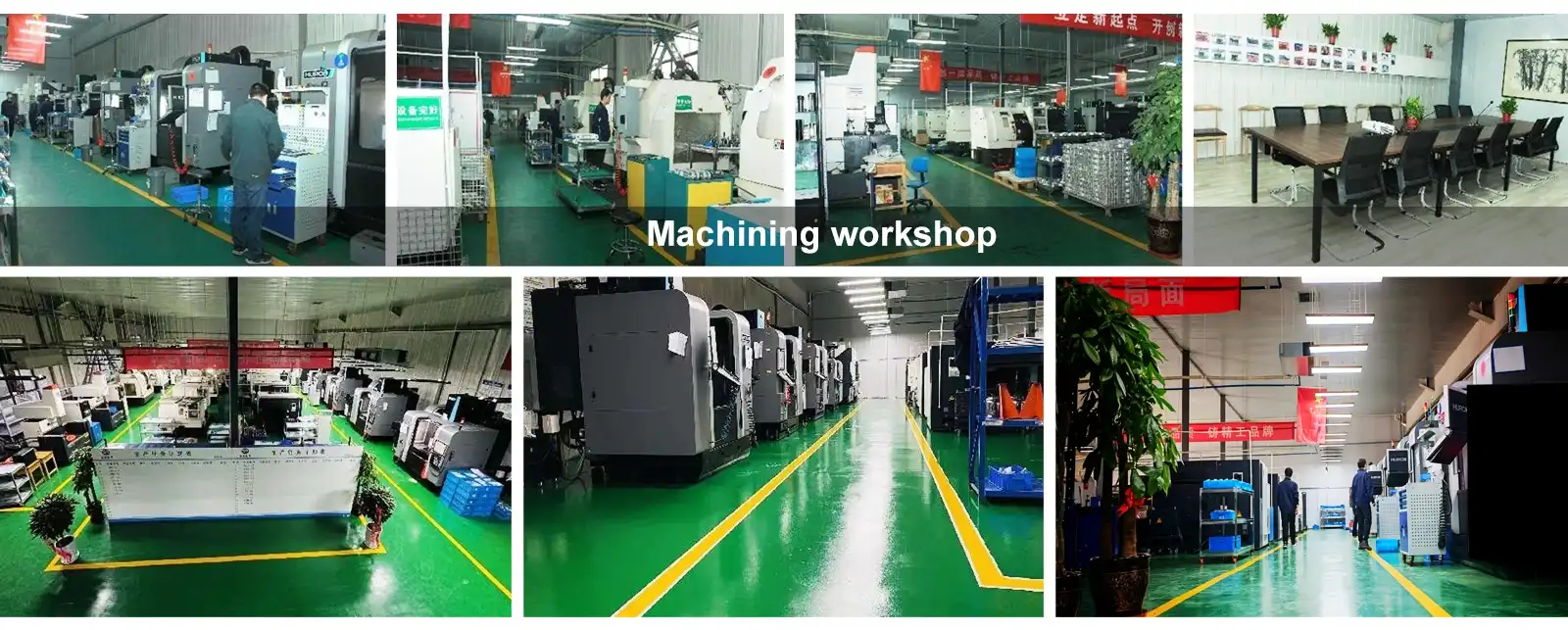
When it comes to operations, things to think about are consistent lead times, OEM/ODM flexibility, and whether the supplier can do CNC machining and surface treatment in-house. Hiring subcontractors to do those steps adds measurement variation and schedule risk, which directly raise the cost of solenoid repair.
Conclusion
It is easy to clean valve body solenoids if the case they are in was valve body casting and made to the right specifications. Castings that are dimensionally stable and don't have any holes in them make it easier to maintain and allow for longer service times. How much upkeep your production team has to do in the future depends on the choices you make when you're getting the materials—the grade, the casting process, and the certification of the supplier. Buying good casting parts isn't an extra cost; it's a plan built into the supply chain from the start to cut down on upkeep costs.
FAQ
How often should valve body solenoids be cleaned?
How often you clean it depends on the type of fluid and the material of the housing. Most fire pumps need to have their aluminum metal valve body castings serviced every 6 to 12 months. In clean water systems, ductile iron bodies can last for 18 to 24 months. All gaps are shortened in places with high particulate matter or hard water.
Can improper cleaning damage the valve body casting?
Yes. Using acidic cleaners on aluminum molds scratches the bore surface, making it rougher and making contamination happen faster in the future. Abrasive tools damage the structure of the leak by scratching the sitting surfaces. Always make sure that the cleaning agent you use fits the alloy's manufacturer's requirements.
What role does filtration play in solenoid cleanliness?
By stopping particles before they reach the valve hole, upstream filter at 40–100 microns greatly increases the service life of the solenoid. In fire pump systems, it is common to put inline strainers in front of valve units.
How do I identify a casting-related contamination problem vs. an operational one?
Casting-related pollution usually shows up as fouling that is the same on several units from the same batch. Operational pollution depends on where the device is and where the fluid comes from. When you look at failed valve body castings with an X-ray, you can see porosity groups that show where the casting was made.
Partner With Rongbao Enterprise for Precision Valve Body Casting Solutions
Rongbao Enterprise sells valve body casting parts that are certified by ISO 9001:2015, ISO 14001, and ISO 45001, such as A356 aluminum fire pump connectors that can be CNC machined, shot-blasted, and customized by OEM/ODM. Each batch can hold up to 5,000 pieces. As a valve body casting provider, we can do gravity casting, low-pressure casting, and high-pressure die casting all in one place. To get a quote, email us at steve.zhou@263.net or zhouyi@rongbaocasting.com, or go to rongbaocasting.com.
References
- Journal of Fluid Control and Automation — 2019
- ASM Handbook, Volume 15: Casting — ASM International, 2008
- Solenoid Valve Engineering and Application Guide — ASCO Valve Technical Publications, 2017
- Aluminum Alloy Castings: Properties, Processes, and Applications — American Foundry Society, 2004
- ISO 9001:2015 Quality Management Systems — Requirements — International Organization for Standardization, 2015
- Maintenance Engineering Handbook, 8th Edition — McGraw-Hill, 2014
Learn about our latest products and discounts through SMS or email