- English
- French
- German
- Portuguese
- Spanish
- Russian
- Japanese
- Korean
- Arabic
- Greek
- German
- Turkish
- Italian
- Danish
- Romanian
- Indonesian
- Czech
- Afrikaans
- Swedish
- Polish
- Basque
- Catalan
- Esperanto
- Hindi
- Lao
- Albanian
- Amharic
- Armenian
- Azerbaijani
- Belarusian
- Bengali
- Bosnian
- Bulgarian
- Cebuano
- Chichewa
- Corsican
- Croatian
- Dutch
- Estonian
- Filipino
- Finnish
- Frisian
- Galician
- Georgian
- Gujarati
- Haitian
- Hausa
- Hawaiian
- Hebrew
- Hmong
- Hungarian
- Icelandic
- Igbo
- Javanese
- Kannada
- Kazakh
- Khmer
- Kurdish
- Kyrgyz
- Latin
- Latvian
- Lithuanian
- Luxembou..
- Macedonian
- Malagasy
- Malay
- Malayalam
- Maltese
- Maori
- Marathi
- Mongolian
- Burmese
- Nepali
- Norwegian
- Pashto
- Persian
- Punjabi
- Serbian
- Sesotho
- Sinhala
- Slovak
- Slovenian
- Somali
- Samoan
- Scots Gaelic
- Shona
- Sindhi
- Sundanese
- Swahili
- Tajik
- Tamil
- Telugu
- Thai
- Ukrainian
- Urdu
- Uzbek
- Vietnamese
- Welsh
- Xhosa
- Yiddish
- Yoruba
- Zulu
What does a valve body do?
A valve body is the primary pressure-containing structure of any industrial valve. It houses the internal components—disc, seat, stem, and sealing elements—that regulate fluid flow, pressure, and direction within a piping system. In fire protection applications, the valve body must withstand repeated hydraulic cycling without leaking or deforming. Quality valve body casting directly determines whether the finished valve passes hydrostatic testing and survives years of operational demand. Choosing the right casting process and material is not a secondary concern—it is the engineering foundation that everything else depends on.
Valve Body: Function and Importance
What the Valve Body Actually Controls
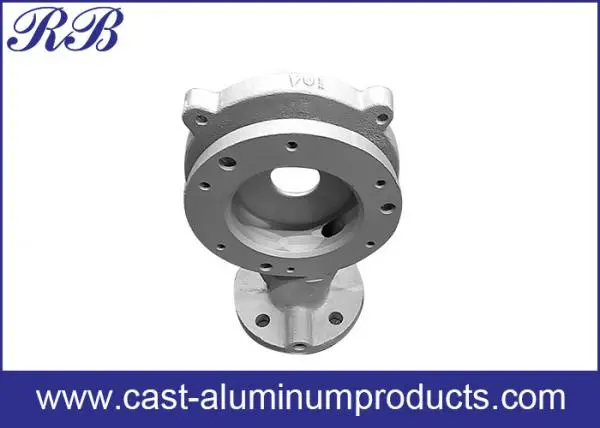
The body of the valve does three things at once: it holds the system pressure, moves fluid along predetermined paths, and provides a rigid mounting structure for parts that move. These needs are very strong in fire pump connections. During suppression events, the water pressure can rise well above usual working ranges. Any tiny holes in the casting wall become a point of failure when that pressure rises.
Why Material Selection Matters at the Design Stage
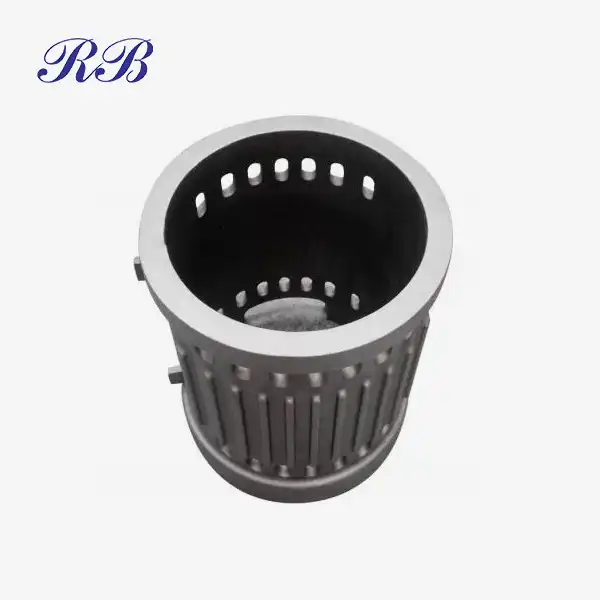
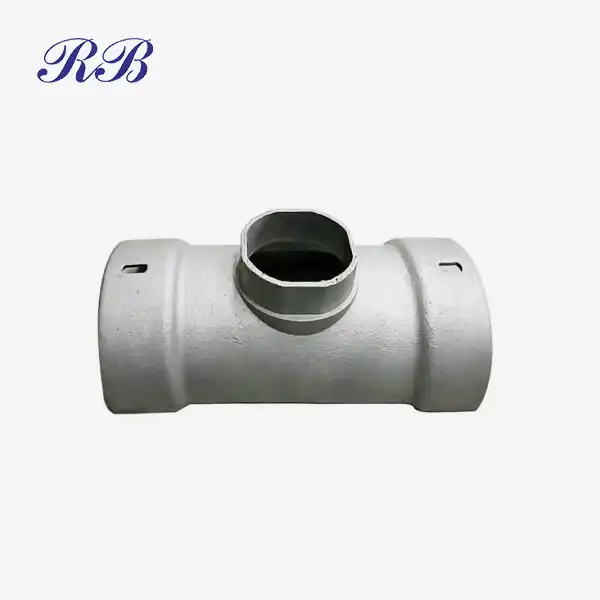
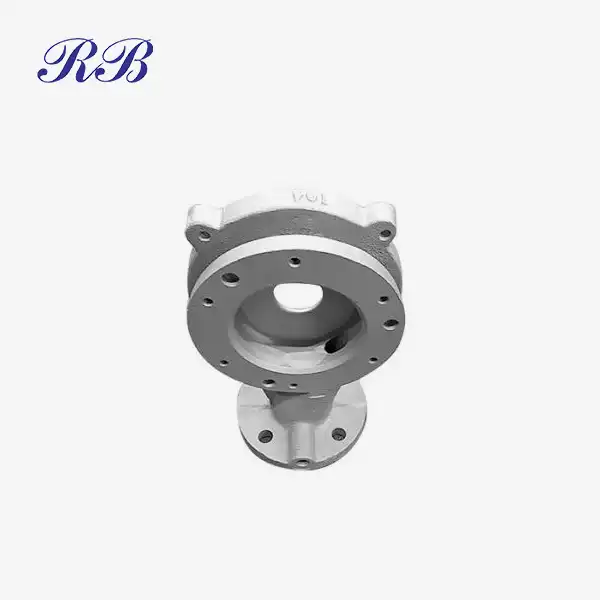
The choice of material affects all performance metrics further down the line. A lot of people choose aluminum alloy 356 for fire pump valve body casting because it has a high strength-to-weight ratio, doesn't rust, and can be cast with confidence. A finished valve body connector made from A356 that weighs about 2.8 kg strikes a good mix between being structurally strong and being easy to install, which are two things that are important to both assembly workers and field teams.
The material specification should not be changed by procurement engineers. When metals are switched out in the middle of production to save money, the dimensions change, the mechanical properties change, and the assembly fails further down the line.
The Valve Body Casting Process Explained
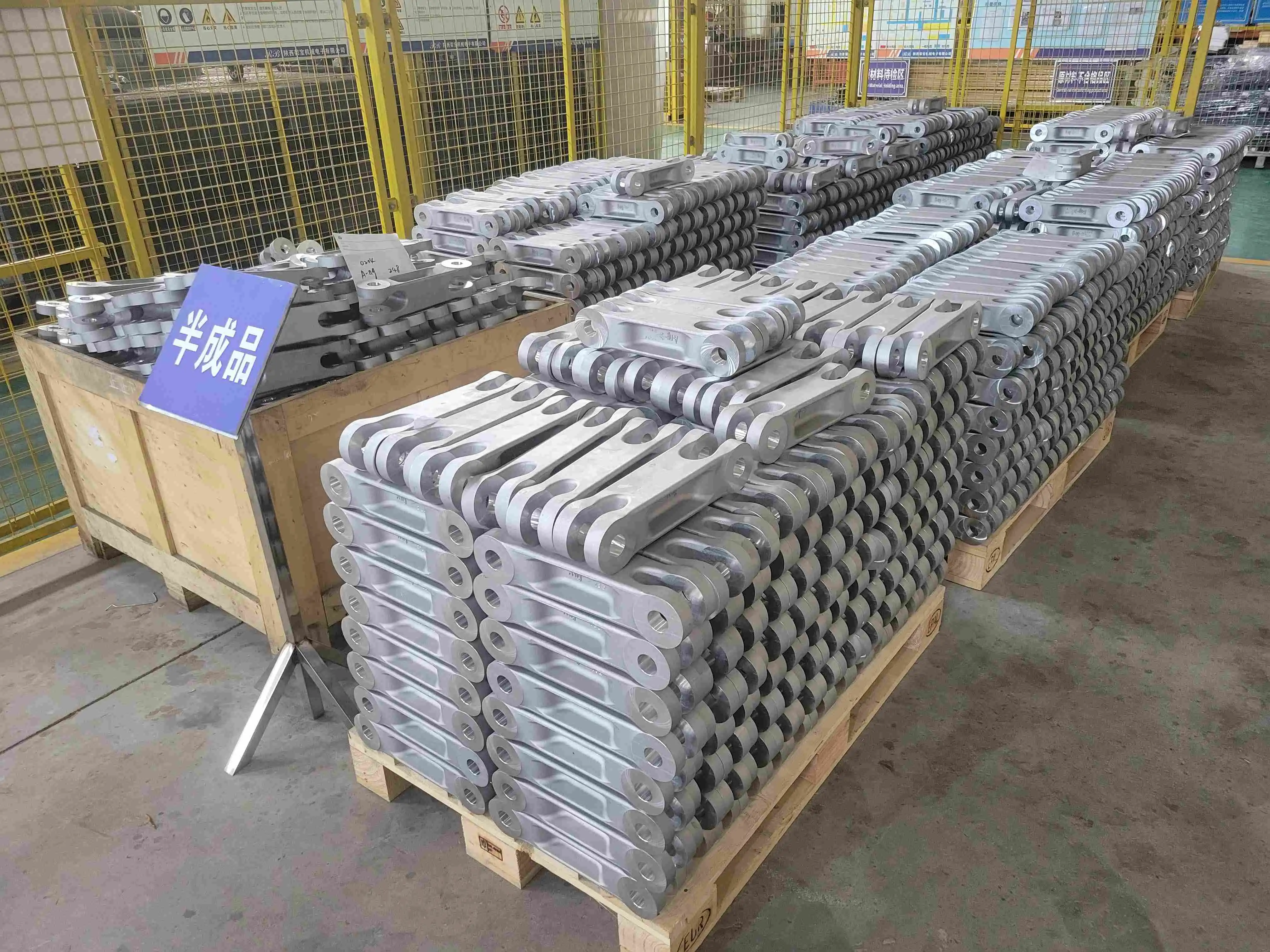
Sand casting, investment casting, and gravity casting are the three main ways that valve body casting is made. Sand casting can make big, complicated shapes with cheaper tools, but it needs strict control over vents to keep porosity from forming. Smaller, more complicated parts can be made with near-net-shape accuracy through investment casting. Gravity casting, which is also known as permanent mold casting, fills the model with just gravity. It makes a thicker microstructure and better control of dimensions than sand casting, and it's cheaper than investment casting for medium- to large-scale runs.
Using A356 aluminum and gravity casting to make fire pump connections has been shown to work well. Controlling the rate of solidification keeps shrinking holes to a minimum, and the resulting grain structure can handle the high-cycle hydraulic loads that fire pump work requires.
Here is how a disciplined casting workflow progresses from raw material to finished component:
- Mold design and preparation: The tool is made with gating and riser geometry that encourages directional solidification, which keeps shrinkage away from areas that are structurally important. Before the liquid metal goes into the hole, this step is the best way to stop defects from happening.
- Alloy melting and degassing: A356 billets are melted and then treated with a rotating degassing unit to get rid of the hydrogen that has been dissolved. This is done because hydrogen is the main cause of gas holes in aluminum molds. For aircraft and fire safety casting, hydrogen values below 0.15 ml/100 g are the standard.
- Pouring and solidification control: The temperature and rate of the pour are recorded in real time. If the stated temperature window isn't followed, cold shuts or misruns happen that damage the casting wall.
- Dimensional inspection and pressure testing: CNC machining brings mating faces and port bores to drawing tolerance after shot blasting removes scale and makes the surface more uniform. Final hydrostatic testing shows that there are no leaks at the rated pressure.
These limits get rid of the gas porosity and shrinking problems that make fire pump valve bodies fail hydrostatic certification. This is the most expensive way for this type of product to lose quality.
Valve Body Casting vs. Other Manufacturing Methods: Making the Right Choice
Forging has great mechanical qualities, but it costs a lot more to buy the tools and the internal flow paths need a lot of work afterward. When you machine from a solid billet, you get rid of all casting flaws, but you waste a lot of material and can only afford to do prototype quantities.
Casting is still the most popular way to make fire pump valve bodies because it offers the best mix of geometric freedom, material economy, and cost per unit for both middle and high numbers. Which casting route to use relies on the shape of the part, the amount that needs to be made each year, and the tolerance standards. Sand casting works best for big or odd-shaped objects where tolerances in size are not as important. Investment casting is more expensive but can be used to make small, precise parts. Gravity casting with permanent tools is the most practical way to make connectors and valve housings that weigh between 1 and 10 kg and are made in runs of several thousand pieces per year. This is exactly the type of production cycle that fire pump OEMs face every day.
Procuring Valve Body Castings: Key Factors for B2B Buyers
Choosing where to get valve body casting comes with real technical and financial risk. One batch of parts with out-of-tolerance bores can stop an entire assembly line for days while the problem is looked into and new parts are prepared. Before you decide on a seller, you should carefully consider the following things:
- Certification alignment: ISO 9001:2015 sets the rules for the quality management process. The two standards, ISO 14001 and ISO 45001, deal with managing safety at work and protecting the environment. When you add up all three certificates, they show that the company works within a structured, auditable system. This is necessary in fire safety supply chains where traceability is required.
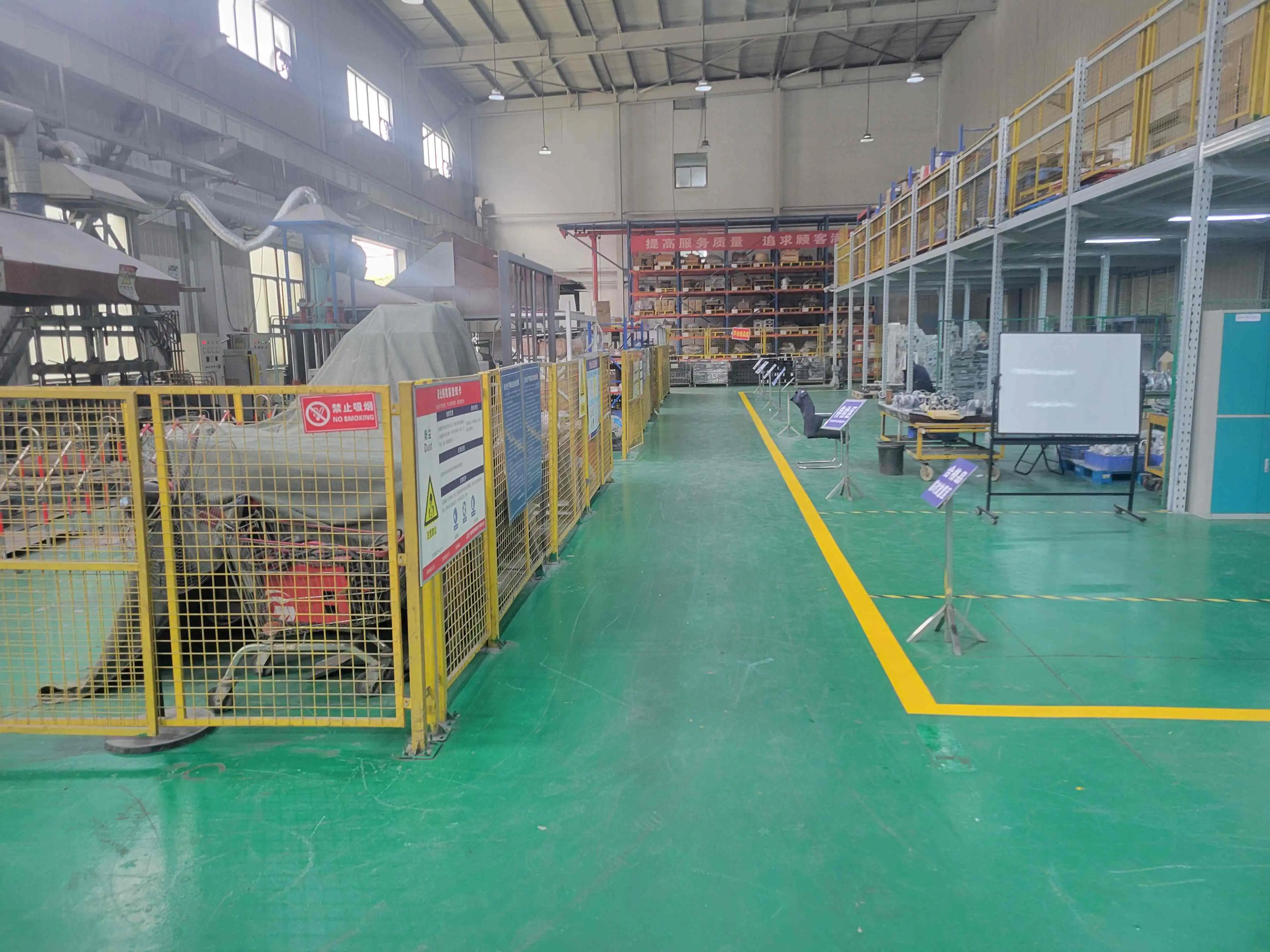
- Multi-process capability: Fire pump systems use more than one casting route at the same time. A supplier that can do precision machining, gravity casting, and sand casting all under one roof gets rid of the need for tolerance stack-up between suppliers, which makes incoming inspection easier.
- OEM and ODM responsiveness: Custom connector geometry is the norm in fire pump development, and OEM and ODM are quick to respond. The product qualification timeline is sped up when a supplier can make tools quickly and change the shape of samples within three to four weeks.
- Production capacity and delivery reliability: A rated capacity of 5,000 pieces per production run gives monthly rolling orders the extra volume they need. When an OEM has consistent shipping, the assembly plan is not affected by the problems that happen upstream, which happen with multi-supplier models.
These factors show the difference between a business provider and a strategic manufacturing partner. When buyers only look at price, they often have to pay extra for things like rework, re-inspection, and faster shipping.
Enhancing Valve Body Performance and Reliability Through Casting Advances
Pour-and-inspect is no longer the only way to do casting engineering today. Before the first tool is cut, simulation software can now predict where the metal will shrink, where turbulence will happen, and how the temperature will change. This lets engineers get rid of designs that are likely to fail on the screen instead of in scrap metal.
Shot blasting is used to treat the surface after casting but before CNC machining. It does more than just make things look better. It adds residual compressive stress to the top layer, which clearly makes cyclically loaded parts more resistant to fatigue. This is a benefit that is directly relevant to valve bodies in fire control systems that are subjected to repeated pressure spikes.
When CNC machines are used to make parts from drawings, they make sure that every port bore, flange face, and threaded connection meets the size requirements, no matter what order the casting batches are made in. Because of this consistency from batch to batch, fire pump OEMs can use assembly lines without having to sort or fit parts by hand.
Cast parts that weigh 2.8 kg each are kept safe during shipping by being put in wooden boxes with the right amount of padding inside. This is an important practical detail that is important when parts are shipped from Xi'an, China to assembly plants in Southeast Asia or the Americas.
Conclusion
There is a real difference between a fire pump that works under pressure and one that breaks down at the worst possible time when it matters the most—the quality of the valve body casting. The things that can be measured that determine results are the choice of material, the discipline of the casting process, the regularity of the dimensions, and compliance with certification requirements. When buyers work with makers that handle all of these factors in a single location, they can be sure of the quality of the goods and make the supply chain easier.
FAQ
What determines the service life of a cast valve body?
Longevity is based on the alloy grade, the control of the casting process, and the care done after the casting. When properly degassed and shot-blasted, A356 aluminum with a low hydrogen content always performs better than lower-grade alternatives in terms of resistance to corrosion and fatigue life.
How long does a custom valve body casting order typically take?
If the supplier can make molds in-house, 3–4 weeks is a reasonable amount of time for new tools and first samples. Most of the time, repeat production orders that use existing tools ship within the agreed-upon rolling delivery window.
What certifications should a fire pump valve body supplier hold?
ISO 9001:2015, ISO 14001, and ISO 45001 are the standards for supply chains for fire safety parts. Together, these three systems handle quality control, protecting the environment, and keeping workers safe on the job. All of these areas can be checked as part of programs that certify fire equipment.
Can casting achieve the dimensional precision that fire pump assembly requires?
Yes, when CNC finish cutting is used with gravity casting. The casting sets the net shape, and CNC machining gets important surfaces up to drawing tolerance, making sure that the regularity needed for high-volume assembly is met.
Partner with Rongbao Enterprise for Reliable Valve Body Casting
Every fire pump part that Rongbao Enterprise makes is backed by our 20 years of experience in precision casting and our three ISO certifications (ISO 9001:2015, ISO 14001, and ISO 45001). As a reliable valve body casting maker, we help OEM and ODM projects from making the molds to delivering a lot of them. Each run can hold up to 5,000 pieces. You can email our engineering team at steve.zhou@263.net or zhouyi@rongbaocasting.com, or you can go to rongbaocasting.com to send us your plans and get a price.
References
- Steel, W. J. & Nesbitt, B. Guide to European Valves for Control, Isolation, and Safety. Elsevier, 2007.
- Campbell, J. Complete Casting Handbook: Metal Casting Processes, Metallurgy, Techniques and Design. Butterworth-Heinemann, 2011.
- ASM International. ASM Handbook, Volume 15: Casting. ASM International, 2008.
- American National Standards Institute / Fluid Controls Institute. FCI 70-2: Control Valve Seat Leakage. FCI, 2013.
- International Organization for Standardization. ISO 9001:2015 Quality Management Systems—Requirements. ISO, 2015.
- National Fire Protection Association. NFPA 20: Standard for the Installation of Stationary Pumps for Fire Protection. NFPA, 2022.
Learn about our latest products and discounts through SMS or email