- English
- French
- German
- Portuguese
- Spanish
- Russian
- Japanese
- Korean
- Arabic
- Greek
- German
- Turkish
- Italian
- Danish
- Romanian
- Indonesian
- Czech
- Afrikaans
- Swedish
- Polish
- Basque
- Catalan
- Esperanto
- Hindi
- Lao
- Albanian
- Amharic
- Armenian
- Azerbaijani
- Belarusian
- Bengali
- Bosnian
- Bulgarian
- Cebuano
- Chichewa
- Corsican
- Croatian
- Dutch
- Estonian
- Filipino
- Finnish
- Frisian
- Galician
- Georgian
- Gujarati
- Haitian
- Hausa
- Hawaiian
- Hebrew
- Hmong
- Hungarian
- Icelandic
- Igbo
- Javanese
- Kannada
- Kazakh
- Khmer
- Kurdish
- Kyrgyz
- Latin
- Latvian
- Lithuanian
- Luxembou..
- Macedonian
- Malagasy
- Malay
- Malayalam
- Maltese
- Maori
- Marathi
- Mongolian
- Burmese
- Nepali
- Norwegian
- Pashto
- Persian
- Punjabi
- Serbian
- Sesotho
- Sinhala
- Slovak
- Slovenian
- Somali
- Samoan
- Scots Gaelic
- Shona
- Sindhi
- Sundanese
- Swahili
- Tajik
- Tamil
- Telugu
- Thai
- Ukrainian
- Urdu
- Uzbek
- Vietnamese
- Welsh
- Xhosa
- Yiddish
- Yoruba
- Zulu
What is the function of the gearbox housing?
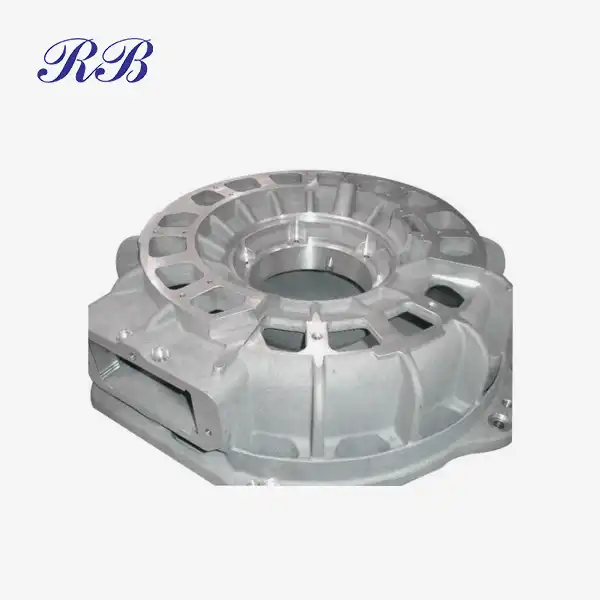
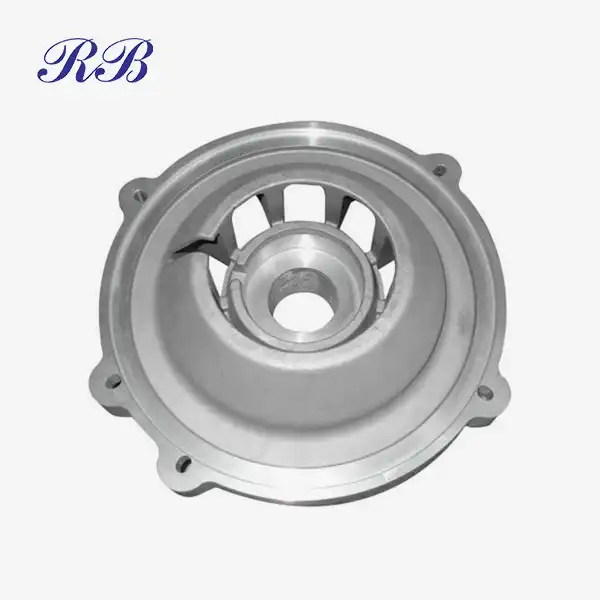
A gearbox housingis the housing structure that encloses and protects the gears, shafts, bearings and lubrication system within a gearbox. It is often considered as a part of the exterior yet its design has a direct impact on gear alignment, load distribution, sealing efficiency, heat dissipation and the lifespan of the entire transmission system. If the connection between the moving parts is to be preserved, industrial equipment such as fire pump reduction drives must be enclosed to resist vibration, torque variations and environmental exposure. The reliability of the service life of the manufactured gearbox depends on the material, the quality of the casting, the correctness of machining and the design of the connections of the gearbox.
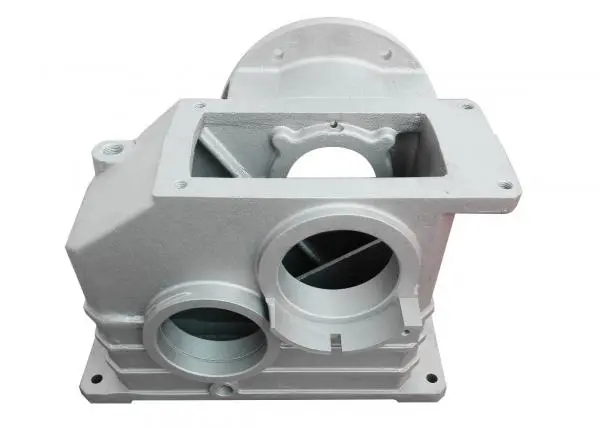
What Does a Gearbox Housing Do in a Transmission System?
Maintaining Gear and Shaft Alignment
One of the key functions of a gearbox housing is to hold the internal parts in the positions they were manufactured in. The bearing seats, shaft bores, and mounting surfaces define the geometric relations for the proper meshing of the gears. The characteristics may go out of line or be deformed under load, which causes greater bearing stress, unequal tooth contact, noise, and wear.
Accuracy in dimensions is therefore important in manufacture and assembly. The general shape of the housing is cast. Machining provides vital data such as bearing bores, shaft openings, and mounting faces. The tolerances required are a function of the gearbox design, bearing arrangement, operating loads, and regulating engineering parameters.
The housing should also be stiff enough in use. The initial machining dimensions are in compliance with the design standards, but the shaft alignment can be adjusted because of great distortion. Engineers should consider wall thickness, rib placements, mounting locations, and load routes together rather than handling each parameter in isolation.
Protecting Internal Components and Retaining Lubricant
Gear and bearing components are regularly exposed to conditions that might lead to increased wear due to contamination and lack of lubrication. The cage guards against dust, moisture, dirt, and other outside contaminants. The inner assembly is protected by the shell, which has seals, gaskets, plugs, and joints suitably designed.
The enclosure also contains lubricating oil or grease, depending on the design of the gearbox. Lubricants are used to reduce friction between contacting surfaces and to manage wear and operating temperature. But housing by itself does not make for the correct grease. The oil level, lubricant specification, internal oil passageways, breather arrangements, and sealing performance should be adequate for the specified application.
Where equipment is to be located in damp, dusty, or outdoor conditions, the design should provide for the possibility of entrance of water, changes in pressure, and access for maintenance. For fire pump reduction systems where dependable operation is a critical need, the sealing and inspection requirements shall be established in accordance with the equipment manufacturer’s standards.
Managing Heat and Reducing Vibration
The gear meshing, bearing friction, and movement of lubricant produce heat throughout the operation. A smartly built house can transfer some of this heat to the environment. The efficiency is a function of the conductivity of the material, the outside surface area, the geometry of the walls, the air flow, and the thermal properties of the whole gearbox.
Aluminum alloys usually conduct heat better than plain cast iron and may be chosen where weight and heat transfer are crucial. But cast iron is hefty and has good vibration-damping properties. No material will assure you of a certain operating temperature without the entire system and duty cycle being considered.
Noise and vibration are the fault of housing. The transmission of vibration and the response of the casing to dynamic stresses are affected by the mass and stiffness of the casing, its ribbing, and its natural frequencies. Wrongly designed walls or mounting structures may increase vibration frequencies, whereas the right shape can improve structural performance.
These functions are correlated. Light-weight designs that are not robust enough can generate vibration difficulties. A housing that is sufficiently protective but flexible might produce alignment challenges. Good engineering is the trade-off for such requirements in real-world operational circumstances.
Which Materials Are Suitable for Gearbox Housings?
The choice of material impacts weight, strength, workability, corrosion resistance, thermal performance, and cost of manufacture. The right option relies on gearbox size, torque transferred, operating temperature, manufacturing volume, and the environment in which equipment will be mounted.
Cast Iron for Heavy-Duty Industrial Applications
The industrial gearbox housing is preferably made of cast iron because of strong compressive strength, dimensional stability under optimal design circumstances, and good vibration damping. Its comparatively substantial mass can be of benefit in damping certain vibration transmission, particularly for stationary equipment and heavy load drives.
The casting process makes it possible to manufacture complex external shapes and strengthen ribs and mounting parts without having to produce each detail from separate components. This may facilitate the manufacture of the housing in case of a housing of vast or irregular geometry.
But cast iron is heavier than aluminum, and that can make it more of a nuisance to handle when putting it together. Corrosion resistance relies on grade, surface condition, coating, and the environment in which it is utilized. Designers also need to consider things like wall thickness of the casting, potential shrink faults, and machining requirements for crucial interfaces.
Aluminum Alloys for Lightweight Gearbox Designs
Aluminum alloys are useful for applications requiring a lighter weight component, superior heat conductivity, and corrosion resistance. A380 is a well-known aluminum die-casting alloy, notably for reasonably large-volume parts. Depending on the mechanical requirements and production constraints, other aluminum alloys may be more appropriate for sand-cast or permanent mold applications.
However, the A380 is not the default material for all applications of gearbox housing. Its applicability is determined by the casting procedure, the loading conditions, the operating temperature, the necessary mechanical qualities, and the design of the final component. For instance, a high structural load application might require a different alloy or casting process than a light enclosure with less demanding mechanical requirements.
The lower density of aluminum helps to save weight in shipment and installation, while its thermal conductivity can be employed for heat dissipation. But the housing still has to be correctly dimensioned in terms of wall thickness, have robust ribs, and have accurately machined bearing seats. Alloy and process should be selected jointly to obtain the optimum mix of strength, dimensional precision, and production cost.
Steel for Specialized High-Load Requirements
Steel is suitable where a design demands a combination of strength, impact resistance, or structural properties that are difficult to get with other materials. The application of this procedure in the gearbox housing is dependent on the geometry of the component and the process of manufacture. Cast steel, fabricated steel, and machined steel constructions have various production needs, and they are not interchangeable.
Steel will often be heavier than aluminum in some applications and may require more machining. Deformation welding and further inspection are also available in fabrications. Engineers usually consider the real loading conditions, manufacturability, and needs of service and select steel.
The final decision should be based on engineering calculations, the applicable material standards, and the manufacturer’s capacity to produce and quality check the selected design. The material cost alone does not allow a complete component cost assessment.
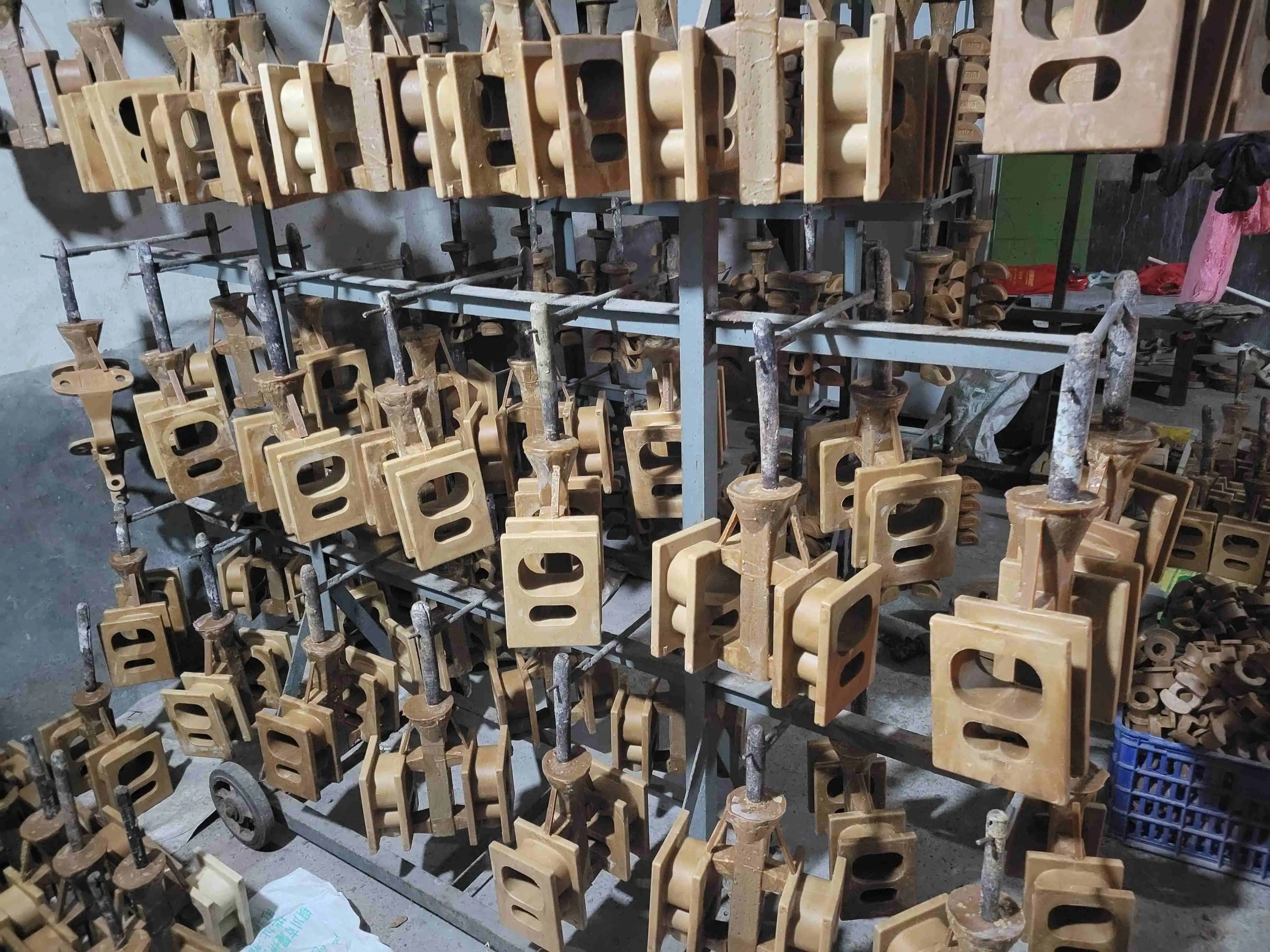
How Are Gearbox Housings Designed and Manufactured?
Casting the Main Housing Structure
Casting is the best way to make gearbox housings that have intricate shapes, reinforcing ribs, mounting bosses, and changes in wall thickness. Sand casting is especially well suited for many large or complex pieces and can support a wide range of casting alloys.
The process starts with the part design drawing and casting. The engineers also take into account the parting line, pattern layout, draft angles, wall thickness, feeding system, and locations where the metal might shrink or not fill entirely. These issues affect the quality of the casting and the amount of machining required subsequently.
Control of molten metal, mold preparation, pouring conditions, and the cooling process during production helps to prevent defects. Possible concerns are porosity, shrinkage cavities, inclusions, cold shuts, and dimensional variation. The chance of their occurrence depends on the alloy, the geometry, and the way the casting process is controlled.
The housing of a fire pump reduction system may have particular requirements for wall integrity, mounting geometry, and sealing surfaces. These should be taken from the product drawing and inspection plan and not assumed to be to a general casting specification.
CNC Machining Critical Features
The casting provides the basic shape but does not usually match all the tolerances required for installation of the gearbox. We employ CNC machining to finish bearing bores, shaft apertures, mounting faces, gasket surfaces, and other precision features.
The geometric relations defined in the engineering drawing must be respected by the machining plan. Datum selection, fixture rigidity, tool quality, and the sequence of machining operations all affect the finished object. For example, machining of bearing seats according to one reference system can be used to support their alignment.
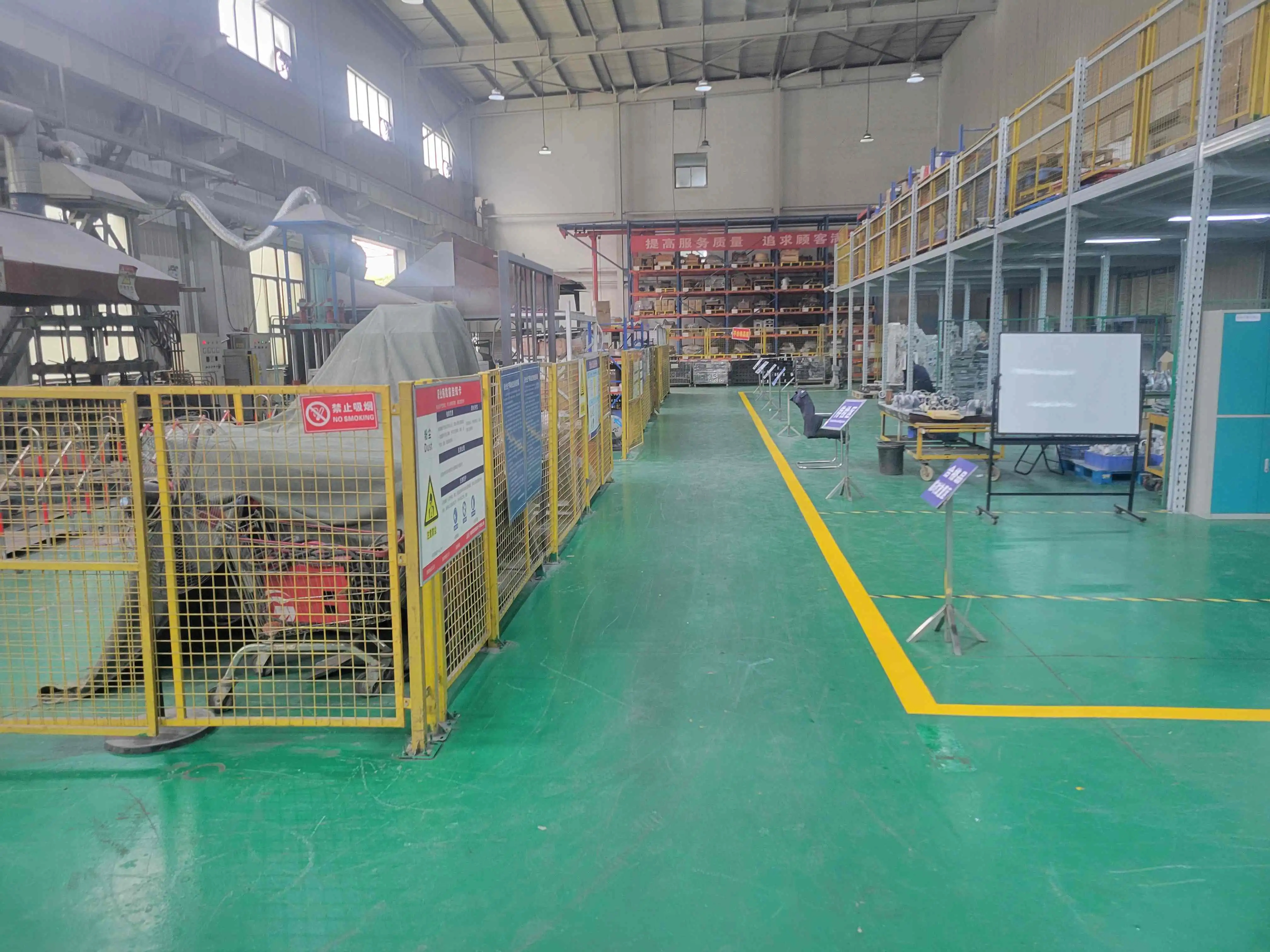
Inspection of a gearbox housing may entail dimensional measurements, bore diameter checks, position tolerances, surface polish verification, and confirmation of mounting hole locations. Coordinate measurement equipment, bore gauges, and other related tools are used, according to the desired tolerance and inspection technique.
The effect of the machining allowance and the casting variation should also be addressed. If the initial casting does not supply adequate material in a critical place, the required surface may not be available, other than by rejection of the part or approval of an engineering modification.
Applying Surface Treatments and Protective Finishes
The surface treatment preserves the housing and prepares it for the environment it will be working in. Depending on the material, application options include cleaning, shot-blasting, painting, powder coating, or other approved treatments.
The finish selected must be compatible with the base material and the intended service conditions. Corrosion protection requirements can differ greatly between an industrial gearbox in a building and a fire pump outside or equipment subject to moisture or chemicals.
Machined bearing seats, sealing faces, and threaded interfaces may require masking to prevent interference with assembly during coating. Control of the technique should be conducted according to the indicated procedure for surface preparation and coating thickness. All treatments that can influence the dimensional accuracy and material properties have to be taken into account in the design and production planning.
What Quality Checks Should a Gearbox Housing Pass?
Dimensional and Structural Inspection
Quality verification starts with the approved drawing, material specification, and inspection criteria. Critical dimensions are the bearing-bore diameters, bore alignment, flatness of the mounting face, hole placements, and contact with seals or covers. The inspection approach should correlate to the tolerance and functional significance of each characteristic.
The casting shall also be inspected for obvious faults such as fractures, surface discontinuities, and areas of incomplete filling. Other procedures such as dye penetrant, magnetic particle, radiographic, or other non-destructive testing may be used where indicated or risk assessed. The technique must be suited to the material and to the problem examined.
Not all inspection methods are necessary for all housing. Acceptance criteria should be agreed upon between the supplier and the buyer prior to manufacture so that inspection results are consistently assessed.
Leak Testing and Assembly Verification
If lubricant is used in the housing, it may be necessary to verify the integrity of the sealing interfaces and the wall by means of an appropriate leak test. Depending on the design, this may be an air-pressure test, pressure-decay method, or other approach accepted by the customer or specified in the applicable specification.
It shall specify the test pressure, time, acceptability limits, and safety precautions. The allowable pressure and test methodologies rely on the design of the component. Thus, it is not possible to give one general pressure value for all gearbox housings.
For critical applications, first-article inspection can help ensure the manufacturing process produces a part per the approved drawing. Thus, examination of the product during production and final inspection before shipping can be used as evidence that the conditions set have been met.
Traceable inspection reports, material records, and nonconformance documentation also enable clients to trace quality issues and maintain consistent manufacturing standards.
How Can Maintenance Extend Housing Service Life?
Regular checks will pick up housing problems before they do more damage to the gearbox. Maintenance personnel shall check the assembly for cracks, corrosion, oil leaks, loose mounting bolts, broken sealing surfaces, and abnormal vibration.
Check lubricant condition as per the manufacturer's maintenance plan for the gearbox. An unusual color, particles, or frequent leaking could indicate problems that should be investigated. The symptoms do not necessarily mean that the housing has failed; examine the gears, bearings, seals, and lubrication system as well.
The cooling requirements depend on the design of the gearbox and operation conditions. Some housings radiate enough heat from their outer surfaces, and others may have cooling fins, forced air flow, or a separate cooling arrangement. Don’t think a fan or a housing modification is a universal remedy; modifications might affect airflow, exposure to contaminants, and system performance.
Repair decisions are treated with considerable care. Localized damage may be repaired on occasion. Welding or machining, however, may cause residual tension, deformation, or changes in material properties. Different Al alloys and cast iron can react differently to repair procedures. Before work is authorized, the material, location of the problem, structural loading, and appropriate repair criteria must be assessed by a certified engineer.
If the crack is in a bearing seat, mounting interface, or pressure-retaining wall, replacement is preferred to repair. The choice of repair should be based on the results of the inspection, the quality of the repair, downtime, and the consequences of another breakdown and not solely on the initial cost of repair.
Conclusion
The gearbox housing does much more than cover the internal components of a transmission. It supports gears and shafts, maintains alignment, contains lubricant, protects against contamination, and contributes to thermal and vibration management. Its performance depends on the interaction between material selection, casting quality, machining accuracy, sealing design, and operating conditions. For manufacturers and procurement teams, choosing the right housing requires more than comparing material prices or supplier capacity claims. Reviewing engineering drawings, verifying critical dimensions, confirming suitable inspection procedures, and evaluating production traceability can help reduce quality risks and improve long-term reliability. A well-qualified supplier should be able to demonstrate how its manufacturing process meets the specific requirements of the intended gearbox application.
FAQ
1. What does a gearbox housing actually do?
It surrounds and covers the gears, bearings, and shafts while keeping the parts in place, keeping the gear oil inside, and letting the heat from operation escape.
2. Why is A380 aluminum alloy used for fire pump reduction housings?
A380 has a low density, good thermal conductivity, resistance to corrosion, and the ability to be cast. Because of these qualities, it can be used for fire pump engine parts that need to be light and keep their shape when heated and cooled many times.
3. What is the difference between sand casting and die casting for this application?
Sand casting can handle complicated internal shapes and heavier parts, like a 14.8 kg reduction housing, with lower tooling costs. Die casting works best for high-volume parts with smaller walls, but it costs more to buy the tools you need to start the process.
4. How do I verify casting quality before committing to bulk orders?
Ask for reports on measurement checking, data on internal defects from X-ray or dye penetrant testing, and the results of hydraulic pressure tests on sample parts. These should be given without question by a provider with a full-chain quality control system.
Get Your Custom Gearbox Housing Quote from Rongbao Enterprise
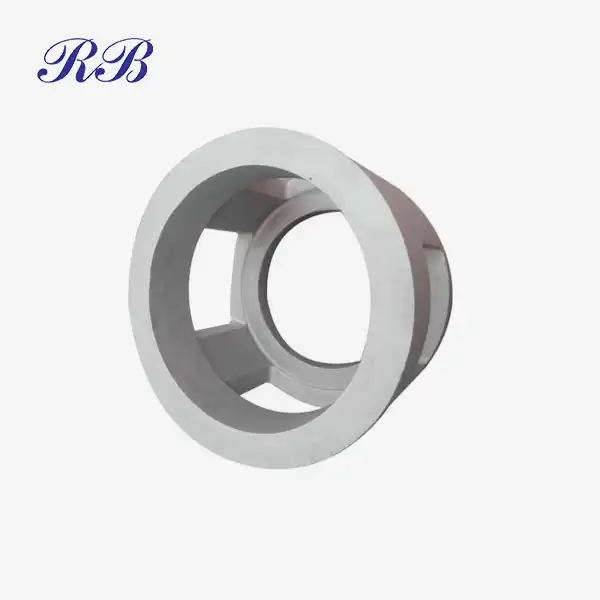
Rongbao Enterprise uses approved sand casting and CNC machining methods to make precision A380 aluminum gearbox housings. They are backed by ISO 9001:2015, ISO 14001, and ISO 45001 certification. We are a reliable gearbox housing supplier with 20 years of experience exporting, and we can help with OEM and ODM programs that have specific needs. Get in touch with our team right away to talk about your fire pump component needs and ask for a free evaluation.
steve.zhou@263.net | zhouyi@rongbaocasting.com
rongbaocasting.com
References
- Tribology International — "Lubrication Failure Mechanisms in Industrial Gearboxes," Elsevier, 2021.
- ASM Handbook, Volume 15: Casting — ASM International, 2020.
- Journal of Manufacturing Processes — "Dimensional Accuracy in Sand Cast Aluminum Alloy Components," Elsevier, 2022.
- International Journal of Advanced Manufacturing Technology — "CNC Machining Precision for Cast Aluminum Housings in Power Transmission Applications," Springer, 2020.
- Gear Technology Magazine — "Housing Design and Its Role in Gearbox Reliability," Randall Publications, 2019.
- ISO 9001:2015 Quality Management Systems — Requirements, International Organization for Standardization, 2015.
_1751074553490.webp)
Learn about our latest products and discounts through SMS or email