- English
- French
- German
- Portuguese
- Spanish
- Russian
- Japanese
- Korean
- Arabic
- Greek
- German
- Turkish
- Italian
- Danish
- Romanian
- Indonesian
- Czech
- Afrikaans
- Swedish
- Polish
- Basque
- Catalan
- Esperanto
- Hindi
- Lao
- Albanian
- Amharic
- Armenian
- Azerbaijani
- Belarusian
- Bengali
- Bosnian
- Bulgarian
- Cebuano
- Chichewa
- Corsican
- Croatian
- Dutch
- Estonian
- Filipino
- Finnish
- Frisian
- Galician
- Georgian
- Gujarati
- Haitian
- Hausa
- Hawaiian
- Hebrew
- Hmong
- Hungarian
- Icelandic
- Igbo
- Javanese
- Kannada
- Kazakh
- Khmer
- Kurdish
- Kyrgyz
- Latin
- Latvian
- Lithuanian
- Luxembou..
- Macedonian
- Malagasy
- Malay
- Malayalam
- Maltese
- Maori
- Marathi
- Mongolian
- Burmese
- Nepali
- Norwegian
- Pashto
- Persian
- Punjabi
- Serbian
- Sesotho
- Sinhala
- Slovak
- Slovenian
- Somali
- Samoan
- Scots Gaelic
- Shona
- Sindhi
- Sundanese
- Swahili
- Tajik
- Tamil
- Telugu
- Thai
- Ukrainian
- Urdu
- Uzbek
- Vietnamese
- Welsh
- Xhosa
- Yiddish
- Yoruba
- Zulu
Aluminum Diagram Die Casting Workflow for High Precision Parts
The aluminum die casting process is an advanced way to make things that is now needed in many businesses to make precise parts. In this high-pressure metal casting method, liquid aluminum is poured into steel molds that can be used again and again. This produces parts with perfect dimensions and a surface finish that meets the strictest requirements. Today's procurement workers know that die casting is an important technology for making complicated parts with tight tolerances in large quantities at a low cost.
This detailed guide goes over all the steps involved in the complicated process of aluminum die casting, from the first ideas for the design to the last checks for quality. We look at the basic steps, advanced strategies for improving workflow, and comparing benefits that make aluminum casting the best choice for precision production. When procurement teams understand these processes, they can make smart choices about which suppliers to use, what quality standards to set, and how to cut costs in a way that gives them a competitive edge in today's tough market.
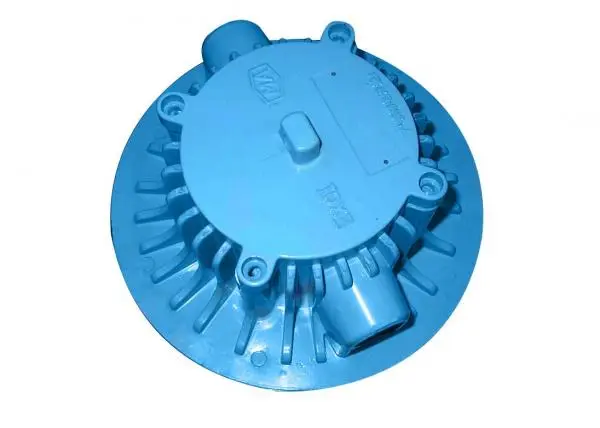
Understanding the Aluminum Die Casting Process for High Precision Parts
The steps in aluminum die casting are very carefully planned out so that liquid aluminum metal can be turned into complex, high-precision parts. The first step is to prepare the die. To make sure the mold surfaces open properly and have a good surface, special oils are spread on them. Molten aluminum, which is usually heated to 1200 to 1300°F, is pushed into the precisely cut steel dies at pressures ranging from 1,500 to 25,000 PSI.
Cold-Chamber Process for Aluminum Applications
Because aluminum has a high melting point and can damage hot-chamber tools, the cold-chamber method is the most common way to do aluminum die casting. Before the material is forced into the die hole by hydraulic or mechanical systems, the molten aluminum is poured into a separate injection chamber. This split keeps the high pressures needed for precise tolerances and getting rid of porosity flaws while also keeping the injection parts from rusting.
Material Properties and Alloy Selection
The unique way that aluminum is strong, light, resistant to rust, and good at conducting heat makes it perfect for precise uses. Some common alloys are A380, which is used for general purposes, A383, which is used for car parts that need to be more fluid, and A390, which is used for high-wear situations. Tensile strengths of these metals range from 46,000 to 48,000 PSI, and they are easy to machine and have a smooth surface, so they don't need as much extra processing.
Quality Control and Defect Prevention
Modern aluminum casting plants use tracking systems that keep an eye on temperature, pressure, and cycle times in real time to stop flaws like porosity, cold shuts, and changes in size. Non-destructive testing methods, such as X-ray inspection and ultrasound testing, make sure that the inside is sound, and coordinate measuring tools make sure that the sizes of important parts are accurate to within ±0.002 inches.
Critical Design Principles and Workflow Optimization for Precision Die Casting
For precision die casting to work, the mold needs to be carefully designed so that it can handle material flow, heat, and the best possible part shape. Draft angles usually fall between 1° and 3°, but this depends on the part's depth and the surface finish that needs to be achieved. Wall thickness regularity stops different temperatures from causing warping and changes in the part's shape. The form of the gates affects both the fill patterns and the rates of solidification. Gates and runners that are the right size make sure that all the holes are filled and that there is little to no noise.
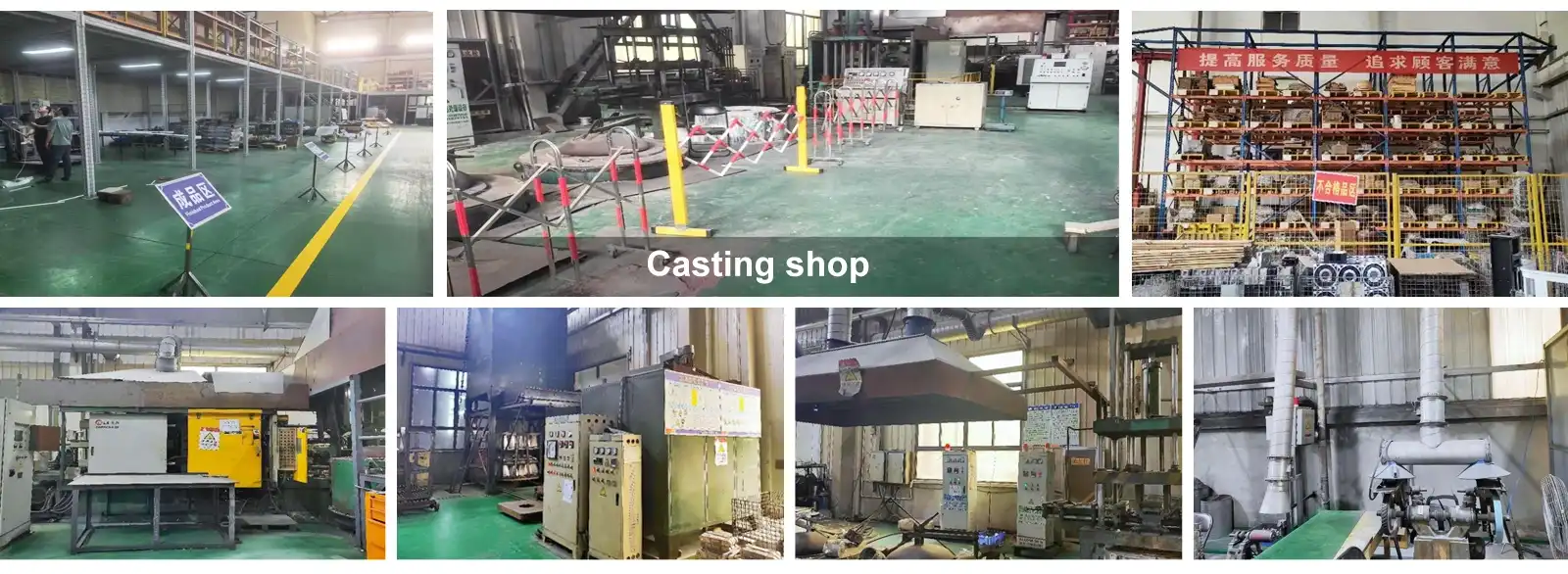
Advanced Workflow Optimization Strategies
Simulation software is used in modern die casting processes to predict fill patterns, find possible defect locations, and find the best place for cooling channels before actual tooling production starts. These digital tools cut the time it takes to develop by 30–40% and raise the success rate of first articles. To keep statistical process control, automated process tracking systems keep an eye on key factors like the regularity of shot weight, changes in cycle time, and ejection forces.
The following optimization techniques improve the quality of parts and the speed of the work flow:
- Thermal management systems that use cooling lines that are machined straight into die blocks to cut cycle times by 15–25% and make sure that the same dimensions are used for all production runs.
- Vacuum-assisted filling that gets rid of air pockets in complicated shapes, allowing for thinner walls and lighter weight without affecting the structure's strength.
- Real-time quality control with built-in sensors that find filling problems and change process settings automatically to keep specifications met.
- Predictive maintenance routines that look at data about how well machines are running to plan repair tasks for planned downtime, which cuts down on unplanned production stops.
These advanced process elements work together to make sure that the quality is always the same, while also making production as efficient as possible and cutting down on overall costs.
Precision Machinery and Technology Integration
For high-precision die casting, you need special tools that can keep the process under tight control during production rounds. Servo-driven injection systems in modern cold-chamber machines provide exact velocity and pressure profiles, and improved die temperature control systems keep the temperature levels even. When you combine Industry 4.0 technologies, you can collect and analyze data in real time, which helps with efforts to keep improving processes.
Selecting and Working with Die Casting Suppliers for High Precision Aluminum Parts
To make sure that precision parts are always delivered on time, it is important to carefully consider a supplier's expert skills, quality processes, and production capacity. Leading foundries keep at least ISO 9001 approval, while IATF 16949 compliance is needed by car suppliers and AS9100 registration is needed for aircraft uses. When measuring production capacity, it's important to look at more than just daily output rates. You should also look at peak capacity and your ability to handle multiple projects at the same time.
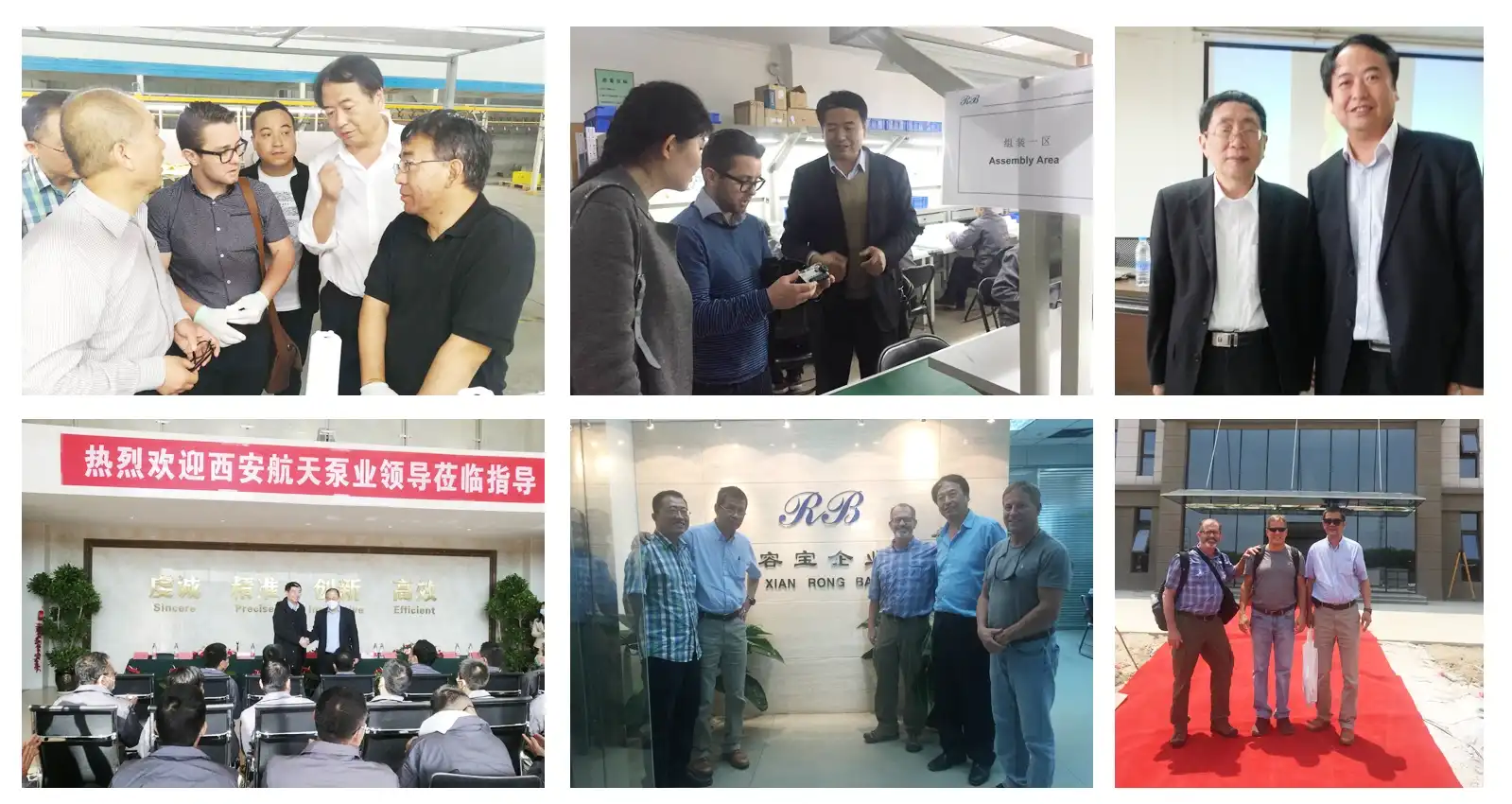
Technical Capability Assessment
When evaluating possible providers, you need to look at how well they can build dies, how accurate their machines are, and how well they control the process. Simulation software is used by advanced suppliers to analyze mold flow and improve heat performance. This cuts down on development time and raises the quality of the first product. Secondary processing services, such as CNC cutting, surface processes, and assembly, add value by making the supply chain less complicated.
Quality Assurance and Certification Requirements
Strong quality systems include approval of arriving materials, process control paperwork, and thorough inspection procedures. Suppliers should show how they use statistical process control by showing control charts that keep track of important process factors and dimensions. Testing by a third-party lab for material verification and failure analysis adds to the reliability of key components that can't be compromised in important situations.
Leading global manufacturers always choose providers that show they can innovate by using technology and implementing ongoing improvement programs. These partnerships are more than just deals to buy things. They also include working together to make designs that are easier to make while also lowering the total cost of ownership. Rapid prototyping and design for manufacturing skills allow for shorter product development processes that help companies stay ahead in markets that change quickly.
Enhancing Procurement Decisions with Die Casting Solutions: Practical Insights
Different types of industries need different ways to do precision casting that meet their specific performance needs and government standards. For automotive uses, crash safety and rust protection are very important, so alloys are chosen based on how well they absorb energy. Manufacturers of electronics put a high priority on electromagnetic protection and temperature management. This leads to design changes that include built-in cooling features and conductive surface treatments.
Industry-Specific Requirements and Customization
Aerospace parts must meet strict standards for traceability, with full material history paperwork from the delivery of raw materials to the finished part. As a result, suppliers must be chosen based on how well they understand quality systems and how much experience they have with following regulations. Medical device applications need validation methods that show process capability and biocompatibility testing. This makes the supplier approval process more complicated but makes sure that patient safety rules are followed.
Rongbao Enterprise has established itself as a trusted partner for precision aluminum casting applications across these tough industries. The company has been in this business for 20 years and has a wide range of industrial skills, including high-pressure die casting, low-pressure casting, and precision machining. They offer full solutions that meet all of your component needs. International certificates like ISO 9001, ISO 14001, and ISO 45001 show a dedication to quality, safety at work, and being good to the earth, which meets the needs of global buyers.
Emerging Trends and Future Considerations
As companies try to lower their impact on the environment while still meeting performance standards, sustainability programs have a bigger say in what they buy. Die casting methods can use more than 95% of the material they use, and aluminum's infinite recyclability and lightweight qualities support these goals. Robotic part handling and automated quality checking are two examples of automation technologies that make work more consistent and cheaper while lowering the need for human labor.
Advanced monitoring systems that use AI and machine learning can figure out what repair is needed ahead of time and improve process factors in real time. These technologies allow predictive quality control, which finds problems before they happen instead of after they happen. This cuts down on waste and raises customer happiness by ensuring that components always meet specifications.

Conclusion
Precision, speed, and cost-effectiveness are all great qualities of the aluminum die casting process, which is a sophisticated way to make parts in large quantities. To be successful, you need to know how design optimization, process control, and the skills of your suppliers all work together to affect the quality of the final part and the cost of production. Modern procurement experts who master these tricky workflow issues have big benefits over their competitors because they can improve quality, cut costs, and speed up time-to-market.
To make implementation work well, suppliers need to be carefully chosen based on their professional skills, quality processes, and experience with working together on projects. When you combine new technologies like process simulation, real-time tracking, and predictive maintenance, you can make improvements all the time. This helps both suppliers and users by increasing performance and lowering the total cost of ownership.
Contact Rongbao Enterprise for Premium Die Casting Solutions
Rongbao Enterprise offers top-notch aluminum die casting services that meet the strictest precise needs in industrial, aerospace, and automobile settings. Our full range of production services includes low-pressure systems, high-pressure die casting, and combined machining that can solve all of your part problems. Since 70% of our production goes to Europe, the United States, and Japan, we know the quality standards and shipping goals that are important to your business.
Our ISO-certified factories use cutting edge process control systems and automatic quality checking technologies to make sure that the parts they deliver always meet the requirements. Whether you need to make a sample or a lot of them, our experienced engineering team can help you plan for manufacturing in a way that maximizes performance and lowers total costs. Contact our team right away at steve.zhou@263.net or zhouyi@rongbaocasting.com to talk about your precision die casting needs and find out how our proven skills can help your supply chain work better.
FAQ
①What are the primary advantages of aluminum in precision die casting applications?
Aluminum is great for accurate uses because it is strong, light, and doesn't rust or corrode. With surface finishes ranging from 63 up to 125 Ra straight from the mold, the material has great physical stability. Because aluminum solidifies quickly, it makes fine-grain structures that improve its tensile qualities compared to other ways of making things.
②How do quality control protocols prevent common casting defects?
To stop flaws like porosity and structural changes, modern quality control systems keep an eye on temperature, pressure, and cycle times in real time. Non-destructive testing methods, such as X-ray checking, make sure that the inside is sound, and coordinate measuring tools make sure that the measurements are accurate to within ±0.002 inches. Statistical process control keeps an eye on important factors to make sure that quality stays the same from one production run to the next.
③What factors influence casting method selection for different applications?
The best casting method is chosen based on the needs of the application, such as the production rate, the tolerances for size and shape, the material's qualities, and the cost goals. Die casting is more cost-effective when it makes more than 5,000 to 10,000 pieces per year and produces better surface finishes and more accurate measurements. Complex internal shapes may need different methods, but die casting's speed and repeatability make it a good choice for high-volume uses.
References
- Campbell, J. "Complete Casting Handbook: Metal Casting Processes, Metallurgy, Techniques and Design." Second Edition, Butterworth-Heinemann, 2015.
- Vinarcik, E.J. "High Integrity Die Casting Processes: Technology and Applications for Automotive and Aerospace Industries." McGraw-Hill Professional, 2018.
- Shivkumar, S., Wang, L., and Apelian, D. "Factors Affecting Properties of Aluminum Die Castings: A Review of Process Variables and Quality Control Methods." Materials Science and Engineering Research, 2019.
- Lumley, R. "Fundamentals of Aluminum Metallurgy: Production, Processing and Applications in Die Casting." Woodhead Publishing Materials Series, 2017.
- Jorstad, J.L. and Apelian, D. "Pressure Die Casting: The Technology Transfer from Research to Production for High Performance Applications." International Journal of Metalcasting, 2020.
- Zhang, H., Nagaumi, H., and Cui, J. "Advanced Aluminum Die Casting Alloys for Automotive Applications: Microstructure, Properties, and Performance Optimization." Journal of Materials Processing Technology, 2021.
Learn about our latest products and discounts through SMS or email