- English
- French
- German
- Portuguese
- Spanish
- Russian
- Japanese
- Korean
- Arabic
- Greek
- German
- Turkish
- Italian
- Danish
- Romanian
- Indonesian
- Czech
- Afrikaans
- Swedish
- Polish
- Basque
- Catalan
- Esperanto
- Hindi
- Lao
- Albanian
- Amharic
- Armenian
- Azerbaijani
- Belarusian
- Bengali
- Bosnian
- Bulgarian
- Cebuano
- Chichewa
- Corsican
- Croatian
- Dutch
- Estonian
- Filipino
- Finnish
- Frisian
- Galician
- Georgian
- Gujarati
- Haitian
- Hausa
- Hawaiian
- Hebrew
- Hmong
- Hungarian
- Icelandic
- Igbo
- Javanese
- Kannada
- Kazakh
- Khmer
- Kurdish
- Kyrgyz
- Latin
- Latvian
- Lithuanian
- Luxembou..
- Macedonian
- Malagasy
- Malay
- Malayalam
- Maltese
- Maori
- Marathi
- Mongolian
- Burmese
- Nepali
- Norwegian
- Pashto
- Persian
- Punjabi
- Serbian
- Sesotho
- Sinhala
- Slovak
- Slovenian
- Somali
- Samoan
- Scots Gaelic
- Shona
- Sindhi
- Sundanese
- Swahili
- Tajik
- Tamil
- Telugu
- Thai
- Ukrainian
- Urdu
- Uzbek
- Vietnamese
- Welsh
- Xhosa
- Yiddish
- Yoruba
- Zulu
The 2026 Guide to Aluminum Gravity Casting
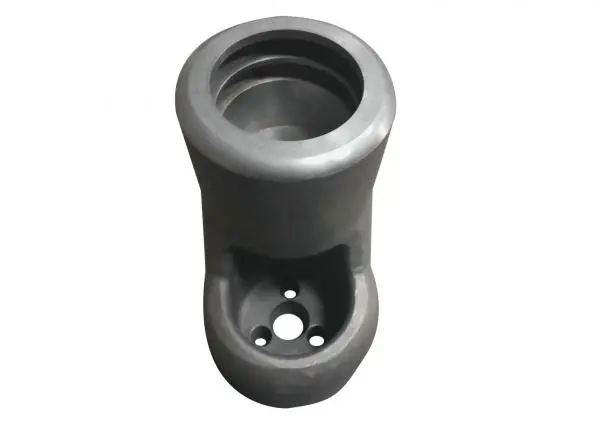
Aluminum gravity casting is a revolutionary way to make things that is still changing the way things are made today. As we move through 2026, this process is still a great deal for companies that want to buy high-quality metal parts that are very accurate in their measurements. Gravity casting parts are made by pouring molten aluminum into fixed molds using only gravity. These parts are used in important ways in the aircraft, automobile, electronics, industrial machinery, and medical device industries. This in-depth guide looks at how aluminum gravity casting can meet a wide range of purchasing needs while still keeping quality, cost-effectiveness, and delivery performance benefits over other methods.
Understanding Aluminum Gravity Casting and Its Manufacturing Process
The Fundamental Process Explained
An easy-to-understand but complex idea drives aluminum gravity casting. When heated to between 680°C and 750°C, molten aluminum alloy runs into fixed metal molds that have already been heated. It does this only by gravity. Unlike methods that use high pressure, this controlled filling stops instability and lowers the number of internal flaws. Permanent molds, which are usually made of heat-resistant steel or cast iron, are great at transferring heat so that everything cools evenly. They can also be used thousands of times, which makes them cost-effective for medium to large production runs.
Key Material Selections
When superior mechanical properties are needed, A356 aluminum alloy is the best material for gravity casting. This alloy has a good mix of silicon (6.5–7.5%) and magnesium (0.25–0.45%). It is easy to cast, doesn't rust, and gets strong after being heated. After being treated with T6, parts made from A356 have tensile strengths of more than 240 MPa. This makes them perfect for use as structural elements in high voltage transmission conductors, automotive chassis systems and aerospace structural parts. Different alloys, such as A319, AlSi10Mg, and AlSi7Mg, are used in specific situations that need different levels of flexibility, machinability, or heat properties. For manufacturers producing gravity casting parts, selecting the right alloy is only half the equation—equally critical is controlling the mold temperature, pouring rate, and solidification cycle to ensure that the T6 heat treatment consistently delivers the targeted mechanical performance across every production batch.
Manufacturing Workflow Stages
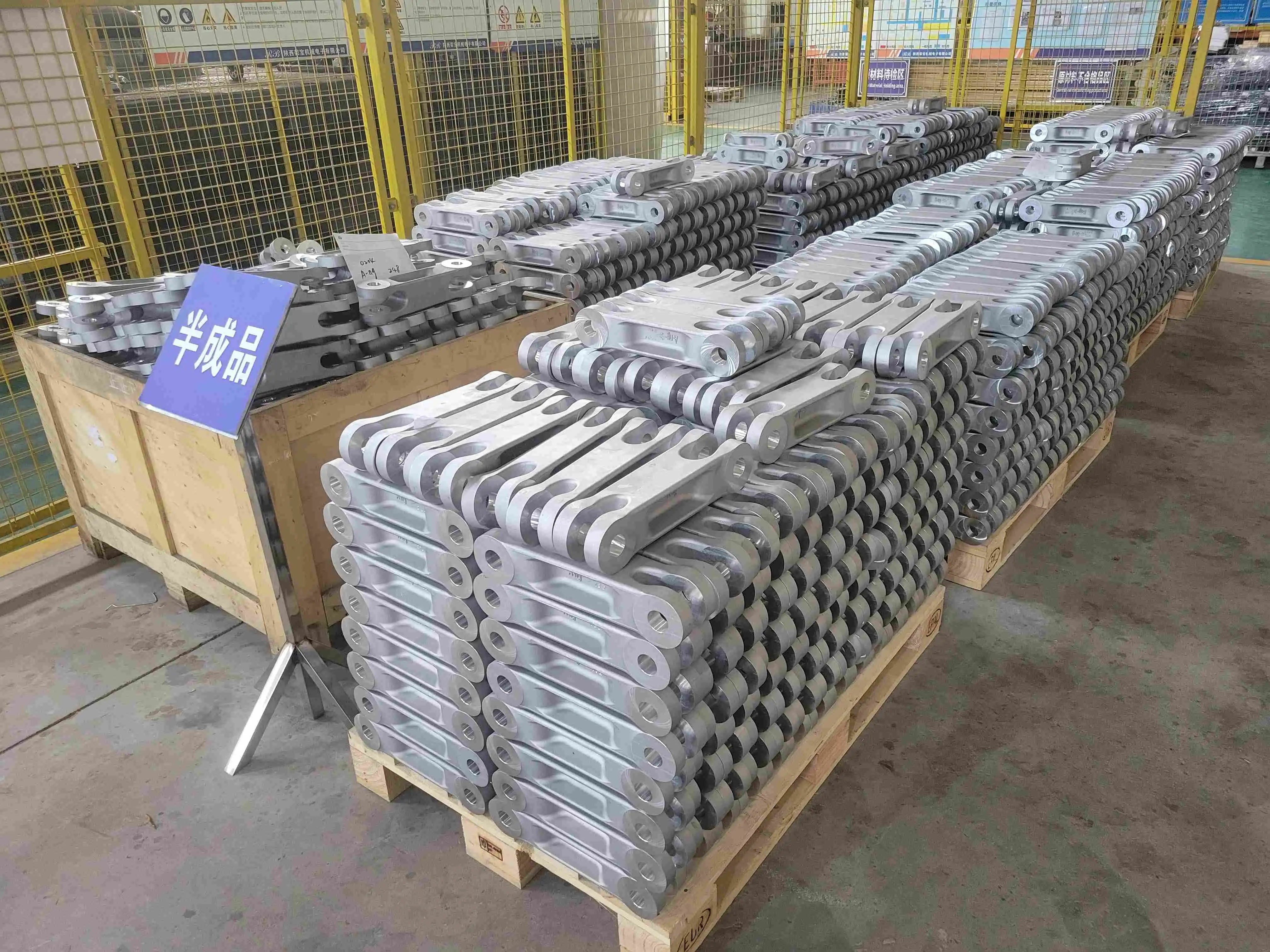
The first step in the production process is mold preparation, which involves cleaning, inspecting, and preheating fixed metal dies to the right temperatures. Carefully, molten aluminum is put into the mold, filling from the bottom up to keep air from getting trapped. Next comes controlled cooling, where the rate of cooling is changed based on the thickness of the wall and the makeup of the metal. After the casting has hardened, it is taken out and extra parts like gates and risers are taken away. The parts are then CNC-machined to get them to exact specs. Finally, surface processes like shot blasting are used to make them look better and last longer.
Comparing Aluminum Gravity Casting with Other Casting Methods
Gravity Casting Versus Die Casting
High pressure (15–175 MPa) is used to quickly pour molten metal into mold holes during die casting. This makes parts with thin walls and lots of small features. Die casting is great for making a lot of things quickly (in less than 60 seconds), but it costs a lot more to buy the tools and machinery you need at first. Gravity casting has the same level of accuracy in measurements (±0.2 to 0.5 mm), but it costs less to use, so it's a good option for making between 1,000 and 50,000 pieces a year. Gravity casting's slower filling process also lowers porosity in bigger sections, which is very important for parts that need to be pressure tight or have high tensile integrity.
Sand Casting Comparisons
Sand casting uses molds that are disposable and are made from sand mixtures. This means that the sizes can be almost any and the cost of the tools is very low. But gravity casting has a better surface finish (Ra 3.2–6.3 μm vs. Ra 12.5–25 μm for sand casting) and better tolerances for size. The fixed molds can be used again and again, and they get rid of sand-related flaws like sand spots and improve temperature control during solidification. It is still cheaper to use sand casting for very big parts or very small amounts of production. However, gravity casting is better for surface quality, consistent dimensions, and medium-volume production. For applications requiring both aesthetic surface appearance and tight dimensional repeatability across thousands of cycles, gravity casting parts consistently outperform sand-cast alternatives, delivering superior mechanical integrity with minimal post-cast finishing requirements.
Investment Casting Considerations
Using wax patterns and ceramic molds, investment casting can make parts with a very smooth surface and complicated shapes. This method gets the closest limits (±0.05 to 0.1mm), but it takes longer to make things and costs more per piece. Gravity casting is a good compromise because it gives enough accuracy for most industrial uses while also being 40–60% cheaper per part. When the part isn't too complicated, procurement teams often choose gravity casting. They save investment casting for parts with complicated internal passages or very strict size requirements.
Quality Control, Common Defects, and Solutions in Aluminum Gravity Casting
Typical Casting Defects and Prevention
Porosity, which can be caused by released gases or shrinking during solidification, is still the most common problem in aluminum casting. We fix this by using nitrogen or argon boiling for degassing, which lowers the hydrogen level to less than 0.15 ml/100 g of aluminum. The right design of the gate system makes sure that the material solidifies in the right direction, which stops it from shrinking in important places. Cold shuts happen when two metal fronts meet without properly joining. You can avoid them by making sure the pouring temperatures are right and the molds are heated up at the right times.
CNC Machining and Finishing Integration
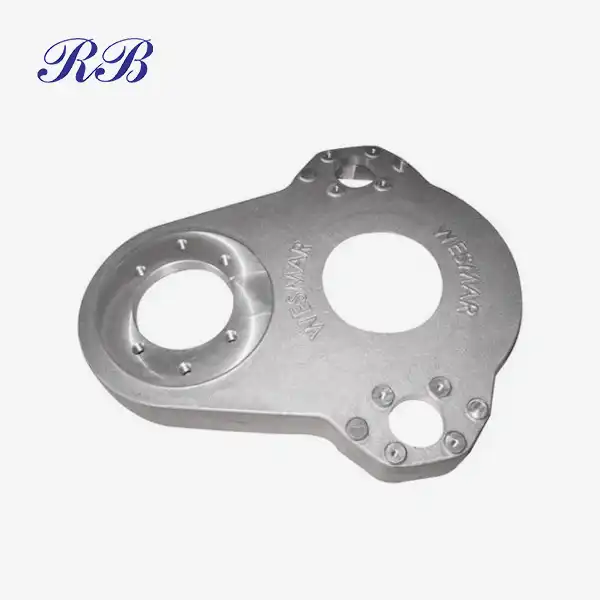
Precision CNC machining is usually done on raw casts to get them to the final specs. Modern multi-axis machining centers take away 0.5 to 3 mm of material space, which brings the sizes within the ±0.05 mm error ranges. This extra step gets rid of any flaws on the surface, makes threaded features, and machines seal the surfaces to meet the required flatness standards. After machining, shot blasting is done by sending steel or ceramic bits at controlled speeds to get rid of oxidation, make the surface more regular, and help coatings stick better. Extra cleaning steps are taken on parts that are going to be used in high voltage transmission applications to make sure the electrical insulation stays intact. For gravity casting parts, this entire post-cast machining and finishing sequence is especially critical, as their as-cast surface finish and dimensional consistency—while superior to sand casting—still require precise material removal to achieve the tight tolerances and sealing surfaces demanded by hydraulic, pneumatic, and structural applications.
Inspection Protocols and Quality Assurance
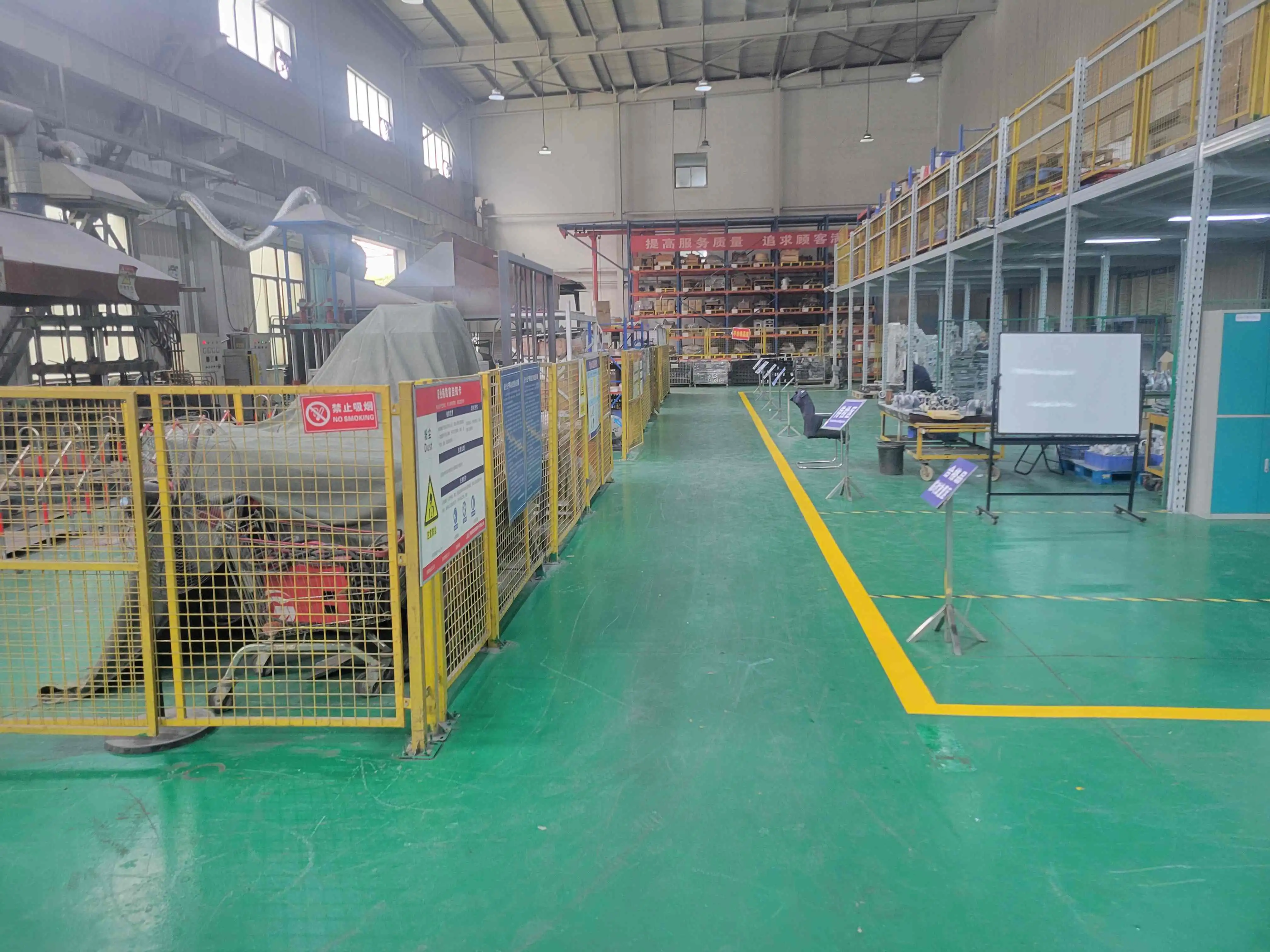
Comprehensive quality control starts with checking the new materials using spectroscopy to confirm the alloy makeup. In the manufacturing process, eye checks find flaws on the surface, and coordinate measuring machines (CMMs) confirm important features. Ultrasonic examination and radiography inspection are two non-destructive testing methods that can find internal discontinuities. We keep our ISO9001:2015, ISO14001, and ISO45001 certifications up to date by writing down processes that make sure the quality of each production batch is the same. Statistical process control keeps an eye on important variables and takes corrective actions before problems happen. Automotive clients usually need capability indices (Cpk) above 1.33, which show process stability, and parts-per-million (PPM) defect rates below 50.
Applications and Future Trends of Aluminum Gravity Casting
Industry-Specific Applications
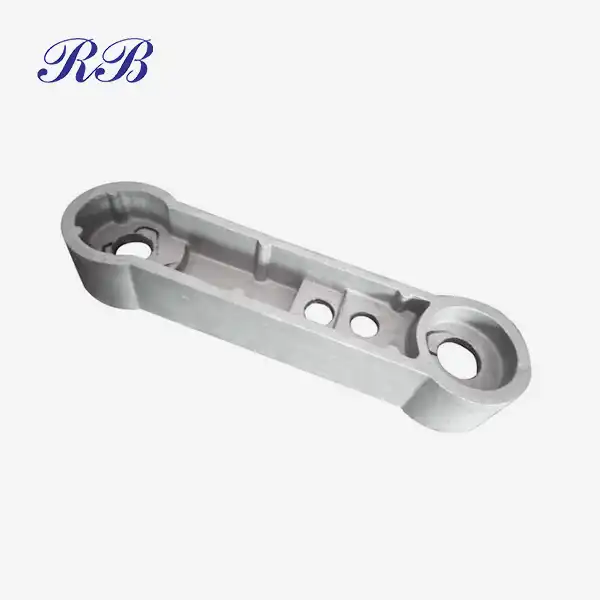
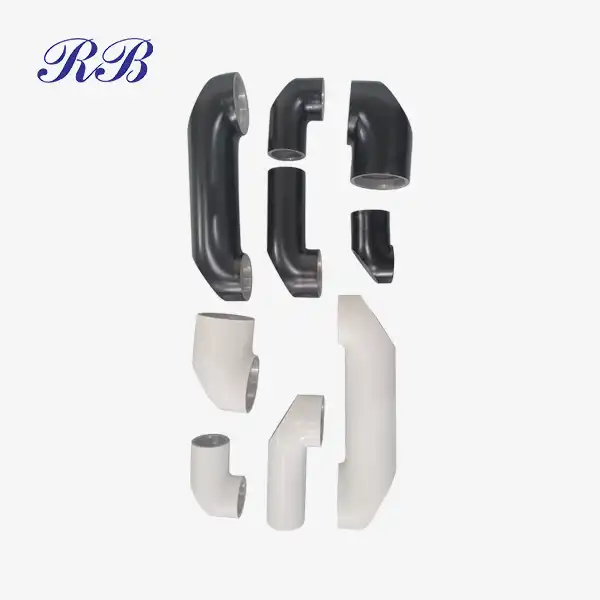
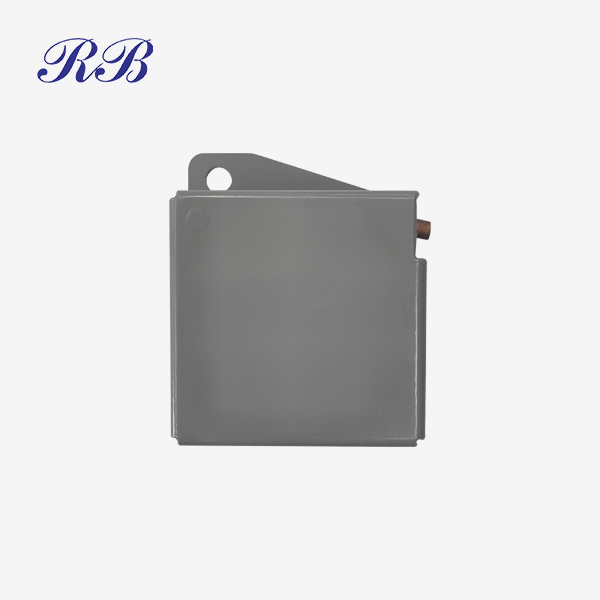
Gravity-cast aluminum parts are used by automakers in thermal management systems. These parts include water pump housings and heat exchanger pipes, which are made in a way that keeps pressure out. More and more, battery casings for electric vehicles use gravity-cast structural parts, which balance the need for strength with the need to reduce weight. Parts of hydraulic systems and structural brackets are used in aerospace because the method's superior mechanical properties after heat treatment meet strict safety requirements. Specialized gravity-cast wires and insulator mounting tools are needed for high voltage transmission infrastructure. Our 2.3 kg A356 components offer great electrical insulation and long-lasting mechanical performance.
Emerging Material Innovations
As new alloys are made, gravity casting capabilities keep getting better. Silicon-enriched aluminum metals are better at transferring heat, which makes them useful for cooling electronics. Even though it's expensive, scandium micro-alloying makes grain structures that are smoother and stronger by 15-20%. Concerns about the environment can be addressed by recovered aluminum alloys that meet primary aluminum performance standards. Some makers are able to achieve 80% recycled content without lowering the quality of the casting. These new materials make gravity casting possible for uses that used to need more expensive production methods.
Process Automation and Digitalization
Industry 4.0 technologies change gravity casting by using automatic filling systems that can precisely control temperature and flow rate. This cuts down on mistakes made by humans and makes the process more consistent. Robotic part handling speeds up production cycles and makes workplaces safer by keeping workers from having to be in hot places. Digital twin simulations model how molds fill and harden, which lets you predict where defects will appear and improve the design before you spend money on physical tools. Visual systems powered by artificial intelligence can find surface flaws with 99.5% accuracy during inline quality inspection, making sure that only parts that meet standards move on to the next step in the process. As production needs rise, these technological advances make gravity casting more competitive with other ways of making things.

Conclusion
For procurement workers managing the competitive industrial environment of 2026, aluminum gravity casting offers strong value propositions. The method ensures accurate measurements, reliable mechanics, and low costs for production amounts ranging from a few hundred to tens of thousands of pieces per year. This material is very flexible, especially when it comes to A356 alloy, which is used in demanding situations in the aerospace, automotive, electronics, industrial equipment, and medical device industries. To do good buying, you need to work with providers who can show they have a wide range of skills, quality certifications, and are willing to work with you on technical issues. As we learn more about materials and technology makes process control better, gravity casting will keep growing its range of uses while staying cost-effective compared to other ways of making things. For sourcing professionals, gravity casting parts represent a particularly compelling option because their combination of dimensional stability, microstructure uniformity, and cost-efficiency across medium volumes makes them ideal for applications where both performance and budget must be carefully balanced.
FAQ
1. What lead times should buyers expect for custom gravity casting projects?
Once the plan is approved, it usually takes 6 to 8 weeks to make a prototype, which includes designing the mold and making the prototype itself. Two to three weeks after the prototype is approved, production runs begin. The length of time it takes to finish a batch depends on its size. Including casting, machining, and finishing, a 5,000-piece order is usually finished in 4 to 6 weeks.
2. How does gravity casting achieve pressure-tight components?
Controlled filling reduces turbulence and gas entrapment, and directional solidification gets rid of internal shrinkage holes. Leak tests are done on parts at pressures higher than what is needed for the job. Usually, there is no leakage visible at 1.5 times the working pressure, which is the acceptance standard.
3. Can gravity casting accommodate complex geometries?
Gravity casting can make parts with undercuts using core systems and moderately complicated internal paths, but it is more limited than investment casting. Design teamwork in the early stages of development makes sure that the shape of the part is optimized for manufacturing while still meeting the needs of the function.
Partner with Rongbao Enterprise for Premium Gravity Casting Parts
Rongbao Enterprise provides precisely engineered aluminum parts that are made to fit your exact needs. At our Xi'an facility, we make custom gravity casting parts out of A356 alloy in batches of 5,000 pieces. These parts are finished with CNC machining and shot blasting. We work with companies in North America, Europe, and Asia that make cars, airplanes, electronics, industrial equipment, and medical devices. We have ISO9001:2015, ISO14001, and ISO45001 certificates. We are your reliable source for gravity casting parts because we have 20 years of experience casting and can do the whole process, from making the mold to inspecting the finished product. You can email our technical team at steve.zhou@263.net or zhouyi@rongbaocasting.com to talk about your project needs and get thorough quotes that show how our quality, service, and value are better than our competitors'.
References
1. American Foundry Society. (2025). "Aluminum Casting Design Manual: Permanent Mold Processes." Des Plaines: AFS Publication.
2. Campbell, John. (2024). "Complete Casting Handbook: Metal Casting Processes, Metallurgy, Techniques and Design." Oxford: Butterworth-Heinemann.
3. Davis, J.R. (Ed.). (2023). "ASM Specialty Handbook: Aluminum and Aluminum Alloys." Materials Park: ASM International.
4. International Organization for Standardization. (2025). "ISO 8062-3:2023 Geometrical Product Specifications - Dimensional and Geometrical Tolerances for Molded Parts."
5. North American Die Casting Association. (2024). "Product Specification Standards for Die Castings Produced by the Semi-Solid, Squeeze Casting, and Gravity Permanent Mold Processes."
6. Society of Automotive Engineers. (2025). "SAE J452: General Information - Chemical Compositions, Mechanical and Physical Properties of SAE Aluminum Casting Alloys."
Learn about our latest products and discounts through SMS or email