- English
- French
- German
- Portuguese
- Spanish
- Russian
- Japanese
- Korean
- Arabic
- Greek
- German
- Turkish
- Italian
- Danish
- Romanian
- Indonesian
- Czech
- Afrikaans
- Swedish
- Polish
- Basque
- Catalan
- Esperanto
- Hindi
- Lao
- Albanian
- Amharic
- Armenian
- Azerbaijani
- Belarusian
- Bengali
- Bosnian
- Bulgarian
- Cebuano
- Chichewa
- Corsican
- Croatian
- Dutch
- Estonian
- Filipino
- Finnish
- Frisian
- Galician
- Georgian
- Gujarati
- Haitian
- Hausa
- Hawaiian
- Hebrew
- Hmong
- Hungarian
- Icelandic
- Igbo
- Javanese
- Kannada
- Kazakh
- Khmer
- Kurdish
- Kyrgyz
- Latin
- Latvian
- Lithuanian
- Luxembou..
- Macedonian
- Malagasy
- Malay
- Malayalam
- Maltese
- Maori
- Marathi
- Mongolian
- Burmese
- Nepali
- Norwegian
- Pashto
- Persian
- Punjabi
- Serbian
- Sesotho
- Sinhala
- Slovak
- Slovenian
- Somali
- Samoan
- Scots Gaelic
- Shona
- Sindhi
- Sundanese
- Swahili
- Tajik
- Tamil
- Telugu
- Thai
- Ukrainian
- Urdu
- Uzbek
- Vietnamese
- Welsh
- Xhosa
- Yiddish
- Yoruba
- Zulu
How to Choose a Casting Motor End Cover for OEM Motors
Choosing the right casting motor end cover can feel overwhelming when you're managing large-scale OEM motor production. With thousands of units moving through your assembly lines monthly, every component decision impacts cost control, production continuity, and product reliability. A motor end cover might seem straightforward, but selecting the wrong supplier or specification can trigger quality inconsistencies, production delays, and unexpected cost increases. The ideal casting motor end cover balances dimensional precision, material performance, batch consistency, and competitive pricing—all while arriving on schedule to keep your production running smoothly.
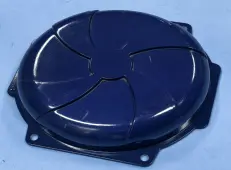
Understanding Casting Motor End Covers and Their Importance
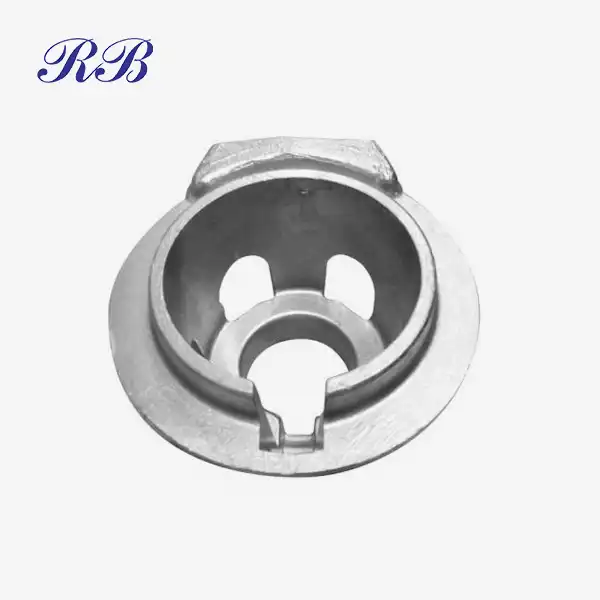
Motor end covers are secure housings that are attached to both ends of electric motors. They keep the rotor in place and make sure that there is enough space between the rotor and stator parts. These cast metal or iron parts hold the bearings in place, keep dirt and debris out of the internal windings, and support the structure of the motor for its entire life.
Core Functions in Motor Assemblies
The end cover fits directly onto the motor stator body, making a full covering that keeps dust, water, and mechanical impact away from sensitive parts inside. In addition to protecting, these covers help with thermal management by letting heat escape through their large surface area and heat-conducting material. When motors are used in industrial settings with constant loads, good heat transfer through the housing and end covers keeps the motors from getting too hot, which would damage the winding insulation and shorten their life.
Material Selection Impact
Aluminum alloys, like ADC12, are used in most OEM motors because they are stronger for their weight and conduct heat better than iron-based options. A 0.6 kg ADC12 end cover gives the structure enough support while keeping the motor's weight manageable for setups that need to be moved around a lot or have a lot of mounting options. The material doesn't need a lot of protective coatings because it doesn't naturally rust. However, powder coating and other surface processes can improve the material's look and provide extra environmental protection.
Performance Benefits for Motor Longevity
High-pressure die casting is a good way to make quality end covers with consistent wall thickness and exact measurements across production batches. This level of consistency keeps the bearings lined up correctly and the rotors clear for thousands of hours of use. Smooth inside surfaces keep air-cooled motors from turbulence, which lowers noise and increases cooling efficiency. The total cost of ownership, how reliable the motor is, and how often it needs to be serviced are all directly affected by the properties of the materials used and how precisely they are manufactured.
Criteria for Selecting the Best Casting Motor End Cover for OEM Motors
Procurement teams have to weigh a lot of technical and business factors that affect both short-term prices and the long-term efficiency of production when they look at suppliers and specs for motor end covers.
Technical Specifications and OEM Standards
The most significant technical need is measurement precision. Mounting hole placements, bearing bore sizes, and mating surfaces must align within extremely narrow gaps for motor assembly. Find sources that can maintain CPK values over 1.33 for 10,000-unit batches for large-scale manufacturing. This statistical process control tool reduces assembly line rejects and repairs by offering consistent quality.
Mechanical features matter too. The end casting motor end cover must withstand mounting bolt torque without fracturing or cracking. It must also withstand in-use bearing loads and thermal expansion strains during heating and cooling. ADC12 alloy has 240 MPa tensile strength and 2–3% elongation. This makes it excellent for most industrial motor purposes without premium alloys, which increase material costs.

Manufacturing Process Comparison
High-pressure die casting is the cheapest option to create many complex end covers. The method forces liquid aluminum into precision steel dies at above 10,000 psi. This produces smooth, consistent-sized thin-walled pieces. You can create hundreds of thousands of units each year with 60–90 second cycle times per part.
Gravity casting may be utilized for heavy end covers when die casting tools are too tiny. Tools are cheaper, and gravity casting works well for medium-sized production runs, although cycle durations are longer and dimensional tolerances are looser. High-pressure die casting is the most cost-effective process for 0.6 kg end covers when you create over 50,000 pieces per year.
Addressing Common Quality Defects
The worst fault in cast aluminum motor parts is porosity. Gas trapped during solidification creates holes in the material that may not be seen until CNC cutting opens up regions below the surface. Porosity breakthrough prevents bearing bore and mounting surface machining and slows manufacturing. Qualified suppliers apply process controls such as accurate degassing, optimum injection settings, and real-time monitoring to maintain porosity below industry norms.
Cold closes — when metal streams don't fuse fully—and flash beyond dividing lines can degrade part quality. Strict inbound inspection systems find these problems before parts are assembled, yet supplier capacity is cheaper than quality control examinations.
Comparing Casting Motor End Covers: Making the Rational Choice
When procurement teams know how different manufacturing methods and material choices affect performance, they can make sure that specifications are met without over-engineering parts or settling for compromises that hurt the reliability of motors.
Cast Versus Forged or Stamped Alternatives
Casting gives you more design freedom than pressing or forging when you need motor end covers with complicated three-dimensional shapes and built-in fastening features. Stamped sheet metal covers work for small motors with light loads, but they aren't stiff enough or strong enough to support bearings for industrial motors with more than 1 horsepower. While forged aluminum end covers have better mechanical properties, they are two to three times more expensive to make and use than similar die-cast parts, which is usually not necessary for OEM motor needs.
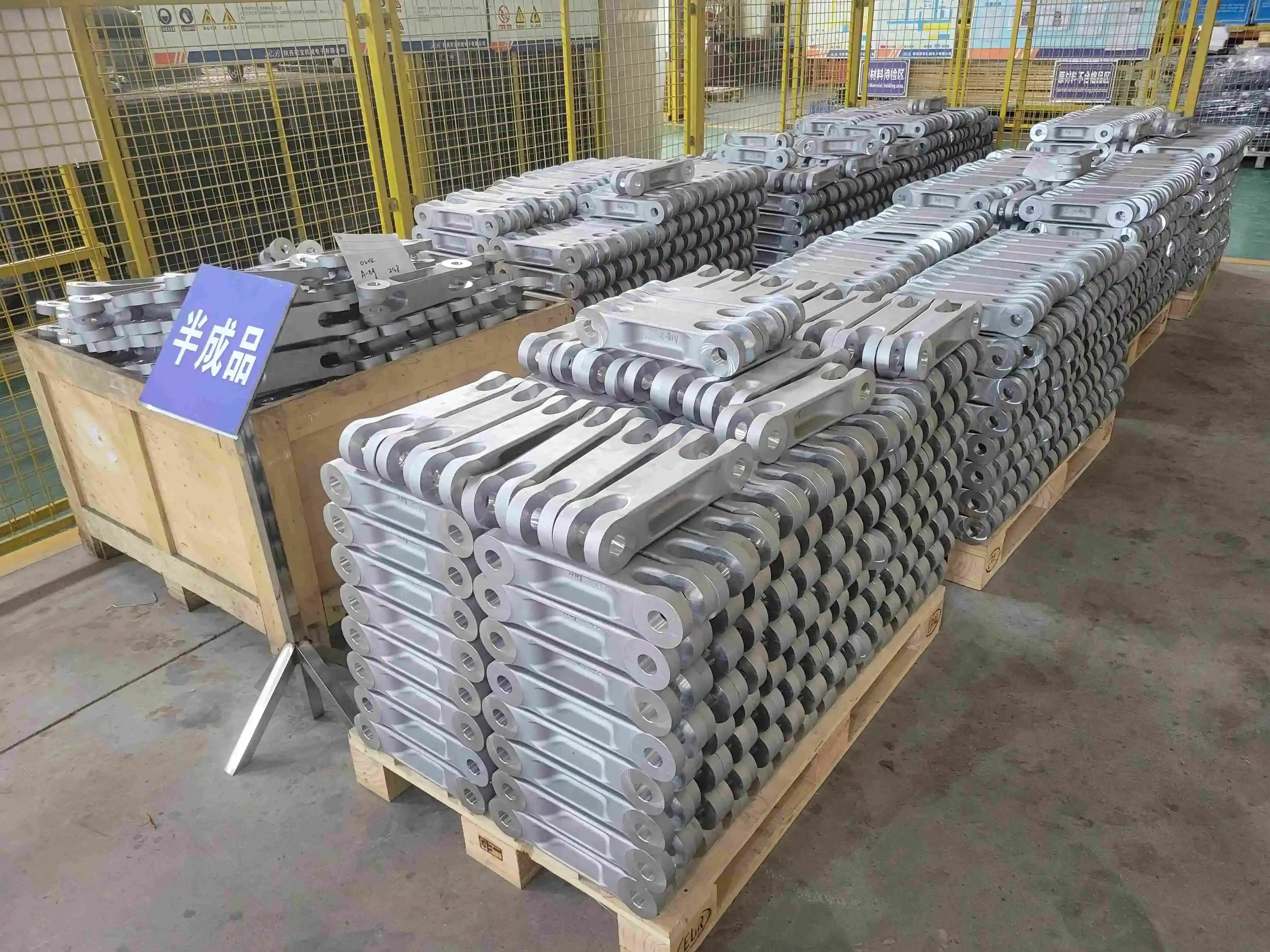
Aluminum-Iron Material Trade-offs
Cast iron end caps are 2.5 times heavier than aluminum ones, but they are a little stiffer and less likely to vibrate. Iron's lower material cost makes up for its processing problems in stationary industrial settings where weight doesn't affect installation. Aluminum, on the other hand, conducts heat four times better than iron. This makes aluminum the best material for motors that need to efficiently get rid of heat or that are used in hot environments.
Certification and Total Cost Analysis
The ISO 9001:2015 quality management standards require suppliers to have process controls and documentation systems to ensure batch consistency. A mature organization with ISO 14001 and ISO 45001 environmental management certification and workplace health standards reduces supply chain risks over time. Suppliers must work hard and spend money to get and maintain these certifications, which eliminates small enterprises that lack systematic quality control.
Consider more than the piece price when calculating the overall cost. You must also consider minimum order quantities, packing requirements, and shipment wait periods. If a supplier provides a 5% cheaper unit cost but requires three weeks longer lead times, it may increase inventory costs and supply chain vulnerability, negating any savings.
Procurement Strategies for Casting Motor End Covers in the OEM Market
To do good sourcing, you need to know about the skills of your suppliers, the costs of production, and the relationship factors that show if a partnership with a seller offers more than just price competition.
Identifying Qualified Suppliers
Reliable casting providers have three main skills: they can make your products in more than one way, from die casting to finishing; they have quality system certifications that are known in the markets you want to sell to; and they have been exporting for a long time, serving picky customers around the world. Rongbao Enterprise has ISO-certified factories that offer combined production, from mold development to CNC machining and surface treatment. This gets rid of the problems that come with multi-vendor supply chains, like having to coordinate a lot of different vendors and manage quality risks when parts are handed off.
Evaluating Pricing and Volume Economics
High-pressure casting motor end cover molds cost between $15,000 and $35,000, depending on complexity and cavity count. This expenditure is dispersed across a vast amount of manufacturing, creating economies of scale that decrease piece costs as quantity increases. Because the cost of the tools will be spread out across many units, selling 5,000 to 50,000 0.6-kilogram ADC12 end covers per year will lower the price by 20 to 30%.
Suppliers that can customize motor designs are more important than catalog component sources. Custom casting offers specific mounting patterns, built-in features that reduce assembly effort, and material improvements that balance cost and performance. In the design phase, companies like Rongbao may use their process expertise to assist you in making the design cheaper and simpler to build without hurting its performance.
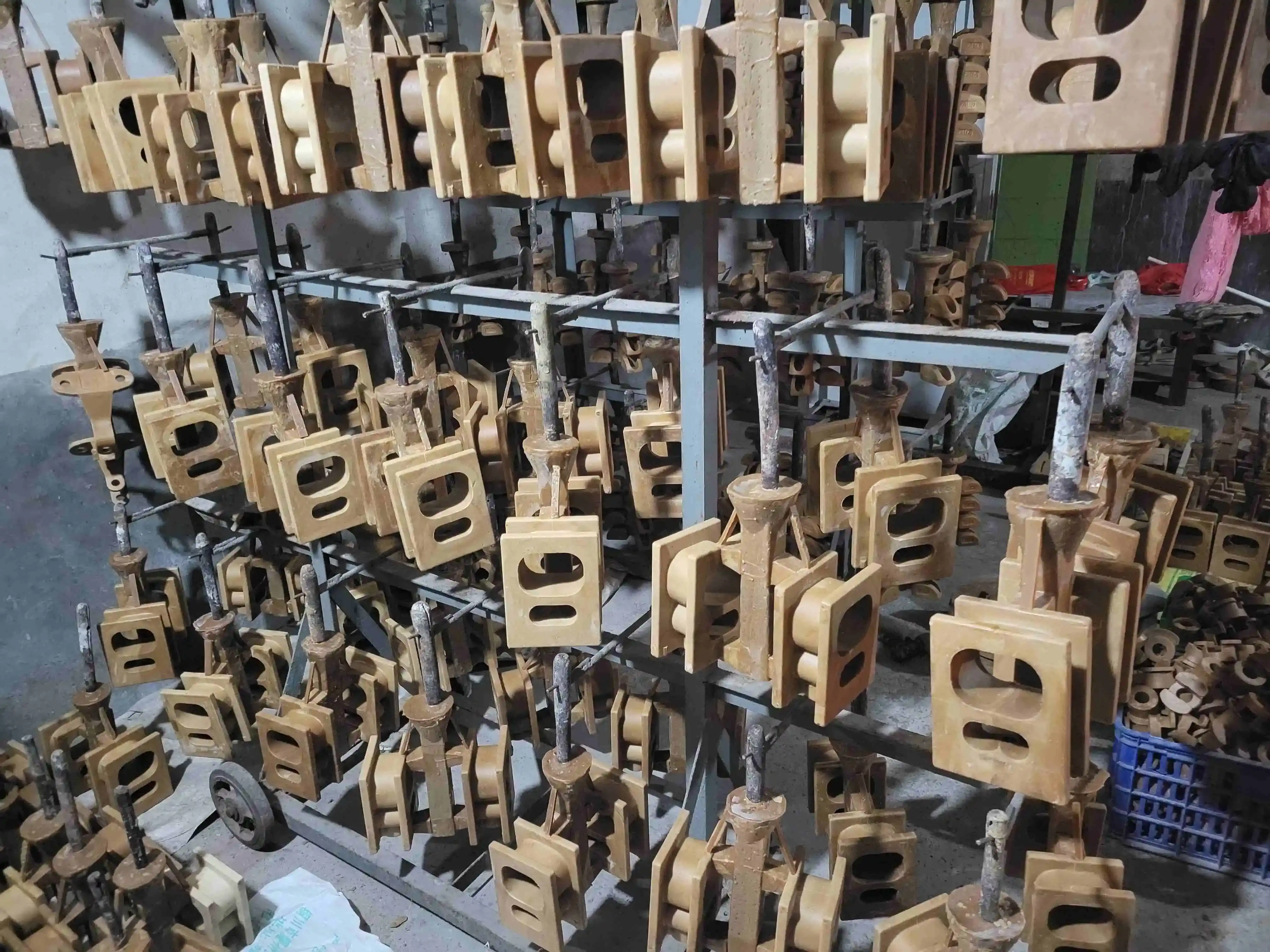
Managing Lead Times and Supply Continuity
Sample development and PPAP validation require 6–8 weeks before manufacturing. We make the mold, cast the samples, examine the measurements, and test the mechanical strength. The purchase order to part shipment for known parts takes 3–4 weeks after approval. In constantly changing industrial environments, suppliers with high production capacity—Rongbao's facilities can create 1,000 items per day—can accommodate demand variations and urgent demands.
Supply interruption risks are reduced by working with 20-year-old suppliers with consistent capacity increases. Geographic variety is crucial because organizations with many production bases may redirect output if one place has issues that impact numerous areas.
Final Checklist: Ensuring You Make the Right Choice
Before you choose a seller and give them your exact requirements, make sure that the option you choose meets these important success factors.
Technical Alignment Verification
Make sure that the proposed specifications match the size needs, load conditions, and environmental exposure of your motor. Ask for specific process capability data that shows the provider can keep needed tolerances across output quantities that meet your yearly needs. Make sure that the mechanical properties and certifications of the materials meet or go beyond your engineering standards. To make sure that what you're looking at is the same as what you'll get in mass production, ask for samples from real production tools instead of prototypes.
Supplier Credibility Assessment
Check the quality system certifications to make sure they are still valid and cover the sites that will make your parts. Ask companies that work with similar industries and volume needs for customer references. Check the lists of production equipment to make sure it has the right amount of space and the latest technology. For example, modern die casting cells with automatic trimming and real-time process tracking give much more uniform quality than manual operations that depend on the skill of the operator.
Long-term Partnership Potential
Aside from the price and quality at the start, you should also think about whether the seller sees the relationship as a long-term business or a one-time transaction. When suppliers take the time to understand what your business needs, offer changes, and keep communication open even when there are problems with production, they provide value that goes beyond piece price. 70% of Rongbao Enterprise's production goes to high-demand markets in Europe, North America, and Japan. This means that the company knows what international customers want in terms of responsiveness, documentation, and constant improvement.
Conclusion
Create an assessment system that considers technical specifications, manufacturing quality, commercial terms, and supplier skills to identify the best casting motor end cover. The ideal solution offers regular measurements, good material qualities, reasonable cost, and reliable supply. Validated quality systems and manufacturing skills are also present. Taking the time to analyze suppliers based on these variables helps prevent costly quality concerns, production delays, and relationship challenges that result from hurried decisions. Finding a supplier that fits these needs creates a long-term partnership that will boost motor output and keep you competitive.

FAQ
1. How Do I Verify Dimensional Consistency Across Large Production Batches?
Ask for statistical process control data that shows CPK values for important measures over recent production runs of 10,000 or more units. It is standard practice for qualified suppliers to keep track of and record these metrics as part of their quality management systems. Ask for dimensional inspection reports from more than one batch date to make sure that the results are consistent over time, not just the approval of the first sample.
2. Can Casting Motor End Covers Be Customized for Proprietary Motor Designs?
Yes, custom casting can handle unique mounting patterns, built-in features, and size requirements that match the design of your motor. When a supplier offers integrated services from mold creation to production, it's easier to coordinate with just one provider instead of several. This customization adds a small amount to the cost of the tools, but it often lowers the cost of the parts as a whole by getting rid of extra work or assembly steps.
3. What Surface Treatments Provide Optimal Protection and Appearance?
Powder coating applied with a spray gun provides great protection against corrosion, a uniform look, and color choices that meet the needs of your brand. The process charges powder particles electrically, and they stick to grounded cast parts. Heat curing then makes a tough finish. Cleaning and possibly anodizing the surface before coating improves its stickiness and durability, especially for motors that work in tough industrial settings.
Partner With an Experienced Casting Motor End Cover Manufacturer
With 20 years of experience in aluminum die casting, Rongbao Enterprise makes motor parts for OEM customers around the world in the automobile, industrial equipment, and electrical gear industries. Our ISO 9001:2015, ISO 14001, and ISO 45001 certified factories use high-pressure die casting, precise CNC machining, and quality surface treatments to make production easier and can handle volumes from a single prototype to millions of units per year. We are experts at making ADC12 aluminum parts, like motor end covers, and can give procurement teams the consistent sizes, reliable batches, and low prices they need for large-scale production. During the planning process, our engineering team works with you to make sure that the casting can be made as easily as possible, and our quality systems make sure that every shipment meets your needs. You can email our team at steve.zhou@263.net or zhouyi@rongbaocasting.com to talk about your motor end cover needs and find out how working with a trusted casting motor end cover supplier can make your supply chain stronger.
References
1. Smith, J.L. (2021). Aluminum Die Casting for Electrical Motor Components: Materials, Processes, and Quality Control. Manufacturing Technology Press.
2. Thompson, R.K. & Chen, W. (2020). "Process Capability Analysis in High-Volume Die Casting Operations," Journal of Manufacturing Systems, 56, 234-248.
3. American Foundry Society (2022). Casting Design Guidelines for Motor Housings and End Covers, Technical Report AFS-22-114.
4. Zhang, H. & Martinez, P.D. (2019). "Thermal Management in Electric Motor Assemblies: The Role of Housing Materials," International Journal of Electric Motors, 43(2), 178-192.
5. Industrial Procurement Institute (2023). B2B Sourcing Strategies for Engineered Components: A Practical Guide for Manufacturing Procurement Teams. Chicago: IPI Publications.
6. Williams, A.C. (2021). "Quality Assurance in Aluminum Alloy Casting: Defect Prevention and Detection Methods," Metalcasting Technology Review, 68(4), 45-59.
Learn about our latest products and discounts through SMS or email