- English
- French
- German
- Portuguese
- Spanish
- Russian
- Japanese
- Korean
- Arabic
- Greek
- German
- Turkish
- Italian
- Danish
- Romanian
- Indonesian
- Czech
- Afrikaans
- Swedish
- Polish
- Basque
- Catalan
- Esperanto
- Hindi
- Lao
- Albanian
- Amharic
- Armenian
- Azerbaijani
- Belarusian
- Bengali
- Bosnian
- Bulgarian
- Cebuano
- Chichewa
- Corsican
- Croatian
- Dutch
- Estonian
- Filipino
- Finnish
- Frisian
- Galician
- Georgian
- Gujarati
- Haitian
- Hausa
- Hawaiian
- Hebrew
- Hmong
- Hungarian
- Icelandic
- Igbo
- Javanese
- Kannada
- Kazakh
- Khmer
- Kurdish
- Kyrgyz
- Latin
- Latvian
- Lithuanian
- Luxembou..
- Macedonian
- Malagasy
- Malay
- Malayalam
- Maltese
- Maori
- Marathi
- Mongolian
- Burmese
- Nepali
- Norwegian
- Pashto
- Persian
- Punjabi
- Serbian
- Sesotho
- Sinhala
- Slovak
- Slovenian
- Somali
- Samoan
- Scots Gaelic
- Shona
- Sindhi
- Sundanese
- Swahili
- Tajik
- Tamil
- Telugu
- Thai
- Ukrainian
- Urdu
- Uzbek
- Vietnamese
- Welsh
- Xhosa
- Yiddish
- Yoruba
- Zulu
OEM Casting Agitator Base Parts: A B2B Buyer’s Guide
When sourcing industrial components for mixing equipment, casting agitator base parts serve as the foundational elements that determine operational reliability and equipment longevity. These precision-engineered components provide structural support to agitator assemblies, ensuring stability during continuous mixing operations across chemical processing, wastewater treatment, and manufacturing applications. Manufactured through aluminum alloy die casting processes, quality base parts deliver the mechanical strength and dimensional accuracy essential for seamless integration with existing systems while withstanding demanding industrial environments.
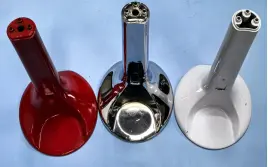
Understanding Casting Agitator Base Parts: Functionality and Types
Agitator base parts hold mixing systems to equipment frames, taking in movements and spreading loads evenly while the system is working. Cast base parts are more structurally stable than fabricated alternatives because they are made of a single piece, which means they don't have any weak spots like welded assemblies do.
Core Functions in Mixing Systems
These parts' main job is to keep rotating shafts stable during operations with variable speeds. When the base is designed correctly, the shaft doesn't get out of line, which can cause bearing wear and seal problems. High-quality casts have mounting areas that are made to very close tolerances, usually within 0.05 mm. This makes sure that the equipment is aligned correctly from the time it is installed until it is retired after years of use.
Material Selection and Performance Characteristics
For mixer bases, ADC12 aluminum alloy is the norm due to its balance. This material resists chemical corrosion and has a strong strength-to-weight ratio. The average ADC12 base weighs 2 kg, making it simpler to install than cast iron bases without compromising structural integrity.
Modern manufacturing techniques like low-pressure die casting provide thick, hole-free microstructures. This process presses molten metal into molds at 0.7–1.5 bar. This creates castings with consistent mechanical properties throughout. That basic part can endure operating pressures and prevent fatigue problems that are common in high-cycle applications.
Common Design Variations
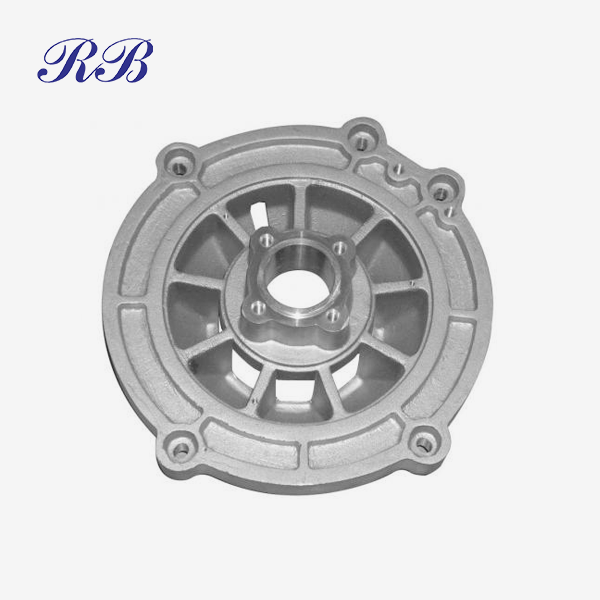
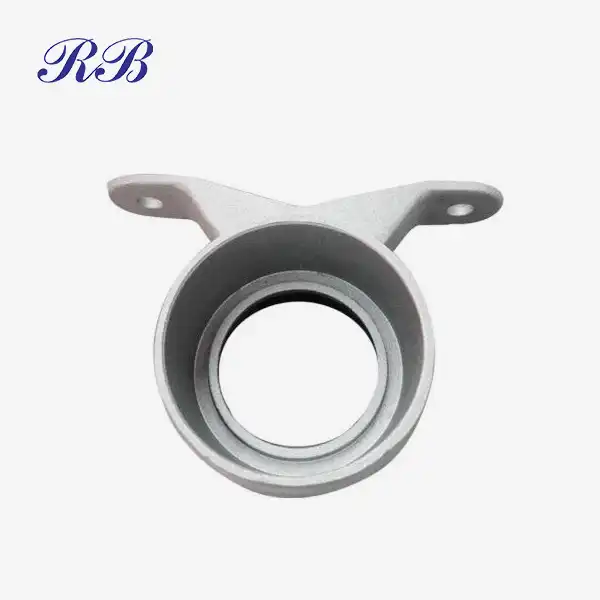
Manufacturers offer different base setups that can be used for different mixing needs. Foot-mounted designs are good for outdoor installs, while flange-mounted designs can be directly attached to vessel openings. Custom geometries can work with unusual space limitations or unique shaft setups, and the specs can be changed to fit the needs of the equipment.
Comparing Casting Agitator Base Parts with Alternatives: Making an Informed Choice
When B2B buyers are looking at different component choices, they have to think about how the casting agitator base parts will be manufactured in relation to their budget and business needs. When you know about these trade-offs, you can make decisions about procurement that minimize both short-term costs and long-term benefits.
Casting Versus Fabrication Methods
Due to their low cost and low tool requirements, welded fabrications are ideal for prototyping and small-scale production. However, cast components perform better in industry. Cast aluminum's continuous grain structure eliminates heat-affected zones in welded systems, where material characteristics degrade near seams. This ensures predictable performance as load varies.
Die-cast bases don't need to be machined since they have tighter size tolerances out of the mold. CNC methods concentrate on mounting faces and bearing bores, whereas unimportant features don't require additional effort. Fabricated pieces need a lot of cutting to be exact, which slows manufacturing and raises prices for big orders.
Total Cost Analysis
Costs after the first purchase should be considered by procurement teams. Cast aluminum bases that weigh roughly 2 kg are simpler to carry and set up, saving labor expenses while assembling or repairing equipment. They cost less to buy over five to ten years since they don't corrode and need less maintenance.
Another consideration is lead time. In six to eight weeks, including trial runs and samples, particular tools and established manufacturers may offer production quantities. Custom fabrications take longer to create, particularly if the idea is revised many times. Suppliers with 5,000-piece manufacturing capacities allow equipment makers to adapt to changing product lines and seasonal demand.

Material Performance in Industrial Environments
Materials that don't break down easily in process fluids and cleaning agents are needed for chemical processing. ADC12 aluminum forms a solid oxide layer that covers the material below, while steel alloys need protective coatings. Spraying or other surface treatments add extra protection while also meeting legal or esthetic needs.
When processes need to be heated or cooled, temperature steadiness is important. Aluminum alloys keep their shape over a wide range of temperatures that are common in industrial mixing. This keeps interference fits from coming loose or sticking together during thermal cycles.
How to Procure OEM Casting Agitator Base Parts: A Practical B2B Guide
For sourcing to work, possible providers need to be carefully evaluated, and technical needs need to be communicated clearly. Building relationships with capable manufacturers stabilizes the supply chain, which helps keep production going.
Evaluating Manufacturing Capabilities
Quality certificates demonstrate fundamental operations. 9001:2015 guarantees systematic quality management. ISO 14001 and ISO 45001 demonstrate worker and environmental safety. To maintain output quality, organization and procedures must mature and be rigorous.
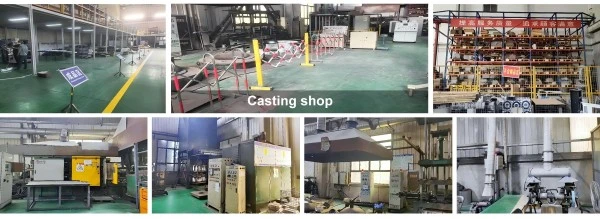
Develop talent, not credentials. Multi-vendor supply chain planning and quality handoff issues are avoided by managing casting, CNC machining, and surface treatment vendors. Full-process control speeds problem-solving and protects secrets.
How successfully a supplier grows with your organization relies on production. Companies producing 5,000 pieces each month may grow without certifying additional suppliers. Expanding helps when product launches exceed or when obtaining components from several sources to save supplier management costs.
Placing Custom Orders
Clear technical conversation is the first step to building good ties with OEMs. Giving 3D CAD models, material specs, and functional needs up front speeds up the accuracy of quotes. Talk about the load profiles, environmental exposure, and expected service life of the application to make sure that the designs meet the real-world needs.
Sample evaluation is still very important, even if the supplier has good credentials. Ask for pre-production samples that go through the same steps that will be used for mass production, such as CNC cutting and surface finishing. Before committing to big orders, dimensional inspection and material tests make sure that the production skills match the technical needs.
Negotiating Terms and Logistics
At quantity breaks, pricing structures based on volumes usually offer big savings. Knowing these limits helps make sure that order sizes are in line with the costs of keeping supplies and the plan for production. Some sellers offer leasing plans for customers who buy a lot of products. This helps customers save money on working capital while still making sure they can get the casting agitator base parts they need.
How the parts are packaged affects how much they cost and how well they work. Aluminum castings are shipped internationally in wooden boxes that protect them from damage to the surface that could mean they need to be fixed. In buy deals, make sure that packaging standards are clear so that there are no misunderstandings about what conditions are accepted for delivery.
Maintenance, Troubleshooting, and Longevity: Maximizing Your Casting Agitator Base Parts Investment
When you install and take care of parts the right way, they last longer and don't break down when you least expect it. Setting up repair procedures during the commissioning of equipment creates uniform methods that protect the integrity of the base part.
Installation Best Practices
The right mounting torque stops both under-tightening, which lets the part move, and over-tightening, which causes stress to build up. Follow the torque recommendations given by the equipment's maker, and use calibrated tools to make sure you're on target. After the first run-in times, check the tightness of the bolts because thermal cycling and shaking can change the joint preload.
Use dial indicators or laser alignment tools to check the position of the shaft while it is being installed. Misalignment puts abnormal loads on base castings, which speeds up wear and could lead to fatigue cracks. Keeping track of alignment readings sets standards for future repair checks.
Routine Inspection Protocols
Visual checks done at regular repair times find problems early on, before they become major problems. Check the surface for rust, especially where fastener holes are and where protective coatings may have been worn away. Touch-up treatments can be used to fix small spots of corrosion, stopping it from getting worse and threatening the structure's integrity.
Look for cracks near places that will be under a lot of stress, like mounting bosses and shaft support areas. Dye penetrant testing is a safe way to find cracks in aluminum castings without taking them apart. If cracks are found early, they can be replaced on a planned basis during planned downtimes instead of having to be fixed quickly during production runs.

Addressing Common Issues
More vibration usually indicates a worn bearing or an unbalanced shaft, which stresses the base components. Fixing issues at their source quickly prevents casting harm. Shaft runout should be examined after bearing replacement to keep within limitations. Bent shafts accelerate bearing and base wear.
Loosening screws may indicate low preload or improper fitment. Re-torquing addresses immediate issues, but chronic looseness may indicate poor vibration damping or an unsuitable foundation design. Talk to toolmakers about redesigning if normal approaches fail.
Why Choose OEM Casting Agitator Base Parts: Value and Reliability for Your Business
Choosing OEM parts from well-known companies has benefits that go beyond the performance of the individual parts. Strategic decisions about sourcing affect how well production runs, how well warranties are followed, and how well all of the equipment works overall.
Quality, Consistency and Compatibility
OEM parts made to the original specs make sure that they fit and work properly without any changes. Generic options might need to be changed, which can use up technical resources and add factors that affect how well equipment works. When dimensions are the same across production lots, there are no problems with fitting during assembly. This cuts down on line delays and the cost of rework.
Suppliers who have worked in the field for twenty years know about application needs that aren't shown in technical drawings. This unspoken knowledge guides the choice of materials, process factors, and quality checks that separate reliable parts from less reliable ones. Established makers have fixed common failure modes by making small changes over and over again. This has led to mature designs that work reliably in a wide range of circumstances.
Supply Chain Reliability
Manufacturers that sell their products in international markets show that they have the organizational skills that global equipment companies need. If you've shipped to Europe, the United States, and Japan before, you know about the export paperwork, quality standards, and packaging needs of each area. This level of operational maturity makes buying easier for people who are in charge of multiple production sites or who serve customers in different places.
Stable sellers with a wide range of customers are more likely to be there when you need them than sources that count on just one customer. Stable finances and ongoing investments in manufacturing capabilities show a dedication to long-term partnerships rather than quick market entry.
Technical Support and Customization
Rapid-response technical teams can tackle product development and field service application issues. Manufacturers that provide design assistance may advise adjustments that make the product simpler to build or more effective without hurting its utility. This collaborative approach speeds up problem-solving compared to transactional supplier partnerships that merely supply orders.
Customization allows you to satisfy tool demands quickly. Experienced OEM/ODM suppliers maintain their manufacturing processes open to react to specification changes. Altering mounting patterns, adding features, or altering sizes is typical for skilled partners.

Conclusion
You must consider technical requirements, the company's capacity to create them, and its supplier relationships to discover appropriate mixer base components. Quality ISO-certified die-cast aluminum bases guarantee dependable mixing equipment and constant operation. Knowing material qualities, how they are created, and the overall cost lets you make purchases that balance short-term financial demands with long-term operating needs. Strategic partnerships with experienced OEMs supply more than casting agitator base parts. They provide comprehensive help to optimize equipment design, supply chain management, and production outcomes.
FAQ
1. What lead times should I expect when ordering custom agitator base castings?
For first sales, the standard wait time is between six and eight weeks, which includes sampling and small-batch validation. This schedule includes getting the mold ready, doing test runs, and checking the quality. Once production conditions are set, repeat orders usually ship within one to two weeks, as long as the specs stay the same. For urgent needs, rush services may be available, but they usually come with extra fees.
2. How do I select the right material for my specific application?
Because it has a good combination of corrosion protection, mechanical strength, and casting properties, ADC12 aluminum alloy is good for most general industrial mixing tasks. Talk to your supplier's expert team about working conditions in places with harsh chemicals or very high or low temperatures. Based on the actual exposure conditions and expected service life needs, they can suggest different alloys or protective treatments.
3. Can manufacturers accommodate low-volume custom orders?
Many OEM providers will work with custom specs no matter how big or small the order is. However, for die-cast parts, the minimum order quantity is usually between 100 and 500 pieces because of the cost of the tools. Before investing in production tools, it may be possible to make a lot of prototypes using current tools or other methods to test the design. Suppliers can offer cost-effective solutions that fit your development plan and budget if you are clear with them about how much you expect to order.
Partner with Rongbao Enterprise for Your Casting Agitator Base Parts Needs
With 20 years of experience in aluminum die-casting, Rongbao Enterprise has a wide range of manufacturing skills, including design, production, and finishing. Our ISO 9001:2015, ISO 14001, and ISO 45001 standards show that we care about quality, the environment, and safety at work, which helps protect your supply chain's image. We are a company based in Xi'an, China, and we provide customized mixer base solutions to equipment manufacturers all over the world. Our one-stop shop does everything, from making molds to CNC machining and surface treatment. This makes coordination easier and makes sure that quality is the same across all production runs. We can handle up to 5,000 pieces per month and offer a range of customization choices, so we can grow with your business. Get in touch with our team at steve.zhou@263.net or zhouyi@rongbaocasting.com to talk about your needs with skilled casting agitator base parts suppliers who know how to mix things in industrial settings.
References
1. Smith, J. & Anderson, K. (2021). Industrial Casting Processes: Materials and Applications for Mechanical Components. Manufacturing Technology Press.
2. Chen, L. (2020). "Aluminum Alloy Selection for Die-Cast Industrial Equipment Components." Journal of Materials Engineering and Performance, 29(8), 5234-5248.
3. Roberts, M. (2022). B2B Procurement Strategies for Mechanical Components: Quality, Cost, and Supply Chain Management. Industrial Press Inc.
4. Thompson, R., & Liu, W. (2019). "Quality Assurance in Die Casting: Process Control and Defect Prevention." International Journal of Advanced Manufacturing Technology, 104(5-8), 2341-2356.
5. Williams, D. (2023). Mixing Equipment Design and Component Selection for Chemical Processing Industries. Process Engineering Publications.
6. Kumar, S. & Zhang, H. (2020). "Lifecycle Cost Analysis of Cast versus Fabricated Industrial Components." Journal of Manufacturing Systems, 56, 178-192.
Learn about our latest products and discounts through SMS or email