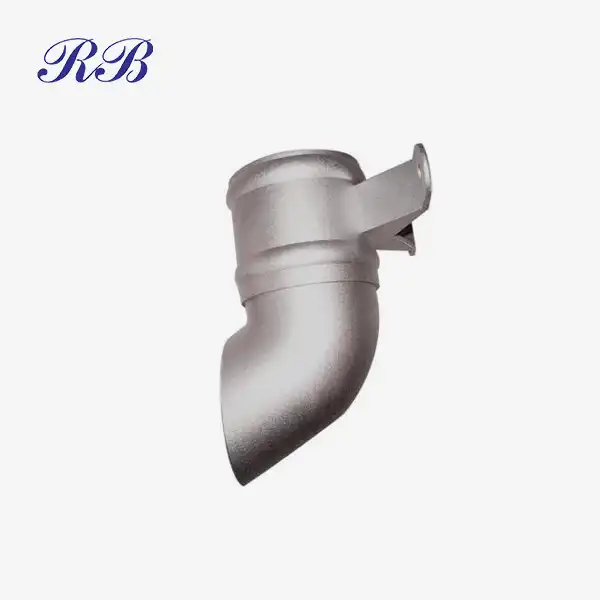
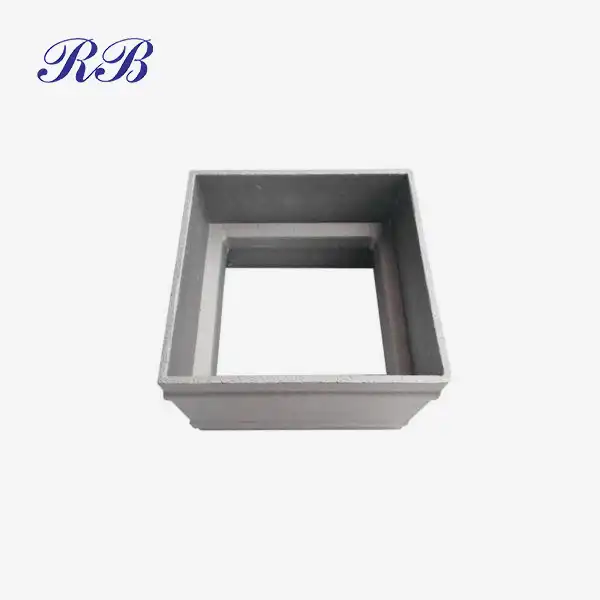
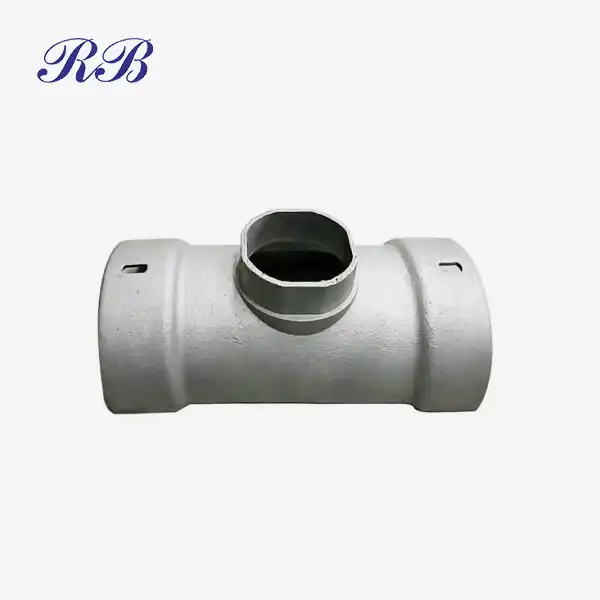
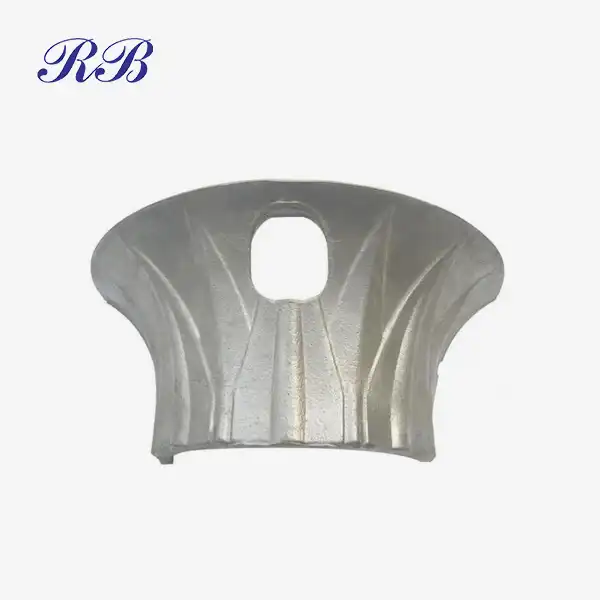
The question of pressure handling capacity appears straightforward at first glance. However, anyone who has worked with fire protection equipment recognizes that the answer involves multiple variables. A cast medium pressure outlet pipe manufactured through gravity casting processes will exhibit different performance characteristics compared to those produced through alternative methods. The aluminum alloy composition, the cooling rate during solidification, the presence of internal porosity, and the quality of post casting treatments all influence the final pressure rating. These factors become particularly relevant when systems operate near their design limits or when components age over extended service periods.
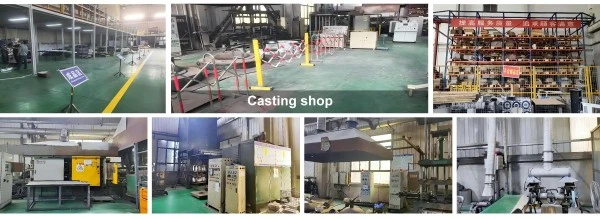
Standard Pressure Ratings
Most cast medium pressure outlet pipeservices carry ratings between 175 psi and 300 psi, though this range represents operating pressures rather than failure thresholds. The actual burst pressure of properly manufactured components typically exceeds these values by a considerable margin, often reaching 500 psi or higher before catastrophic failure occurs. This safety factor exists because piping systems experience not only steady state pressures but also transient events. Water hammer, for instance, can generate pressure spikes that momentarily exceed normal operating conditions by 50 percent or more. A pump starting against a closed discharge valve creates exactly this scenario.
Industry standards established by organizations such as the National Fire Protection Association provide frameworks for minimum acceptable performance. NFPA 20, which addresses the installation of stationary pumps for fire protection, specifies that discharge piping must handle the maximum pressure that the pump can generate. Because of this necessity, pump characteristics and pipe parameters are directly related. A fire pump rated for 150 psi at rated flow might produce 200 psi or more at shutoff conditions, meaning the discharge piping must accommodate these elevated pressures without deformation or leakage.
The testing protocols used to verify pressure ratings involve sustained pressure holds as well as cyclic loading. Cast medium pressure outlet pipes undergo hydrostatic testing at pressures typically set at 1.5 times the rated working pressure for a specified duration. This approach reveals manufacturing defects, validates wall thickness adequacy, and confirms that joints and transitions can withstand service loads. What these tests cannot fully replicate, however, are the cumulative effects of decades of thermal cycling, mechanical vibration, and corrosion that occur in actual installations. Engineers, therefore, incorporate additional safety margins when specifying components for critical applications.
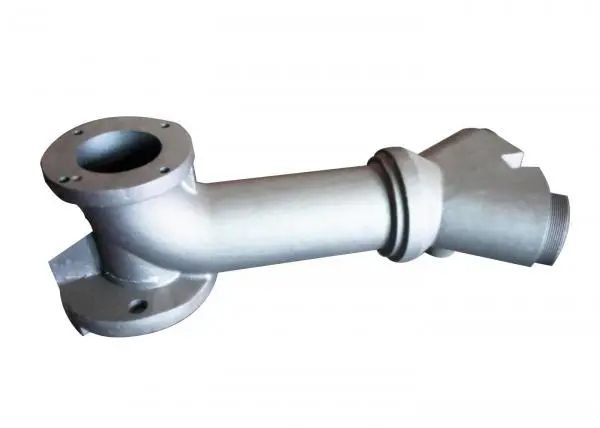
Customizable Pressure Bearing Capacity
The way that contemporary manufacturing handles component design is not consistent with the idea that pressure capacity is a fixed property. The capacity to handle pressure is directly impacted by the significant diversity in wall thickness, reinforcing patterns, and geometric features that gravity casting methods enable. When a project requires discharge piping capable of handling pressures above standard ratings, manufacturers can modify the casting pattern to increase material thickness in critical regions. This customization occurs most commonly in industrial facilities where fire pumps operate at higher pressures than typical commercial installations or in high rise buildings where static head contributes substantially to total system pressure.
Customization extends beyond simple dimensional changes. The orientation of reinforcing ribs, the radius of directional transitions, and the design of flange interfaces all contribute to how a component responds to internal pressure. Some applications require outlet pipes that accommodate not only high pressures but also elevated temperatures, such as those found in systems protecting industrial processes involving hot materials. In these situations, the material selection and heat treatment protocols become part of the customization process, ensuring that mechanical properties remain stable across the anticipated temperature range.
Rongbao, manufacturing cast medium pressure outlet pipes in Xi'an, China, has developed procedures that allow pressure ratings to be tailored to specific application requirements. Their production capabilities include pattern modification, controlled solidification techniques, and CNC machining operations that together enable the creation of outlet pipes meeting requirements that standard catalog items cannot satisfy. The combination of ISO 9001:2015, ISO 14001, and ISO 45001 certifications provides assurance that quality management systems support these customization efforts, though certification alone does not guarantee performance. Actual validation comes through testing protocols that verify each batch of components meets the specified pressure capacity before shipment occurs.

ZL101A Aluminum Alloy Material Performance
The selection of ZL101A as a base material for cast medium-pressure outlet pipes reflects a calculated balance between mechanical properties, corrosion resistance, and manufacturing practicality. This aluminum silicon alloy, containing approximately 6.5 to 7.5 percent silicon along with smaller amounts of magnesium, copper, and other elements, exhibits characteristics well suited to medium pressure applications. Good fluidity during casting is made possible by the silicon content, which also lessens the likelihood of shrinkage faults and allows for full mold filling. After solidifying, silicon and aluminum combine to produce a eutectic structure that increases the material's strength while preserving sufficient flexibility.
Mechanical testing of ZL101A components reveals tensile strengths typically ranging from 160 to 200 MPa, with yield strengths approximately 60 to 70 percent of ultimate values. These properties allow properly designed components, including the cast medium pressure outlet pipe, to safely contain pressures in the medium range while retaining sufficient ductility to accommodate minor misalignments during installation and slight movements during operation. The material's modulus of elasticity, approximately 70 GPa, means that pressure induced deformations remain elastic under normal service conditions, with components returning to their original dimensions when pressure releases.
Corrosion resistance represents another critical aspect of material performance, particularly in fire protection systems where water remains stagnant for extended periods between tests and actual fire events. ZL101A forms a stable oxide layer when exposed to water and atmospheric conditions, though the quality of this protection depends partly on surface preparation. Shot blasting operations, commonly applied after casting and machining, create a uniform surface texture that promotes oxide formation and removes casting scale that might otherwise provide sites for preferential corrosion initiation. The resulting surface exhibits improved resistance to pitting and general corrosion compared to as cast conditions.
The manufacturing process itself influences how ZL101A performs in service. Gravity casting, the primary method used for these components, produces a relatively coarse grain structure compared to methods involving pressure or rapid cooling. While this might suggest reduced mechanical properties, the actual impact on pressure capacity remains minimal for properly designed components. The slower solidification allows dissolved gases to escape more completely, reducing porosity levels that could otherwise serve as stress concentration sites. When combined with appropriate gating design and controlled pouring temperatures, gravity casting produces components with mechanical properties adequate for medium pressure service at weights approximately 7 kg per unit, facilitating handling during installation while maintaining structural integrity.
For inquiries regarding custom pressure ratings, material certifications, or technical specifications for cast medium pressure outlet pipes, contact Rongbao:
References
- National Fire Protection Association. (2019). NFPA 20: Standard for the Installation of Stationary Pumps for Fire Protection. Quincy, MA: NFPA.
- American Society for Testing and Materials. (2018). ASTM B26/B26M: Standard Specification for Aluminum Alloy Sand Castings. West Conshohocken, PA: ASTM International.
- Davis, J. R. (Ed.). (1993). Aluminum and Aluminum Alloys. ASM Specialty Handbook. Materials Park, OH: ASM International.
- Kaufman, J. G., & Rooy, E. L. (2004). Aluminum Alloy Castings: Properties, Processes, and Applications. Materials Park, OH: ASM International.
- Factory Mutual Research Corporation. (2016). Approval Standard for Fire Protection Pump Controllers. Class Number 1321. Norwood, MA: FM Approvals.