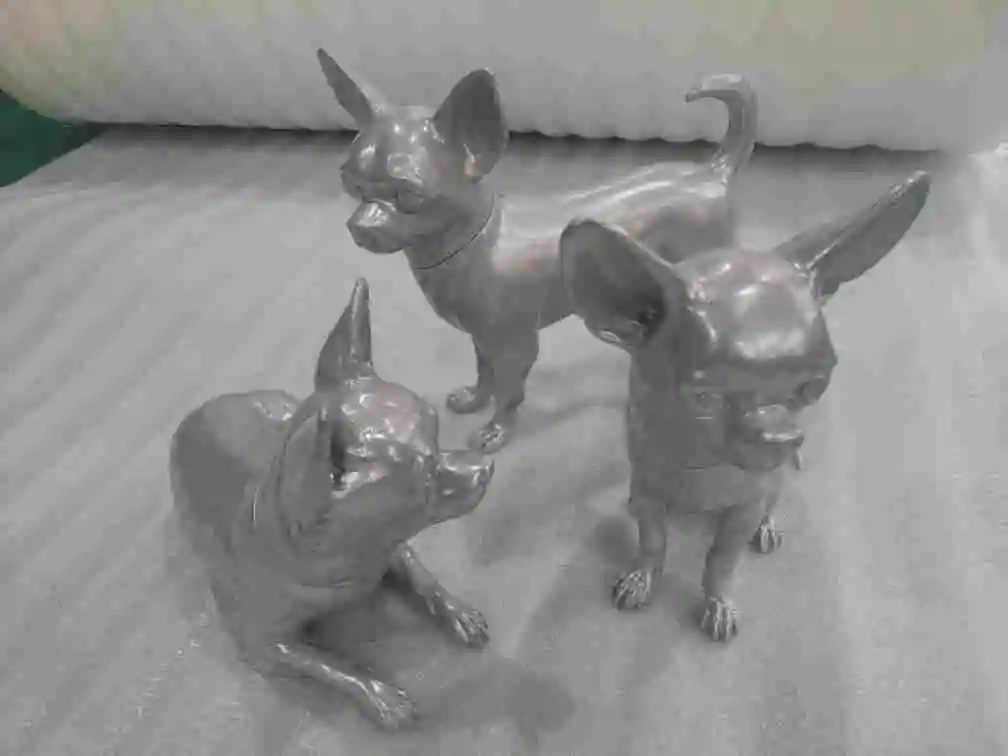
Production Scale Adaptation: Volume Economics and Operational Flexibility
Economic Thresholds in Manufacturing Decision-Making
Production quantity fundamentally determines which fabrication approach delivers optimal cost-effectiveness. Casting processes require substantial upfront investment in pattern creation, mold development, and furnace preparation. These fixed costs become economically justifiable only when distributed across sufficient production volumes. For casting craft souvenirs manufactured through investment casting or sand casting methods, the break-even point typically occurs between 100 and 500 units, depending on design complexity and material selection.
Consider a commemorative plaque project requiring 500 identical pieces in A356 aluminum alloy. The initial tooling investment might range from $2,000 to $5,000, but per-unit costs decrease dramatically as production scales. By the time manufacturers reach 500 units, the cost per piece might be $8 to $15, including material, labor, finishing operations, and quality control. Contrast this with 3D printing, where each item incurs similar production time and material costs regardless of quantity. The 500th printed piece costs essentially the same as the first, making additive manufacturing economically impractical for medium to large production runs of Casting Craft Souvenirs.
Scalability Infrastructure and Capital Investment
Manufacturing capacity expansion follows dramatically different trajectories for these technologies. Scaling 3D printing production requires purchasing additional machines, each representing significant capital expenditure with limited output increases. A facility attempting to print 1,000 units must either operate continuously for extended periods or invest in multiple printer arrays. Equipment maintenance, material replenishment, and post-processing labor scale linearly with production volume, creating persistent cost pressures.
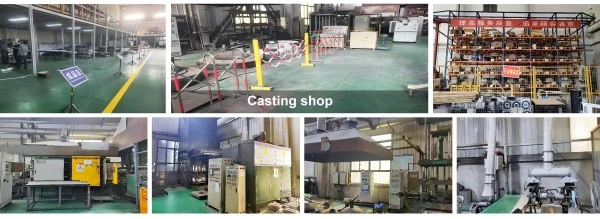
Casting operations, conversely, leverage existing infrastructure more efficiently as volumes increase. The same furnace that melts material for ten molds can serve twenty or fifty with marginal energy cost increases. Pattern and mold production can be outsourced or automated, spreading tooling investments across larger production runs. ISO9001:2015 certified facilities demonstrate systematic quality management that maintains consistency whether producing 100 or 10,000 units, something challenging to achieve with distributed 3D printing operations.

Material Range: Metallurgical Properties and Performance Characteristics
Alloy Diversity and Structural Integrity
Material selection often determines functional performance and aesthetic appeal in commemorative objects. A wide variety of metal alloys, each with unique mechanical and aesthetic qualities, may be used in casting techniques. Aluminum alloys like A356 provide excellent castability, corrosion resistance, and favorable strength-to-weight ratios. Bronze alloys deliver classical aesthetic appeal with natural patina development over time. Long-term durability in outdoor or maritime settings is guaranteed by stainless steel castings.
The metallurgical structure of casting craft souvenirs differs fundamentally from 3D printed metal parts. Through regulated solidification, traditional casting produces isotropic mechanical characteristics and uniform grain shapes. A properly cast aluminum souvenir weighing 2kg exhibits consistent strength in all directions, with material characteristics matching wrought alloy specifications. For objects that are subjected to mechanical stress or that need exact dimensional stability at different temperatures, this consistency is essential.
Limitations in Additive Metal Manufacturing
While metal 3D printing technologies have advanced considerably, material options remain constrained compared to casting craft souvenirs. Direct metal laser sintering (DMLS) and electron beam melting (EBM) primarily work with stainless steel alloys, titanium, and select nickel-based superalloys. These materials command premium pricing, often two to five times the cost of equivalent cast alloys. Moreover, the layered construction inherent to additive processes creates anisotropic properties, where strength varies based on build orientation relative to applied forces.
Details and Appearance: Surface Quality and Aesthetic Refinement
Resolution and Feature Definition
The replication of small details and the quality of the surface finish are important considerations in the manufacture of commemorative items. Investment casting, particularly when combined with precision machining, achieves exceptional dimensional accuracy and surface smoothness. Wall thicknesses can taper to 1.5mm while maintaining structural integrity, and features such as text, logos, and decorative patterns reproduce with clarity approaching that of machined components. The casting technique, which is mostly limited by material fluidity and mold resolution rather than technology limitations, captures fine details from master designs, making it ideal for creating Casting Craft Souvenirs.
Modern 3D printing technologies advertise impressive resolution specifications, with some systems claiming layer heights below 50 microns. However, the visible layering characteristic of additive manufacturing remains detectable in most applications. Fine horizontal lines create texture that requires extensive sanding or chemical smoothing to eliminate. Vertical surfaces print more cleanly than angles or curves, where stair-stepping becomes pronounced. Text embossed or engraved into printed surfaces often needs manual cleanup to achieve professional presentation standards.
Finishing Operations and Surface Treatment
Casting craft souvenirs benefit from well-established finishing techniques developed over centuries of metalworking practice. Shot blasting removes scale and oxidation while creating uniform matte surfaces ideal for subsequent treatments. This process simultaneously cleans and stress-relieves surface layers, improving fatigue resistance and corrosion protection. Mechanical polishing, chemical etching, powder coating, and electroplating integrate readily into production workflows, allowing manufacturers to deliver finished products meeting exact customer specifications.
The as-cast surface quality from precision molds often requires minimal modification beyond shot blasting and possible paint application. CNC machining addresses any critical dimensions requiring tight tolerances, such as mounting holes or mating surfaces for multi-component assemblies. This combination of casting and selective machining delivers components ready for installation or display with efficient use of manufacturing resources.
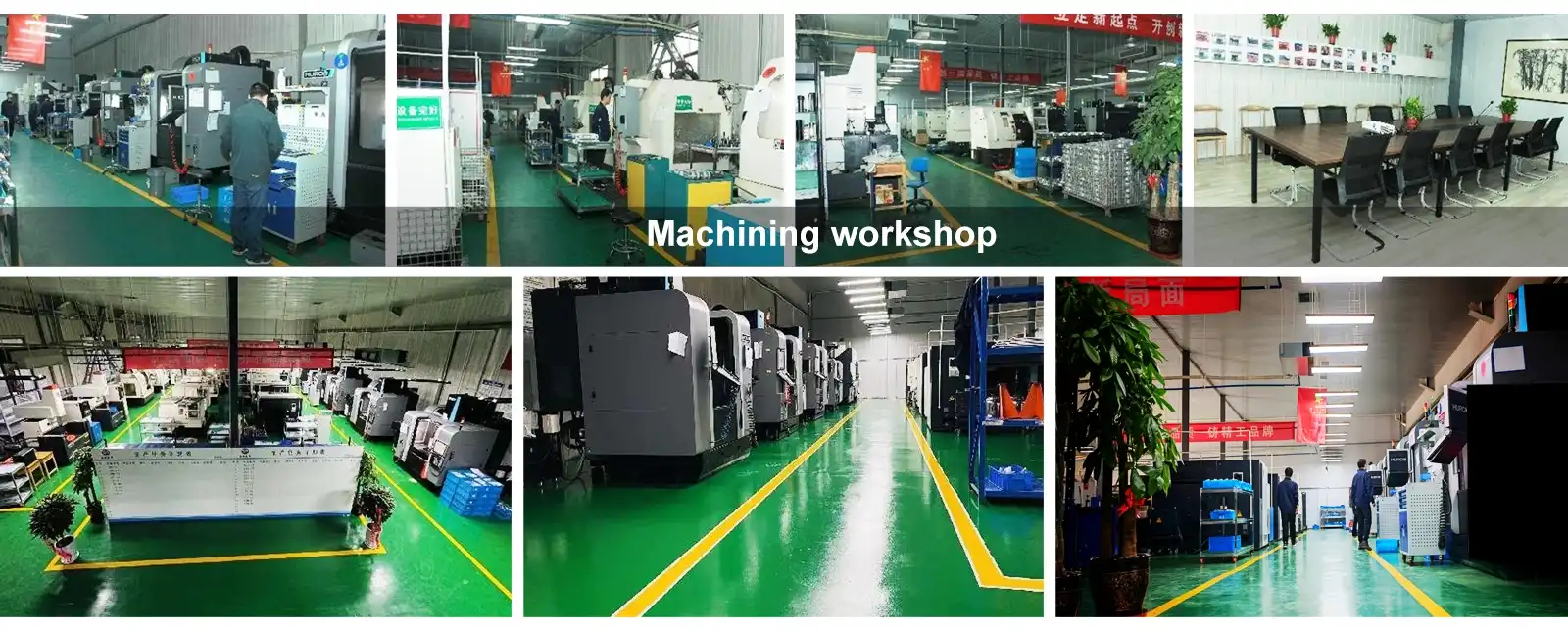
Casting Craft Souvenirs Supplier: Rongbao Enterprise
Precision casting for architectural ornamentation, commemorative artifacts, and bespoke metalwork projects is Rongbao Enterprise's area of expertise. Our Xi'an, China facility operates under ISO9001:2015, ISO14001, and ISO45001 certifications, ensuring consistent quality and environmental responsibility throughout production.
Our Casting Craft Souvenirs Capabilities:
✓ Application: Precision crafts and commemorative items
✓ Material: A356 aluminum alloy and various bronze, brass, stainless steel options
✓ Weight Range: From 0.5kg to 50kg per component
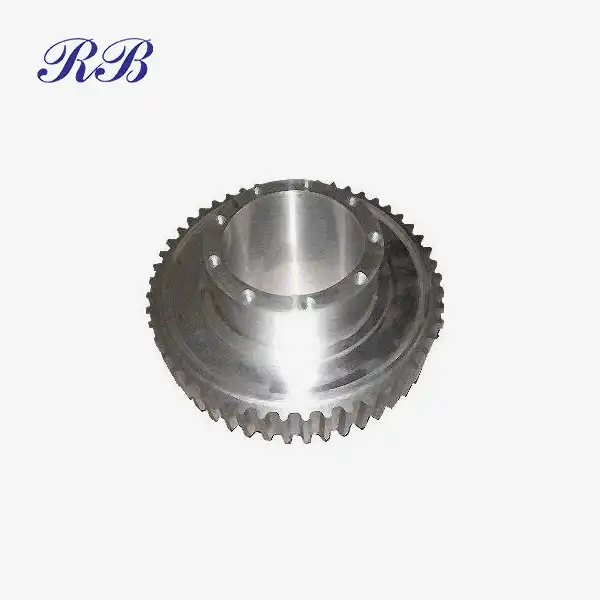
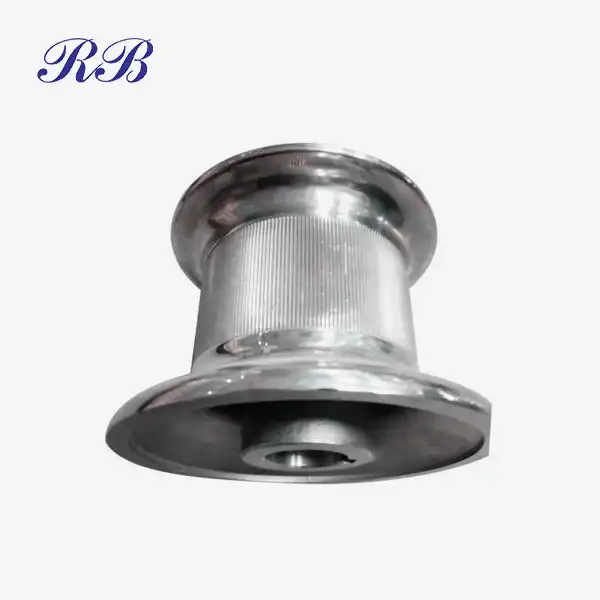
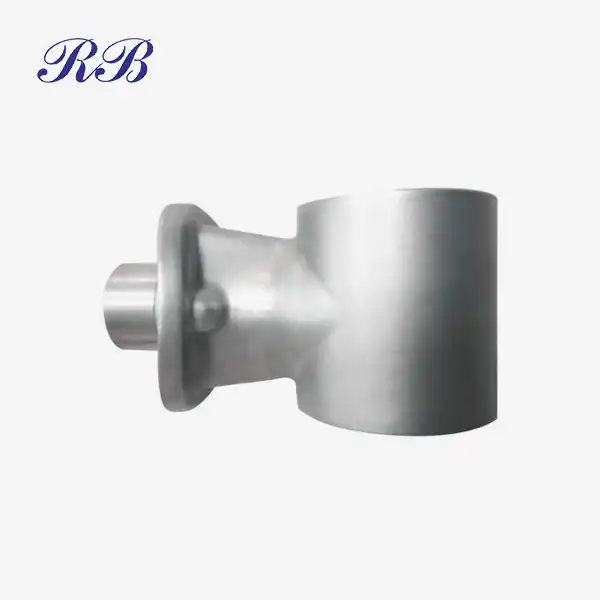
✓ Process: Investment casting with CNC machining
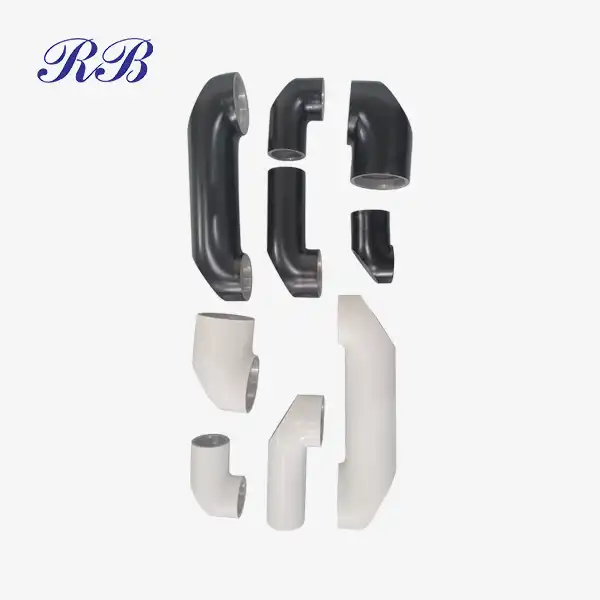
✓ Surface Treatment: Shot blasting, powder coating, polishing
We invite manufacturers, designers, and project managers to discuss how precision casting can meet your commemorative item requirements. Our engineering team provides design consultation, material selection guidance, and production planning support from concept through delivery.
Contact us today to explore your casting craft souvenirs project:
Email: steve.zhou@263.net or zhouyi@rongbaocasting.com
Experience the quality, consistency, and value that precision casting delivers for commemorative manufacturing applications.
References
- Campbell, J. (2015). Complete Casting Handbook: Metal Casting Processes, Metallurgy, Techniques and Design (2nd ed.). Butterworth-Heinemann. This comprehensive reference details investment casting processes, aluminum alloy metallurgy, and quality control procedures applicable to precision souvenir manufacturing.
- Gibson, I., Rosen, D., & Stucker, B. (2021). Additive Manufacturing Technologies (3rd ed.). Springer. An authoritative examination of 3D printing methods, materials, and economic considerations for industrial applications, including comparative analysis with traditional manufacturing.
- ASM International. (2018). ASM Handbook Volume 15: Casting. ASM International. Technical standards and best practices for metal casting operations, covering alloy selection, process control, and defect prevention in commercial foundry environments.
- Gebhardt, A. (2016). Understanding Additive Manufacturing: Rapid Prototyping, Rapid Tooling, Rapid Manufacturing. Hanser Publications. Explores economic thresholds, scalability limitations, and appropriate application domains for additive versus subtractive and formative manufacturing technologies.
- Taylor, P., Ockwell, A., & Ward, S. (2019). "Comparative Life Cycle Assessment of Metal Casting and Additive Manufacturing for Small-Batch Production." Journal of Cleaner Production, 230, 986-997. Peer-reviewed research examining environmental and economic factors in manufacturing technology selection for limited production runs.