- English
- French
- German
- Portuguese
- Spanish
- Russian
- Japanese
- Korean
- Arabic
- Greek
- German
- Turkish
- Italian
- Danish
- Romanian
- Indonesian
- Czech
- Afrikaans
- Swedish
- Polish
- Basque
- Catalan
- Esperanto
- Hindi
- Lao
- Albanian
- Amharic
- Armenian
- Azerbaijani
- Belarusian
- Bengali
- Bosnian
- Bulgarian
- Cebuano
- Chichewa
- Corsican
- Croatian
- Dutch
- Estonian
- Filipino
- Finnish
- Frisian
- Galician
- Georgian
- Gujarati
- Haitian
- Hausa
- Hawaiian
- Hebrew
- Hmong
- Hungarian
- Icelandic
- Igbo
- Javanese
- Kannada
- Kazakh
- Khmer
- Kurdish
- Kyrgyz
- Latin
- Latvian
- Lithuanian
- Luxembou..
- Macedonian
- Malagasy
- Malay
- Malayalam
- Maltese
- Maori
- Marathi
- Mongolian
- Burmese
- Nepali
- Norwegian
- Pashto
- Persian
- Punjabi
- Serbian
- Sesotho
- Sinhala
- Slovak
- Slovenian
- Somali
- Samoan
- Scots Gaelic
- Shona
- Sindhi
- Sundanese
- Swahili
- Tajik
- Tamil
- Telugu
- Thai
- Ukrainian
- Urdu
- Uzbek
- Vietnamese
- Welsh
- Xhosa
- Yiddish
- Yoruba
- Zulu
How many types of aluminium casting are there?
In contemporary manufacturing, there are seven main categories of aluminium casting processes, each of which is tailored to a certain set of production needs and quality criteria. Through a variety of molding processes, such as high-pressure die casting and conventional sand casting, liquid aluminum alloy is essentially transformed into solid components throughout the aluminium casting process.
Many different industries rely on aluminum casting as a crucial production method. This includes the automobile, aerospace, and industrial equipment industries. The manufacturing of intricate, lightweight, long-lasting metal components that fulfill demanding performance standards is made possible by it, which is why it is significant. In order to make educated sourcing selections, it is critical for buying managers, engineers, and OEM customers who work in global B2B procurement to have a thorough awareness of the various aluminium casting procedures.
The primary forms of aluminium casting will be described, their benefits will be compared, methods for improving quality will be highlighted, and useful procurement advice will be provided. To ensure cost-effectiveness and optimum component performance, the study seeks to enable decision-makers in choosing appropriate casting solutions that are adapted to their project needs and industry standards.
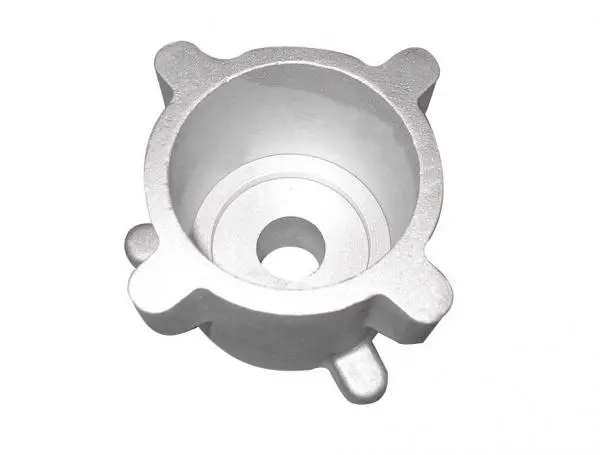
Overview of Aluminium Casting Processes
Examining the whole process, from raw materials to completed parts, is necessary to comprehend the foundations of aluminium casting. Achieving the desired quality of the finished product is determined by the meticulous manipulation of the molten metal and the strategic interactions between the molds. This process starts with melting the aluminum alloys to a liquid state in specialized furnaces.
Core Principles of Metal Transformation
Five critical steps in the aluminium casting process define the quality of the finished product. Using cores, patterns, and a variety of mold materials—such as sand, metal, or ceramic compositions—the mold is prepared to form the cavity. The melting process involves heating aluminum alloy to a liquid condition in a controlled furnace setting, where the temperature is carefully monitored and maintained.
Whether it's sand or permanent molds, molten aluminum is poured or injected into the mold cavity using either pressure for die casting applications or gravity for permanent molds. Cooling and solidification allow the metal to transform and harden within the mold structure, while finishing removes the casting from the mold, trims excess metal components, and performs necessary surface treatments or machining operations.
Advantages Driving Industry Adoption
Key advantages of aluminium casting include excellent strength-to-weight ratios that reduce overall component mass while maintaining structural integrity. Corrosion resistance extends component lifespan in challenging environmental conditions, while cost-effectiveness enables competitive pricing for high-volume production runs. Complex geometries that would be too expensive to machine using conventional methods may be easily accommodated by designs that are more adaptable.
The aircraft industry places a premium on component durability, and these features are also useful in the car industry, where reducing weight has a direct effect on fuel economy. When compared to more conventional materials and production methods, the combination of material qualities and manufacturing adaptability offers procurement teams attractive possibilities.
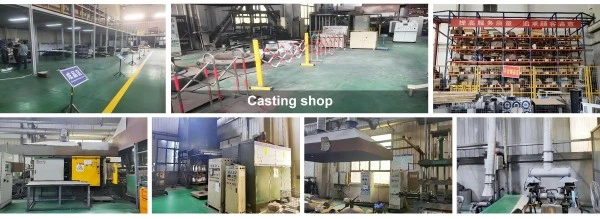
The Main Types of Aluminium Casting Explained
Seven different aluminium casting technologies are used in modern manufacturing, each one tailored to meet the needs of a certain industry or product. Making educated decisions on manufacturing partnerships and component standards is made possible by understanding these processes.
High-Pressure Die Casting for Precision Components
In order to achieve very precise dimensions and a high level of surface finish, high-pressure die casting uses very high pressure to crush molten aluminum into steel molds. Automotive engine components and electronic housings benefit greatly from this method's ability to produce complicated shapes with thin walls. Cycle periods are sometimes measured in minutes instead of hours, and production quantities may vary from thousands to millions of pieces.
This method reduces manufacturing costs for high-volume applications while maintaining tight tolerances and decreasing the need for additional machining. To maintain high standards of quality and maximize output, contemporary die casting machinery uses sophisticated automated systems.
Sand Casting for Versatile Applications
By making use of sand molds that may accept a wide range of component sizes and geometries, sand casting provides remarkable flexibility for small to medium batch manufacturing. For low-volume production runs and prototypes, this old-fashioned technique is still the way to go, especially when tooling costs are a concern. By strategically placing cores, the method is able to handle complicated internal features with acceptable dimensional precision.
When speed is of the essence in production, sand casting is a good option since its lead times are usually less than those of permanent mold alternatives. Though sufficient for most uses, crucial dimensions and aesthetic concerns sometimes need further machining to achieve an acceptable surface finish grade.
Low-Pressure Die Casting for Enhanced Quality
A state-of-the-art method, low-pressure casting fills molds with molten aluminum by use of controlled pressure rather than gravity. The holding furnace is positioned below the casting so that liquid metal may be continuously pressured as it flows upwards into the cavity via risers.
This approach guarantees top-to-bottom uniformity by accurately controlling the filling process, which in turn reduces oxide development and minimizes porosity. The dimensional precision and strength/density ratios of aluminum cast with a low-pressure die are unparalleled. While it works best for more basic, symmetrical shapes, incorporating sand into the mold allows for the creation of more intricate geometries.
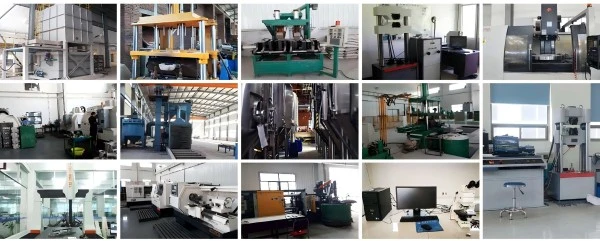
Investment Casting for Complex Precision Parts
For complex parts that need a perfect surface polish and exact dimensions, investment casting—also called lost-wax casting—is the way to go. This technology produces intricate outside elements and intricate interior passageways at a lower cost than competing approaches. For structural components and turbine blades in the aerospace industry, where weight reduction and accuracy are paramount, investment casting is a common method of choice.
Making wax designs, constructing ceramic shells, and then removing wax before adding molten metal is the process. The absence of secondary machining procedures often justifies the premium for high-precision applications, even if manufacturing costs are higher than other casting techniques.
Gravity Casting and Permanent Mold Techniques
In contrast to sand casting, gravity casting uses reusable metal molds to create parts with better mechanical characteristics. For medium-volume applications, the regulated chilling environment improves density and strength qualities at a reasonable manufacturing cost.
While gravity casting and permanent mold casting are related processes, the latter uses more complex mold designs and cooling systems. By combining the advantages of both flexible sand casting and high-volume die casting, these techniques provide well-rounded answers to unique manufacturing problems.

Comparison of Aluminium Casting Methods for Industrial Applications
In order to assess casting technologies, it is necessary to look at their accuracy, surface polish, production scalability, and cost implications in various manufacturing situations. Experts in purchasing are able to tailor material choices and production procedures to their unique industrial settings by comparing these two options.
Precision and Surface Finish Analysis
Die casting is known for its exceptional surface finish quality and remarkable dimensional precision, which often removes the need for additional processes. It is also known for keeping tolerances within ±0.1mm for the majority of features. Next in line is investment casting, which really shines when dealing with complicated geometries and the need to maintain minute details throughout the manufacturing process.
Sand casting is a good option for many industrial applications because to its reasonable accuracy; nevertheless, essential dimensions will need additional machining. While low-pressure casting is more expensive than high-pressure options, it outperforms conventional gravity processes in terms of precision.
Scalability and Production Volume Considerations
In high-volume manufacturing settings, high-pressure die casting is the method of choice. It may produce thousands to millions of pieces per year. Automakers and electronics manufacturers want to use automated die casting technology because it consistently produces high-quality parts at low unit prices.
When design modifications are frequent or when mass production is preceded by prototype development, sand casting is the method of choice for low to medium volume manufacturing. Precision explains higher unit costs in specialist applications like investment casting, which is often used in aerospace and medical device manufacture.
Material Properties and Performance Differences
Component performance under service circumstances is affected by the material qualities that are produced by different casting techniques. Because they cool quickly and produce a fine grain structure, die cast components have great mechanical qualities. All of the material characteristics are maintained throughout the cross-section of the component thanks to the regulated solidification environment.
With their adaptability in alloy choice and heat treatment possibilities, sand cast components show sufficient strength for several uses. By increasing the density of the material, low-pressure casting improves mechanical qualities and decreases porosity levels in comparison to gravity alternatives.
How to Improve Aluminium Casting Quality and Avoid Common Defects?
Aluminium casting quality control calls for methodical consideration of process variables, material selection, and equipment upkeep guidelines. To obtain high-quality components while keeping manufacturing efficiency high, producers need to know the most prevalent errors and how to avoid them.
Common Casting Defects and Root Causes
The gas trapping that happens during mold filling or insufficient degassing methods usually leads to porosity, which is the most common casting fault. When there isn't enough molten metal to offset the solidification contraction, as happens in thick sections or with poorly planned feeding systems, the result is a shrinkage defect.
When pouring temperatures are too high or mold filling patterns are too thin, surface defects like cold closes and misruns may occur. Component rejection and remanufacturing may be necessary due to these concerns, which affect both the component's aesthetics and its structural integrity.
Process Parameter Control Strategies
Controlling the temperature throughout the casting process has a major effect on the quality of the finished product. Ensuring full mold filling while avoiding excessive superheat enhances gas absorption and oxide production requires maintaining ideal pouring temperatures. A material's characteristics may be optimized and residual stress can be minimized by controlling the cooling rate.
To optimize the design of a mold, one must consider factors such as the positioning of gates, the size of runners, and the effectiveness of the venting systems in releasing trapped air and promoting consistent filling patterns. By coordinating their efforts, these design features guarantee uniform component quality and reduce the likelihood of defect generation.
Equipment Maintenance and Safety Protocols
Maintaining the furnace on a regular basis keeps the temperature under control and keeps refractory deterioration and pollution at bay. In order to prevent wear patterns and possible failure sites from affecting component quality, mold inspection processes are used. Properly maintaining the operating parameters of die casting equipment requires regular calibration and maintenance.
Proper PPE, emergency protocols, and ventilation systems in the workplace are essential for the safe handling of molten aluminum. Regulatory compliance across international production standards is maintained while operator welfare is protected by these procedures.
Procurement Insights for Aluminium Casting Parts
Comprehensive supplier assessment criteria that encompass technical skills, quality systems, and long-term relationship prospects are necessary for successful procurement of aluminium casting components. Both the current and future demands for production scalability are affected by strategic sourcing choices.
Supplier Selection and Evaluation Criteria
Among the many certifications held by reputable aluminium casting suppliers are quality management systems certified to ISO 9001 and industry-specific standards like IATF 16949 for automotive applications. The capacity to reliably transport goods and determine total cost of ownership are both affected by logistical infrastructure and geographical capabilities.
The ability to execute a project successfully depends on technical skills, which include sophisticated equipment, process control systems, and engineering support services. Partnership sustainability over the long term and scalability to meet future growth demands are indicated by suppliers' financial stability and capacity utilization rates.
Pricing Structures and Cost Management
To grasp casting economics, one must examine the factors that affect overall project costs, such as tooling prices, unit pricing structures, and chances for bulk discounts. All over the world's supply chains, lead times impact the methods used for managing inventories and the needs for production planning.
Die casting offers competitive unit prices for high-volume manufacturing, but it usually demands considerable upfront equipment expenditures. For medium-volume applications, sand casting keeps unit prices acceptable while minimizing initial tooling needs. Though it comes at a premium price, investment casting gets rid of the need to machine complicated parts a second time.
Custom Prototyping and Mass Production Capabilities
Prior to investing in production tooling, it is possible to validate the design by evaluating the supplier's capability for prototype creation. Product development cycles may be shortened and total project risks and costs can be reduced using rapid prototyping capabilities.
Suppliers can meet increasing volume demands without sacrificing quality or delivery performance if mass manufacturing is scalable. The long-term development goals of a company may be better met via strategic OEM relationships, which provide specialized capacity allocation and advantageous pricing arrangements.
Conclusion
The seven primary types of aluminium casting—high-pressure die casting, sand casting, low-pressure die casting, investment casting, gravity casting, permanent mold casting, and emerging additive manufacturing techniques—each serve distinct manufacturing requirements across various industries. Understanding these methods enables informed procurement decisions that balance cost considerations with performance requirements while ensuring optimal component quality.
Successful aluminium casting procurement requires comprehensive evaluation of supplier capabilities, process technologies, and quality systems that align with specific project requirements. The selection criteria must consider both immediate production needs and long-term partnership potential to achieve sustainable competitive advantages in global markets.
Partner with Rongbao Enterprise for Superior Aluminium Casting Solutions
Rongbao Enterprise stands ready to transform your component requirements into precision-engineered solutions through our comprehensive aluminium casting process capabilities. Our expert team combines decades of manufacturing experience with cutting-edge technology to deliver exceptional quality across high-pressure die casting, low-pressure casting, and specialized finishing operations.
As a trusted aluminium casting process supplier, we offer customized consultations that address your specific technical requirements, volume expectations, and delivery schedules. Our global manufacturing footprint and ISO-certified quality systems ensure reliable partnerships that support your business growth objectives while maintaining competitive pricing structures.
Contact steve.zhou@263.net or zhouyi@rongbaocasting.com to discuss your project requirements and receive detailed quotations tailored to your specifications.
FAQ
Which casting method best suits high-precision applications?
Investment casting delivers the highest precision for complex geometries, maintaining tight tolerances while producing superior surface finish quality. High-pressure die casting excels for simpler shapes requiring dimensional accuracy, while low-pressure casting provides enhanced quality for medium-complexity components.
What practical measures reduce defects in sand casting?
Proper mold preparation, controlled pouring temperatures, and adequate venting systems minimize common sand casting defects. Regular sand quality testing, appropriate binder selection, and systematic mold inspection procedures ensure consistent component quality throughout production runs.
What variables influence aluminium casting order lead times?
Lead times depend on component complexity, production volume, tooling requirements, and supplier capacity utilization. Die casting typically requires longer initial setup but enables rapid production cycles, while sand casting offers shorter setup times for prototype and low-volume applications.
References
1. Campbell, John. "Complete Casting Handbook: Metal Casting Processes, Metallurgy, Techniques and Design." Butterworth-Heinemann, 2015.
2. Beeley, Peter R. "Foundry Technology: A Source Book of Basic Information and Data." Elsevier Science & Technology, 2001.
3. Jorstad, John L. "Aluminum Casting Technology: Fundamentals and Applications for Industry." American Foundry Society, 2007.
4. Kaufman, J. Gilbert and Elwin L. Rooy. "Aluminum Alloy Castings: Properties, Processes, and Applications." ASM International, 2004.
5. Monroe, Ralph W. "Casting Design and Performance: A Reference for Manufacturing Engineers." ASM International, 2005.
6. Stefanescu, Doru Michael. "Science and Engineering of Casting Solidification." Springer International Publishing, 2015.
Learn about our latest products and discounts through SMS or email