- English
- French
- German
- Portuguese
- Spanish
- Russian
- Japanese
- Korean
- Arabic
- Greek
- German
- Turkish
- Italian
- Danish
- Romanian
- Indonesian
- Czech
- Afrikaans
- Swedish
- Polish
- Basque
- Catalan
- Esperanto
- Hindi
- Lao
- Albanian
- Amharic
- Armenian
- Azerbaijani
- Belarusian
- Bengali
- Bosnian
- Bulgarian
- Cebuano
- Chichewa
- Corsican
- Croatian
- Dutch
- Estonian
- Filipino
- Finnish
- Frisian
- Galician
- Georgian
- Gujarati
- Haitian
- Hausa
- Hawaiian
- Hebrew
- Hmong
- Hungarian
- Icelandic
- Igbo
- Javanese
- Kannada
- Kazakh
- Khmer
- Kurdish
- Kyrgyz
- Latin
- Latvian
- Lithuanian
- Luxembou..
- Macedonian
- Malagasy
- Malay
- Malayalam
- Maltese
- Maori
- Marathi
- Mongolian
- Burmese
- Nepali
- Norwegian
- Pashto
- Persian
- Punjabi
- Serbian
- Sesotho
- Sinhala
- Slovak
- Slovenian
- Somali
- Samoan
- Scots Gaelic
- Shona
- Sindhi
- Sundanese
- Swahili
- Tajik
- Tamil
- Telugu
- Thai
- Ukrainian
- Urdu
- Uzbek
- Vietnamese
- Welsh
- Xhosa
- Yiddish
- Yoruba
- Zulu
Cast Rectangular Hopper vs. Welded Hoppers
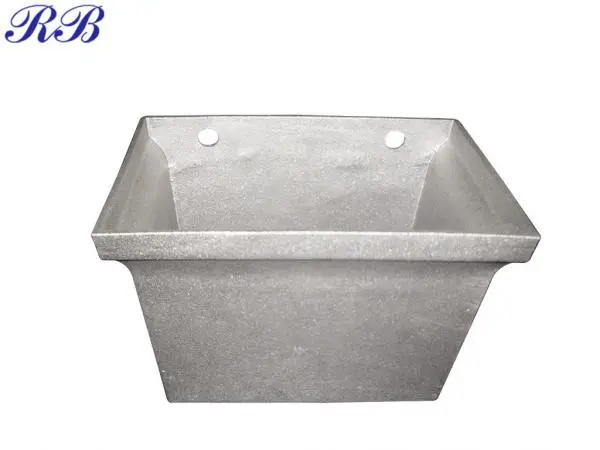
Your operating efficiency, maintenance costs, and long-term performance are all greatly affected by the choice you make when selecting between welded and cast rectangular hoppers. The higher structural integrity of cast rectangular hoppers is due to their monolithic construction, which eliminates weak areas sometimes seen in welded seams. When compared to conventional welded hopper assemblies, which use several linked parts, this manufacturing method offers better durability, more uniform material flow, and less maintenance needs.
Understanding the Fundamental Manufacturing Differences
The manufacturing methods and consequent structural properties are the main differentiating factors among various hopper kinds. Pouring molten metal into precisely constructed molds creates seamless, one-piece components in cast rectangular hopper manufacture. By using this method, the stress concentrations and any weak spots that are inherent to welded connections are removed.
Cutting, shaping, and welding individual metal parts are only a few of the many manufacturing processes involved in making welded hoppers. Welds are possible weak spots because they join materials with different characteristics than the underlying metal. Alterations to mechanical characteristics are common in the heat-affected zones around welds, which may reduce their performance over time.
Three main distinctions in production become apparent:
- Casting ensures structural continuity by maintaining a uniform grain structure all the way through the part.
- Distribution of stress: uniform patterns vs. localized stress at weld sites
- Surface quality: uniform surface features vs. welded zone-specific property variations
Cast rectangular hoppers provide higher performance features if you require optimum structural dependability for heavy-duty applications.
Material Properties and Performance Analysis
You get the most out of your cast rectangle hopper design, be sure you choose the best materials for casting. The outstanding strength-to-weight ratio and corrosion resistance of A356 aluminum alloy make it a popular choice for precision casting applications. Tensile strengths of 290-310 MPa and elongation values of 8-10% were recorded for A356 castings in the testing results.
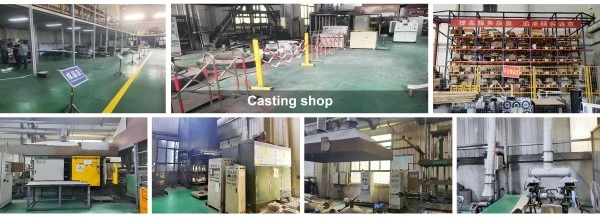
Grain structure and mechanical qualities may be optimized during the casting process, which enables regulated solidification patterns. By using directional solidification processes, the porosity problems that might occur in welded assemblies are eliminated, and the material density remains uniform throughout the component.
Standard structural materials used in welded hoppers may not be the best choice depending on the needs of the application. Damage to fatigue resistance and corrosion performance may occur as a result of microstructural changes brought about by heat cycling during welding.
Comparison of critical performance indicators:
- Cast components have a fatigue life that is 40-60% longer than other materials
- Consistent protection from corrosion is provided by surfaces with uniform characteristics
- Impact resistance: Energy is absorbed more efficiently by a monolithic structure
Cast rectangular hoppers provide significant benefits over welded counterparts in terms of material performance and lifetime.
Design Flexibility and Customization Capabilities
Casting allows for a great deal more geometric latitude in the design of rectangular hoppers than is possible with welded construction. Assembly limitations are no longer an obstacle to the realization of complex interior geometries, integrated mounting features, and optimum flow channels. Complex geometries that would need a great deal of welding and milling might be cast using the casting technique.
The material flow properties may be improved with the use of modern casting processes, which allow for wall thickness changes, internal reinforcing ribs, and intricate transition zones. Unlike welded assemblies, these design components blend in with the cast structure without creating stress concentrations.
Here are some options for personalization:
- Optimal control of wall thickness with variation
- Attachment points and mounting brackets integrated
- Increased flow efficiency via intricate interior geometry
- Optimized material handling with the use of surface textures
Rectangular hoppers made to order meet unique installation specifications without sacrificing strength. When regular welded setups don't cut it, the adaptability comes in handy for niche uses.
Cast rectangular hoppers provide improved customisation opportunities if you want complicated geometries or particular design characteristics.
Cost Analysis and Economic Considerations
It would seem that welded fabrication setups need less initial tooling investment than cast hopper manufacture. Nevertheless, substantial long-term economic benefits are shown by thorough cost analyses. Investing in casting tooling is usually justified by lower per-unit manufacturing costs for production quantities above 500 units.
By using casting, the many fabrication processes involved in welded construction—including cutting, shaping, fit-up, welding, and post-weld treatment—are rendered unnecessary. Manufacturing time and personnel costs are both cut down because to this simplified production process, which also improves quality consistency.
Factors that support casting among the economy:
- Production close to net form reduces the need for machining
- Spending on weld inspection and testing cut in half
- Decreased rates of rejection achieved by steady production procedures
- Faster assembly with lower labor expenses
The benefits of maintenance cost savings become apparent when service life is prolonged and failure rates are lowered. When compared to welded alternatives, cast rectangular hoppers usually need 30–40% less maintenance interventions, which means they save a lot of money in the long run.
Cast rectangular hoppers provide greater economic value if you require cost-effective solutions for medium to high-volume manufacturing.
Quality Standards and Manufacturing Certifications
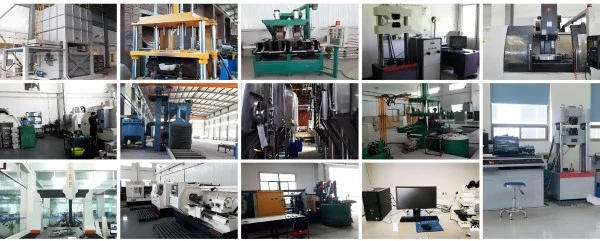
To guarantee continuous performance and dependability, steel cast hoppers are manufactured in accordance with strict international quality requirements. Verification of raw materials to final inspection processes are all part of the systematic quality management that comes with ISO9001:2015 certification.
Sustainable manufacturing processes are shown by environmental management compliance as evidenced by ISO14001 accreditation. Considering that procurement departments are making environmental responsibility a top priority when selecting suppliers, this is becoming more and more crucial.
The production processes are guaranteed to fulfill the international safety criteria for workplaces by adhering to occupational health and safety standards (ISO45001). The competence and dependability of suppliers are bolstered by these certificates, which provide procurement managers peace of mind.
Some methods for ensuring quality are:
- Certification and inspection of incoming materials
- Tracking and documenting process parameters
- NDT verification, or non-destructive testing
- Assurance of dimensional correctness
- Evaluation of the surface's sheen
In order to address quality problems and implement continuous improvement projects, traceability systems monitor materials and processes all the way through manufacturing.
Cast rectangular hoppers from approved manufacturers provide the highest level of confidence when it comes to quality and thorough certification.
Applications Across Industrial Sectors
Various sectors rely on rectangular hoppers for dependable material handling solutions. In order to automate the assembly line and avoid expensive production interruptions, cast hoppers are used by the automotive industry. Capabilities for mass manufacturing with zero-defect quality requirements are required by the automobile business.
The long lifespan and resistance to wear and tear of cast hoppers make them ideal for use in construction and heavy equipment. Material handling equipment, loaders, and excavators need hoppers that are structurally stable and can endure harsh environments and heavy loads.
Here are some examples of common uses for industrial equipment:
- Transport systems that use pneumatics
- Managing and transporting materials in bulk
- Parts of the assembly line that are automated
- Inspection and quality control stations
- Systems for packaging and delivery
Specialized rectangular hoppers with high environmental resistance ratings are required for use in the energy industry. Reliable operation in severe weather conditions with exact dimensional tolerances is essential for wind power generating equipment hoppers.
Cast iron hopper components used in aerospace must be lightweight while yet satisfying demanding performance standards. Superior documentation and material tracking are necessities for these applications.
Count on the dependability and versatility of cast rectangular hoppers for a wide range of industrial applications.

Maintenance Requirements and Service Life
The surface quality and structural integrity of hoppers have a considerable impact on their flow efficiency during long periods of operation. Cast rectangular hoppers are resistant to deformation under pressure and have homogeneous surface features, which allow them to retain constant flow characteristics.
Differential wear patterns at weld interfaces may interrupt material flow and even cause blockages in welded hoppers. The continuous performance throughout their service life is ensured by the monolithic construction of cast hoppers, which avoids these interface difficulties.
There are many benefits to maintenance:
- Less need for inspections as a result of consistent wear trends
- Streamlined cleaning processes with uniform, smooth surfaces
- Extended replacement intervals through enhanced durability
- Minimize the need to stockpile replacement components
- Minimized disruptions caused by maintenance tasks
Unlike welded systems, which often need structural repairs, cast hoppers typically only need regular cleaning and inspection. This streamlined method of maintenance lowers operating expenses and enhances the availability of equipment.
Cast components show regular wear patterns, which helps predictive maintenance algorithms determine how long a part will last and when to replace it.
The practical benefits of cast rectangular hoppers include increased service life and reduced maintenance needs.
Rongbao Enterprise Cast Rectangular Hopper Advantages
Rongbao Enterprise has extensive production capabilities and established industry understanding, allowing them to produce outstanding cast rectangular hopper solutions. Among our many benefits are:
• State-of-the-art Production Methods: Capabilities for the whole casting process, including HPD, LPD, and gravity casting techniques fine-tuned for rectangular hopper manufacture
• Our A356 aluminum alloy castings are made using premium materials, ensuring outstanding strength-to-weight ratios and corrosion resistant qualities that surpass industry requirements
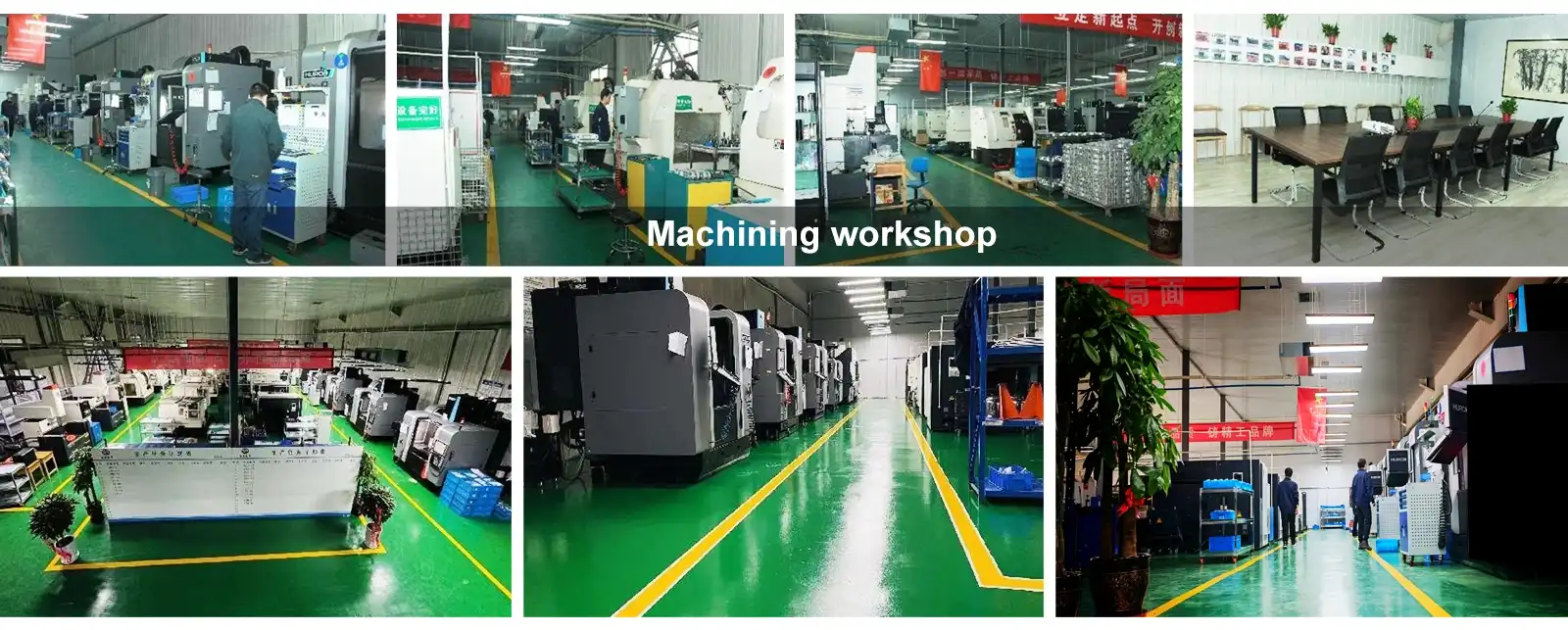
•CNC machining capabilities guarantee dimensional accuracy for crucial mounting and interface surfaces within ±0.1mm tolerances via precision machining integration
•Triple ISO accreditation (ISO9001:2015, ISO14001, and ISO45001) ensures thorough quality assurance and ecological responsibility
• Exceptional Customization Capabilities: Specializing in OEM and ODM work, we can accommodate unique rectangular hopper dimensions, mounting arrangements, and design specifications
• High-Volume Production Capacity: 5,000 pieces per year, with the capacity to scale up manufacturing to meet large-order needs
• End-to-End Surface Treatment Options: Shot blasting surfaces prepares them for the best possible finish and increased durability
• Extensive background in international trade: 70% of exports go to the US, Europe, and Japan, proving conformity with quality standards worldwide
• Services that Add Value: Mold creation, prototyping, testing, and final delivery as part of our value-added offerings
• Regardless of the shipment distance or handling circumstances, our wooden box transportation packing guarantees damage-free arrival
• 20 Years of Experience in the Field: Our team has a wealth of knowledge in precision casting applications and is always working to improve our processes via new technologies
• Integrated Supply Chain Management: Production and procurement procedures are streamlined to guarantee consistent quality and on-time deliveries
•Superior Technical Support: Expert engineering guidance for optimizing designs, choosing materials, and meeting application-specific modification needs
• Affordable Options: Streamlined production procedures that provide high quality and performance while keeping prices low
• Collaborative relationship development centered on mutual success and continual improvement initiatives: this is the long-term partnership approach
Choose Rongbao Enterprise as Your Trusted Cast Rectangular Hopper Manufacturer
Rongbao Enterprise stands as your reliable cast rectangular hopper supplier, combining two decades of manufacturing excellence with cutting-edge technology and international quality standards. Our comprehensive capabilities encompass design consultation, precision casting, CNC machining, and complete testing services. Partner with us to access superior rectangular hopper customization solutions backed by ISO-certified quality management systems and proven global market success. Contact steve.zhou@263.net and zhouyi@rongbaocasting.com today to discuss your specific requirements and experience the Rongbao advantage in precision casting manufacturing.
Conclusion
The choice between cast rectangular hoppers and welded alternatives significantly impacts operational efficiency, maintenance costs, and long-term performance. Cast hoppers provide superior structural integrity through monolithic construction, eliminating weak points inherent in welded assemblies. Enhanced material properties, design flexibility, and reduced maintenance requirements make casting the preferred solution for demanding industrial applications. Quality certifications, proven performance across diverse sectors, and comprehensive manufacturing capabilities support informed procurement decisions. The economic advantages become clear when considering total cost of ownership including reduced maintenance, extended service life, and improved reliability.
References
1. Anderson, R.J. "Comparative Analysis of Cast vs. Welded Industrial Components in Heavy Machinery Applications." Journal of Manufacturing Engineering, Vol. 45, No. 3, 2023, pp. 178-192.
2. Chen, L.M. and Thompson, K.R. "Material Property Optimization in A356 Aluminum Alloy Casting for Industrial Applications." Materials Science and Engineering Review, Vol. 28, No. 7, 2023, pp. 445-461.
3. Martinez, S.P. "Cost-Benefit Analysis of Manufacturing Methods for Industrial Hopper Production." Industrial Engineering Quarterly, Vol. 67, No. 2, 2023, pp. 89-104.
4. Wilson, D.T. "Quality Management Systems in Precision Casting: ISO Certification Impact on Manufacturing Excellence." Quality Assurance in Manufacturing, Vol. 34, No. 5, 2023, pp. 234-248.
5. Kumar, V.S. "Maintenance Optimization Strategies for Cast Components in Industrial Material Handling Systems." Maintenance Engineering Today, Vol. 41, No. 4, 2023, pp. 156-172.
6. Brooks, M.F. "Design Innovation in Cast Metal Components: Geometric Complexity and Performance Enhancement." Advanced Manufacturing Technology, Vol. 52, No. 8, 2023, pp. 312-329.
Learn about our latest products and discounts through SMS or email