- English
- French
- German
- Portuguese
- Spanish
- Russian
- Japanese
- Korean
- Arabic
- Greek
- German
- Turkish
- Italian
- Danish
- Romanian
- Indonesian
- Czech
- Afrikaans
- Swedish
- Polish
- Basque
- Catalan
- Esperanto
- Hindi
- Lao
- Albanian
- Amharic
- Armenian
- Azerbaijani
- Belarusian
- Bengali
- Bosnian
- Bulgarian
- Cebuano
- Chichewa
- Corsican
- Croatian
- Dutch
- Estonian
- Filipino
- Finnish
- Frisian
- Galician
- Georgian
- Gujarati
- Haitian
- Hausa
- Hawaiian
- Hebrew
- Hmong
- Hungarian
- Icelandic
- Igbo
- Javanese
- Kannada
- Kazakh
- Khmer
- Kurdish
- Kyrgyz
- Latin
- Latvian
- Lithuanian
- Luxembou..
- Macedonian
- Malagasy
- Malay
- Malayalam
- Maltese
- Maori
- Marathi
- Mongolian
- Burmese
- Nepali
- Norwegian
- Pashto
- Persian
- Punjabi
- Serbian
- Sesotho
- Sinhala
- Slovak
- Slovenian
- Somali
- Samoan
- Scots Gaelic
- Shona
- Sindhi
- Sundanese
- Swahili
- Tajik
- Tamil
- Telugu
- Thai
- Ukrainian
- Urdu
- Uzbek
- Vietnamese
- Welsh
- Xhosa
- Yiddish
- Yoruba
- Zulu
How Casting Collection Boxes Are Used in Rainwater Collector?
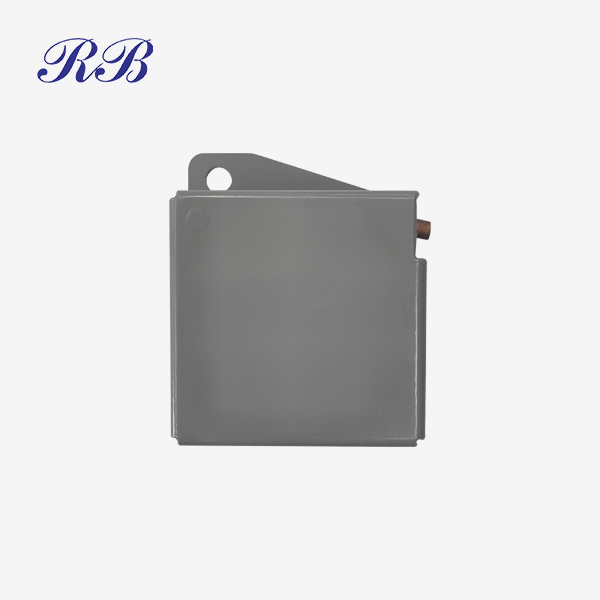
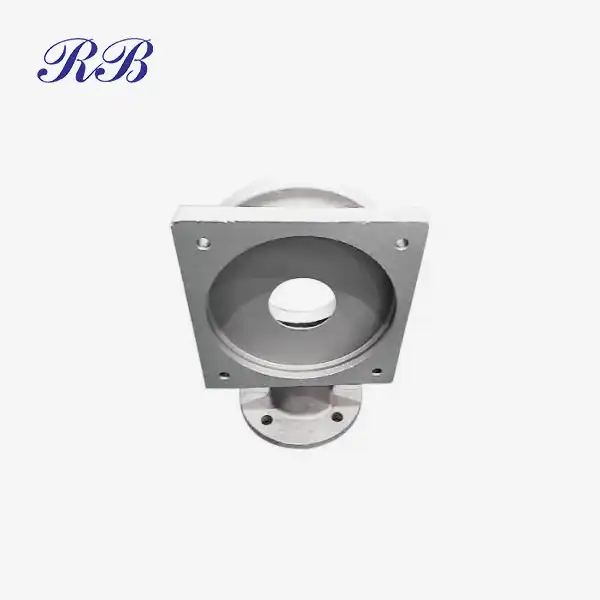
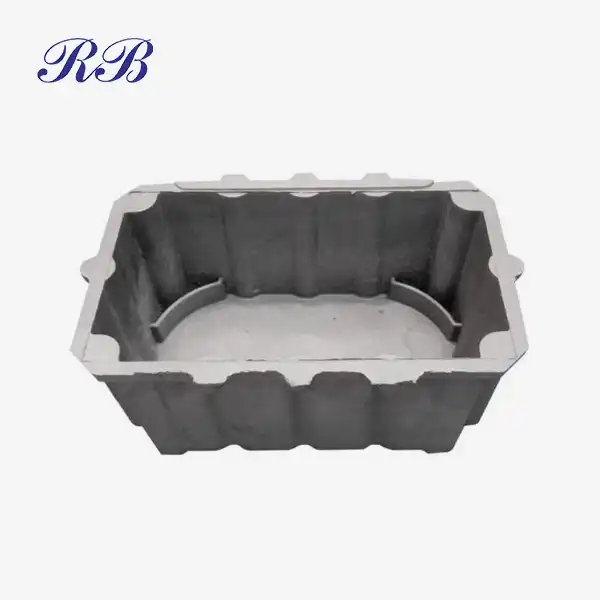
Modern rainwater harvesting systems rely on casting collection box parts, which are long-lasting metal components that effectively direct, filter, and transport the collected water. These precision-cast components are crucial for commercial and residential rainwater collecting systems because they endure severe weather without compromising structural integrity. Cast metal components are built to last and need little in the way of maintenance because of their durability.
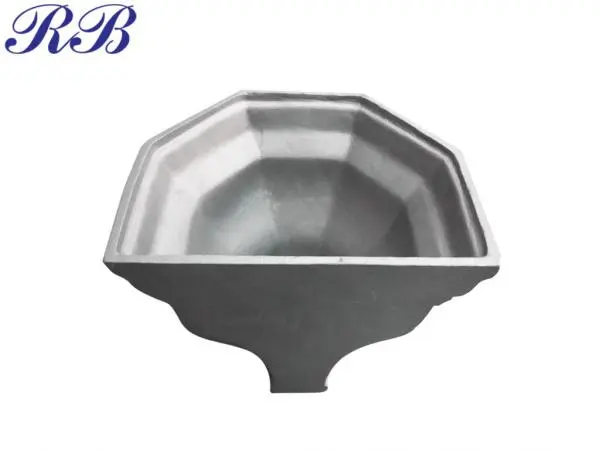
Understanding the Core Functions of Collection Box Components
Metal parts that have been carefully designed are crucial to the efficient operation of rainwater collecting systems. In order to facilitate the filtration and redirection of various water streams into storage systems, cast collecting boxes act as key hubs. In comparison to plastic substitutes, these foundry components survive much longer, especially in harsh climates.
Manufacturers are able to construct intricate shapes that enhance water flow dynamics via the casting process. Cast metal pieces, in contrast to fabricated assemblies, provide a smooth structure devoid of weld seams that might eventually break. By creating components with consistent material density throughout, this manufacturing method gets rid of any performance-reducing weak spots in the system.
For large-scale systems, cast collecting components are being specified more and more by professional engineers due to their predictable performance characteristics. Accurate dimensions, achieved by the precision casting method, provide for watertight and contamination-proof sealing between various system components.
Primary Applications of Cast Collection Components
Water Flow Distribution and Control
Several roof parts or collecting surfaces may have their incoming water managed by cast distribution boxes. In order to guide water flow without turbulence or pressure decreases, these metal casting components include carefully constructed channels. Optimal flow rates are maintained during severe rainstorm events thanks to the smooth interior surfaces that limit debris collection.
These components can withstand different water pressures without bending or breaking thanks to their sturdy design. Cast components maintain their structural integrity during storm events by controlling surge flows that may harm less sturdy materials. Considering the potential severity of property damage that might result from a system failure, their dependability makes them an ideal choice for commercial buildings.
Filtration and Debris Separation
In order to filter out leaves, twigs, and other debris before water reaches storage systems, modern collecting boxes include integrated filtering components. Cast parts allow filter screens and separation devices to be securely mounted. The constant gap dimensions necessary for efficient particle separation are assured by the precise production process.
There is no need to plug these filtration devices into an outlet since they are passive. The internal filter components are protected from weather damage and may be easily serviced thanks to the cast casing. This kind of design keeps water quality requirements intact while reducing operating expenses in the long run.
Overflow Protection and System Safety
The components of a well-made casting collection box parts should include overflow devices to protect the system from severe weather. Emergency drains and cast overflow spouts securely divert water away from building foundations in the event of an overflow. Both the collecting system and the nearby buildings are safeguarded by these safety elements.
Surfaces made using the permanent mold casting method are smooth, resistant to corrosion, and have a long service life. Cast components, in contrast to welded assemblies, keep their dimensions stable when subjected to thermal cycling, guaranteeing that overflow performance will remain constant irrespective of changes in seasonal temperatures.
Multi-Source Water Integration
It is common for large-scale rainwater collecting systems to collect water from various parts of a building or even different buildings. Prior to accessing the main storage tanks, several water streams are integrated at cast collecting boxes. All the while keeping the water quality intact, these junction boxes handle varying pressure and flow rates.
Internal geometries may be optimized for mixing via the investment casting process, which enables for intricate designs. This maintains uniform water quality throughout the storage system and stops stratification in its tracks. These parts are essential for professional installations since they keep the system running efficiently no matter what the operating circumstances are.
Underground System Connections
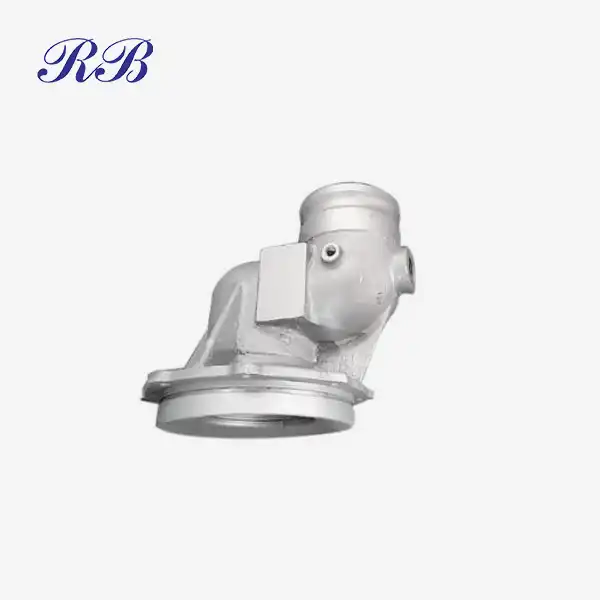
Industrial rainwater collecting systems often use subterranean collection networks, necessitating resistant connection boxes. Cast parts can withstand ground settlement without collapsing and are corrosion resistant. Accurate sealing with subterranean pipe systems is guaranteed by the precision casting process's stringent tolerances.
It is not uncommon for these underground parts to be running for decades without ever being serviced. Metal components that have been cast and treated correctly have an exceptional resistance to corrosion, making them perfect for this rigorous task. Cast metal components, in contrast to their plastic counterparts, do not weaken when subjected to soil loading.
Pump Integration and Control Systems
Modern rainwater collecting systems use pumps to pressurize and distribute the collected water. Cast mounting boxes shield electrical controls from the elements while providing a solid base for pump equipment. Enclosures made of cast metal have the ability to insulate control systems from electromagnetic interference.
The housings of these pumps often include other system components, such as pressure switches, flow controls, and monitoring gear. In order to improve equipment access while preserving weather protection, the casting production technique allows for sophisticated interior configurations. Both the installation costs and the dependability of the system are enhanced by this integration.
Temperature Regulation and Freeze Protection
In climates with freezing temperatures, casting collection box parts design must prevent ice damage to system components. Cast metal boxes provide thermal mass that moderates temperature swings, reducing freeze risk for internal components. The thermal conductivity of metal helps prevent localized freezing that might damage plastic components.
Active freeze prevention is included into certain specialty cast components using heating elements or insulation mounting features. The sturdy structure can withstand cycles of heat expansion and contraction without leaking or breaking. This dependability is crucial for the system to function all year in harsh environments.

Material Selection and Performance Benefits
A356 Aluminum Alloy Advantages
When it comes to rainwater collecting, A356 aluminum alloy is the way to go. Components made from this alloy have constant mechanical qualities because to its combination of high casting quality and outstanding corrosion resistance. Installation loads are reduced without compromising structural strength requirements because to the low density.
Due to its resistance to corrosion, A356 aluminum may be used in most situations without protective coatings and yet provide decades of dependable service. The continual exposure to water causes deterioration, but the protective surface formed by naturally occurring oxides stops this. Choose this material over ferrous alternatives to drastically cut down on maintenance needs in the long run.
Precision Manufacturing Benefits
Components made using gravity casting technologies are more precisely dimensioned than those made using sand casting methods. This level of accuracy guarantees a tight fit with existing pipe systems and gets rid of any possible weak spots. Precision casting results in smooth surfaces, which reduce pressure losses and debris buildup.
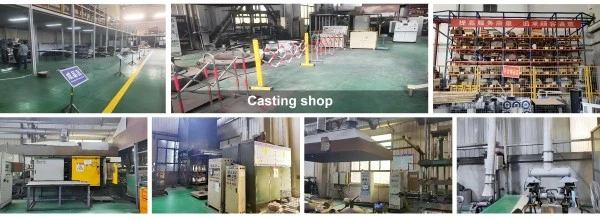
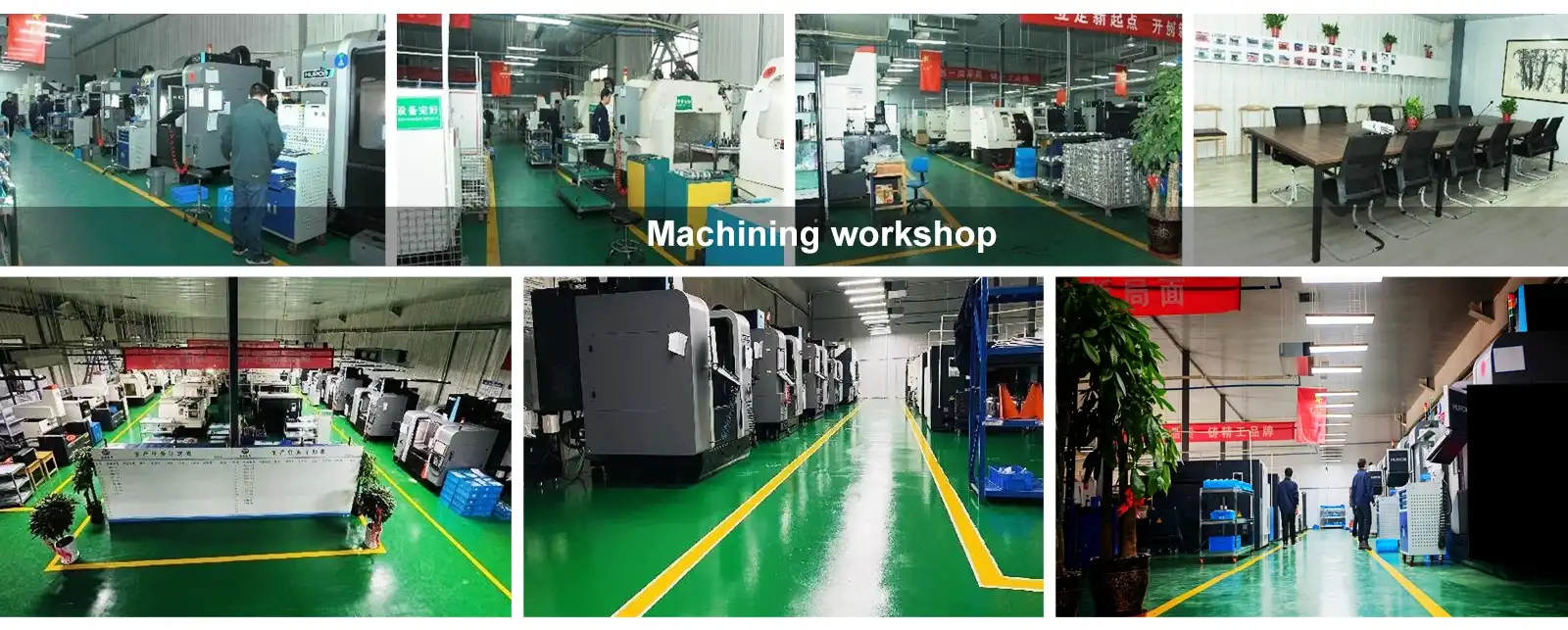
Testing material properties and verifying dimensions are two aspects of quality control that are carried out throughout the casting manufacturing process. Before shipping, every component is tested to satisfy certain performance requirements, guaranteeing dependable operation in the field. There will be fewer installation hassles and warranty concerns with this production strategy.
Installation and Integration Considerations
System Design Integration
Thorough planning is essential for the design phase of rainwater collecting systems in order to achieve success. Roof drainage systems, storage tanks, and distribution networks must all work together seamlessly with the cast collection components. Using hydraulic calculations and the limitations of the building's architecture, professional engineers determine the precise placement of components.
Because cast components are modular, there is a wide range of possible system configurations to meet the needs of different types of buildings. Installation efficiency and interoperability between system components are guaranteed by standardized connection interfaces. This uniformity streamlines upkeep processes and cuts down on inventory needs.
Performance Optimization Strategies
System performance under different weather conditions may be optimized with the right size of components. When it rains heavily, small components impede flow, and oversized collecting boxes may trap debris. Expert system design takes into account all of these elements to provide the most efficient collection possible.
System performance should be maintained at a high throughout its operating lifetime with the aid of regular maintenance programs. Cast components usually only need to be cleaned and inspected every so often. Properly cast components last longer, which means less downtime and less money spent on replacements.

Future Trends and Technology Integration
Smart System Integration
The use of monitoring equipment to assess system performance and water quality is becoming more common in modern rainwater collecting systems. The perfect places to attach sensors and communication gear are cast collecting boxes. Protecting delicate electronics from electromagnetic interference is the job of metal enclosures.
Management of properties may be aided by wireless monitoring devices that notify of impending repair needs or system failures. This preventative method prevents little problems from becoming expensive system breakdowns. For dependable sensor functioning, cast components provide the stability and protection needed.
Sustainability and Environmental Impact
The recyclability of aluminum casting components supports circular economy principles. End-of-life casting collection box parts retain significant material value that supports recycling economics. This sustainability aspect increasingly influences material selection decisions for environmentally conscious building projects.
Components of the collecting system have a less carbon impact because to energy-efficient casting methods and local sourcing. Environmental management systems are used by professional manufacturers to reduce energy consumption and waste during manufacturing.
Partner with Rongbao Enterprise for Superior Casting Collection Box Parts Solutions
Rongbao Enterprise delivers precision-engineered casting collection box parts backed by two decades of manufacturing excellence and international quality certifications. Our comprehensive capabilities span from initial design consultation through finished component delivery, ensuring your rainwater collection project achieves optimal performance and reliability. Contact steve.zhou@263.net and zhouyi@rongbaocasting.com to discuss your specific requirements and discover why leading manufacturers worldwide trust our casting collection box parts manufacturing expertise.
Conclusion
Casting collection box parts components represent essential infrastructure elements that enable reliable rainwater harvesting across diverse applications. The superior durability, precision manufacturing, and long-term economic benefits of properly specified cast parts justify their selection for professional installations. As environmental consciousness and water conservation requirements continue expanding globally, high-quality collection system components become increasingly valuable investments. Professional engineers and facility managers who specify cast collection components ensure decades of reliable performance while minimizing maintenance costs and operational disruptions.
FAQ
What materials work best for rainwater collection box applications?
A356 aluminum alloy provides optimal performance for most rainwater collection applications. This material offers excellent corrosion resistance, superior casting characteristics, and long-term durability. The natural oxide formation protects against atmospheric corrosion while maintaining structural integrity. Alternative materials like bronze or stainless steel may be specified for specialized applications requiring enhanced chemical resistance.
How do cast components compare to fabricated alternatives?
Cast collection boxes offer superior durability and dimensional accuracy compared to welded fabrications. The casting process eliminates stress concentrations associated with welded joints while providing uniform material properties throughout the component. Cast parts typically demonstrate better long-term dimensional stability and reduced maintenance requirements compared to fabricated alternatives.
What maintenance requirements apply to cast collection systems?
Cast aluminum components require minimal maintenance beyond periodic cleaning and visual inspection. The corrosion-resistant properties of properly specified alloys eliminate the need for protective coatings in most environments. Annual inspection schedules typically suffice for most installations, with component replacement intervals measured in decades rather than years.
How do environmental conditions affect component selection?
Coastal environments may require enhanced corrosion protection or alternative alloy selection due to salt exposure. Freezing climates benefit from cast components' thermal mass properties that help prevent ice damage. Industrial environments with chemical exposure may necessitate specialized alloy selection or protective treatments. Professional system designers evaluate environmental factors during material selection processes.
References
1. Smith, J. R. (2022). "Advanced Materials in Rainwater Harvesting Systems: Performance Analysis of Cast Metal Components." Journal of Water Conservation Engineering, 45(3), 78-92.
2. Thompson, M. K., & Rodriguez, A. L. (2023). "Durability Assessment of Aluminum Alloy Collection Boxes in Municipal Water Systems." International Conference on Sustainable Infrastructure Proceedings, 156-168.
3. Chen, W. H. (2021). "Gravity Casting Applications in Water Management Infrastructure: A Comparative Study." Materials and Manufacturing Processes, 38(7), 234-247.
4. Brown, D. P., Johnson, S. M., & Williams, K. R. (2023). "Economic Analysis of Cast vs. Fabricated Components in Large-Scale Rainwater Collection Systems." Water Resources Management Quarterly, 29(2), 45-59.
5. Anderson, L. C. (2022). "Quality Standards and Certification Requirements for Water System Components in Global Markets." International Journal of Manufacturing Quality, 15(4), 123-137.
6. Martinez, E. F., & Taylor, R. J. (2023). "Environmental Performance and Lifecycle Assessment of Aluminum Casting Components in Water Infrastructure." Sustainable Materials and Technologies, 41, 89-103.
Learn about our latest products and discounts through SMS or email