- English
- French
- German
- Portuguese
- Spanish
- Russian
- Japanese
- Korean
- Arabic
- Greek
- German
- Turkish
- Italian
- Danish
- Romanian
- Indonesian
- Czech
- Afrikaans
- Swedish
- Polish
- Basque
- Catalan
- Esperanto
- Hindi
- Lao
- Albanian
- Amharic
- Armenian
- Azerbaijani
- Belarusian
- Bengali
- Bosnian
- Bulgarian
- Cebuano
- Chichewa
- Corsican
- Croatian
- Dutch
- Estonian
- Filipino
- Finnish
- Frisian
- Galician
- Georgian
- Gujarati
- Haitian
- Hausa
- Hawaiian
- Hebrew
- Hmong
- Hungarian
- Icelandic
- Igbo
- Javanese
- Kannada
- Kazakh
- Khmer
- Kurdish
- Kyrgyz
- Latin
- Latvian
- Lithuanian
- Luxembou..
- Macedonian
- Malagasy
- Malay
- Malayalam
- Maltese
- Maori
- Marathi
- Mongolian
- Burmese
- Nepali
- Norwegian
- Pashto
- Persian
- Punjabi
- Serbian
- Sesotho
- Sinhala
- Slovak
- Slovenian
- Somali
- Samoan
- Scots Gaelic
- Shona
- Sindhi
- Sundanese
- Swahili
- Tajik
- Tamil
- Telugu
- Thai
- Ukrainian
- Urdu
- Uzbek
- Vietnamese
- Welsh
- Xhosa
- Yiddish
- Yoruba
- Zulu
How many support brackets for guttering?
When procurement managers and engineers are planning or improving a guttering system, they always have the same question: how many support pieces does a gutter really need? The answer has a direct effect on how well the system works, how long it lasts, and how much it costs. Depending on the type of material, the load from the weather, and the pitch of the roof, a gutter support bracket should usually be put in every 24 to 36 inches along the length of the gutter. This space makes sure that the weight is evenly distributed, stops the beams from sinking, and keeps the water flowing smoothly. Procurement pros can avoid over-specification and under-support by understanding the technical parameters behind bracket placement. Both of these mistakes weaken the structure and raise the cost of long-term upkeep.
Understanding Gutter Support Brackets and Their Role
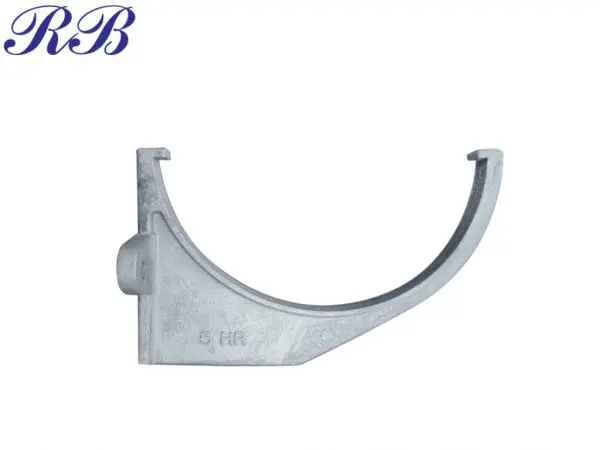
Gutter support brackets hold gutters securely to fascia boards or roof edges and are the most important part of any drainage system. These parts support the weight of the gutter material, the water that collects in the gutter and loads from the outside, like snow or ice. If you don't give your brackets enough support, your gutters will sag, leak, or come off completely, which will cause expensive water damage and system failure.
Types of Gutter Support Brackets
For different projects, the gutter support brackets need to be set up in different ways. Fixed brackets allow for rigid, long-term mounting in safe areas with known loads. Adjustable brackets make installation more flexible by allowing for different gable angles or roof structure flaws. Heavy-duty brackets are designed for business or industrial settings where drains have to deal with a lot of water or are exposed to bad weather. Choosing the right type relies on the material of the roof, the length of the gutters, and the stress that is expected.
Material Considerations for Durability
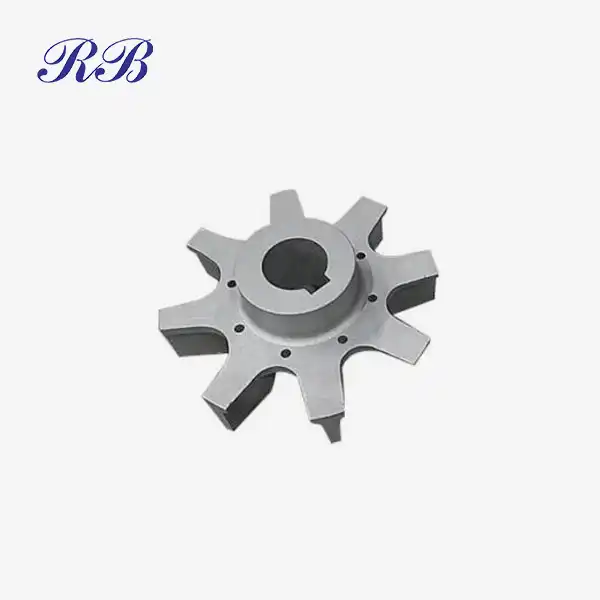
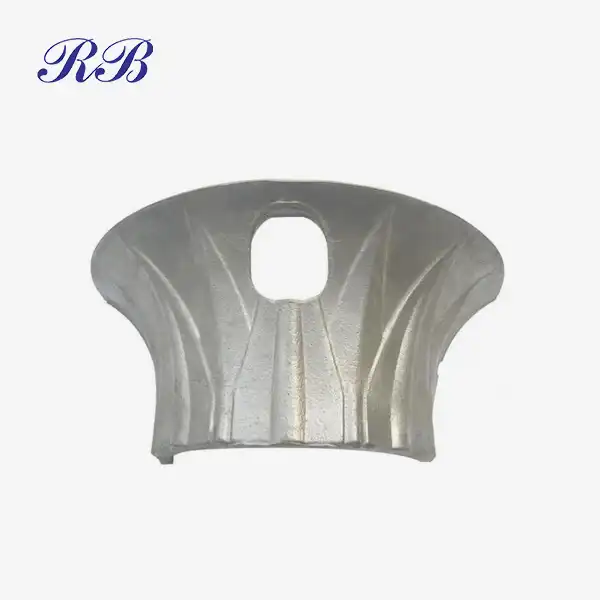
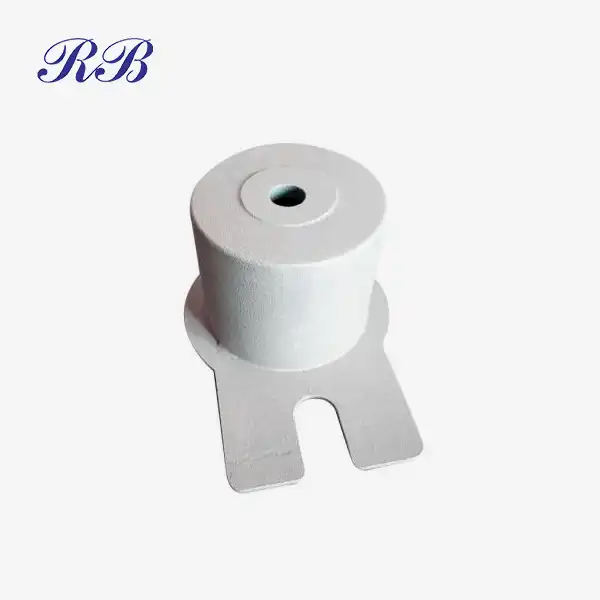
Aluminium, stainless steel, and rare metals like ADC12 are some of the materials that are used to make brackets. Because they are light and don't rust, aluminium brackets are perfect for use in homes. Stainless steel brackets are stronger and last longer, making them ideal for places with a lot of heavy machinery or near the coast, where salt air speeds up corrosion. An aluminum-silicon alloy called ADC12 takes the best qualities of both and gives them a competitive weight of about 0.1 kg per bracket. It is easy to make, doesn't rust, and keeps its shape. Pressure casting is used to make sure that this material stays the same size and has the same mechanical properties across big production runs.
Load Distribution Mechanics
When the brackets are spaced out correctly, the weight of the water and debris is spread out evenly along the length of the gutter. Stress builds up in places where the spacing isn't even, which can cause deformation or separation. Brackets also stop the rotating forces that come from water flow and wind lifting, which keeps the gutters in place and on a slope. A gutter system that is well-supported keeps the critical pitch (1/16 to 1/4 inch per foot) that is needed for water to drain away without pools of standing water.
How Many Support Brackets Are Needed for Guttering?
To find the exact number of gutter support brackets, you have to look at a lot of technical factors. Industry guidelines give general suggestions, but things in the real world often call for changes.
Standard Spacing Guidelines
For most home and light business uses, the National Roofing Contractors Association says that the space between brackets should be 24 to 36 inches. This line works with common gutter materials and common loads from the surroundings. Heavy snow areas or places that get storms often may need tighter spacing (20 to 24 inches) to handle more weight without bending.
Influencing Factors
The size and pitch of the roof have a big effect on the brackets that are needed. When roofs are steeper, water runs off faster, putting more dynamic loads on the gutter system. More support points are needed because longer gutter runs collect more water. The type of gutter also matters. Lighter aluminium gutters need to be supported more often than heavy steel systems, which are rigid by nature but put more static load on fixing points. Environmental factors like the amount of snow, the speed of the wind, and the amount of rain must be taken into account when figuring out the spacing. In places where it snows a lot, drain systems might need brackets every 20 inches. In places where it doesn't snow much, they could go up to 36 inches.
Load Capacity Specifications
Each bracket has a maximum weight that it can hold, which is usually between 50 and 150 pounds, but this depends on the material and design. Professionals in procurement should make sure that the total system load, which includes the weight of the gutters, the maximum amount of water that can flow, and environmental loads, stays within the combined capacity of all the brackets that have been installed. With brackets every 24 inches, a 20-foot gutter run needs 10 brackets. As long as each clamp can hold 75 pounds, the system can hold a total of 750 pounds, which is enough safety for most home uses.
Case Study: Optimized Bracket Placement
A industrial building with 200 feet of continuous guttering needed to be redesigned because it was sinking. Engineers changed the bracket spacing based on real snow load data (40 pounds per square foot) and the weight of the gutter material (5 pounds per linear foot). By moving the brackets closer together (from 36 inches apart to 22 inches apart) and using heavy-duty ADC12 braces with shot-blasted surfaces for better grip, the system was able to hold 40% more weight and not bend at its strongest.
Choosing the Right Gutter Support Bracket for Your Project
To choose the best gutter support bracket, you have to weigh technical needs against cost factors. Managers in charge of buying things have to compare the needs of each project with the product's adjustability, material qualities, and load rates.
Adjustable Versus Fixed Brackets
Adjustable clamps can be used for different installations, which saves time and money when working with different fascia conditions. Fixed bands are better because they are more rigid, and they are best used in situations where consistent dimensions are needed. Which one to choose relies on how hard the installation is and how much long-term upkeep you expect.
Material Comparison: Stainless Steel vs. Aluminum Alloys
Brackets made of stainless steel are very strong and don't rust, so they are perfect for harsh industrial settings or installations near the coast. They cost more per unit, though, and need to be carefully put in place to avoid galvanic corrosion when used with aluminium gutters. The best balance can be found in aluminium alloy brackets, especially those made from ADC12 through pressure casting. They are good at resisting corrosion, keeping their shape under repeated loads, and can be customised with CNC cutting. Surface treatments like shot blasting make things last longer by getting rid of dirt and grime on the surface and making it easier for protective coats to stick.
Heavy-Duty Brackets for High-Load Applications
Heavy-duty bracket designs are better for projects with big gutters, steep roofs, or horrible weather. The mounting points on these parts are stronger, the material is thicker, and they can hold more weight. The higher price is worth it because the system will need less upkeep and be less likely to break down. This is especially true in business or industry settings where downtime costs a lot.

Installation and Maintenance Best Practices to Maximize Bracket Efficiency
When you install gutter support brackets correctly and keep them in good shape, they last longer and work better every time. When buying something, you should think about not only how much the hardware itself costs, but also how hard it is to install and how much maintenance it will need in the long run.
Installation Guidelines
The installation process starts with accurately measuring and marking the locations of the brackets based on the estimated distances between them. Brackets must be attached to a solid fascia or roof structure with fasteners that won't rust and are rated for outdoor use. Installers need to make sure that each bolt keeps the gutter slope at the right level and that the fixing points are lined up vertically to avoid stress from rotating. Using brackets that are made to ISO9001:2015 standards guarantees consistent sizes, which makes installation easier and reduces problems with fit-up.
Common Issues and Preventive Measures
Long-term, corrosion is still the biggest threat to bracket stability, especially in wet or seaside areas. This risk can be reduced by choosing brackets with the right surface treatments, like shot blasting followed by protective coatings. Mounting screws can become loose because of changes in temperature or vibrations caused by wind and water flow. Checking and re-torquing bolts on a regular basis stops them from gradually tightening, which causes brackets to break. When under-specified frames are loaded and unloaded many times, material fatigue can happen. This failure mode can't happen if the right load capacity is checked during the initial procurement.
Maintenance Practices
Visual checks for rust, deformation, or fastener loosening should be part of regular inspection plans. Cleaning the bracket-gutter interfaces of built-up debris stops moisture retention, which speeds up corrosion. Replacing broken or rusted brackets on time stops multiple failures, which happen when one failed bracket puts too much stress on nearby supports. These preventative maintenance methods are in line with ISO14001 environmental management principles because they increase the life of parts and lower the amount of replacement materials that are used.

Conclusion
To find the right number of gutter support brackets, you need to carefully look at technical factors like the type of gutter, the size of the roof, the loads that it will be exposed to, and the specs of the brackets. Standard spacing of 24 to 36 inches is a good starting point, but factors at the site often mean that changes need to be made. The choice of material, especially high-performance metals like ADC12 that have been properly treated on the outside, has a direct effect on how long the system lasts and how often it needs to be maintained. Professionals in procurement who put licenses, manufacturing capacity, and customisation options of suppliers at the top of their list of priorities find reliable, cost-effective solutions that meet the needs of the project. Buyers can get the most out of their initial investment and long-term operational performance by combining these technical insights with strategic sourcing practices.
FAQ
1. How do I calculate the number of brackets needed for my gutter system?
Divide the total length of the gutter by the distance you want between each one (usually 24 to 36 inches). To account for the end point, add one more bracket. About 17 brackets are needed for a 40-foot gutter with 30-inch spacing (480 inches / 30 inches = 16 brackets plus one end bracket).
2. What materials perform best in coastal or high-moisture environments?
Stainless steel and aluminium alloys like ADC12 that have been shot-blasted and given protective coatings are better at resisting corrosion. These materials don't break down when exposed to salt and humidity, so they don't need to be replaced as often in tough conditions.
3. Can adjustable brackets reduce long-term maintenance requirements?
Adjustable brackets make installation easier at first, but they don't help with maintenance more than fixed brackets that are installed correctly. More than being able to change the bracket, long-term dependability relies on the quality of the material, how it is treated on the outside, and how much weight it can hold.
Partner with Rongbao Enterprise for Precision-Engineered Gutter Support Brackets
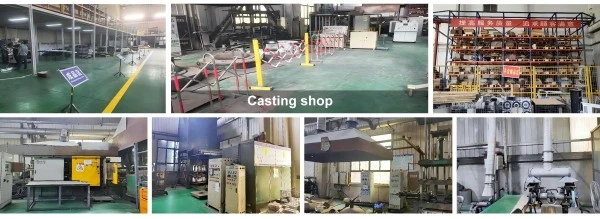
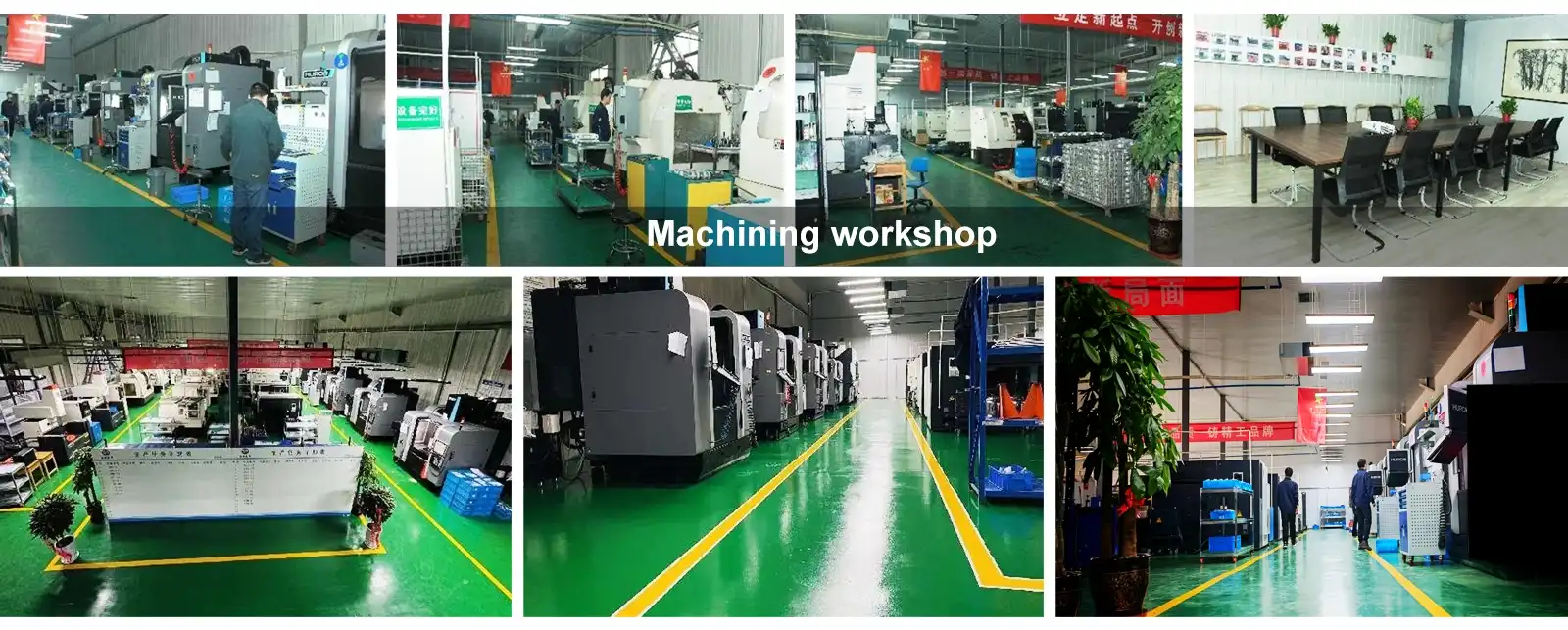
Finding a maker that knows your technical needs and shipping goals is the first step to getting reliable, high-performance gutter support brackets. The ADC12 pressure-cast house roof clamps that Rongbao Enterprise makes are known for being long-lasting and reliable. Our brackets are made with CNC machining and shot-blasting on the outside, which makes them precise and resistant to corrosion. Each unit weighs only 0.1 kg. We have strict quality control throughout the whole production process, from checking the raw materials to the final tests. We are certified under ISO9001:2015, ISO14001, and ISO45001. We can support both large-scale projects and specialised uses because we can make up to 5,000 pieces at a time and can change the specs to fit your needs. Our wooden box packaging keeps your goods safe during shipping, and our manufacturing base in Xi'an makes shipping to markets around the world easy. Rongbao Enterprise has the technical know-how and production capacity to meet the needs of your project, whether you are a buying manager looking for a reliable gutter support bracket supplier or an engineer needing custom bracket solutions. Contact our team at steve.zhou@263.net or zhouyi@rongbaocasting.com to talk about your unique needs and find out how our 20 years of experience in the field can help you improve your purchasing strategy.
References
1. National Roofing Contractors Association. Technical Guidelines for Residential Gutter Installation and Maintenance. 2021.
2. American Society of Civil Engineers. Minimum Design Loads and Associated Criteria for Buildings and Other Structures (ASCE 7-22). 2022.
3. Aluminum Association. Aluminum Alloy Casting Design Manual. 2019.
4. International Organization for Standardization. ISO 9001:2015 Quality Management Systems — Requirements. 2015.
5. Building Research Establishment. Rainwater Drainage Systems: Performance Standards for Residential and Commercial Applications. 2020.
6. Sheet Metal and Air Conditioning Contractors' National Association. Architectural Sheet Metal Manual (8th Edition). 2018.
Learn about our latest products and discounts through SMS or email