- English
- French
- German
- Portuguese
- Spanish
- Russian
- Japanese
- Korean
- Arabic
- Greek
- German
- Turkish
- Italian
- Danish
- Romanian
- Indonesian
- Czech
- Afrikaans
- Swedish
- Polish
- Basque
- Catalan
- Esperanto
- Hindi
- Lao
- Albanian
- Amharic
- Armenian
- Azerbaijani
- Belarusian
- Bengali
- Bosnian
- Bulgarian
- Cebuano
- Chichewa
- Corsican
- Croatian
- Dutch
- Estonian
- Filipino
- Finnish
- Frisian
- Galician
- Georgian
- Gujarati
- Haitian
- Hausa
- Hawaiian
- Hebrew
- Hmong
- Hungarian
- Icelandic
- Igbo
- Javanese
- Kannada
- Kazakh
- Khmer
- Kurdish
- Kyrgyz
- Latin
- Latvian
- Lithuanian
- Luxembou..
- Macedonian
- Malagasy
- Malay
- Malayalam
- Maltese
- Maori
- Marathi
- Mongolian
- Burmese
- Nepali
- Norwegian
- Pashto
- Persian
- Punjabi
- Serbian
- Sesotho
- Sinhala
- Slovak
- Slovenian
- Somali
- Samoan
- Scots Gaelic
- Shona
- Sindhi
- Sundanese
- Swahili
- Tajik
- Tamil
- Telugu
- Thai
- Ukrainian
- Urdu
- Uzbek
- Vietnamese
- Welsh
- Xhosa
- Yiddish
- Yoruba
- Zulu
Can I get customized aluminum gravity casting parts with my 3D drawings?
You can get custom aluminum gravity casting parts made to your exact specs by sending your 3D CAD plans to a qualified foundry. Modern manufacturers use digital design files directly in their processes, which makes it possible to accurately turn complicated geometries into physical parts. Working from 3D drawings makes sure that the dimensions are correct and speeds up the process of going from an idea to parts that are ready for production, whether you're looking for parts for energy infrastructure, industrial equipment, or automotive assemblies.
Understanding Aluminum Gravity Casting and Customization Capabilities
Gravitational force alone moves molten aluminum into permanent metal molds in aluminum gravity casting, which is a reliable way to make things. Unlike high-pressure methods, this process produces parts with excellent surface stability and structural strength. This makes it especially useful when your project needs parts that look good and work well.
How Gravity Casting Accommodates Digital Design Files
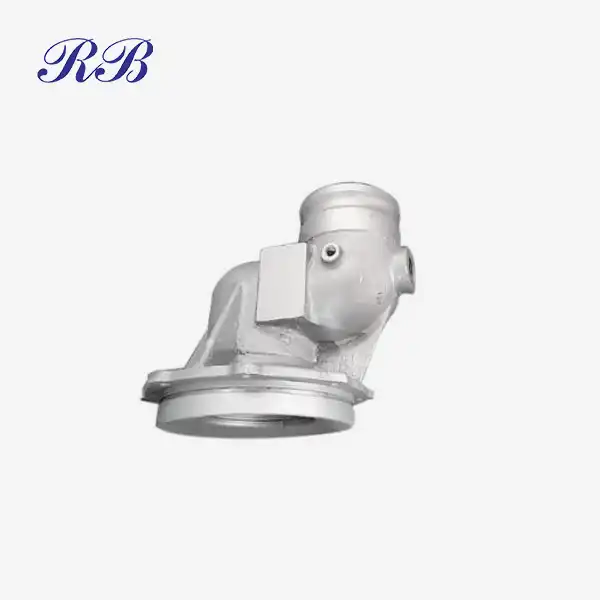
When you send us 3D CAD files in STEP, IGES, or Parasolid formats, our engineering team checks the shape to make sure it can be made. Before the mold is made, this evaluation finds any possible problems, such as undercuts, thin walls, or bad draft angles. Working together early on between your design engineers and our casting specialists cuts down on expensive changes and makes sure that the final mold is a perfect copy of the design you had in mind. This method works well in many fields. For example, sellers to the auto industry use it for brake parts and housings, and makers of industrial equipment use it for valve bodies and pump casings.
Material Selection and Alloy Compatibility
Different types of aluminum alloys can be used in gravity casting, and each has its own properties. ADC12 is often used for power supply covers and electronic housings because it has good mechanical strength and resistance to corrosion while still being fluid during casting. A356 metal is often used for structural parts in cars because it has good tensile strength and can be heated to change its shape. For aluminum gravity casting parts, the alloy selection directly influences dimensional stability, thermal performance, and long-term durability. Procurement teams have more options when they're trying to find the best total cost of ownership because they can match the properties of an alloy to its functional needs, such as its ability to conduct heat, reduce weight, or last a long time.
Tight Tolerances and Complex Geometries
Gravity casting allows for more precise control of dimensions compared to sand casting because it uses fixed molds. Tolerances on parts made with this method are usually within ±0.3mm, but the exact limits rely on the shape and size of the part. When the mold design includes the right gating systems and cooling channels, it's possible to make molds with complex internal pathways, different wall thicknesses, and complex outward features. When your technical workers need parts that fit straight into assemblies without a lot of extra work, this feature comes in handy.
Comparing Aluminum Gravity Casting to Other Casting Methods for Custom Parts
Picking the right casting method affects more than just the cost per unit. It also affects lead times, quality consistency, and long-term relationships with suppliers. Procurement managers and supply chain leaders can make better choices that help their businesses reach their goals when they know how gravity casting stacks up against other methods.
Gravity Casting Versus High-Pressure Die Casting
When making a lot of parts quickly and in close to net form, high-pressure die casting is the best method. This is especially true when the tools need to be bought in bulk. The process puts a lot of pressure on molds to push molten metal into them. This makes thin-walled parts with a great surface finish. But the cost of the molds for pressure die casting is usually two to three times higher than the cost of gravity casting molds. This makes it less cost-effective for medium-batch runs of 1,000 to 10,000 pieces per year. Gravity casting gives you the same level of surface quality as other methods, but it's easier to change the design and costs less to start. This is especially helpful if you need to make changes to your designs often or are trying to reach specific market groups.
Gravity Casting Versus Sand Casting
Sand casting is the most flexible way to make big, complicated parts and prototypes because it can be used with almost any metal material and part size. Because the mold is disposable, complex shapes can be made without worrying about mold release. However, finishing sand casts takes longer because the surface roughness is usually between 12.5 and 25 micrometers, while it can be between 3.2 and 6.3 micrometers for gravity casting with fixed molds. Because molds aren't always the same, quality engineers often see bigger differences between batches when sand casting. When you need repeatable accuracy in dimensions and fewer extra processes, gravity casting is the best way to go. For aluminum gravity casting parts, this advantage is especially pronounced, as the permanent mold process delivers consistent surface finish and dimensional stability that sand casting simply cannot match for medium-to-high volume production.
Balancing Quality and Economics
Gravity casting is a good compromise because it offers good surface quality and structural integrity, similar to die casting, but with tooling costs more like sand casting. This balance is important if you want to make sure that your procurement strategy keeps supply costs stable without lowering the reliability of your parts. The metal molds can usually be used 50,000 to 100,000 times before they need to be replaced. This spreads the cost of the tools over medium to high production rates. This economic profile fits well with Tier-1 and Tier-2 suppliers to the auto industry, companies that make construction equipment, and companies that make industrial parts that work on a scale between prototype and mass production.
Step-by-Step Process for Ordering Customized Aluminum Gravity Casting Parts
Getting through the ordering process quickly cuts down on the time it takes to get products to market and prevents misunderstandings between buyers and foundries. Technical and procurement teams can work better with factory partners when they understand each step.
Submitting Design Files and Initial Review
The process starts when you send in 3D CAD files along with technical details like your preferred metal, the surface finish you want, and any required limits for size. Most of the time, STEP, IGES, Parasolid, and native SolidWorks or CATIA files are accepted. Within 48 to 72 hours, our engineering team does a Design for Manufacturability analysis to find ways to improve casting quality by increasing draft angles, decreasing wall thickness, or changing the placement of features. This review often shows changes that can be made to save money while still meeting functional standards and making mold building easier.
Mold Development and Prototype Validation
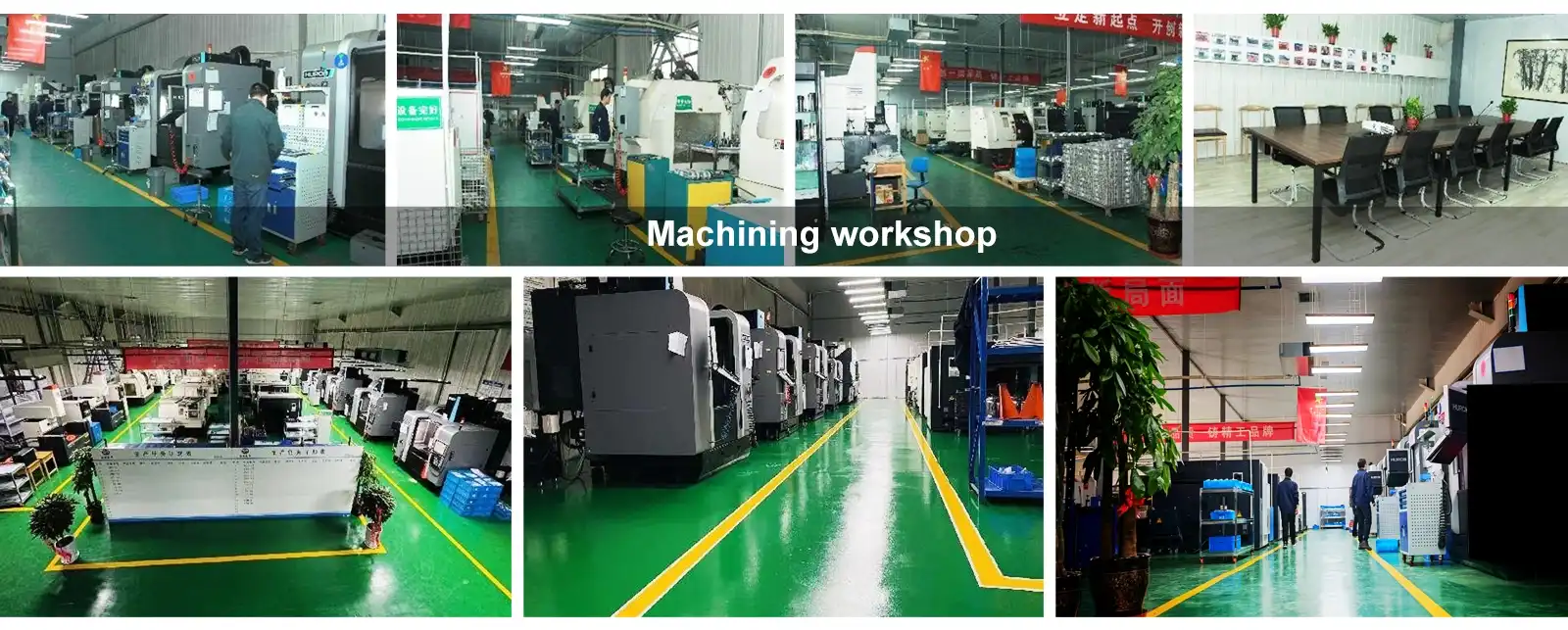
Once the plan is approved, the mold-making process can begin. To get the exact sizes your parts need, permanent molds for gravity casting need to be machined with great care. Mold making takes between four and eight weeks, depending on how complicated the mold is. During the prototype phase, initial samples are made, which are usually five to ten pieces. This lets your quality engineers check the size, shape, and state of the surface before moving forward with full production. This step is very important because it makes sure that the castings meet the requirements for incoming inspection and assembly fit.

Production Planning and Capacity Allocation
Once the prototype is approved, production planning sets the batch sizes, delivery times, and rules for managing inventory. Now, it's very important to know how much your maker can do. Our gravity casting lines at Rongbao Enterprise can make anywhere from 500 to 5,000 pieces per month, depending on the complexity of the part and the cycle time. Supply problems can be avoided by being clear about expected demand, the need for safety stock, and expected wait times. It is helpful for procurement managers to know how much capacity is available for production and to have flexible scheduling options. This is especially true when they are responsible for handling multiple component providers across global supply chains.
Quality Assurance and Delivery Logistics
Systematic checking procedures are used on every production batch. Verifying the sizes with a CMM, figuring out the material's make-up with spectrometry, and looking for flaws on the surface all help make sure that each batch is the same. For important uses, non-destructive testing like X-ray or ultrasound screening can find holes or inclusions inside the material. The parts are then given certain surface treatments. For example, shot blasting removes rust and gives parts a uniform matte finish, ready for painting or powder coating if needed. Finished parts are sent in wooden crates that are meant to keep them safe while they travel across foreign borders. Each shipment comes with full paperwork that can be used to track it.
Overcoming Common Challenges in Custom Aluminum Gravity Casting
Gravity casting has some benefits, but it also has some technical problems that need to be managed carefully. Design optimization and process control can help you deal with these problems and make sure your aluminum gravity casting parts meet strict quality standards.
Minimizing Porosity and Shrinkage Defects
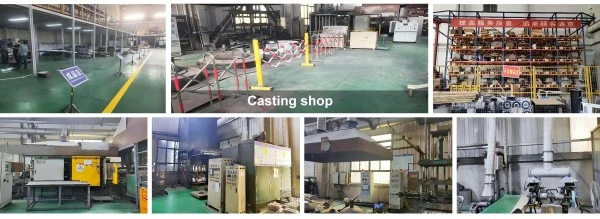
When gases get trapped during solidification, they leave holes in the material that weakens its mechanical strength. Aluminum shrinks when it cools, which can leave holes or depressions on the surface or inside the metal. To fix these flaws, you need to make sure the mold has enough vents, control the temperature and speed of the pouring process, and place risers in areas that are likely to shrink. When our foundry designs molds, they use simulation software to predict how the metal will solidify and find high-risk areas before they cut the steel. This proactive method has lowered reject rates for complicated shapes to less than 2%, giving engineers the batch consistency quality they need.
Managing Surface Imperfections and Dimensional Variation
Surface flaws like cold shuts, metal overlap, or oxide inclusions make the metal look bad and stop it from working properly. These problems are less likely to happen if you stick to strict process parameters like alloy purity, mold temperature, and filling rate. Mold care keeps building and wear from happening, which lowers the quality of the surface over long production runs. Different batches have different sizes because of changes in temperature expansion, mold wear, or different cooling rates. Using statistical process control along with regular CMM verification stops drift before parts go beyond their tolerance bands. This lets you fix the problem without having to store parts that don't meet standards.

Real-World Success: Power Supply Cover Case Study
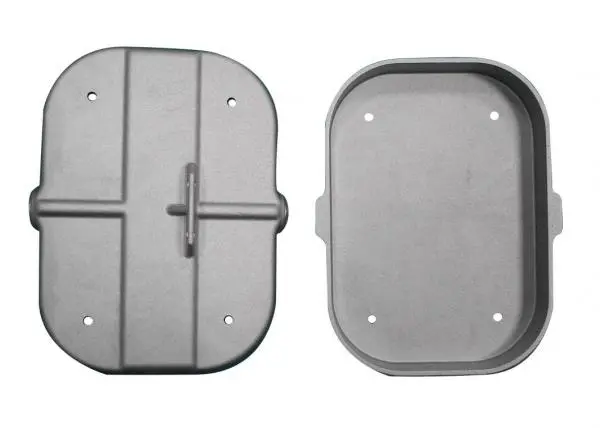
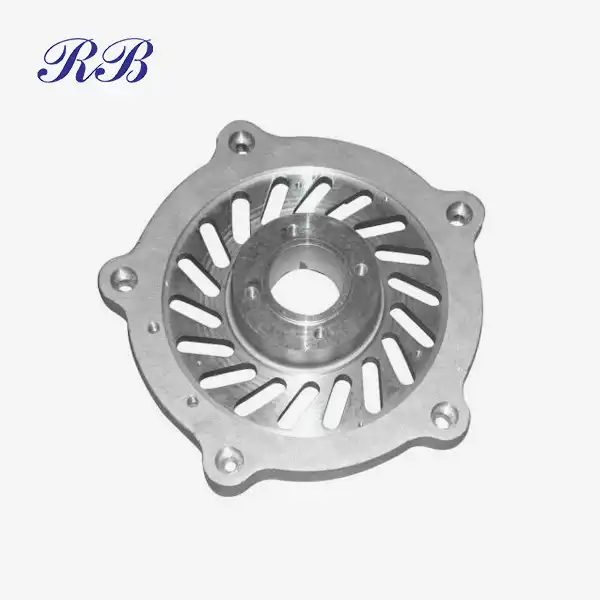
As part of a recent project, special ADC12 metal power supply covers weighing 0.24 kg each were made for companies that make industrial equipment. The part had complicated mounting bosses and air holes that needed to be placed very precisely. We got rid of possible shrinkage zones by working together to improve the design and find the best spot for the gate and the spread of wall thickness. After the treatment, shot blasting made the surface smooth and uniform, which was what the customer wanted. The monthly production capacity reached 5,000 pieces, and the dimensions were always correct thanks to CNC machining for important parts. This project showed how systematic process management can be used to deal with common casting problems and meet tight delivery dates.
Conclusion
When you use your 3D drawings to customize aluminum gravity casting parts, you get precise parts that meet strict technical requirements while still being cost-effective for medium-volume production. Digital design integration and tried-and-true metalworking methods are used together in this process to make parts that can be used in energy, building, vehicles, and factories. To be successful, you need to choose manufacturing partners that can do a lot of different things, like improving design, making sure quality, and providing quick service. This is what Rongbao Enterprise has to offer: international certifications, experience in the global market, and a promise to work with you for a long time. Our team is ready to take your CAD files and turn them into reliable production parts, whether you need power supply covers, valve housings, or structure brackets right away.
FAQ
1. What 3D file formats do you accept for custom casting projects?
We can work with STEP, IGES, Parasolid, and SolidWorks, CATIA, and Pro/ENGINEER native files. When these formats are transferred, the geometric accuracy stays the same. Sending files in neutral formats, such as STEP, helps keep compatibility issues to a minimum. Within three business days, our engineering team looks over submitted ideas and lets you know if they can be made and gives you an estimate of how much they will cost.
2. What lead times should I expect for custom aluminum castings?
Lead times are based on how complicated the project is and what molds are needed. It usually takes six to eight weeks for new mold to grow. Once the molds have been tested, it only takes three to four weeks to ship groups of 1,000 to 5,000 pieces. When space allows, rush orders are given priority ordering. Early discussion about transport needs helps us make the best use of our resources.
3. How do you ensure consistent quality across production batches?
During production runs, we use statistical process control to keep an eye on key dimensions and mechanical features. Each batch is checked for quality when it comes in, inspected while it's being made, and measured with a CMM one last time. As part of our ISO9001:2015 certification, we have to write down how to handle nonconformances and take appropriate action. This makes sure that we are always getting better.
Partner with Rongbao Enterprise for Reliable Aluminum Gravity Casting Solutions
Rongbao Enterprise has all the answers that procurement managers and technical engineers need when they are looking for a reliable company that makes aluminum gravity casting parts. Our Xi'an facility uses cutting-edge casting technology and strict quality controls to make sure that the parts we send you meet your requirements for size, material, and performance. We take care of projects from the first concept meeting all the way through mass production. As part of our integrated services, we offer CNC machining, shot blasting, and custom surface treatments. We give you the compliance paperwork your quality systems need with certifications like ISO9001:2015, ISO14001, and ISO45001. We'd love to talk to you about your unique component needs, production volumes, and shipping times. You can email Steve Zhou at steve.zhou@263.net or zhouyi@rongbaocasting.com to get full quotes and find out how our gravity casting services can help you reach your supply chain goals. Work with an aluminum gravity casting parts supplier that cares about accuracy, dependability, and customer satisfaction.
References
1. Campbell, J. (2015). Complete Casting Handbook: Metal Casting Processes, Metallurgy, Techniques and Design. Butterworth-Heinemann.
2. American Foundry Society (2018). Aluminum Casting Technology: Permanent Mold Processes. AFS Technical Publications.
3. Kaufman, J.G. & Rooy, E.L. (2016). Aluminum Alloy Castings: Properties, Processes, and Applications. ASM International.
4. Beeley, P.R. (2001). Foundry Technology. Butterworth-Heinemann Engineering Series.
5. Gruzleski, J.E. & Closset, B.M. (1990). The Treatment of Liquid Aluminum-Silicon Alloys. American Foundrymen's Society.
6. European Aluminium Association (2017). Gravity Die Casting: Best Practice Guidelines for Quality Assurance. European Standards for Metal Casting.
Learn about our latest products and discounts through SMS or email