- English
- French
- German
- Portuguese
- Spanish
- Russian
- Japanese
- Korean
- Arabic
- Greek
- German
- Turkish
- Italian
- Danish
- Romanian
- Indonesian
- Czech
- Afrikaans
- Swedish
- Polish
- Basque
- Catalan
- Esperanto
- Hindi
- Lao
- Albanian
- Amharic
- Armenian
- Azerbaijani
- Belarusian
- Bengali
- Bosnian
- Bulgarian
- Cebuano
- Chichewa
- Corsican
- Croatian
- Dutch
- Estonian
- Filipino
- Finnish
- Frisian
- Galician
- Georgian
- Gujarati
- Haitian
- Hausa
- Hawaiian
- Hebrew
- Hmong
- Hungarian
- Icelandic
- Igbo
- Javanese
- Kannada
- Kazakh
- Khmer
- Kurdish
- Kyrgyz
- Latin
- Latvian
- Lithuanian
- Luxembou..
- Macedonian
- Malagasy
- Malay
- Malayalam
- Maltese
- Maori
- Marathi
- Mongolian
- Burmese
- Nepali
- Norwegian
- Pashto
- Persian
- Punjabi
- Serbian
- Sesotho
- Sinhala
- Slovak
- Slovenian
- Somali
- Samoan
- Scots Gaelic
- Shona
- Sindhi
- Sundanese
- Swahili
- Tajik
- Tamil
- Telugu
- Thai
- Ukrainian
- Urdu
- Uzbek
- Vietnamese
- Welsh
- Xhosa
- Yiddish
- Yoruba
- Zulu
Can I customize cast half circle?
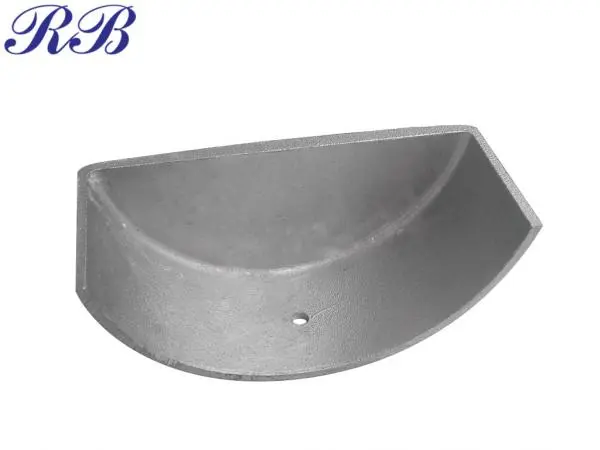
This is possible: you can change the width, thickness, and hole locations of a cast half circle pipe plug to fit your needs. Manufacturers of modern metal castings that can do high-pressure die casting can make these parts more or less exactly how you want them. They are often used in industrial piping and home rainwater drainage systems. Suppliers can make these semicircular sealing plugs to fit any pipe size, mounting setup, or performance requirement by using advanced CNC machining and accurate mould design. Customised casting solutions give you the exact fit and reliable sealing your project needs, whether you need ADC12 aluminium alloy construction for lightweight durability or specific hole patterns for bolt fastening.
Understanding Cast Half Circle Pipe Plugs and Their Customization Options
Cast half circle pipe plugs are special closing parts that are used to close and protect the open ends of pipe systems, mostly in household rainwater management and industrial fluid handling situations. Instead of full circle plugs that fully surround a pipe hole, these semicircular designs cover about half of the pipe's diameter. This makes installation more flexible and works with retrofit projects where full access is limited.
Most of the time, high-pressure die casting is used to make these parts. Materials like ADC12 aluminium alloy are used because they offer the best mix of strength, corrosion protection, and weight efficiency. At only 0.19 kg per unit, these plugs are both light and strong, and they meet high performance standards while making handling and fitting easier. Complex geometries and precise control of dimensions are possible with the casting process, which is especially useful when customisation is needed.
Why Customization Matters for Industrial Buyers
When standard parts don't meet the needs of a particular project, procurement managers and technical experts often have problems. Pipe sizes are very different depending on the building code, the equipment, and the infrastructure that is already in place. Pressure ratings, environmental exposure, and mechanical stress factors all affect how thick something needs to be. The locations of the holes must match any mounting clamps, drainage openings, or hardware that is already there.
Customisation directly solves these problems by letting buyers choose exact sizes during the making process instead of having to settle for off-the-shelf options that might need expensive changes in the field. We've worked with companies that make construction equipment, commercial vehicles, and industrial machinery, all of which need exact part specifications to keep their systems running smoothly.
Material Considerations and Performance Requirements
More and more, ADC12 aluminium alloy is being used to cast half circles because it is very easy to work with, has great mechanical qualities after being heated, and doesn't rust naturally. This alloy is made up of silicon, copper, and other elements that make it stronger while still making it easy to machine for further CNC processing.
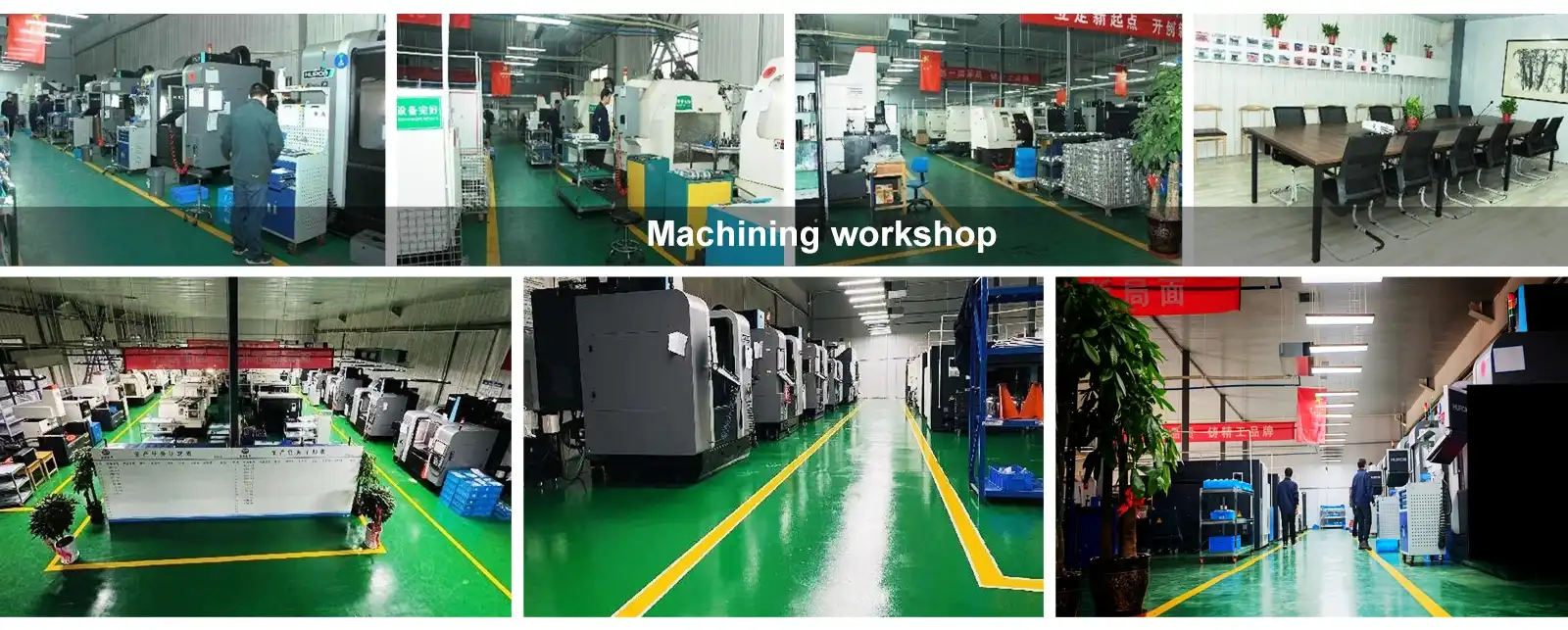
Shot blasting the surface of a part makes it last longer by giving it a uniform texture, getting rid of any flaws in the casting, and making it easier for paint or coating to stick when extra protection is needed. Manufacturers that care about quality use ISO9001:2015, ISO14001, and ISO45001-certified processes to make sure that all production batches have the same material properties and dimensions. This solves the main problem that quality engineers have with variation from batch to batch.
Key Dimensions Explained: Diameter, Thickness, and Hole Position
Knowing the three important dimensions of cast half circle pipe plugs helps procurement professionals clearly state what they need and accurately judge the capabilities of suppliers. Each measurement has a direct effect on how well the component is installed, how well it seals, and how well it works in the long run.
Diameter Specifications and Pipe Compatibility
The most basic dimension is diameter, which tells you what sizes of pipes the plug can effectively seal. For residential rainwater systems, pipes with a diameter of 75mm to 150mm are common. For industrial uses, parts for pipes 200mm or larger may be needed. Accurate width measurement makes sure that the plug and pipe inner surface make a tight seal, which stops water from getting in and keeps the structure strong.
Custom diameter choices can be used for pipes that aren't standard sizes, like those in older buildings, specialised equipment, or foreign settings where metric and imperial measurements are used together. When engineers are designing something, they need to think about how the final fit will be affected by manufacturing tolerances, thermal expansion, and gasket compression factors.
Thickness Requirements for Structural Integrity
The plug's ability to withstand mechanical loads, internal pressure, and external pressures without deforming or breaking is based on the thickness of its walls. Thinner profiles use less material and weigh less, so they can be used in low-pressure home settings where the primary goal is to keep debris out rather than keeping pressure in.
In industrial settings with water hammer, freeze-thaw cycles, or external contact risks, thicker parts make the structure stronger. A standard ADC12 component weighs only 0.19 kg, which is because it has an optimal thickness that balances structural performance with ease of handling. When supply chain managers look at the total cost of ownership, they should think about how thickness affects not only the cost of materials, but also the cost of shipping, the cost of labour to install, and the expected service life.
Hole Position Customization for Installation Flexibility
Hole sites allow safe mounting with bolts, screws, or other fasteners, and they may also serve other purposes, like as drainage paths or entry points for inspections. Standard hole shapes might not work with the way things are set up now, especially if the system was built for a different type of component.
Customising the locations of the holes makes it possible to precisely line up pre-drilled mounting brackets, avoids field drilling that could damage the structure, and speeds up the installation process. For flush bolt placement, technical plans should make it clear what size hole is needed, where it should be placed in relation to the center lines of the components, and if any counterboring or countersinking is needed.
How to Customize Cast Half Circle Pipe Plugs: Process and Best Practices
For customisation to work, buyers and production partners need to work together in an organised way. The process starts with clearly stated needs and continues with design validation, making a prototype, and then mass production.
Defining Engineering Requirements
Procurement managers should get detailed specs from technical teams. These specs should include CAD drawings with tolerances for size, preferred materials based on use, and performance standards like temperature or pressure limits. Clear paperwork cuts down on confusion and speeds up the time it takes to get quotes.
We suggest giving details about installation limitations, nearby parts, and access needs for maintenance that could affect design choices. Sharing the bigger picture of the application helps experienced manufacturers offer design improvements that make it easier to make without affecting the usefulness.
Material Selection and Casting Method
Even though ADC12 aluminium metal works well in most home and light business settings, other materials might be better in some situations. Cast iron is better at resisting wear in rough situations, while stainless steel alloys are better at stopping corrosion in naval or chemical processing settings.
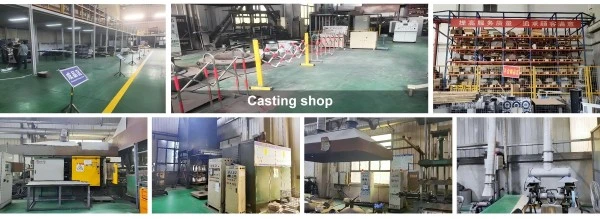
High-pressure die casting gives parts great surface finish and accurate dimensions, so it's perfect for parts that don't need much post-processing. This method can make anywhere from a few hundred to tens of thousands of pieces per month, which is the normal order number for OEM equipment makers and big building projects. Our factory in Xi'an can keep up with production runs of up to 5,000 pieces, which means it can handle both one-time sales and long-term supply deals.
Prototype Development and Sample Approval
Buyers who care about quality ask for prototype samples before committing to full production runs. Prototypes let you check the sizes physically, judge the quality of the finish on the surface, and test how well something works in real-world situations. This milestone finds problems early on, when it's cheaper to change the plan than to change the tools once production has started.
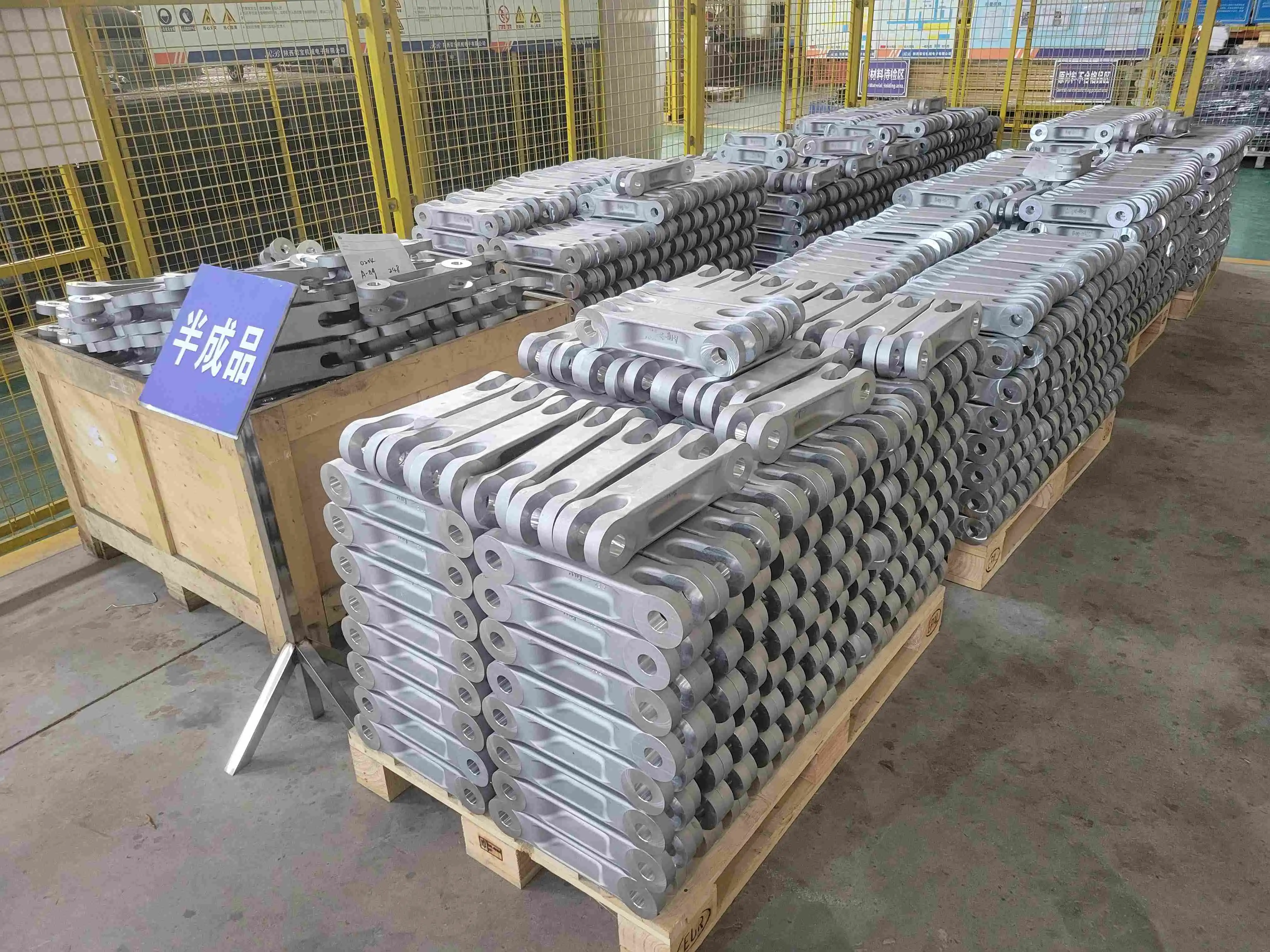
Based on feedback from prototypes, CNC machining lets you finetune the places of holes, the shapes of edges, and the surfaces that fit together. When samples are treated with shot blasting, they accurately show how the end product will look and feel. Quality engineers set the right acceptance standards and measurement methods for production batches by comparing samples to the criteria for incoming inspection.
Comparing Customization Solutions: Cast Half Circle Pipe Plugs vs Alternatives
To evaluate customisation options, you need to know the pros and cons of various part designs, materials, and production methods. In some situations, cast half circle configurations are better than other options, and in others, other options may be more cost-effective.
Customized vs Standard Components
Standard off-the-shelf parts usually cost less per unit and can be shipped right away from a distributor's stock. This makes them a good choice for simple applications with common requirements. Normal parts, on the other hand, often need changes to be made in the field, adapter hardware, or installations that aren't perfect. These add to the overall cost of the project and create potential failure points.
Customised cast plugs get rid of these problems by matching the dimensions exactly from the mill. When you buy more than a few hundred pieces, the upfront cost of special tools is spread out over a larger number of pieces. This makes the investment worthwhile. When procurement managers weigh the costs of initial tooling against the stability of long-term supplies, they often find that customisation lowers the total cost of ownership while making parts more reliable.
Half Circle vs Full Circle Designs
Full circular plugs cover all pipe holes fully, sealing them from all sides and giving them the most power for high-pressure uses. But installation usually needs full access to both ends of the pipe, which can be hard in small areas or when the pipe is already there.
The half circle shape lets you place it from one side, which works with access points that are partly blocked and makes it easier to connect to existing infrastructure. This set-up works especially well for rainwater drainage systems that don't need to be completely sealed and are more concerned with making maintenance easy. Technical engineers should think about how hard it is to get to, how well the structure needs to be sealed, and the structural loads when choosing between configurations.
Metal Casting vs Alternative Materials
Because they are flexible and easy to install through compression fitting, rubber plugs are good for short-term uses or situations where they need to be taken out often. However, rubber materials break down when exposed to UV light, don't hold up well at high temperatures, and don't have the structural rigidity needed for load-bearing uses.
Metal casts are stronger, more durable, and last longer in harsh settings than plastic composites. Plastic composites are lighter and can handle some chemical exposures. Cast metal parts from trusted makers last for decades in places where other materials would break down quickly from repeated temperature changes, mechanical loads, and exposure to the environment.
Conclusion
Changing the diameter, thickness, and hole locations of cast half circle pipe plugs solves important problems that purchasing managers, technical engineers, and quality workers in the energy, building, automobile, and industrial equipment sectors face. Manufacturers make parts that fit better, last longer, and cost less to own by using high-pressure die casting of ADC12 aluminium metal, CNC cutting, and quality systems that are ISO-certified. The structured customisation process, which includes developing detailed specifications, testing prototypes, and then mass production, makes sure that the dimensions are correct and the performance is consistent. Strategic partnerships with experienced casting suppliers give you more control over your supply chain, technical help, and the ability to add or remove capacity as needed. This helps with both short-term projects and long-term growth goals.
FAQ
1. Can I specify multiple hole positions on a single cast half circle pipe plug?
Yes, the casting design can include more than one hole spot, and CNC machining processes can make it even better. Engineers should give detailed drawings that show where the holes are, how big they are, and any other features, like countersinking. If there are a lot of holes in a structure, the plan may need to be looked over to make sure the structure stays strong around the holes.
2. What are typical lead times for customized cast half circle pipe plugs?
Lead times depend on whether or not new tools are needed. When projects use current moulds, they may be shipped 3–4 weeks after the order is confirmed. For new unique designs that need mould development, it usually takes 6–8 weeks to make the tools and another 2–3 weeks to make and approve the first product. For urgent needs, rush options may be offered.
3. What minimum order quantities apply to custom specifications?
Minimum order quantities depend on how quickly tools wear out and how efficiently they are used in production. For custom designs, initial orders of 500 to 1,000 pieces are usually needed to justify the cost of the tools. However, smaller trial runs of 50 to 100 pieces can be set up to test the product. When shared tooling resources are used, standard specifications may have lower minimums.
Ready to Optimize Your Piping Solutions with Custom Cast Half Circle Components?
With 20 years of experience in metal casting and ISO9001:2015, ISO14001, and ISO45001 certifications, Rongbao Enterprise can make cast half circle pipe plugs that are exactly what you need. We are a reliable company that makes cast half circles for the automotive, construction, and industrial equipment industries in Europe, the United States, and Japan. We offer full solutions, from creating moulds to CNC machining and surface treatment. Our Xi'an factory uses modern high-pressure die casting technology to make up to 5,000 pieces per run. This makes sure that the dimensions are correct and the quality is reliable for tough uses. You can email our technical team at steve.zhou@263.net or zhouyi@rongbaocasting.com to talk about your needs, get technical specs, or set up a free review. Visit rongbaocasting.com to learn more about our full casting services and how customised parts can improve the performance of your product while making buying easier.
References
1. Smith, J. (2021). Metal Casting Processes and Applications in Industrial Manufacturing. Technical Publishing Group.
2. Anderson, M. & Chen, L. (2020). "Aluminum Alloy Selection for Die Casting Applications," Journal of Manufacturing Engineering, Vol. 45, No. 3, pp. 112-128.
3. International Organization for Standardization (2019). Quality Management Systems Requirements for Automotive Production, ISO/TS 16949:2019.
4. Martinez, R. (2022). Design for Manufacturability in Metal Component Production. Industrial Press.
5. Thompson, K. (2020). "Customization Strategies in B2B Procurement: A Supply Chain Perspective," International Journal of Operations Management, Vol. 38, No. 2, pp. 201-219.
6. Williams, D. (2021). Pipe Fitting and Sealing Solutions for Construction Applications. Building Technology Publications.
Learn about our latest products and discounts through SMS or email