- English
- French
- German
- Portuguese
- Spanish
- Russian
- Japanese
- Korean
- Arabic
- Greek
- German
- Turkish
- Italian
- Danish
- Romanian
- Indonesian
- Czech
- Afrikaans
- Swedish
- Polish
- Basque
- Catalan
- Esperanto
- Hindi
- Lao
- Albanian
- Amharic
- Armenian
- Azerbaijani
- Belarusian
- Bengali
- Bosnian
- Bulgarian
- Cebuano
- Chichewa
- Corsican
- Croatian
- Dutch
- Estonian
- Filipino
- Finnish
- Frisian
- Galician
- Georgian
- Gujarati
- Haitian
- Hausa
- Hawaiian
- Hebrew
- Hmong
- Hungarian
- Icelandic
- Igbo
- Javanese
- Kannada
- Kazakh
- Khmer
- Kurdish
- Kyrgyz
- Latin
- Latvian
- Lithuanian
- Luxembou..
- Macedonian
- Malagasy
- Malay
- Malayalam
- Maltese
- Maori
- Marathi
- Mongolian
- Burmese
- Nepali
- Norwegian
- Pashto
- Persian
- Punjabi
- Serbian
- Sesotho
- Sinhala
- Slovak
- Slovenian
- Somali
- Samoan
- Scots Gaelic
- Shona
- Sindhi
- Sundanese
- Swahili
- Tajik
- Tamil
- Telugu
- Thai
- Ukrainian
- Urdu
- Uzbek
- Vietnamese
- Welsh
- Xhosa
- Yiddish
- Yoruba
- Zulu
How does low pressure casting work?
In low pressure casting, pressured gas (usually between 0.2 and 1.5 bar) drives molten metal up from a sealed furnace through a riser tube into a permanent mold chamber. This method of filling from the bottom up reduces turbulence and oxidation, and the controlled pressure makes sure that the cavity is completely filled. To stop shrinkage problems, the pressure stays the same during solidification. Then, it releases so that extra metal may flow back into the furnace for reuse. This makes dense, high-quality aluminum or magnesium parts with better mechanical qualities.
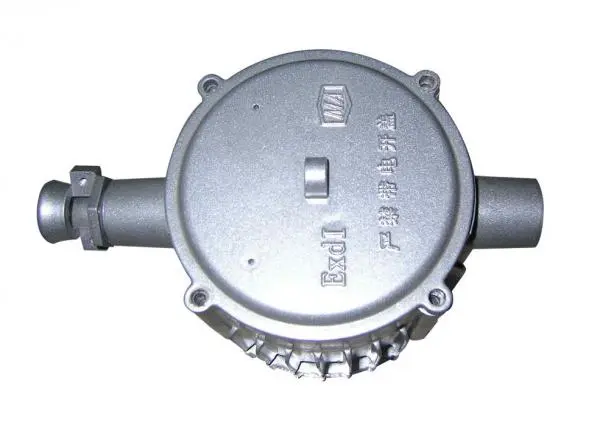
What Is Low Pressure Casting and Why Does It Matter?
Low pressure casting is an important step in developing high-quality metal parts since modern manufacturing needs accuracy, speed, and low costs. This advanced casting technology has changed the way manufacturers make precise metal parts in several fields.
Defining Low Pressure Casting in Modern Manufacturing
Low-pressure casting is a precise method of casting metal that uses controlled gas pressure to push molten metal from a sealed holding furnace into permanent molds that are above it. The method works within a very narrow pressure range, usually between 0.2 and 1.5 bar. This makes sure that the metal flows well and the structure stays strong throughout the casting cycle.
The technology came about because manufacturers wanted to find better ways to cast things than the old-fashioned way, which sometimes didn't work well. Low pressure systems produce a controlled environment that lets you manage the flow of metal very precisely. This makes parts with very good dimensional accuracy and mechanical qualities. This method works especially well with aluminum and magnesium alloys, which are becoming more and more important in efforts to make cars and planes lighter.
Key Differentiators from Traditional Casting Methods
Low-pressure casting, on the other hand, fills from the bottom up, which gets rid of many frequent problems that happen when metal flows in a chaotic way. The sealed furnace technology keeps the metal temperature the same throughout the casting cycle and stops oxidation and inclusion formation.
High-pressure die casting works at much higher pressures, sometimes over 100 bar. This can trap gasses and cause problems with porosity. Low-pressure casting is less harsh, which lets gases escape naturally during filling. This makes pieces with better density and strength. The process is also different from sand casting since it uses permanent molds, which allow for superior surface finishes, tighter dimensional tolerances, and higher production volumes.
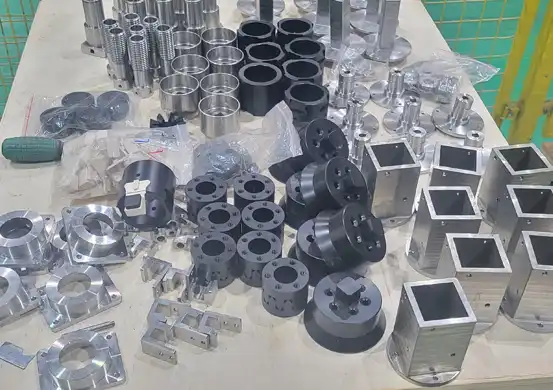
Industrial Applications Driving Market Demand
More and more, car makers use low pressure casting to make important parts like engine heads, gearbox housings, suspension parts, and electric vehicle battery enclosures. The aircraft industry uses this method to make structural brackets, housing pieces, and turbine elements where keeping weight down and dependability are very important.
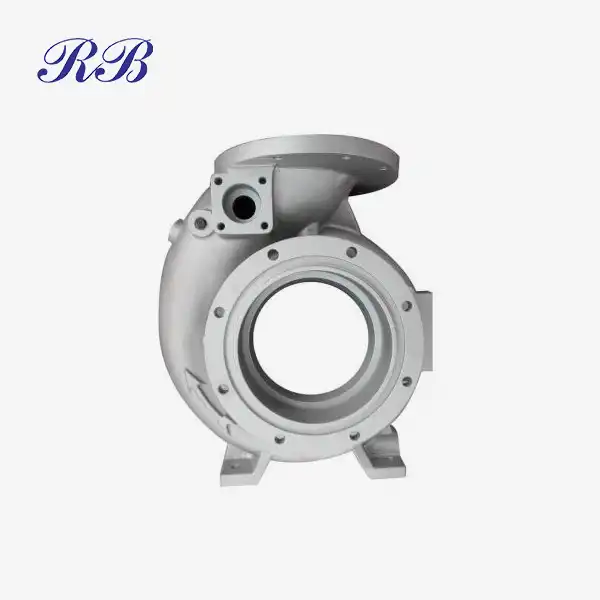
The method is useful for making pump housings, valve bodies, and hydraulic system parts that need to be able to work in very harsh conditions. This is helpful for the construction and heavy machinery industries. In the energy sector, wind turbine parts and power generation equipment are examples of where dimensional accuracy and material integrity directly affect safety and efficiency.
The Step-by-Step Low Pressure Casting Process
Manufacturers can improve production parameters and get consistent quality results by knowing the exact phases in the process. To make sure that the qualities of the components are as good as they can be, each phase needs to be carefully controlled and watched.
Equipment Setup and Initial Preparation
The first step in the casting cycle is to get all the equipment ready, which includes heating the furnace to the right temperature for the metal, which is usually between 700°C and 750°C for aluminum alloys. Operators need to make sure that the pressure system works by checking that all seals and connections stay strong during the whole production cycle.
Preheating the mold is an important stage in the process. The molds are heated to temperatures between 200°C and 350°C, depending on how complicated the part is and how thick the walls need to be. Correct mold temperature stops premature solidification during filling and helps cooling patterns stay even. To make sure the best metal flow routes and the least amount of turbulence during filling, the riser tube needs to be checked and placed.
Mold Positioning and Sealing Procedures
Correctly aligning the mold makes sure that the cavity is filled correctly and that the dimensions are correct. The mold assembly must fit perfectly with the furnace system so that no pressure is lost during the casting cycle. Operators check that all the clamping mechanisms are working properly and that the separation line seals are still in place.
The position of the riser tube inside the mold cavity has a big effect on the filling patterns and the quality of the final part. Correct placement reduces the speed of the metal while making sure that the hole is completely filled, especially in complex shapes with thin walls or plenty of details.
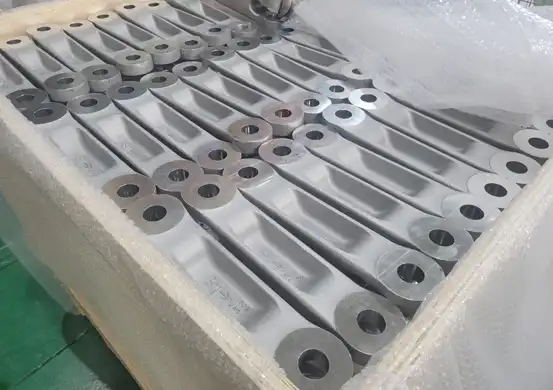
Controlled Pressure Application and Metal Flow
The application of pressure follows a set pattern that is meant to improve filling characteristics for certain component shapes. At first, the pressure is usually modest, but it slowly rises to keep the metal moving at a steady speed during the cavity filling process. This controlled method keeps turbulence from happening and makes sure that the mold is completely filled.
The metal flow pattern goes from the bottom to the top, which lets natural gas leave and stops it from being stuck, which could damage the integrity of the parts. Operators keep an eye on the flow velocity and pressure parameters in real time and make changes as needed to keep the best casting conditions.
Solidification and Cooling Phases
Keeping pressure on during solidification stops shrinkage problems and makes sure that the castings are dense and sound. To get the right microstructure qualities and keep residual stress from building up, you need to be very careful with the temperature during the cooling process. Controlled cooling rates help improve mechanical characteristics and keep dimensions stable.
The solidification pattern moves from thin areas to thicker ones, and the pressured metal supply makes up for shrinkage during phase change. This procedure makes parts with the same density and mechanical qualities all the way across the casting cross-section.
Part Removal and Finishing Operations
Once the riser system has completely solidified and cooled, pressure release lets extra metal flow back into the furnace so it may be used again, which cuts down on waste. To avoid damaging either the parts or the tools, mold opening and part extraction must be done carefully.
Depending on the specifications of the parts and the needs of the end user in low pressure casting, secondary processes may include machining, surface treatment, or heat treatment. Compared to other casting processes, the great as-cast surface polish frequently means that less finishing operations are needed.
Critical Process Parameters and Control Systems
For low-pressure casting to work, all of the parameters must be controlled very carefully during the whole production cycle. Modern control systems let you see and change important variables in real time.
Optimal Pressure Range Selection (0.2-1.5 bar)
The geometry of the parts, the thickness of the walls, and the properties of the alloy all affect the choice of pressure. Thin-walled parts usually need greater pressures to fill completely, while thick sections may need lower pressures to keep flaws from happening. The controlled pressure range keeps metal from moving around too much while yet providing enough force to fill the hole.
Different aluminum alloys react differently to changes in pressure. Casting alloys usually need lower pressures than wrought alloys because they flow better. When generating pressure profiles for the best outcomes, operators need to think about the specific qualities of the alloy.
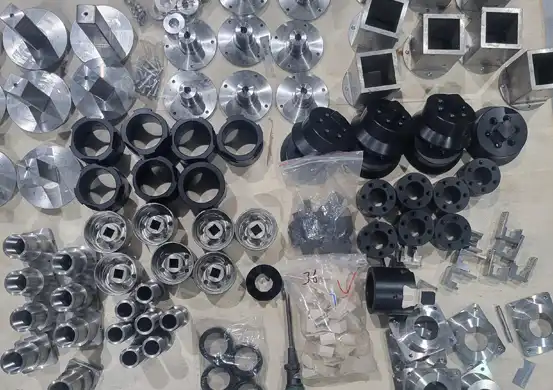
Temperature Management Throughout the Cycle
Controlling the temperature of the metal impacts how fluid it is, how well it fills, and its final mechanical properties. Keeping the temperature the same during the whole casting cycle makes sure that the outcomes are always the same and the parts are of the best quality. Furnace temperature monitoring systems give you real-time feedback so you can manage heat more accurately.
The temperature of the mold has a big effect on how quickly things cool down and how they solidify. Higher mold temperatures can improve surface polish and dimensional accuracy, but they may also make cycle times longer. Temperature control systems have to find a compromise between quality needs and goals for efficiency in production.
Timing Controls for Each Process Stage
Exact timing control makes sure that each phase of the operation works as well as possible. The time it takes to fill impacts how metal flows and how defects could emerge. The time it takes to pressurize affects the final density and mechanical qualities of the component. Modern control systems let you program timing sequences that are customized to the needs of each part.
Cycle time optimization finds a balance between quality needs and production speed. Shorter cycles make work more productive, but they could compromise the quality of the parts if cooling isn't good enough. Operators need to set timing limits that meet quality goals while also maximizing throughput.
Quality Monitoring and Real-Time Adjustments
Advanced monitoring systems keep an eye on important factors including pressure, temperature, and time during each casting cycle. Real-time data analysis lets you make changes right away to keep the best process conditions and stop defects from happening.
Statistical process control approaches help you find patterns and changes that potentially affect the quality of parts. When parameters go outside of permissible ranges, automated systems can take remedial action to make sure that production quality stays the same.
Conclusion
Low-pressure casting is a complex manufacturing method that uses controlled pressure application and bottom-up filling processes to make parts of the highest quality. Compared to traditional casting methods, the process has many benefits, such as better surface finish, better dimensional accuracy, and better mechanical qualities. The initial costs of low pressure casting equipment are more than those of simple alternatives, but in the long run, it is better for medium to large volume production where quality standards warrant the technology investment.
To be successful with low-pressure casting, you need to choose the right equipment, regulate the parameters exactly, and have a full quality management system. The process keeps changing as new automation and monitoring technologies are added. These technologies boost productivity while keeping quality standards the same across a wide range of industrial uses.
Partner with Rongbao Enterprise for Your Low Pressure Casting Needs
Rongbao Enterprise stands as your trusted low pressure casting manufacturer, combining two decades of industry experience with comprehensive manufacturing capabilities that span the complete production chain. Our full-process expertise covers high-pressure die casting, low pressure casting, gravity casting, and precision machining, ensuring seamless integration from design through finished component delivery.
Our ISO 9001, ISO 14001, and ISO 45001 certifications demonstrate our commitment to quality excellence and environmental responsibility. With 70% of our production exported to European, American, and Japanese markets, we understand the stringent requirements of global manufacturing standards. Contact steve.zhou@263.net or zhouyi@rongbaocasting.com to discuss how our low pressure casting solutions can enhance your manufacturing capabilities and support your quality objectives.
FAQ
What pressure range is typically used in low pressure casting, and how does it affect part quality?
Low pressure casting operates within a pressure range of 0.2 to 1.5 bar, significantly lower than high pressure die casting. The optimal pressure depends on component geometry, with thin-walled parts requiring higher pressures for complete filling while thick sections need lower pressures to prevent defects. Proper pressure selection ensures complete mold filling without turbulence, resulting in dense castings with superior mechanical properties and excellent surface finish.
How does cycle time in low pressure casting compare to other casting methods for similar parts?
Cycle times for low pressure casting typically range from 2 to 8 minutes depending on component size and complexity, generally longer than high pressure die casting but shorter than sand casting. The controlled filling and solidification process requires more time than high pressure methods but produces superior quality that often eliminates secondary operations, potentially reducing total manufacturing time when considering all production steps.
What aluminum alloys are best suited for low pressure casting applications?
Aluminum casting alloys including A356, A357, and AlSi7Mg demonstrate excellent performance in low pressure casting due to their superior fluidity and mechanical properties. These alloys provide good corrosion resistance, machinability, and strength characteristics suitable for automotive and aerospace applications. Alloy selection depends on specific performance requirements including strength, ductility, and environmental resistance needs.
What are the minimum and maximum part sizes feasible with low pressure casting?
Component sizes for low pressure casting typically range from small precision parts weighing less than 0.1 kg to large structural components exceeding 50 kg. The practical limits depend on equipment capacity, mold handling capabilities, and furnace size. Most production applications focus on medium-sized components between 1 and 20 kg where the process economics and quality advantages are most pronounced.
How do tooling costs for low pressure casting compare to high pressure die casting?
Low pressure casting tooling costs typically represent 60-70% of high pressure die casting tool investments due to lower force requirements and simpler clamping mechanisms. While permanent molds require higher initial investment than sand casting patterns, the improved quality and longer tool life often justify the expense through reduced per-part costs over high volume production runs.
References
1. Campbell, John. "Complete Casting Handbook: Metal Casting Processes, Metallurgy, Techniques and Design." Butterworth-Heinemann, 2015.
2. American Foundry Society. "Low Pressure Casting Technology and Applications in Modern Manufacturing." AFS Technical Publication, 2019.
3. Davis, Joseph R. "Aluminum and Aluminum Alloys: Cast Aluminum Alloy Properties and Selection." ASM International Materials Handbook, 2018.
4. European Foundry Association. "Advanced Casting Processes: Comparative Analysis of Low Pressure and Alternative Methods." EFA Technical Report, 2020.
5. Zhang, Wei and Thompson, Robert. "Process Optimization in Low Pressure Die Casting: Parameters and Quality Control." International Journal of Metal Casting, 2021.
6. International Organization for Standardization. "Quality Management Systems for Casting Operations: ISO 16949 Implementation Guidelines." ISO Technical Standards, 2022.
Learn about our latest products and discounts through SMS or email