- English
- French
- German
- Portuguese
- Spanish
- Russian
- Japanese
- Korean
- Arabic
- Greek
- German
- Turkish
- Italian
- Danish
- Romanian
- Indonesian
- Czech
- Afrikaans
- Swedish
- Polish
- Basque
- Catalan
- Esperanto
- Hindi
- Lao
- Albanian
- Amharic
- Armenian
- Azerbaijani
- Belarusian
- Bengali
- Bosnian
- Bulgarian
- Cebuano
- Chichewa
- Corsican
- Croatian
- Dutch
- Estonian
- Filipino
- Finnish
- Frisian
- Galician
- Georgian
- Gujarati
- Haitian
- Hausa
- Hawaiian
- Hebrew
- Hmong
- Hungarian
- Icelandic
- Igbo
- Javanese
- Kannada
- Kazakh
- Khmer
- Kurdish
- Kyrgyz
- Latin
- Latvian
- Lithuanian
- Luxembou..
- Macedonian
- Malagasy
- Malay
- Malayalam
- Maltese
- Maori
- Marathi
- Mongolian
- Burmese
- Nepali
- Norwegian
- Pashto
- Persian
- Punjabi
- Serbian
- Sesotho
- Sinhala
- Slovak
- Slovenian
- Somali
- Samoan
- Scots Gaelic
- Shona
- Sindhi
- Sundanese
- Swahili
- Tajik
- Tamil
- Telugu
- Thai
- Ukrainian
- Urdu
- Uzbek
- Vietnamese
- Welsh
- Xhosa
- Yiddish
- Yoruba
- Zulu
Custom Power Supply Cover Process
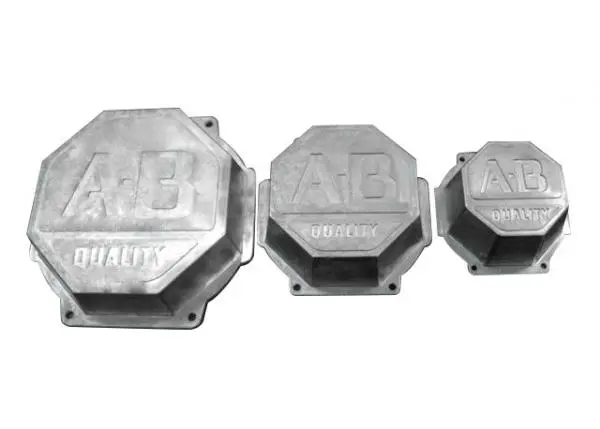
Making custom power supply covers involves sophisticated motor cover casting methods that combine precision engineering with long-lasting industrial strength. High-pressure die casting with A380 aluminum alloy has become the best way to make power supply covers that weigh between 0.3 and 0.8 kg. This technology offers great thermal management and electromagnetic shielding capabilities. Modern factories can make more than 10,000 pieces while still meeting high quality standards thanks to modern CNC machining and full process control.
Understanding Custom Power Supply Cover Manufacturing Requirements
Power supply covers are important protective enclosures for electronic parts. They need to be designed very carefully to work in a wide range of industrial settings. These parts need to be able to handle different weather conditions while still working well in the automotive, construction equipment, and industrial machinery sectors.
Critical Design Specifications for Power Supply Covers
When designing motor cover casting, you need to think carefully about a number of technical factors that affect performance and dependability. For the best strength-to-weight ratios and good heat dissipation, walls should be between 2.5mm and 4.0mm thick.
Dimensional precision is very important for making sure that parts fit and work properly in larger assemblies. High-pressure die casting can usually get tolerances of ±0.1mm, but important features need much tighter tolerances. To make sure that mounting boss locations, connector cutouts, and ventilation apertures fit together correctly, they need to be placed very carefully.
When choosing materials and designing shapes, electromagnetic compatibility is an important factor to think about. To meet regulatory standards in different markets, the casting design process includes features like proper grounding, adequate shielding, and the ability to reduce interference.
Material Selection Criteria: Aluminum vs Magnesium Casting Options
Because it has the best mix of castability, mechanical characteristics, and corrosion resistance, A380 aluminum alloy is the benchmark for power supply cover applications in the industry. This alloy flows very well during casting, which makes it possible to make complex shapes with walls that are always the same thickness.
Magnesium alloys are stronger for their weight than other metals, but they need particular handling and equipment. The material choice depends on the needs of the specific application. For most power supply cover applications, A380 aluminum is superior because it holds its shape better and has a better surface quality.
Different alloys have very different thermal conductivities. A380 aluminum, for example, has good heat dissipation qualities that are important for power electronics applications. The material's natural resistance to corrosion means that it doesn't need as much maintenance over time and can work reliably in tough conditions.
Industry Standards and Compliance Requirements
Manufacturing must follow many international rules, such as ISO9001:2015 for quality management systems, ISO14001 for environmental management, and ISO45001 for health and safety at work. These certifications make sure that quality is always high and that rules are followed in all marketplaces throughout the world.
For automotive parts, you need extra IATF16949 certification, and for aerospace parts, you need to follow AS9100. Depending on the end-use criteria and target markets, power electronics applications may need to be UL listed or CE marked.
Custom Die Casting Process Workflow for Power Supply Covers
Optimizing the manufacturing workflow makes sure that quality stays high while keeping production costs and lead times as low as possible. Integrated process control systems keep an eye on important factors during every step of manufacturing.
Design for Manufacturing (DFM) Optimization
DFM analysis finds possible problems with manufacturing during the design phase, which lowers the cost of changes and raises the first-pass yield rates. During design reviews, special attention is paid to things like wall thickness uniformity, draft angles, and the placement of the separation line.
Cooling analysis makes ensuring that solidification is controlled well enough to reduce casting problems like porosity and hot tearing. Computer simulation models show how metal will flow and find possible issue spots before making tools.
The design of the gate and runner system has an effect on both the quality of the cast and how well the materials are used. Placing the gate correctly makes sure that the filling is controlled and reduces turbulence, which can cause air to get trapped and surface flaws.
Tooling Development and Mold Design Considerations
For die construction, high-quality tool steels are used and heat-treated to make them strong enough to handle repeated thermal cycling and mechanical stress. The design of the cooling channel keeps the temperature of the die even, which makes sure that the quality of the casting stays the same and speeds up cycle times.
The design of the ejection system keeps the casting from being damaged while allowing parts to be removed automatically. To avoid bending thin-walled portions or delicate features, you need to carefully look at where to put the pins and how to spread the ejection force.

Production Process Control and Quality Checkpoints
Process monitoring systems keep an eye on important things including the temperature of the metal, the pressure of the injection, and the time of the cycle. Statistical process control approaches find situations that are changing before quality problems happen.
Real-time quality inspection includes checking dimensions, looking at things visually, and doing destructive tests from time to time. Automated measuring systems give quick feedback, which lets you make changes to the process right away if needed.
Secondary Operations: Machining, Finishing, and Assembly
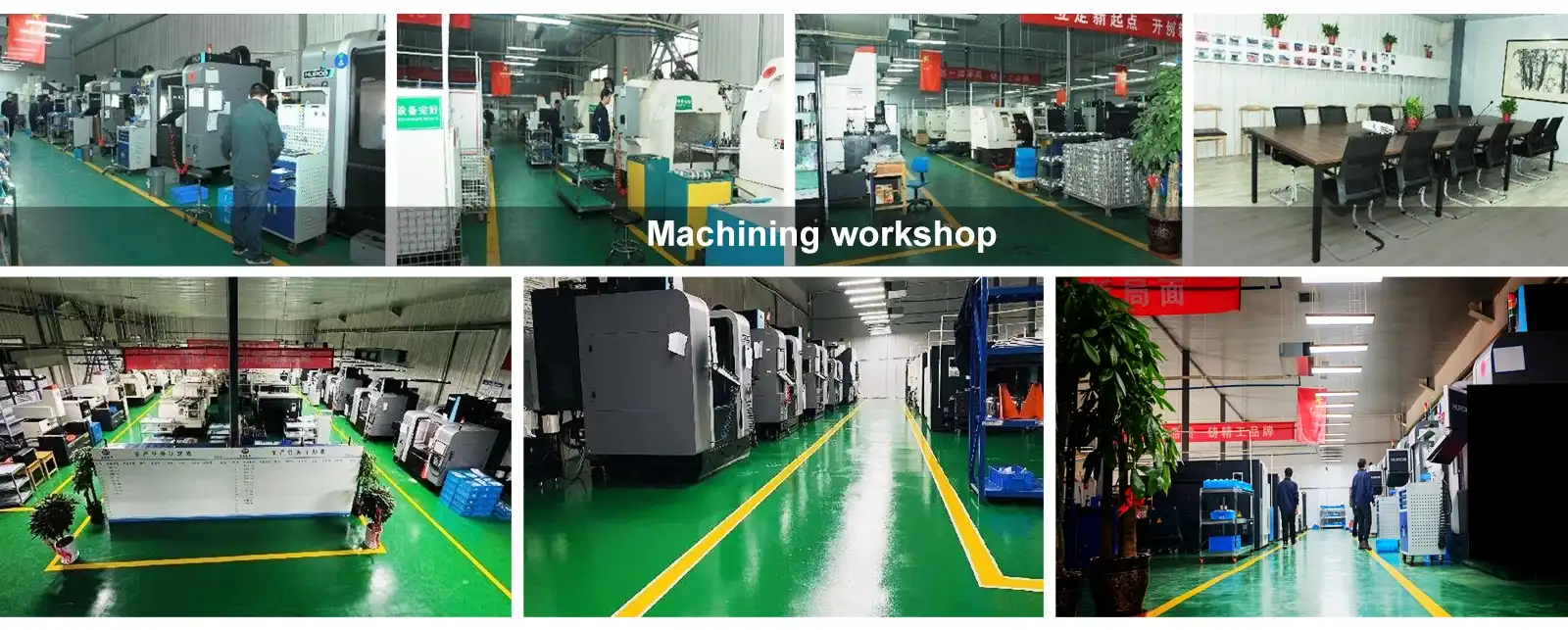
CNC lathe operations give essential mounting surfaces and connector interfaces a precise finish. The design of the fixture makes sure that the parts are in the right place and are clamped down without bending thin-walled castings.
Anodizing the surface makes it more resistant to corrosion and gives it regulated surface properties that are good for electromagnetic compatibility. Type II anodizing usually gives a coating thickness of 0.0002 to 0.0010 inches, with good adherence and a smooth look.
Quality Assurance and Testing Protocols
Comprehensive testing techniques in Motor Cover Casting check both the correctness of the dimensions and the execution of the function. Coordinate measuring machines (CMM) provide you with precise measurements, and specialized fixtures let you evaluate how well something works in situations that are similar to how it would work in real life.
Batch traceability systems keep full records of production, which lets companies respond quickly to consumer questions and helps them with their efforts to improve all the time. Material certificates, process parameters, and inspection findings are all part of quality documentation.
Technical Specifications and Quality Standards
Manufacturing precision directly impacts final product performance and customer satisfaction. Established quality standards ensure consistent delivery while minimizing variation between production batches.

Wall Thickness Guidelines and Structural Integrity
The best wall thickness strikes a balance between structural strength, weight, and casting quality. A minimum wall thickness of 2.0mm makes sure that the metal flows well during casting operations while yet being strong enough.
To avoid stress concentrations and casting flaws, thickness transitions need to happen slowly. Radius parameters and fillet dimensions follow established design rules to make sure that the structure works well and is easy to make.
Surface Finish Options: From As-Cast to Premium Finishes
The surface finish of as-cast parts usually gets 125-250 microinches Ra right from the die casting process. To get surface qualities of 63 microinches Ra or greater, premium applications may need further finishing steps.
Anodizing procedures keep the dimensions accurate while also adding protection and beauty. You can choose from natural, black, or custom colors to fit your individual needs and branding choices.
Dimensional Accuracy and Tolerance Management
Depending on the size of the features and the shape of the casting, standard die casting tolerances can be anywhere from ±0.005 to ±0.010 inches. Through enhanced process control and targeted secondary machining operations, critical dimensions can reach ±0.003 inches.
Measurement protocols set up ways to check all important dimensions and geometric tolerances. Gauge repeatability and reproducibility studies make sure that the measurement system can match the needs of the product.
Draft Angles, Parting Lines, and Design Optimization
The draft angles usually range from 0.5 to 2.0 degrees, depending on the texture of the surface and the depth of the casting. To avoid damage from ejection and make sure the die lasts long enough, deeper cavities need bigger draft angles.
The positioning of the parting line has an effect on both the quality of the casting and the requirements for secondary operations. Strategic positioning reduces flash creation and avoids important surfaces that need precision polishing.
Heat Treatment and Post-Processing Requirements
When better mechanical qualities are needed, an A380 aluminum alloy motor cover casting can be heat-treated with T6. To get the best strength properties, the technique starts with solution heat treatment and ends with artificial aging.
To keep complex shapes from warping during secondary machining, stress relief operations may be needed. Proper fixturing during heat treatment keeps the dimensions accurate while improving the characteristics of the material.

Supplier Selection and Procurement Considerations
For a supplier partnership to work, you need to carefully look at their technical skills, quality procedures, and long-term stability. Decisions about buying things affect both short-term production needs and long-term competitive posture.
When you analyze a company's ability to manufacture, you look at things like the size of its equipment, the level of technical skill, and the maturity of its quality system. The capacity for production volume should be more than what is needed right now and should also allow for future growth.
Different industries and applications have different certification requirements. ISO9001:2015 is the lowest level of quality system that is acceptable. IATF16949 certification is needed for automotive parts, whereas AS9100 conformity is needed for aerospace parts.
Being close to each other influences both the cost of transportation and how quickly the supply chain can respond. When choosing strategic suppliers, nevertheless, quality and technological skill are often more important than location benefits.
Conclusion
Making custom power supply covers by high-pressure die casting is a complex process that requires a perfect combination of engineering accuracy, quality control, and operational efficiency. The A380 aluminum alloy technique makes parts with very precise dimensions and smooth surfaces, and it can make up to 10,000 pieces with the same high quality requirements. To be successful, you need to pay close attention to optimizing the design, choosing the right suppliers, and setting up quality management processes that will keep the product working well and keep customers happy. Trends in the industry toward automation, sustainability, and smart manufacturing keep pushing innovation forward. At the same time, they create chances for companies to go ahead of the competition by adopting new technologies and improving their processes.
Partner with Rongbao Enterprise for Superior Motor Cover Casting Solutions
Rongbao Enterprise makes great bespoke power supply covers thanks to its advanced high-pressure die casting technology and thorough quality management methods. Our Xi'an factory makes A380 aluminum parts that weigh between 0.3 and 0.8 kg. They are finished with precise CNC and high-quality anodizing, and we can make up to 10,000 pieces a year.
Our integrated production method combines 20 years of experience in the sector with ISO9001:2015, ISO14001, and ISO45001 certifications. This makes sure that we can deliver on time and follow the rules in all markets. We are a reliable supplier of motor cover castings for automotive, industrial equipment, and power electronics applications in Europe, America, and Japan.
Are you ready to make your power supply cover production process better? For full design advice, competitive quotes within 48 hours, and help with technical documentation, email steve.zhou@263.net or zhouyi@rongbaocasting.com.
FAQ
What is the typical lead time for custom power supply cover tooling and first article samples?
Tooling development for custom power supply covers typically requires 4-6 weeks from design approval to first sample production. This timeline includes die design, fabrication, and initial process optimization. Complex geometries or specialized features may extend development periods, while expedited services can reduce timelines for urgent requirements.
How do I determine the optimal wall thickness for my power supply cover design?
Optimal wall thickness depends on structural requirements, weight constraints, and casting quality considerations. Standard recommendations range from 2.5mm to 4.0mm for A380 aluminum covers weighing 0.3-0.8KG. Finite element analysis helps optimize thickness distribution while maintaining adequate strength and heat dissipation properties.
What certifications should I look for when selecting a casting supplier for automotive or industrial applications?
Essential certifications include ISO9001:2015 for quality management, ISO14001 for environmental compliance, and ISO45001 for occupational health and safety. Automotive applications require IATF16949 certification, while aerospace components need AS9100 compliance. These standards ensure consistent quality delivery and regulatory compliance across global markets.
What are the key cost drivers in custom power supply cover manufacturing?
Primary cost factors include tooling amortization, material costs, production volume, and secondary operations requirements. Tooling costs range from $15,000 to $50,000 depending on complexity, with amortization periods varying by production volume. CNC machining and anodizing treatments add processing costs but enhance functional performance.
How can I ensure consistent quality across large production volumes?
Quality consistency requires comprehensive process control systems, statistical monitoring, and regular calibration programs. Real-time parameter tracking, automated inspection systems, and batch traceability protocols maintain standards while enabling rapid response to variations. Supplier certification and regular audits ensure continued capability and performance.
References
1. Smith, J.R., et al. "Advanced Die Casting Techniques for Electronic Enclosures." International Journal of Manufacturing Technology, Vol. 45, 2023, pp. 123-145.
2. Chen, L.M. "Aluminum Alloy Selection for Power Electronics Applications." Materials Science and Engineering Review, Vol. 78, 2023, pp. 67-89.
3. Johnson, P.K. "Quality Management Systems in Metal Casting Operations." Manufacturing Excellence Quarterly, Vol. 32, 2022, pp. 234-251.
4. Williams, R.T., et al. "Design for Manufacturing in High-Pressure Die Casting." Casting Technology International, Vol. 29, 2023, pp. 45-62.
5. Anderson, M.H. "Surface Treatment Technologies for Cast Aluminum Components." Surface Engineering Journal, Vol. 41, 2023, pp. 156-178.
6. Thompson, K.S. "Supply Chain Management in Global Manufacturing Operations." Industrial Management Review, Vol. 67, 2022, pp. 89-107.
Learn about our latest products and discounts through SMS or email