- English
- French
- German
- Portuguese
- Spanish
- Russian
- Japanese
- Korean
- Arabic
- Greek
- German
- Turkish
- Italian
- Danish
- Romanian
- Indonesian
- Czech
- Afrikaans
- Swedish
- Polish
- Basque
- Catalan
- Esperanto
- Hindi
- Lao
- Albanian
- Amharic
- Armenian
- Azerbaijani
- Belarusian
- Bengali
- Bosnian
- Bulgarian
- Cebuano
- Chichewa
- Corsican
- Croatian
- Dutch
- Estonian
- Filipino
- Finnish
- Frisian
- Galician
- Georgian
- Gujarati
- Haitian
- Hausa
- Hawaiian
- Hebrew
- Hmong
- Hungarian
- Icelandic
- Igbo
- Javanese
- Kannada
- Kazakh
- Khmer
- Kurdish
- Kyrgyz
- Latin
- Latvian
- Lithuanian
- Luxembou..
- Macedonian
- Malagasy
- Malay
- Malayalam
- Maltese
- Maori
- Marathi
- Mongolian
- Burmese
- Nepali
- Norwegian
- Pashto
- Persian
- Punjabi
- Serbian
- Sesotho
- Sinhala
- Slovak
- Slovenian
- Somali
- Samoan
- Scots Gaelic
- Shona
- Sindhi
- Sundanese
- Swahili
- Tajik
- Tamil
- Telugu
- Thai
- Ukrainian
- Urdu
- Uzbek
- Vietnamese
- Welsh
- Xhosa
- Yiddish
- Yoruba
- Zulu
What is HPDC and LPDC?
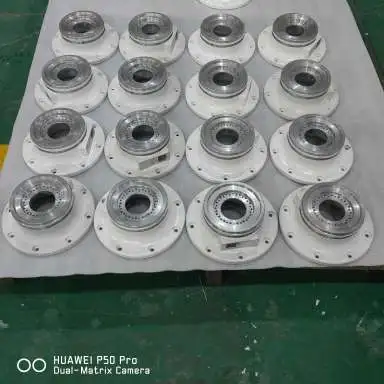
What is High Pressure Die Casting (HPDC)?
Definition and Basic Principles
High Pressure Die Casting works by forcing molten metal into steel molds under very high pressure. The process starts with holding furnaces that heat up molten aluminum, zinc, or magnesium alloys to the right temperatures. Then, hydraulic or mechanical devices pump this material into die cavities at speeds of up to 60 meters per second.
The basic mechanics include applying pressure in two stages: a slow injection fills the runner system, and a fast, high-pressure injection pushes material into complicated shapes. This two-phase method keeps air from getting trapped and makes sure that the hole is completely filled, especially in thin-walled areas.
Shot chambers, hydraulic injection mechanisms, multi-piece steel dies with cooling channels, and automated extraction systems are all parts of equipment systems. Temperature management is very important, and dies must be kept at 150–300°C to keep them from solidifying too soon and to keep thermal stress under control during manufacturing cycles.
Key Applications and Industries
HPDC is the leader in making cars, where lightweight aluminum parts are used instead of steel ones. HPDC can make complicated internal channels and mounting features in one process, which is good for engine blocks, transmission housings, suspension parts, and structural brackets.
HPDC is used by companies that make consumer electronics to make laptop cases, smartphone frames, and heat sinks that need thin walls that block electromagnetic waves well. The method makes smooth surfaces that cut down on finishing steps while keeping precise dimensional tolerances that are important for putting together modern devices.
Pump housings, compressor parts, and motor enclosures are all examples of industrial equipment applications where the quality of the surface and the stability of the dimensions directly affect performance. HPDC can quickly make a lot of things, which is great for meeting high-volume needs and keeping the quality the same across huge batch manufacturing.
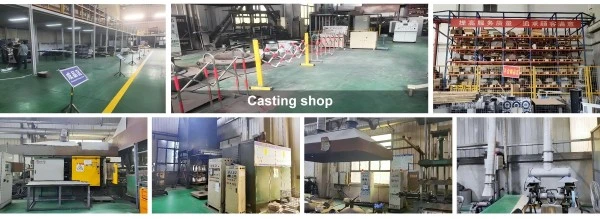
Advantages and Limitations of HPDC
HPDC makes production very efficient, with cycle times for typical parts ranging from 30 seconds to 2 minutes. This fast throughput and little need for secondary machining make a big difference in the expense of high-volume manufacturing situations where more than 100,000 pieces are made each year.
The quality of the surface polish is as good as that of machined parts, and roughness values below 1.6 micrometers can be achieved right from the casting process. For important features, dimensional accuracy is ±0.1mm, which means that in precision applications, you can put them together right away without having to do a lot of post-processing.
But there are certain material constraints, such as limited choices of alloys because of the temperature stress on the die. Rapid solidification might cause porosity levels to rise in thick sections, which could make it harder to use them in applications that need a lot of heat treatment or welding.
What is Low Pressure Die Casting (LPDC)?
Definition and Process Fundamentals
Low pressure casting is a precise way to cast metal that uses regulated low-pressure gas to drive molten metal up from sealed holding furnaces into permanent molds. This filling method from the bottom up works at pressures between 0.3 and 1.5 bar. It controls the flow of material, which reduces turbulence and oxidation during the casting cycle.
The procedure starts with aluminum or magnesium alloys that are melted and kept in sealed crucibles that are placed underneath the mold for casting. Controlled gas pressure on the surface of the furnace pushes material up through riser tubes and directly into mold cavities. Maintaining pressure during solidification makes ensuring that feeding is done correctly and density is optimized.
Permanent steel or iron molds, sealed furnace systems with built-in pressure controls, and riser tube assemblies that connect furnaces to mold cavities are all examples of equipment arrangements. Temperature monitoring systems keep the temperature stable during casting operations, which makes sure that the metallurgical qualities are the same for all production runs.
Primary Applications and Use Cases
Aluminum wheels are the most obvious use of low-pressure casting technique, which is based on making judgments that keep the structure strong and the weight low. The regulated filling process gets rid of porosity in important load-bearing areas and makes complicated spoke shapes that improve both performance and looks.
LPDC's better metallurgical qualities are good for aerospace parts that need strong mechanical properties. The low pressure casting process creates controlled solidification patterns that give structural brackets, landing gear parts, and engine housings great fatigue resistance and dimensional stability.
LPDC is used in marine and industrial settings for pump housings, valve bodies, and pressure vessels where it is very important that they don't leak. The lower porosity levels and better grain structure make it more reliable in tough working conditions.
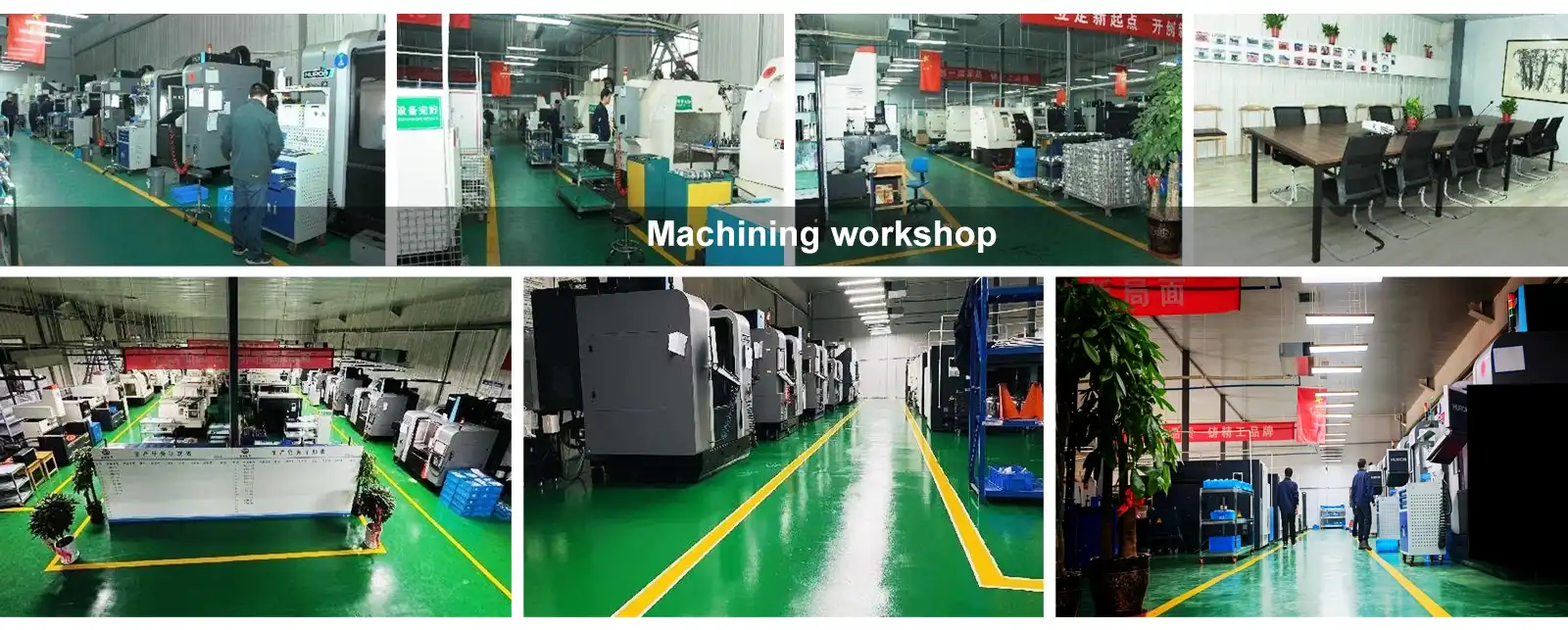
Benefits and Drawbacks of LPDC
Controlled filling and solidification features of low pressure casting techniques lead to better mechanical qualities. Tensile strength values are usually 15–20% higher than those of gravity casting, and elongation properties get better when porosity is lower and grain structure development is improved.
The bottom-up filling procedure gets rid of typical runner and gating systems, which makes material efficiency very high. Unused material goes back into furnaces to be used again, which means that more than 90% of the material is used, compared to 60-70% in traditional gravity casting methods.
When thinking about production rates, it's important to remember that cycle times might be higher, from 3 to 8 minutes, because of controlled filling speeds and longer solidification times. Initial investments in tools may be higher than what is needed for gravity casting because of the need for sophisticated furnace and pressure control systems. However, these expenses are generally mitigated by higher yields and less need for machining.
HPDC vs LPDC: Detailed Comparison Analysis
Process Parameter Differences
The main difference between these casting technologies is the pressure ranges they use. HPDC works between 150 and 1,200 bar, while LPDC works between 0.3 and 1.5 bar. These differences in pressure give each type of filling its own unique properties. HPDC fills cavities in milliseconds, while LPDC needs 30 to 60 seconds for controlled material flow.
The temperature needs change depending on how the process works and what materials are being used. HPDC uses lower pouring temperatures because it can fill quickly, while low pressure casting often needs somewhat higher temperatures to keep the fluidity throughout longer filling cycles.
The discrepancies in cycle time show that the processes are different at their core. For example, HPDC finishes parts in 30 seconds to 2 minutes, while LPDC takes 3 to 8 minutes. Because of thermal stress and wear from high-pressure injection forces, HPDC dies need to be maintained more often than other types of dies.
Quality and Performance Comparison
Low-pressure casting is better for applications that need high tensile strength and resilience to fatigue because of its mechanical qualities. The controlled solidification environment lowers porosity levels and encourages the growth of good grain structures, which improves mechanical performance across a range of loading circumstances.
The benefits of surface finish quality are more likely to be found in HPDC processes, where high injection pressures cause molten metal to come into close contact with die surfaces. This contact creates surface roughness values that are often better than those from LPDC, but both methods may give good finishes for most industrial uses.
Both techniques can still handle dimensional tolerances, and both can get essential dimensions to within ±0.2-0.5mm. But HPDC is more consistent in thin-walled portions because it fills quickly, which stops solidification from happening too soon during mold filling operations.

Cost and Production Efficiency Analysis
Different ways are better for different initial investments, depending on how many parts need to be made and how complicated they are. The cost of HPDC equipment is usually more than the cost of LPDC installations because they need high-pressure hydraulic systems and strong die construction. However, these expenses become reasonable when the yearly volume is more over 50,000 to 100,000 pieces.
The costs of running a business depend on how much energy it uses and how many workers it needs. HPDC's fast cycle times lower the energy cost per piece and let more equipment be used. Low pressure casting reduces material loss and the need for auxiliary processes. This makes up for longer cycle times by improving yield and quality consistency.
Part shape, production volume, and quality standards all play a big role in break-even analysis. LPDC is frequently better for medium-volume production runs of 10,000 to 50,000 items per year because it costs less to make tools and uses materials better. HPDC is better for high-volume applications since it can make things quickly.
Application Suitability Guidelines
The intricacy of part geometry has a big effect on the choice of process. HPDC is best for designs with thin walls and complicated interior elements. The high injection pressures make sure that hard-to-fill shapes are completely filled, which would not be possible with milder LPDC filling processes.
Material specifications and heat treatment requirements frequently favor low pressure casting because it makes the material stronger and less porous, which helps with later thermal processing. LPDC's better metallurgical properties make it better for parts that need welding or a lot of machining.
Volume needs and delivery deadlines are two practical factors that affect the choice of procedure. HPDC's quicker setup times and faster cycle rates may be better for emergency production runs or quick prototype development. On the other hand, LPDC's better material efficiency and quality consistency may be better for scheduled production programs.
Choosing Between HPDC and LPDC for Your Project
Decision-Making Framework
The first step in assessing project needs is to look at dimensional tolerances, surface finish criteria, and mechanical property requirements in detail. Low-pressure casting's better metallurgical qualities are often helpful for critical load-bearing applications, whereas HPDC's better surface finish capabilities may be better for cosmetic or thin-walled parts.
Evaluating technical specifications includes checking for compatibility of materials, heat treatment needs, and needs for secondary operations. LPDC is usually superior for making parts that need a lot of machining or welding because it makes them less porous and gives them better grain structure features.
When looking at a business case, you need to think about the costs of tools, the amount of production, and the long-term effects on the supply chain. Annual volume predictions, delivery timetable requirements, and financial constraints set limits on what processes can be chosen in the end.

Industry-Specific Recommendations
In the automotive industry, applications show recognizable patterns depending on the function and performance requirements of the parts. Low pressure casting is typically used for structural parts, suspension parts, and safety-critical parts because it improves their mechanical qualities. High-pressure die casting (HPDC) is better for decorative trim, housings, and non-structural parts because it has a better surface quality and is more efficient to make.
When it comes to aerospace and defense, dependability and performance are more important than production costs. LPDC's regulated filling and better mechanical properties make it a good fit for strict aerospace standards. However, HPDC's dimensional precision and surface quality may be better for some uses.
When it comes to industrial and consumer goods, cost-effectiveness and performance needs must be balanced. HPDC's fast production capabilities are usually better for high-volume consumer applications, whereas LPDC's metallurgical benefits are better for industrial equipment parts that need to be strong and reliable.
Working with Manufacturing Partners
To evaluate a supplier, you need to look at the capabilities of their equipment, their quality procedures, and their technical knowledge in both casting processes. Manufacturers that can do both HPDC and LPDC provide you more options for optimizing processes and getting design for manufacturability advice.
ISO 9001, IATF 16949, and industry-specific standards are all examples of quality certification criteria that make sure production quality is always the same and that the company follows the rules. To keep production consistent, advanced quality control technologies like real-time process monitoring and statistical process control are needed.
Clear specification documentation, regular progress reviews, and proactive issue resolution are all part of communication protocols and project management practices that help partnerships work. Technical support skills, such helping with design and giving advice on how to make processes better, are very useful during all stages of product development.
Conclusion
HPDC and LPDC are two different types of casting technologies that work well together to meet the needs of different sectors. HPDC is great for creating a lot of things quickly and with great surface finishes. It's perfect for making parts for cars, consumer electronics, and industrial uses where accuracy and efficiency are the most important factors in choosing a method. Low pressure casting is the best choice for structural parts, aerospace applications, and parts that need to be more reliable since it has better mechanical and metallurgical properties thanks to regulated filling procedures. Choosing amongst these processes depends on the specific needs of the application, the amount of production, and the quality standards that fit with the company's goals and technical specifications.
Partner with Rongbao Enterprise for Your Die Casting Solutions
Selecting between HPDC and LPDC requires careful consideration of your specific requirements, including part complexity, quality standards, production volumes, and budget constraints. Rongbao Enterprise combines 20 years of industry experience with comprehensive capabilities in both high-pressure and low pressure casting processes, delivering exceptional results across automotive, aerospace, and industrial applications.
Our integrated manufacturing approach encompasses full-chain production capabilities from mold development through finished component delivery. With ISO 9001, ISO 14001, and ISO 45001 certifications, we maintain rigorous quality standards while serving global markets with 70% of our production exported to Europe, America, and Japan. Contact our technical specialists at steve.zhou@263.net or zhouyi@rongbaocasting.com to discuss your die casting requirements and receive detailed feasibility analysis. As a trusted low pressure casting manufacturer, we provide comprehensive solutions that optimize quality, efficiency, and cost-effectiveness for your specific application needs.
FAQ
What are the main differences between HPDC and LPDC in terms of part quality?
LPDC typically produces parts with superior mechanical properties due to controlled filling and reduced air entrapment, resulting in lower porosity levels. HPDC excels in surface finish and dimensional accuracy but may have higher porosity in thick sections due to rapid filling and air entrapment.
Which process is more cost-effective for medium-volume production runs?
For medium-volume production (typically 10,000-100,000 parts annually), LPDC often provides better cost-effectiveness due to lower tooling costs and reduced material waste, despite slower cycle times. HPDC becomes more economical at higher volumes where rapid production cycles justify the higher initial investment.
Can both HPDC and LPDC handle complex geometries and thin-walled designs?
HPDC is generally better suited for complex geometries and thin walls (as thin as 0.5mm) due to high injection pressures that ensure complete mold filling. LPDC can handle moderately complex parts but is typically limited to wall thicknesses above 2-3mm due to the gentler filling process.
References
1. Campbell, John. "Complete Casting Handbook: Metal Casting Processes, Metallurgy, Techniques and Design." Butterworth-Heinemann, 2015.
2. Aluminium Association. "Aluminium Die Casting Technology and Applications." Technical Report Series, 2019.
3. Society of Die Casting Engineers. "Die Casting Process Fundamentals and Advanced Applications." SDCE Publications, 2018.
4. Zhang, Wei and Roberts, Michael. "Comparative Analysis of High and Low Pressure Die Casting Methods." International Journal of Advanced Manufacturing Technology, 2020.
5. European Foundry Association. "Best Practices in Pressure Die Casting Operations." EFA Technical Guidelines, 2021.
6. American Foundry Society. "Quality Control Systems in Modern Die Casting Facilities." AFS Research Reports, 2019.
Learn about our latest products and discounts through SMS or email